The Democratic Republic of the Congo (DRC) and its partners on Friday launched an updated 180-day multisectoral response plan to intensify efforts against the ongoing Ebola outbreak, with funding needs estimated at 1.3 billion U.S. dollars.
With support from the World Health Organization (WHO), the Africa Centers for Disease Control and Prevention and other partners, the plan was intended to serve as the operational roadmap for the response over the next six months.
According to the WHO Regional Office for Africa, the outbreak caused by the Bundibugyo virus had reached 6,342 reported cases and 3,072 deaths as of Sept. 2. It has spread to 60 health zones across six provinces.
Health authorities are particularly concerned that a large proportion of deaths continue to occur in communities, often among people who had not previously been identified as contacts and had not reached health facilities before dying.
"Every case detected too late, every contact missed and every delay in mobilizing resources translates into lives lost," Anne Ancia, acting WHO representative in the DRC, said, calling for rapid and coordinated action on a larger scale.
DRC Health Minister Roger Kamba said containing the outbreak required efforts beyond the health sector, involving communities, government agencies, partners and donors. "The government is fully mobilized to protect every Congolese," Kamba said.
According to the WHO, full implementation of the revised plan would require an estimated 1.3 billion U.S. dollars.
Damien Mama, United Nations resident coordinator in the DRC, said the Ebola response needed to be integrated into the broader humanitarian effort and supported by sufficient, flexible and predictable funding.
The Africa CDC also pledged continued support for national response efforts, including resource mobilization, coordination with partners and greater involvement of communities.
The current outbreak, officially declared in May, has become the fastest-growing Ebola outbreak recorded in the DRC to date.
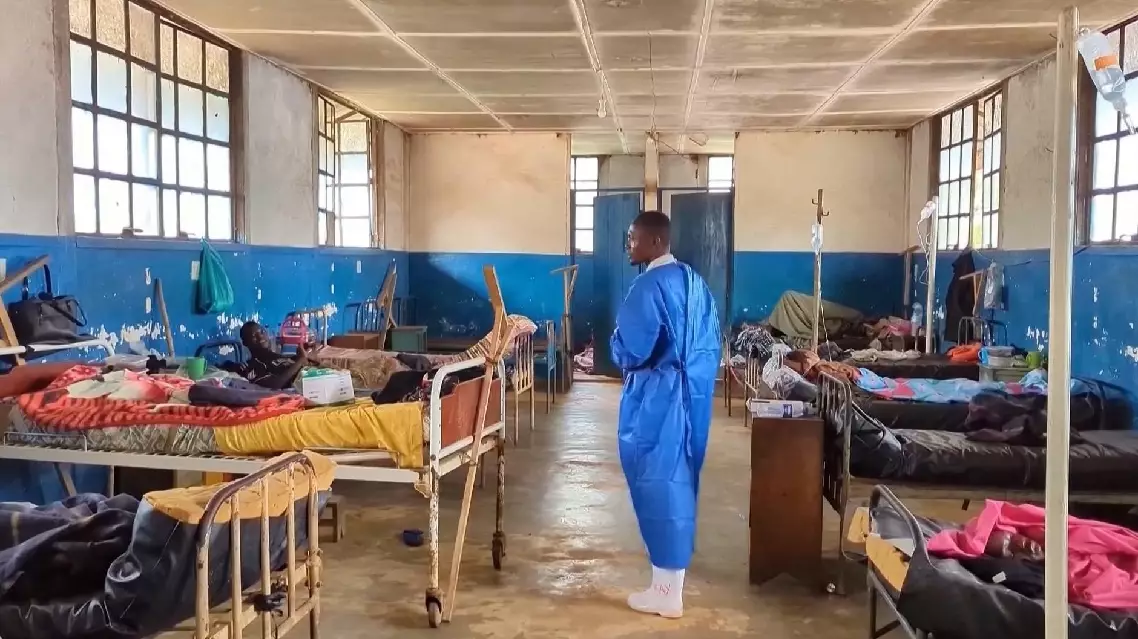
DR Congo launches updated 180-day Ebola response plan, seeks 1.3-bln-USD funding
Israeli forces must halt its attempts to expel and forcibly displace Palestinians from West Bank, as the move is against international law and rises concerns of ethnic cleansing and crime against humanity, UN Human Rights Spokesperson Thameen Al-Kheetan said on Friday.
The remarks were made based on a UN Human Rights Office report published on the same day. Titled "Destruction of Palestinian refugee camps in northern West Bank", the report specified serious human right violations committed by Israeli forces during its "Operation Iron Wall", which forcibly displaced the entire Palestinian populations of three refugee camps in the occupied West Bank in January and February 2025 and has continued to prevent them from returning home.
"Israeli authorities are still preventing the return of the entire Palestinian populations of three refugee camps in the occupied West Bank, whom they forcibly displaced in January and February 2025, according to a new UN Human Rights report. Israeli forces went door to door forcing residents to leave the Jenin, Nur Shams, and Tulkarm refugee camps. They killed civilians, destroyed hundreds of homes, damaged roads and other infrastructure, and cut off water and electricity. Some of the Palestinians displaced told us that Israeli officers informed them there would be no more refugee camps, and that they should 'all go to Jordan,'" Al-Kheetan, spokesman for the Office of the United Nations High Commissioner for Human Rights (OHCHR) said in a video statement.
Israel's unlawful presence in the Occupied Palestinian Territory and its human rights violations have been catastrophic, the report noted. The OHCHR has called for urgent action by relevant authorities and the international community to end the unlawful Israeli practices and to ensure accountability.
"The large-scale, long-term and systematic displacement of over 33,000 Palestinians from these camps raises serious concerns of the crime against humanity of forcible transfer. Forcing the displacement of their residents and preventing their return appear to amount to collective punishment and raise concerns of ethnic cleansing. Israel must end its occupation of Palestinian territory and halt any efforts to forcibly displace more Palestinians and to further break the contiguity of a future Palestinian state," Al-Kheetan said.
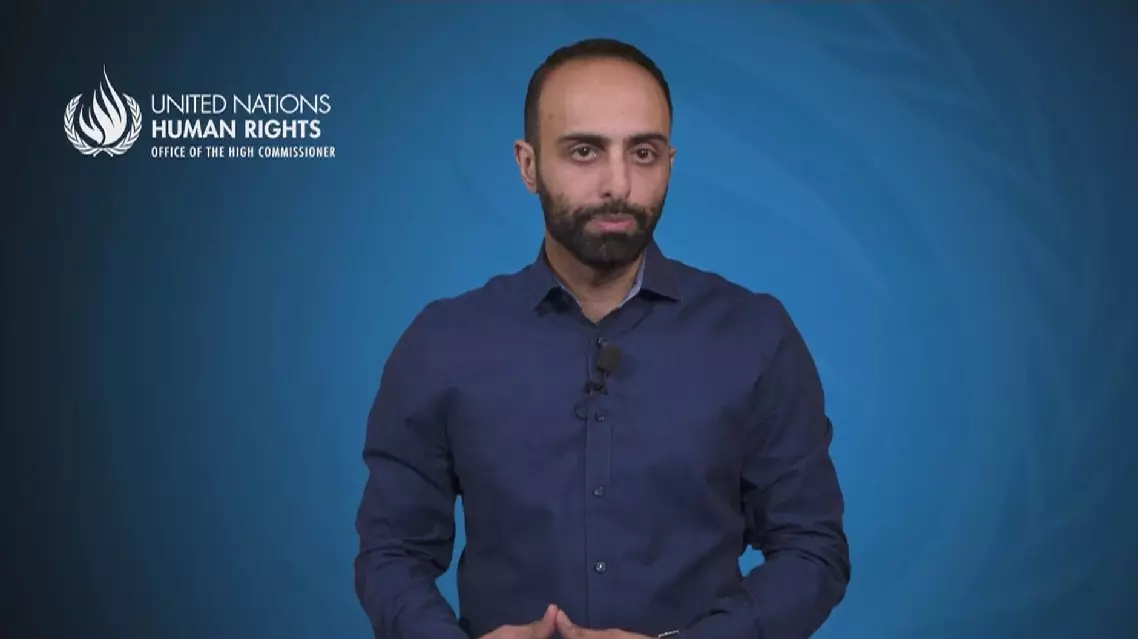
UN human rights office condemns Israel's forcible displacement of Palestinians in West Bank