Germany is experiencing a worsening water deficit, driven by rising temperatures and declining groundwater storage, according to research results released Thursday by the GFZ Helmholtz Centre for Geosciences.
The research reveals that Germany's total water resources has been on a persistent downward trajectory since 2015, and wider Europe has been confronted with water shortage in recent years as well.
Utilizing satellite data monitored in partnership with NASA and the German Aerospace Center (DLR) on surface and groundwater resources to calculate their changes, scientists calculated that the country faces a staggering national water deficit of roughly 25 billion tons this June, compared to long-term historical averages.
The long-term decline in Germany's water resources is primarily driven by a reduction in groundwater reserves, the hydrology research group at the GFZ said.
While long-term precipitation rates have not shown a consistent decline, high temperatures have led to an increase in potential evaporation, meaning more moisture moving from the ground into the atmosphere, thereby exacerbating the water shortage.
The research only analyzes satellite data up to June and has not yet reflected the impact of this summer's high temperatures on water resources, indicating that the true water deficit in Germany is likely far more critical.
Heatwaves swept across many parts of Europe this summer. Data from the Federal Statistical Office of Germany showed that this June was the "second-warmest" June in Germany's recorded history.

Germany faces worsening water shortage: research
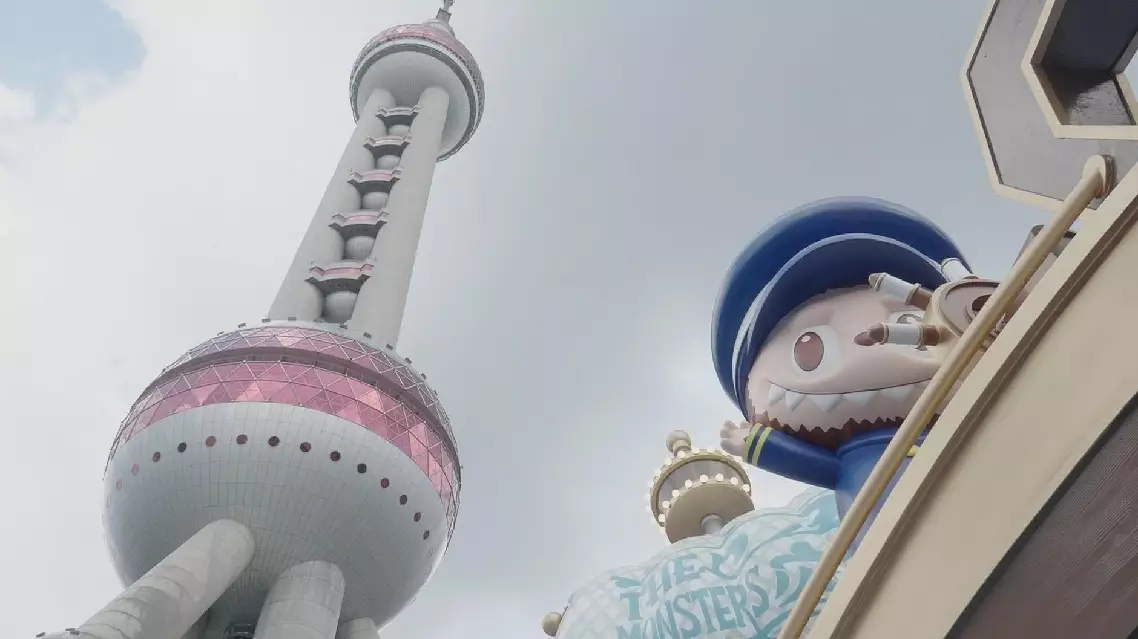
Chinese pop culture giant Pop Mart launched a carnival event in Shanghai as the first stop of its roadshow.
With a grand opening ceremony held on Friday against Shanghai's most iconic landmark, the Oriental Pearl Tower, the carnival intends to create immersive urban pop-culture experiences by bringing together entertainment, dining, retail, and sightseeing.
Featuring nine attractions, the touring carnival allows visitors to take part in the interactive activities, in which they can not only enjoy plenty of fun but also win a variety of prizes.
For this event, the Oriental Pearl Tower has also introduced a range of combo ticket packages, so that visitors can customize their itineraries to suit their needs while enjoying great value.
"I think the ticket package combining the Pop Mart carnival and the Oriental Pearl Tower sightseeing is really a great deal. It only costs 99 yuan (about 14.75 U.S. dollars), well worth the price. It's nice to see such collaboration between different sectors, which can effectively boost tourism," said a tourist.
The partnership between Shanghai's iconic city landmarks and the leading pop-culture IPs has injected fresh momentum into the city's trendy cultural tourism market.
"In the future, we hope to continue bringing in high-quality IPs and immersive, interactive entertainment experiences, while further diversifying Oriental Pearl Tower's offerings and unlocking greater integrated value of the landmark across culture, commerce, tourism, sports, and exhibitions," said Guo Yifeng, general manager of Shanghai Oriental Pearl Radio and Television Tower Co., Ltd.
The event will run until November 1.
Pop Mart carnival roadshow makes debut in Shanghai