China will advance the high-quality development of its historical classic industries by strengthening the protection and systematic inheritance of intangible cultural heritage (ICH), an official said at a State Council Information Office press conference in Beijing on Monday.
The move came as the Ministry of Industry and Information Technology joined several other departments to issue a guideline to promote the high-quality development of historical classic industries at the end of August, which refer to industries featuring profound traditional Chinese cultural deposits such as silk, tea, porcelain, traditional Chinese medicine, brewing, arts and crafts, and the Four Treasures of Study (writing brush, ink stick, paper and inkstone).
"Currently, 45 Chinese items have been inscribed on the UNESCO ICH lists, while over 100,000 ICH items have been listed at the national, provincial, city and county levels. This opens up vast space for historical classic industries, particularly silk, ceramics, traditional Chinese medicine and tea, to reach the world," said Shan Gangxin, director of the Department of Intangible Cultural Heritage under the Ministry of Culture and Tourism.
According to Shan, the ministry will deepen systematic ICH protection and launch consumption-boosting campaigns. Efforts will also focus on digital and smart ICH preservation, cultivating a new generation of immersive, interactive ICH experience scenarios with an emphasis on scenario adaptation and digital-intelligent empowerment.
By the end of 2025, China had established 14,900 ICH workshops nationwide, generating employment and income growth for over 1.3 million people. These workshops have built product systems featuring more than 300 patents and over 20,000 varieties, which are selling well to more than 80 countries and regions via e-commerce platforms.
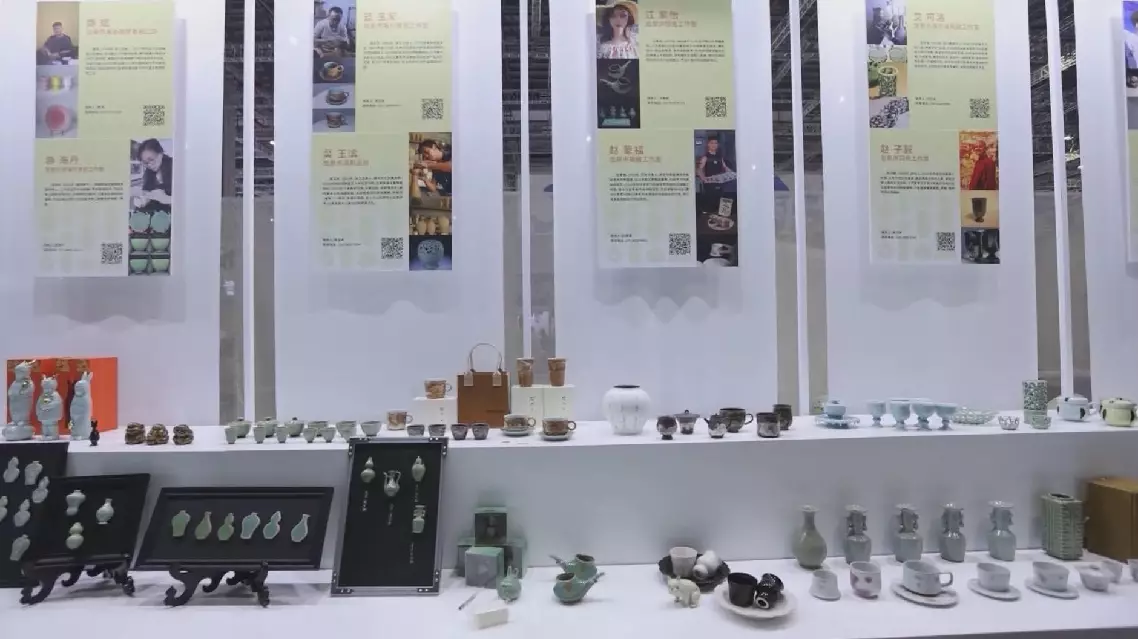
China to boost historical classic industries by intangible heritage protection