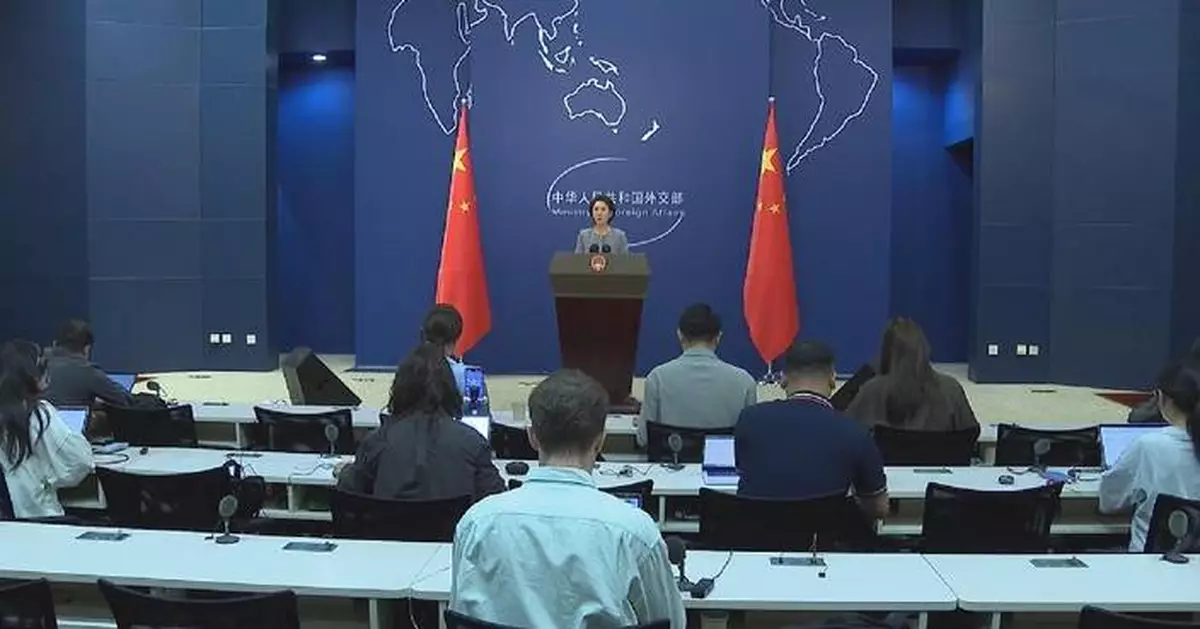
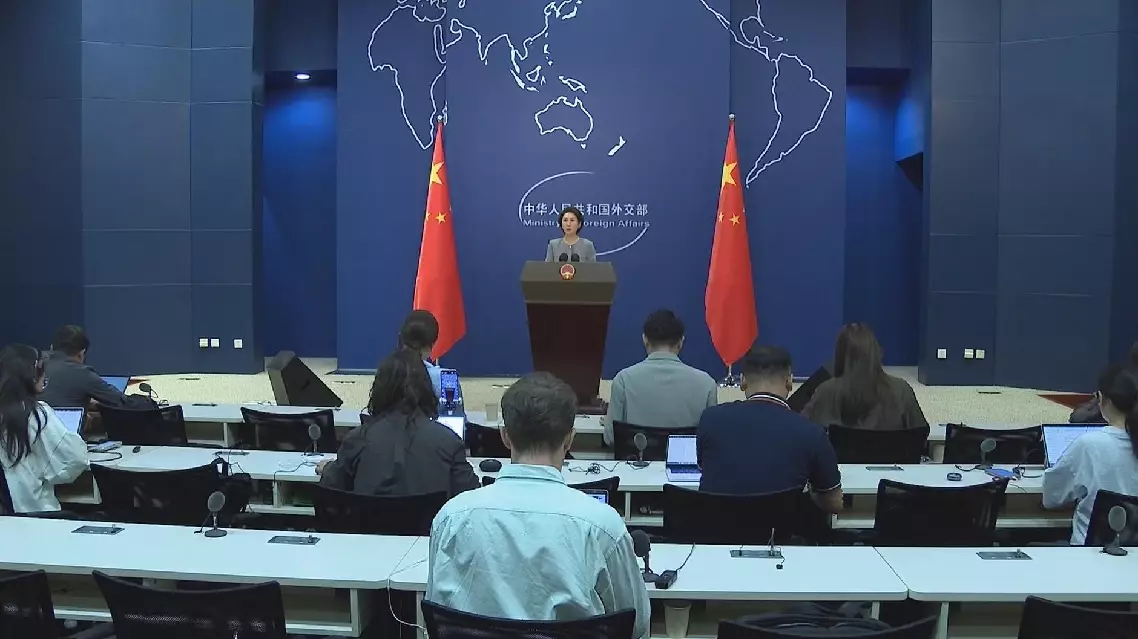
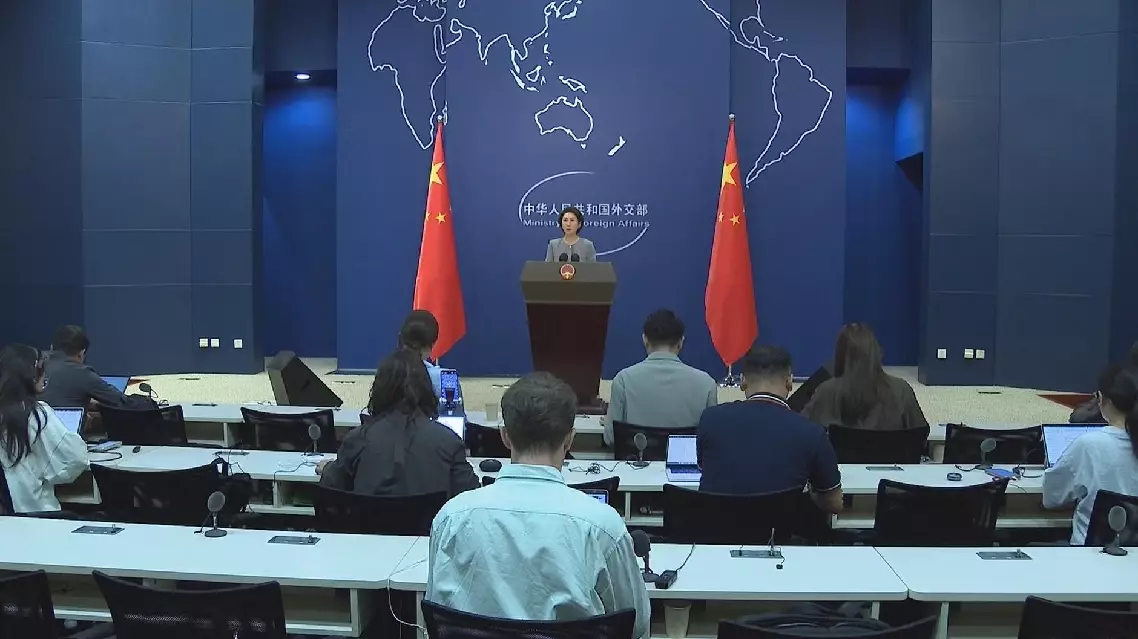
Japan must completely break with militarism and win the trust of its Asian neighbors and the international community through concrete actions, Foreign Ministry spokeswoman Mao Ning said at a press briefing in Beijing on Tuesday.
She made the statement in response to a media query on the Japanese government's recent remarks regarding the history of World War II and the postwar international order.
"Correctly understanding and addressing history is a test of whether Japan can abide by its commitment to peaceful development. Japan joined the United Nations on the premise of acknowledging the crimes of militarism and accepting all provisions of the Charter of the United Nations. The 'enemy states clauses' in the UN Charter, as a special institutional arrangement targeting the defeated nations of World War II, remain valid to this day. This year marks the 80th anniversary of the opening of the Tokyo Trials. Japan should draw lessons from history, completely break with militarism, and win the trust of its Asian neighbors and the international community through concrete actions," said Mao.
Japan must completely break with militarism: spokeswoman
Japan must completely break with militarism: spokeswoman
Japan must completely break with militarism: spokeswoman
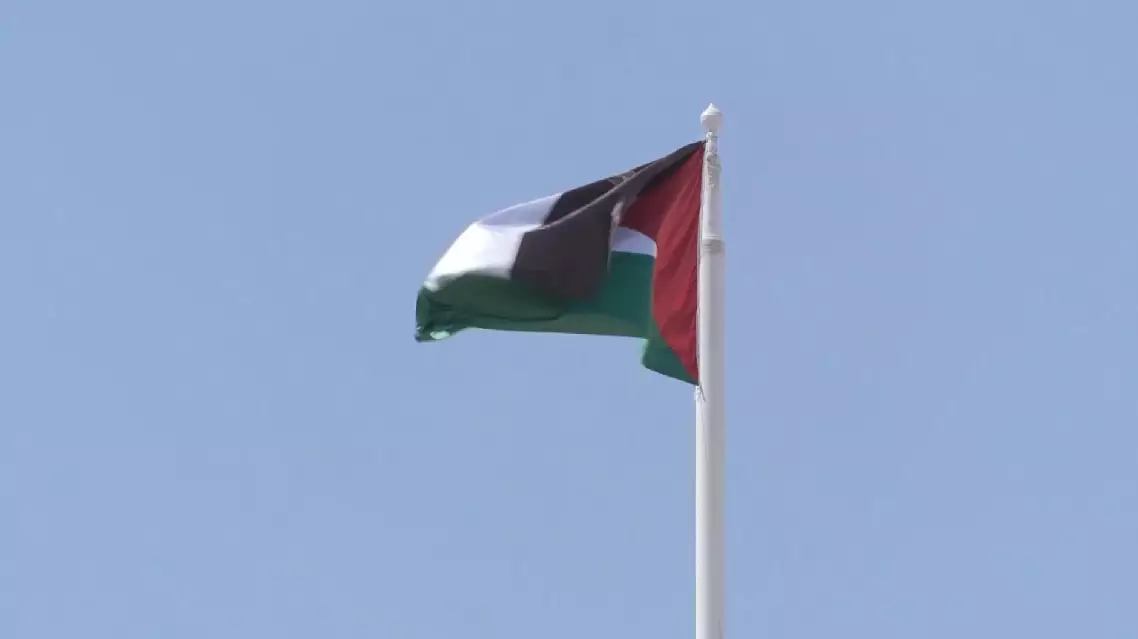
Palestinian President Mahmoud Abbas issued a presidential decree on Saturday postponing the presidential and legislative elections until Sept 11, 2027, calling for the two elections to be held simultaneously.
The decision follows a resolution by the Executive Committee of the Palestine Liberation Organization and revokes Decree No. 4 of 2026, which had scheduled the legislative elections for Nov 28, 2026, according to the Palestinian News and Information Agency (WAFA).
The decree cited deteriorating security conditions in the West Bank, including East Jerusalem, restrictions on freedom of movement and Israel's continued withholding of Palestinian tax revenues as major challenges to election preparations.
In the Gaza Strip, continued exceptional security and humanitarian conditions, the failure to deploy international stabilization and police forces as envisaged under UN Security Council Resolution 2803, the lack of progress in reconstruction, and the incomplete withdrawal of Israeli forces have created additional obstacles, WAFA reported.
Israeli restrictions on access to Gaza and East Jerusalem for Palestine's Central Elections Commission (CEC) staff and international observers have also hindered preparations and limited electoral bodies' ability to operate in accordance with legal and democratic standards, the agency said.
Under the decree, the CEC is responsible for preparing, organizing and supervising the presidential and legislative elections in accordance with the applicable General Elections Law, ensuring they are free, fair, transparent and inclusive throughout the Palestinian territories, including East Jerusalem.
The decree follows national consultations among Palestinian factions and political forces, which, according to WAFA, reached a consensus to postpone the elections.
The legislative elections were part of a broader Palestinian electoral process amid a political division between the West Bank and the Gaza Strip, as well as challenges to holding elections across all Palestinian territories.
Abbas postpones Palestinian presidential, legislative elections to Sept 11, 2027