China on Wednesday released its eighth batch of new occupations, formally recognizing 11 new occupations and 23 new job types.
The new occupations include digital twin engineering technicians, embodied-intelligence robot application technicians, industrial product digital modeling specialists, sports data analysts, microgrid managers, hydrogen fuel cell manufacturing workers, water-electrolysis hydrogen production workers, incense-making artisans, shore-based ship management engineering technicians, satellite navigation equipment installers and adjusters, and corporate sustainability planners.
Of the 11, five are digital occupations and three are green occupations, underscoring how new quality productive forces, the green transition and higher-quality services are reshaping China's labor market.
The 23 new job types range from low-altitude logistics operators and low-altitude intelligent connected system administrators to AI agent developers, new-energy vehicle inspectors, airport obstacle-clearance inspectors, age-friendly renovation designers, fresh-cut flower processors, ice-and-snow sculptors and community workers.
"The continuous expansion of digital occupations clearly outlines the broad trend of industrial digitalization and digital industrialization. We expect a sizable shortage of digital technology and skills talent in the period ahead. At the same time, green and environmental protection requirements keep expanding and enriching green occupations, showing that the national dual-carbon strategy is taking root in the employment field," said Zhang Wei, director of Division of Occupational Classification and Standards Development under China Employment Training Technical Instruction Center.
Chinese authorities said a role can be designated a new occupation only when its workforce reaches a certain scale and the position shows strong future employment potential.
Since 2019, China has released eight batches totaling 121 new occupations.
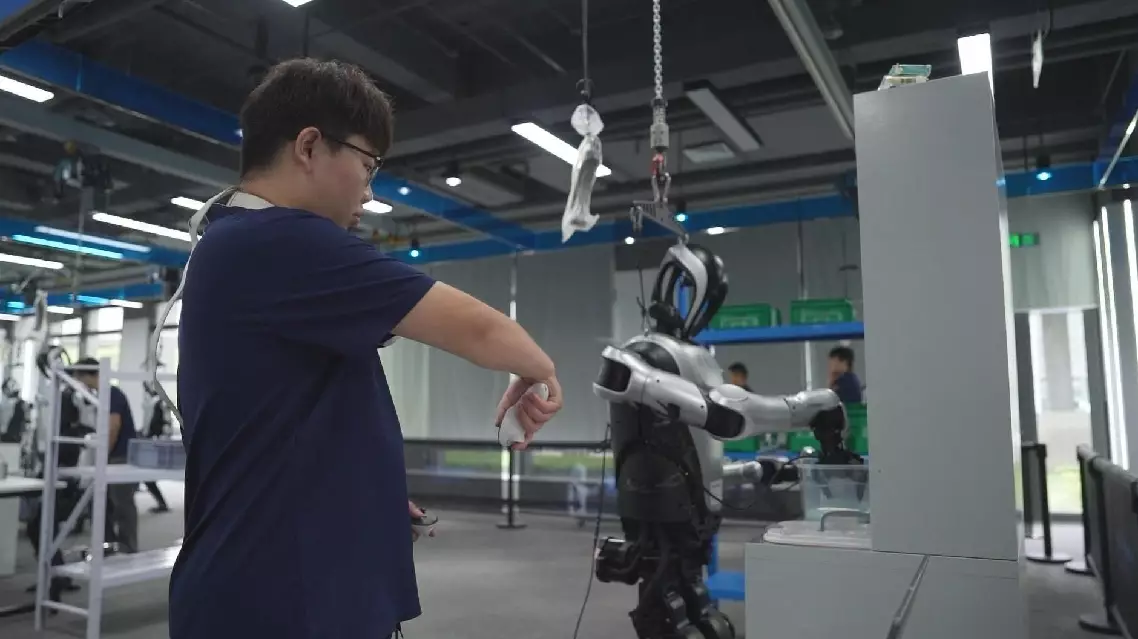
China adds 11 new occupations, 23 new job types as digital, green, service sectors reshape employment