The 12th China Cangzhou International Wushu Competition kicked off on Friday at Cangzhou Sports Stadium in north China's Hebei Province, drawing more than 4,000 athletes and coaches from 40 countries and regions.
Under the theme "Cangzhou and the World, United by Wushu and Dreams," martial arts enthusiasts from around the world have gathered to share their passion, skills and dreams.
The opening ceremony featured lion dances, acrobatics and distinctive wushu routines performed by international contestants. On the competition floor, martial artists moved through fluid sequences, showcasing the unique charm of traditional Chinese wushu.
The venue also featured interactive attractions, including an AI wushu screen, games and a robot apprenticeship ceremony.
"Learning wushu has been one of my greatest thing here in China because when I was a kid, (I saw) wushu films. So that is basically how much I have passion for wushu, so it also gives me passion, it also gives me the inner peace for me to do my things peacefully and comfortably," said Derick, a Ghanaian athlete.
"I think wushu is a very important part of Chinese culture. So I now know China much better," said Sirin, a Tunisian athlete.
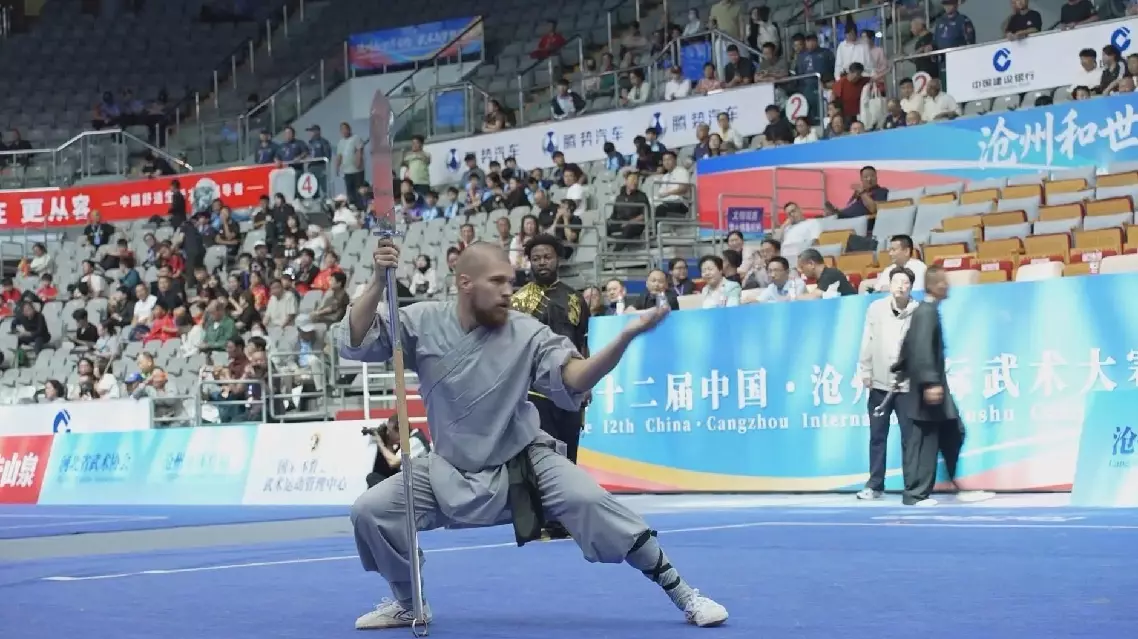
12th China Cangzhou Int’l Wushu Competition opens
Computing power services are gaining momentum as artificial intelligence (AI) technology evolves, opening new avenues for the development of trade in services and becoming a highlight of the ongoing 2026 China International Fair for Trade in Services (CIFTIS) in Beijing.
The five-day CIFTIS opened on Wednesday, drawing participants from 90 countries, regions and international organizations, with over 1,800 companies showcasing their service products on-site.
Exhibitors at the 2026 Thematic Exhibition: Telecommunications, Computers and Information Services are shifting their focus from traditional communication offerings to integrated services combining computing power and AI.
"Currently, we operate over 2 million base stations, and each base station has a supporting communication machine room. We have integrated computing facilities into these machine rooms, upgrading them into data centers that can provide localized, distributed computing services. This enables real-time computing support for applications such as AI-powered forest fire prevention, disaster mitigation, and water quality monitoring in local areas," said Qiao Zhi, a staff member of China Tower Beijing Branch.
Beyond these application services, China's industry chain leaders are showcasing a broad array of innovative solutions at the upstream segment, including chip design, testing, verification, and technical licensing. Chinese service providers are offering tailored solutions for a diverse range of regions and markets.
"For example, European and American clients tend to prefer large-model, high-performance chips, while clients from the Middle East and Southeast Asia focus more on edge-side AI chips, mainly to assist their smart city projects and robotics initiatives. Chinese enterprises can meet the customized demands of different regions, different customers and different scenarios," said Wang Wenqian, head of research and development of the Joinsilicon, which provides customized products and solutions for the semiconductor industry.
Services that can be digitally delivered, including those related to computing power, are becoming an important engine driving the growth of services trade. According to China's Trade in Services Development Index Report 2026 released at the CIFTIS, the share of digitally deliverable services in global services exports rose to 57.9 percent in 2025.
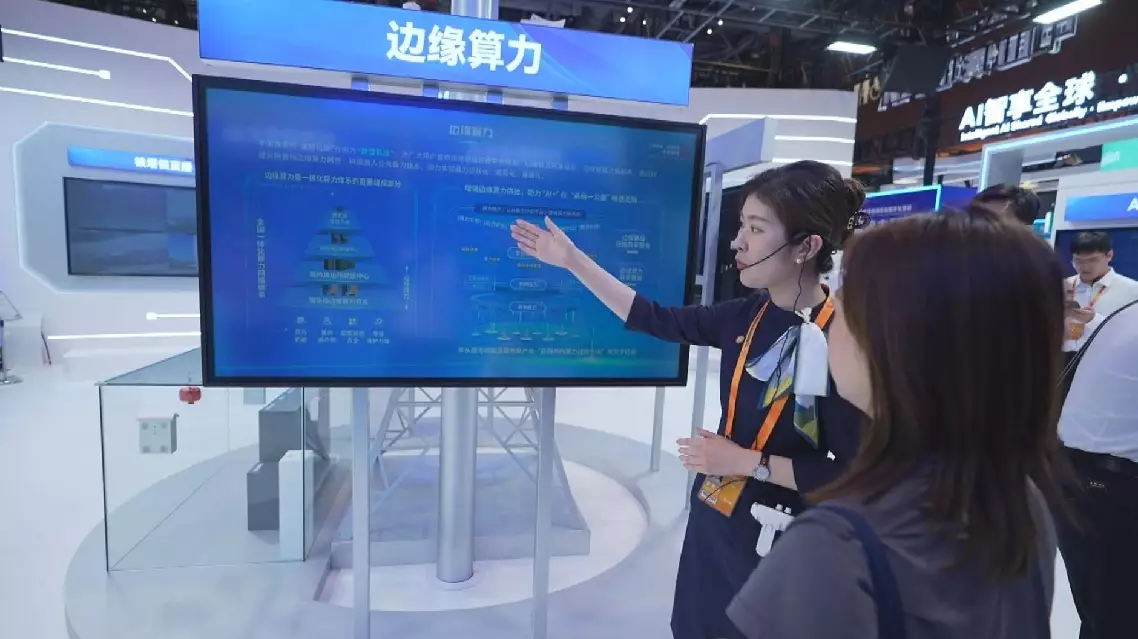
Computing power services emerge as new growth driver for trade in services