A regional meeting scheduled for Monday in Muscat, Oman will focus on a new maritime traffic route in the Strait of Hormuz, Iranian Foreign Minister Seyed Abbas Araghchi said on Sunday.
At the meeting, Iran and Oman will brief Gulf countries on the outcome of their consultations on the route and share a roadmap, said Araghchi.
Although the two countries have agreed on the details of new entry and exit routes for the Strait of Hormuz, Araghchi stressed that the agreement does not mean the strait will reopen.
Reopening the Strait of Hormuz depends on the United States returning to its commitments under the Islamabad Memorandum of Understanding (MoU), said the minister.
Iran believes that the responsibility for regional security and stability should fall entirely on the countries in the region, and Iran hopes the meeting will pave the way for future consultations among regional states on issues of common concern, said Araghchi.
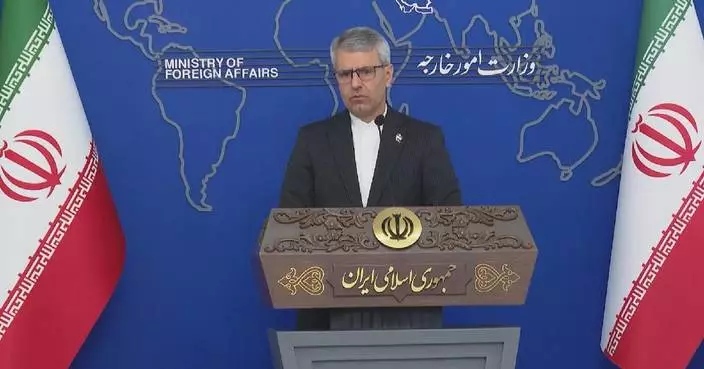
On Friday, Iran's Foreign Ministry spokesman Esmaeil Baghaei announced that Gulf littoral states' foreign ministers are scheduled to meet in Oman on Monday to exchange views on regional issues, including the Iran-Oman talks on designating safe routes in the Strait of Hormuz.
Late last month, Iran and Oman said in a joint statement that they had exchanged views on a proposed phased framework that includes establishing a temporary joint shipping corridor in the strait.
Following U.S.-Israeli strikes on February 28, Iran restricted passage through the strategic waterway, while U.S. forces imposed a naval blockade targeting vessels traveling to or from Iranian ports.
The Strait of Hormuz, linking the Gulf with the Arabian Sea, is one of the world's most important routes for oil and gas shipments. Oman and Iran sit on opposite sides of the strait and have maintained consultations over maritime security and navigation in the strategic waterway.
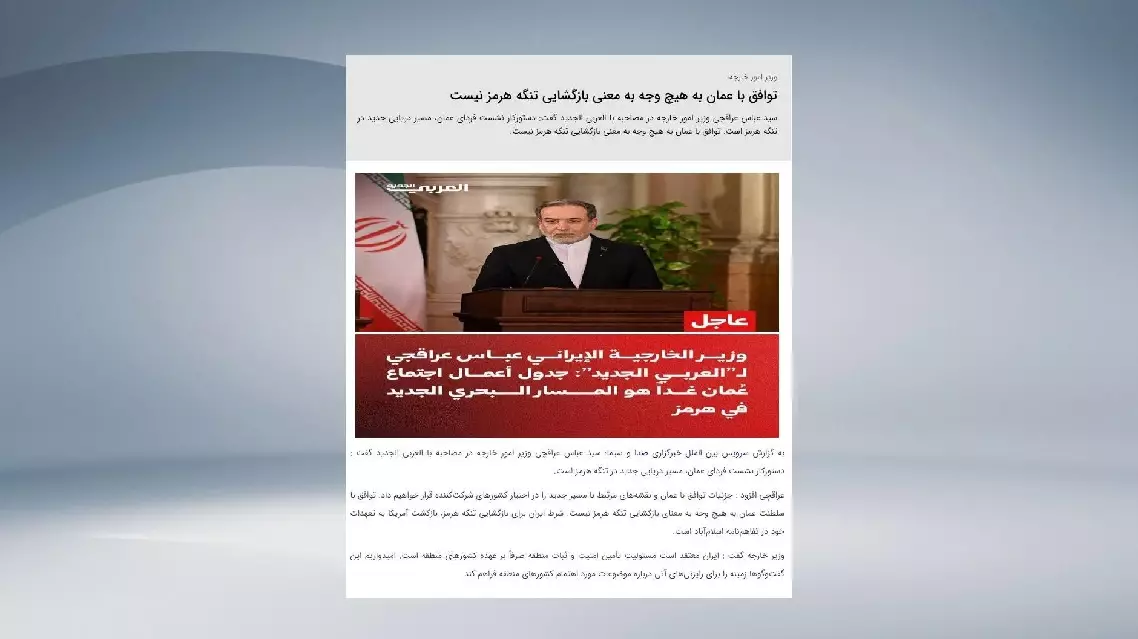
Iran to discuss new maritime route in Hormuz Strait with Gulf countries: FM
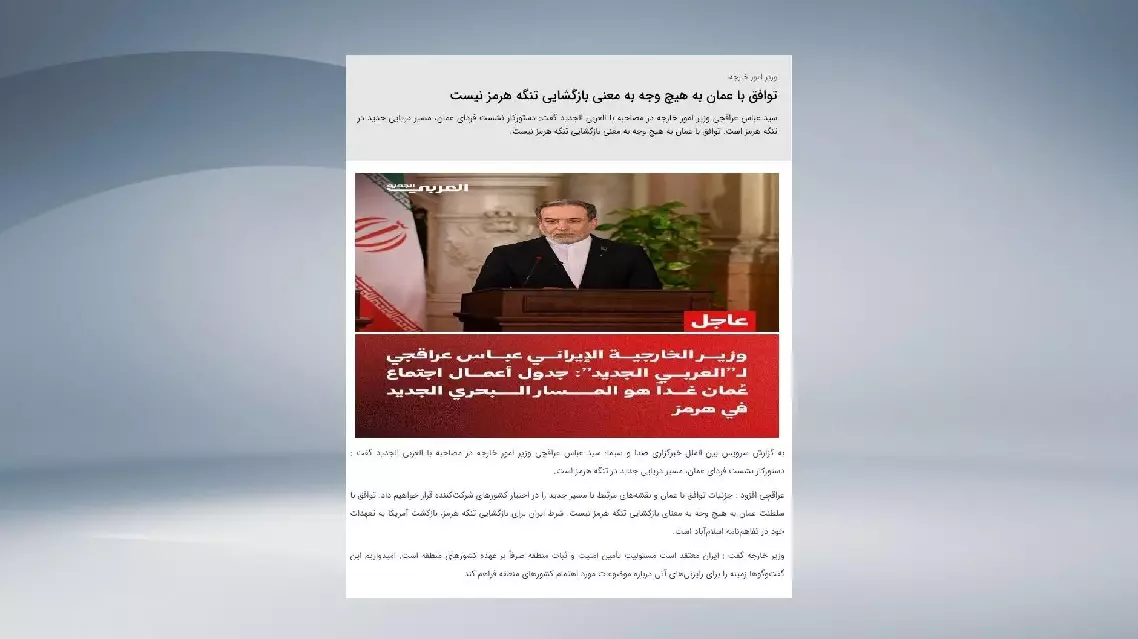
Iran to discuss new maritime route in Hormuz Strait with Gulf countries: FM
All 69 victims of last week's deadly high-speed train collision in Urda, central Spain, have been identified, while 29 injured people remain hospitalized, authorities said Monday.
Spain's Integrated Data Center (CID) confirmed that the provisional death toll remains at 69, including 54 Spanish nationals and 15 foreigners. The victims, all adults, included 40 men and 29 women.
The foreign victims included four Americans, two Australians, two Japanese and one each from Argentina, Canada, the Czech Republic, France, Mexico, Portugal and Tunisia.
The Institute of Legal Medicine and Forensic Sciences of Toledo and Ciudad Real completed the identification process. Of the 69 victims, 56 were identified through fingerprint analysis conducted by the Civil Guard's Criminalistics Service, while the remaining 13 were identified through DNA testing by the National Institute of Toxicology.
The families of all 69 victims have been notified of the identification results, while the relevant consular offices have also been informed in cases involving foreign nationals.
Meanwhile, the regional government of Castilla-La Mancha reported that 29 people injured in the collision remain hospitalized in four hospitals, including nine in intensive care units and 20 in general wards.
Of the 110 patients initially admitted to six hospitals, 81 have been discharged, according to the regional health authorities. Nine patients have been transferred to hospitals in Madrid, including one on Monday, while another has been transferred to Andalusia.
Recovery operations at the accident site have made progress. All carriages of the two trains involved in the collision, operated by Iryo and Spain's national railway operator Renfe, have now been removed from the tracks, Spanish news agency EFE reported, citing Civil Guard sources.
The carriages of the Renfe AVE train were removed overnight and transferred to a secure area, while the last two carriages of the Iryo train were cleared from the Madrid-Andalusia high-speed railway line on Monday afternoon. The Civil Guard continues to search the accident site for human remains, with around 50 officers deployed in the area, according to EFE.
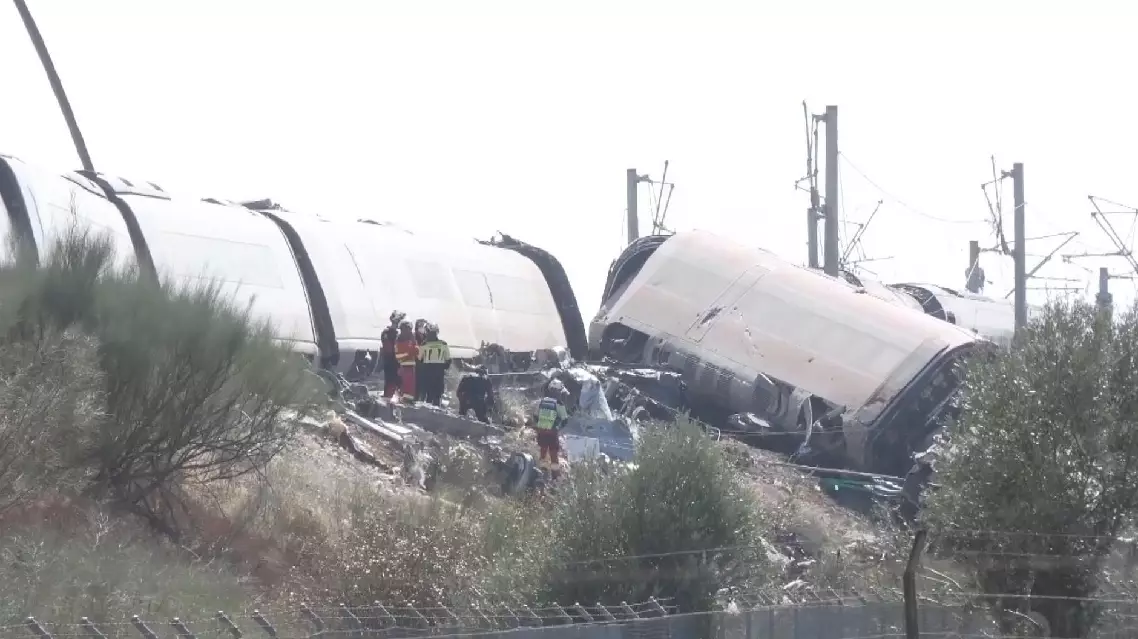
All 69 victims of Spain's high-speed train collision identified