All 69 victims of last week's deadly high-speed train collision in Urda, central Spain, have been identified, while 29 injured people remain hospitalized, authorities said Monday.
Spain's Integrated Data Center (CID) confirmed that the provisional death toll remains at 69, including 54 Spanish nationals and 15 foreigners. The victims, all adults, included 40 men and 29 women.
The foreign victims included four Americans, two Australians, two Japanese and one each from Argentina, Canada, the Czech Republic, France, Mexico, Portugal and Tunisia.
The Institute of Legal Medicine and Forensic Sciences of Toledo and Ciudad Real completed the identification process. Of the 69 victims, 56 were identified through fingerprint analysis conducted by the Civil Guard's Criminalistics Service, while the remaining 13 were identified through DNA testing by the National Institute of Toxicology.
The families of all 69 victims have been notified of the identification results, while the relevant consular offices have also been informed in cases involving foreign nationals.
Meanwhile, the regional government of Castilla-La Mancha reported that 29 people injured in the collision remain hospitalized in four hospitals, including nine in intensive care units and 20 in general wards.
Of the 110 patients initially admitted to six hospitals, 81 have been discharged, according to the regional health authorities. Nine patients have been transferred to hospitals in Madrid, including one on Monday, while another has been transferred to Andalusia.
Recovery operations at the accident site have made progress. All carriages of the two trains involved in the collision, operated by Iryo and Spain's national railway operator Renfe, have now been removed from the tracks, Spanish news agency EFE reported, citing Civil Guard sources.
The carriages of the Renfe AVE train were removed overnight and transferred to a secure area, while the last two carriages of the Iryo train were cleared from the Madrid-Andalusia high-speed railway line on Monday afternoon. The Civil Guard continues to search the accident site for human remains, with around 50 officers deployed in the area, according to EFE.

All 69 victims of Spain's high-speed train collision identified
U.S. stocks ended mixed on Monday as technology shares gave back early-session gains, while a sharp plunge in oil prices helped lift industrial and other non-energy stocks.
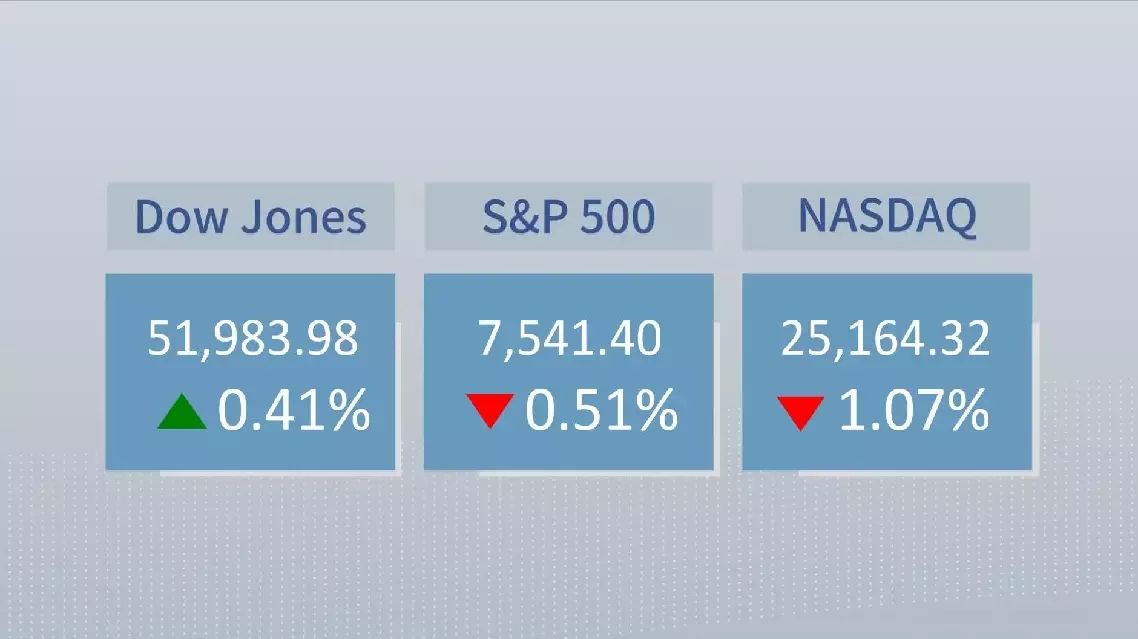
The Dow Jones Industrial Average rose 213.67 points, or 0.41 percent, to 51,983.98. The benchmark S and P 500 fell 38.67 points, or 0.51 percent, to 7,541.40, while the tech-heavy Nasdaq Composite Index shed 272.68 points, or 1.07 percent, to close at 25,164.32.
Seven of the 11 major S and P 500 sectors finished in positive territory, with consumer discretionary and materials leading the gainers by adding 2.25 percent and 1.83 percent, respectively. Energy and technology paced the laggards, tumbling 3.97 percent and 2.66 percent, respectively.
Wall Street struggled to regain its footing after a bruising month for growth stocks, with the Nasdaq falling 5.2 percent in October. Semiconductor manufacturers faced sustained selling pressure, while shares of Apple fell 1.83 percent ahead of the company's fiscal fourth-quarter earnings release scheduled after the closing bell.
Meanwhile, investor attention remained focused on the artificial intelligence landscape after AI startup Anthropic released an amended S-1 registration statement disclosing its third-quarter financial results.
Traditional economy and industrial stocks helped drive the Dow higher. Architectural coatings manufacturer Sherwin-Williams surged nearly six percent, and home improvement retailer Home Depot advanced 3.6 percent. Conglomerate Honeywell International, industrial manufacturer 3M, and aerospace giant Boeing also posted solid advances, each climbing more than two percent.
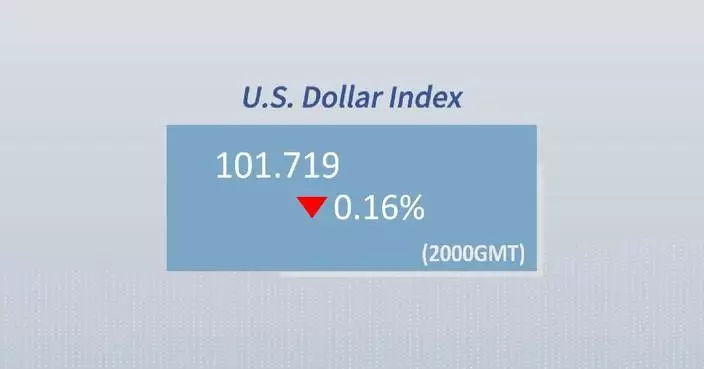
In energy markets, crude oil futures dropped over seven percent following reports that the United States and Iran are exploring diplomatic channels to de-escalate ongoing hostilities. Global benchmark Brent crude futures dropped to 104.77 U.S. dollars per barrel on the London ICE Futures Exchange.
On the macroeconomic front, U.S. manufacturing activity continued to expand in October, though at a slightly moderated pace. The S and P Global U.S. Manufacturing Purchasing Managers' Index was revised down to 54.9 in October from an initial estimate of 56, compared with 55.9 recorded in September.
Despite the downward revision, the gauge remained above the critical 50 expansion threshold for a 15th consecutive month, signaling underlying factory resilience even as manufacturers contend with supply chain disruptions and persistent input-cost pressures.
Investors are now looking ahead to a busy week of labor market data, culminating in the release of the U.S. Bureau of Labor Statistics' October employment report on Friday.
U.S. stocks close mixed as tech sell-off offsets industrial gains