United Nations Secretary-General Antonio Guterres is deeply concerned about the surge in attacks on commercial vessels in the Strait of Hormuz, said his spokesman on Monday, calling on all parties to ensure the freedom of navigation through the critical waterway.
The International Maritime Organization recorded about 30 attacks on ships in the strait and surrounding waters in October, nearly doubling the number from the previous month.
Click to Gallery
UN calls on all parties to ensure freedom of navigation in Strait of Hormuz
UN calls on all parties to ensure freedom of navigation in Strait of Hormuz
UN calls on all parties to ensure freedom of navigation in Strait of Hormuz
UN calls on all parties to ensure freedom of navigation in Strait of Hormuz
On Friday, a Qatari liquefied natural gas (LNG) carrier was struck by unidentified objects while transiting the Arabian Gulf, with no injuries or environmental damage reported.
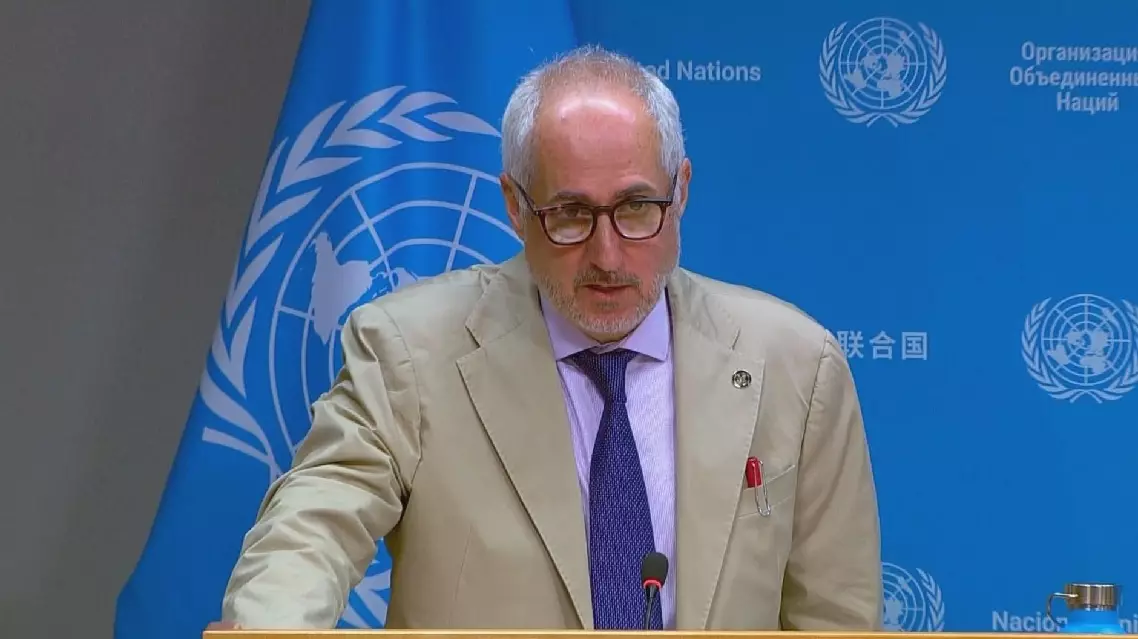
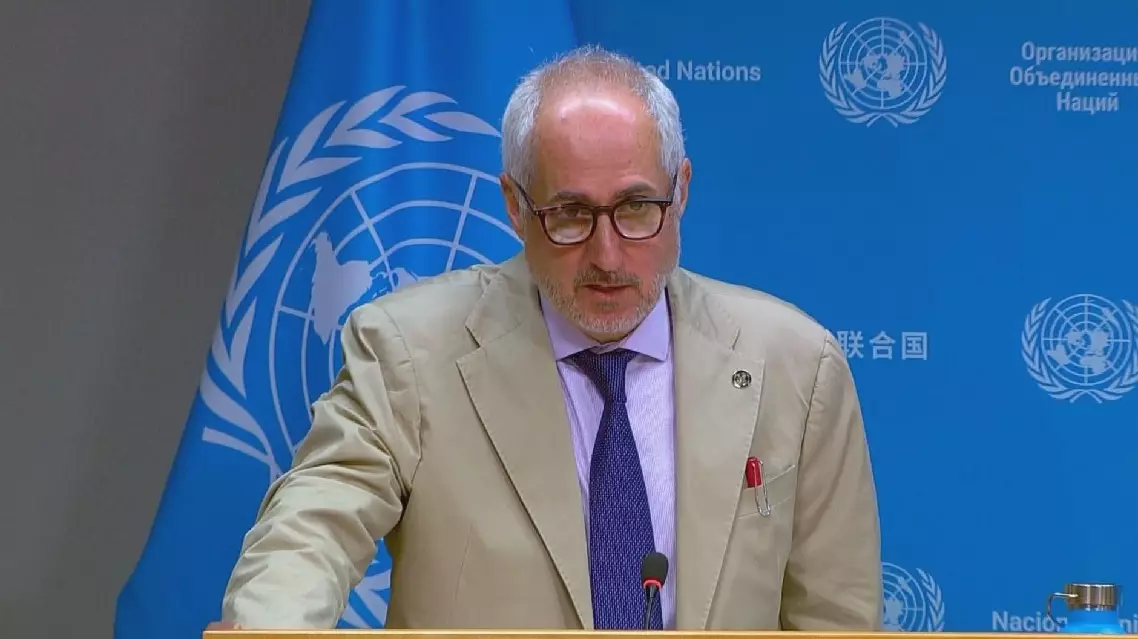
"The Secretary-General is very concerned about the increased hits on commercial shipping. And I think the latest case against the Qatari tanker, the LNG tanker, that we saw on Friday is the case we condemn firmly. And it is incumbent on all parties involved to ensure that ships can travel in and out of Strait of Hormuz freely," said Stephane Dujarric, spokesman for UN Secretary-General at a press conference.
Dujarric also said the UN has observed latest diplomatic maneuvers over the Iranian situation in the past few days, adding that it will continue to support all diplomatic efforts that contribute to bringing an end to the conflict.
UN calls on all parties to ensure freedom of navigation in Strait of Hormuz
UN calls on all parties to ensure freedom of navigation in Strait of Hormuz
UN calls on all parties to ensure freedom of navigation in Strait of Hormuz
UN calls on all parties to ensure freedom of navigation in Strait of Hormuz
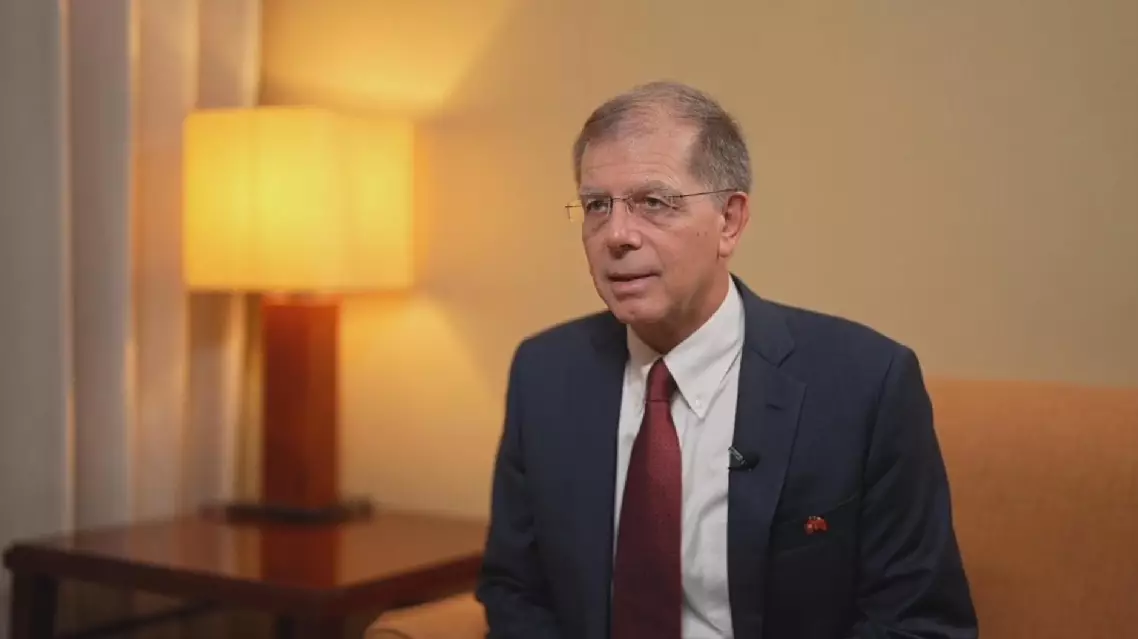
Both large and small Swiss firms stand to gain significant cost advantages following Friday's signing of a protocol to upgrade China-Switzerland free trade agreement (FTA), said Swiss Centers Delegate Nicolas Musy.
China and Switzerland signed their original FTA in 2013, and the agreement entered into force in July 2014. The two countries launched negotiations to upgrade the agreement in September 2024 and announced their completion in August 2026, after five rounds of talks.
Under the protocol, the two sides will make high-standard commitments to further opening up trade in goods, services and investment, while upgrading rules covering rules of origin, trade facilitation, technical barriers to trade, digital trade, competition, and trade and sustainable development.
Musy emphasized that the upgraded agreement comes at a crucial time as Swiss firms face intense competition from European rivals in the Chinese market.
"Swiss companies compete a lot with other Europeans, like Germans or Italians, sometimes French. And this free trade agreement is giving them, let's say, a cost advantage in China. They usually have very good products, but the products are often expensive, so this is a non-negligible factor for Swiss companies and their Chinese partners who are helping them sell or who are partnering up in joint ventures to develop products together," said Musy.
The traditional areas where Switzerland is strong are going to continue to benefit, including pharmaceuticals and chemicals, said the official.
"Traditionally, Switzerland has been selling a lot of medical products into China, but nowadays, of course, they also do some production in China, but more and more now they partner up with new companies, research companies in China who develop pharmaceutical products. Either they buy the products or they do joint ventures, the big companies, big Swiss pharma companies together with the Chinese to sell the Chinese-discovered products to the rest of the world, not only in China. So this is a new aspect," said Musy.
Switzerland's machinery sector maintains strong presence in China, where the sector is partially localized, he said, noting that smaller Swiss companies who are making instruments are developing more partnerships in China to localize their production.
Switzerland is China's seventh-largest trading partner in Europe, while China is Switzerland's largest trading partner in Asia, an official with China's Ministry of Commerce noted. Bilateral trade reached 49.04 billion U.S. dollars in 2025.
Swiss Centers is a non-profit organization serving the Swiss economy by providing adapted services for small and medium enterprises (SMEs) in entering the Chinese and the Asian markets.
Upgraded China-Switzerland FTA to give Swiss companies competitive edge in China: official