U.S. special envoy Steve Witkoff said on Monday that the United States will mediate working-level negotiations between Ukraine and Russia next week in Abu Dhabi, the capital of the United Arab Emirates.
The Office of Steve Witkoff confirmed in a post on X that negotiations are scheduled to take place on Nov. 10-11 in Abu Dhabi. Discussions will focus on post-war security arrangements, de-escalation efforts, humanitarian assistance, and the next steps toward achieving peace.
Additionally, American negotiators will meet this week in Brussels with representatives from France, Germany, Britain, the EU and NATO to discuss "security guarantees for Ukraine, Europe's post-war security architecture, and economic opportunities to support Ukraine's reconstruction", according to the post.
On Friday, Kremlin aide Yury Ushakov said in a media interview that Russia plans to hold Russia-U.S.-Ukraine trilateral talks in Abu Dhabi with the United States playing a mediating role.
He also described the upcoming talks as of "decisive significance" for resolving the Ukraine issue.
Also on Friday, Kremlin Spokesman Dmitry Peskov said that Russia had no intention to suspend its military operations in any way ahead of the talks, and that preparations for the talks did not mean Russia had committed to restricting military operations.
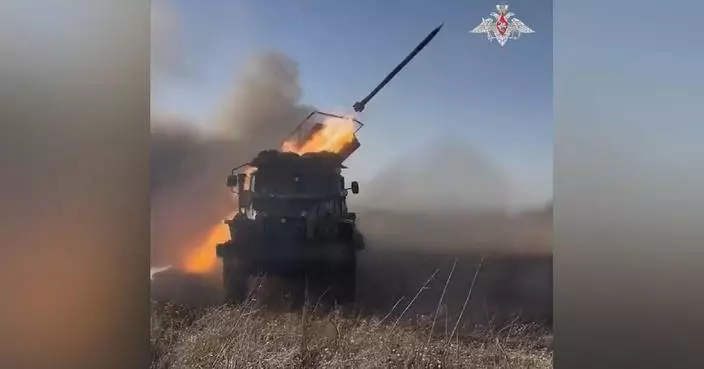
Despite the Trump administration's efforts to broker a peace deal between Russia and Ukraine, fierce fighting between the two sides continues unabated.
The previous round of trilateral talks involving Ukraine, Russia, and the United States took place in Geneva, Switzerland, in February, but ended without any major breakthrough.

U.S. to mediate new Ukraine-Russia talks in Abu Dhabi next week
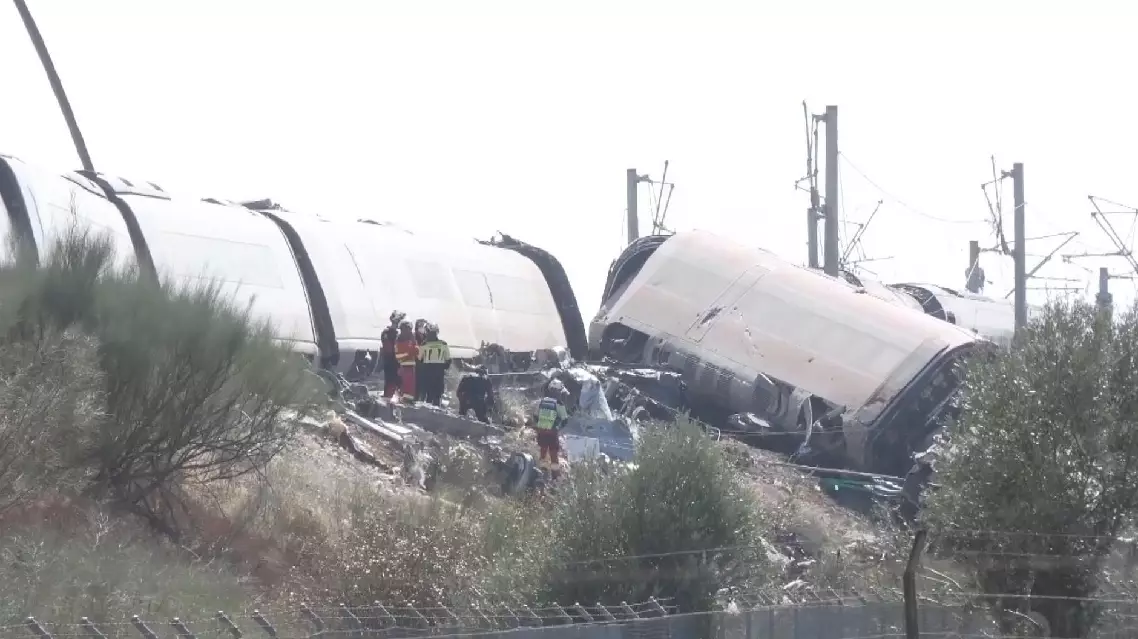
All 69 victims of last week's deadly high-speed train collision in Urda, central Spain, have been identified, while 29 injured people remain hospitalized, authorities said Monday.
Spain's Integrated Data Center (CID) confirmed that the provisional death toll remains at 69, including 54 Spanish nationals and 15 foreigners. The victims, all adults, included 40 men and 29 women.
The foreign victims included four Americans, two Australians, two Japanese and one each from Argentina, Canada, the Czech Republic, France, Mexico, Portugal and Tunisia.
The Institute of Legal Medicine and Forensic Sciences of Toledo and Ciudad Real completed the identification process. Of the 69 victims, 56 were identified through fingerprint analysis conducted by the Civil Guard's Criminalistics Service, while the remaining 13 were identified through DNA testing by the National Institute of Toxicology.
The families of all 69 victims have been notified of the identification results, while the relevant consular offices have also been informed in cases involving foreign nationals.
Meanwhile, the regional government of Castilla-La Mancha reported that 29 people injured in the collision remain hospitalized in four hospitals, including nine in intensive care units and 20 in general wards.
Of the 110 patients initially admitted to six hospitals, 81 have been discharged, according to the regional health authorities. Nine patients have been transferred to hospitals in Madrid, including one on Monday, while another has been transferred to Andalusia.
Recovery operations at the accident site have made progress. All carriages of the two trains involved in the collision, operated by Iryo and Spain's national railway operator Renfe, have now been removed from the tracks, Spanish news agency EFE reported, citing Civil Guard sources.
The carriages of the Renfe AVE train were removed overnight and transferred to a secure area, while the last two carriages of the Iryo train were cleared from the Madrid-Andalusia high-speed railway line on Monday afternoon. The Civil Guard continues to search the accident site for human remains, with around 50 officers deployed in the area, according to EFE.
All 69 victims of Spain's high-speed train collision identified