Skip to Content Facebook Feature Image

IMO says Hormuz shipping lanes remain unsafe as mines may exist

China

China

China

IMO says Hormuz shipping lanes remain unsafe as mines may exist

2026-11-03 09:19 Last Updated At:11:40

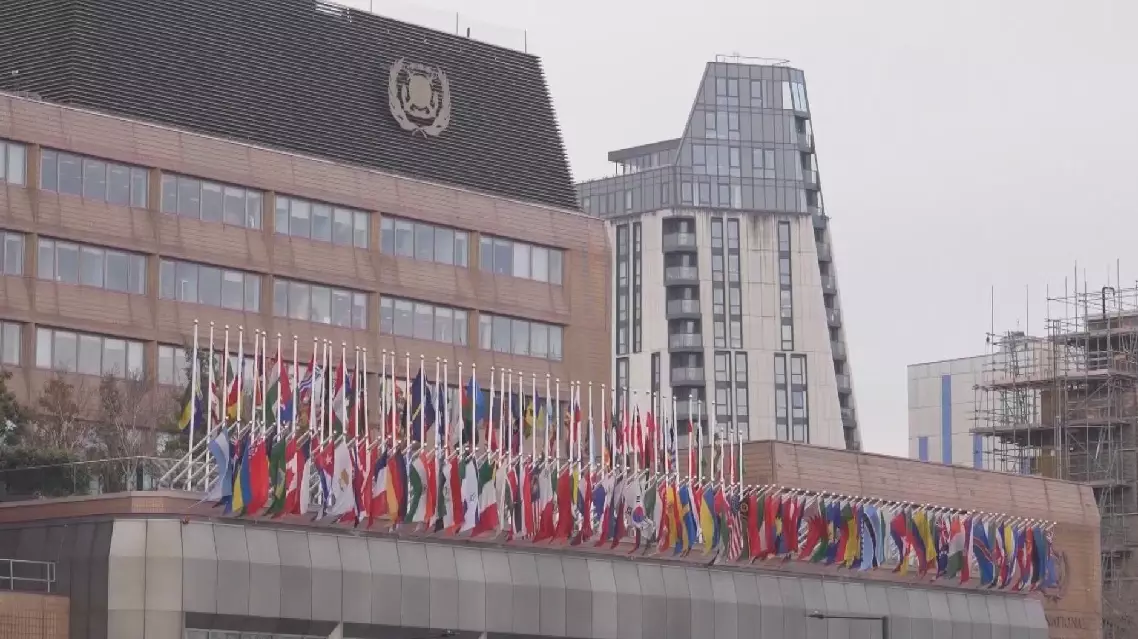
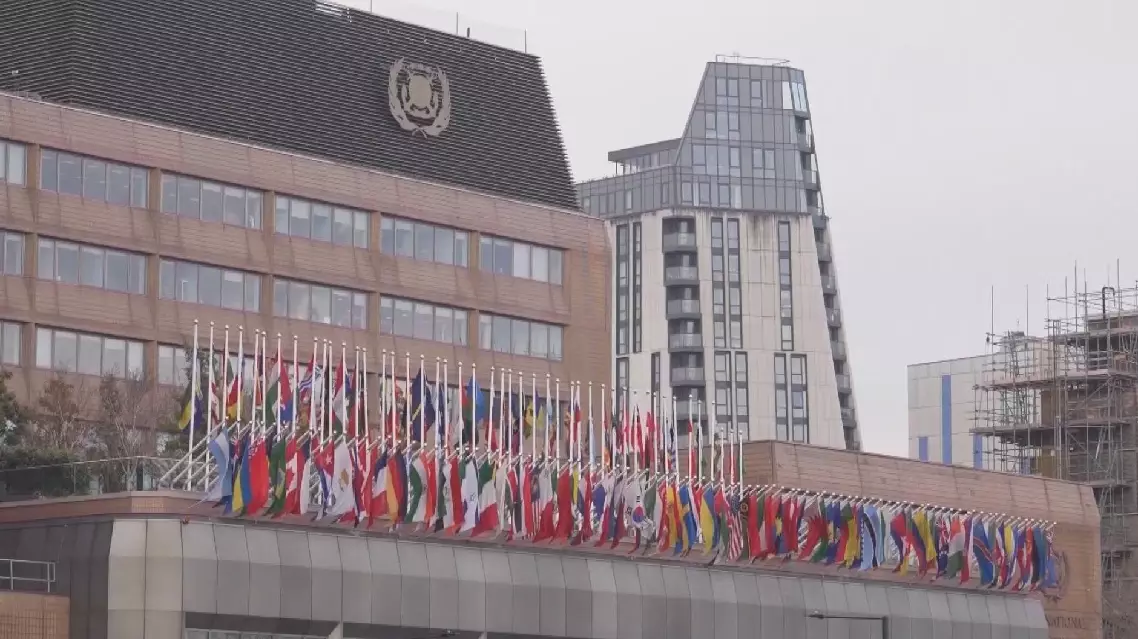
International Maritime Organization (IMO) Secretary-General Arsenio Dominguez on Monday declined to confirm that mines had been cleared from the Strait of Hormuz, warning that passage remains unsafe.

Speaking at a Question and Answer session at IMO headquarters in London, Dominguez reiterated the organization's advice against transiting the strait amid conflicting Iranian and U.S. accounts of the mine threat.

Iran has repeatedly claimed that vessels struck mines after entering "unauthorized" routes. The U.S. Central Command has denied those accounts and said it had cleared mines from the strait's international shipping lanes.

Dominguez said he had received no confirmation that the traffic separation scheme, the designated shipping lanes through the strait, had been cleared of mines.

"There's no confirmation that there are no mines in the region. So I cannot guarantee that it's safe," he said. "That's why we're not recommending anyone to go through the Strait of Hormuz."

The IMO-established traffic separation scheme is currently not in operation. Vessels still transiting the strait have been using alternative routes to the north through Iranian waters under Iranian control, or to the south near the Omani coast with U.S. naval escorts.

Dominguez said the IMO has not adopted these arrangements, so the organization can not guarantee safe passage.

He added that vessels had also been hit by unidentified projectiles. Investigations were difficult during the conflict, making it impossible to establish whether some incidents involved mines, drones or missiles.

"But that doesn't change the message that it is just not safe to go through the Strait of Hormuz," he said.

The IMO recorded about 30 attacks on ships in the strait and surrounding waters in October, making it one of the months with the highest numbers of attacks, Dominguez said. Some incidents had caused oil spills or other pollution.

Around 6,000 seafarers remained aboard approximately 350 to 400 ships in the Gulf region, he said.

The IMO has been coordinating with regional countries, the International Transport Workers' Federation and other stakeholders to provide supplies, medical care, mental health support and assistance with family communications, he added.
IMO says Hormuz shipping lanes remain unsafe as mines may exist
IMO says Hormuz shipping lanes remain unsafe as mines may exist

IMO says Hormuz shipping lanes remain unsafe as mines may exist

IMO says Hormuz shipping lanes remain unsafe as mines may exist

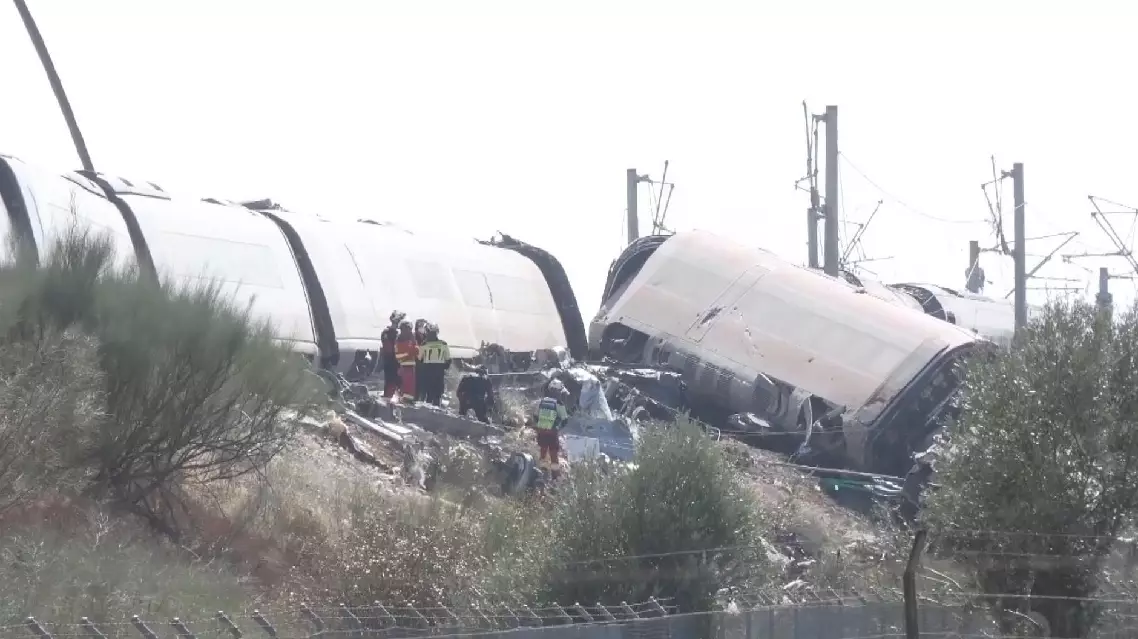
All 69 victims of last week's deadly high-speed train collision in Urda, central Spain, have been identified, while 29 injured people remain hospitalized, authorities said Monday.

Spain's Integrated Data Center (CID) confirmed that the provisional death toll remains at 69, including 54 Spanish nationals and 15 foreigners. The victims, all adults, included 40 men and 29 women.

The foreign victims included four Americans, two Australians, two Japanese and one each from Argentina, Canada, the Czech Republic, France, Mexico, Portugal and Tunisia.

The Institute of Legal Medicine and Forensic Sciences of Toledo and Ciudad Real completed the identification process. Of the 69 victims, 56 were identified through fingerprint analysis conducted by the Civil Guard's Criminalistics Service, while the remaining 13 were identified through DNA testing by the National Institute of Toxicology.

The families of all 69 victims have been notified of the identification results, while the relevant consular offices have also been informed in cases involving foreign nationals.

Meanwhile, the regional government of Castilla-La Mancha reported that 29 people injured in the collision remain hospitalized in four hospitals, including nine in intensive care units and 20 in general wards.

Of the 110 patients initially admitted to six hospitals, 81 have been discharged, according to the regional health authorities. Nine patients have been transferred to hospitals in Madrid, including one on Monday, while another has been transferred to Andalusia.

Recovery operations at the accident site have made progress. All carriages of the two trains involved in the collision, operated by Iryo and Spain's national railway operator Renfe, have now been removed from the tracks, Spanish news agency EFE reported, citing Civil Guard sources.

The carriages of the Renfe AVE train were removed overnight and transferred to a secure area, while the last two carriages of the Iryo train were cleared from the Madrid-Andalusia high-speed railway line on Monday afternoon. The Civil Guard continues to search the accident site for human remains, with around 50 officers deployed in the area, according to EFE.

All 69 victims of Spain's high-speed train collision identified

All 69 victims of Spain's high-speed train collision identified

Recommended Articles