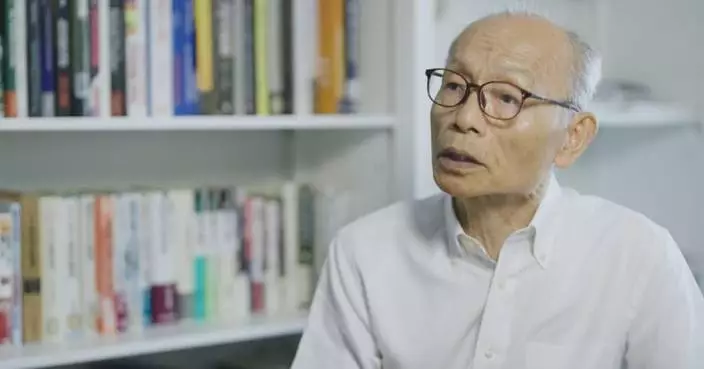
The Japanese government is responsible for the disposal of the abandoned chemical weapons in China, said Shizuyo Yamauchi, a Japanese researcher.
Shizuyo Yamauchi is the head of the Poison Gas Island Historical Research Institute, a Japanese civic organization that works to preserve and share the history of Okunoshima Island. She and her husband Masayuki Yamauchi have been committed to the cause of peace education while investigating the history of the island.
Okunoshima, a small island covering only about 0.7 square kilometers in the Seto Inland Sea of Japan, is known today as "rabbit island" for the wild rabbits roaming across it, attracting tourists from Japan and abroad.
But during wartime, the island was a major hub operated by the Imperial Japanese Army to manufacture poison gas, where chemical warfare agents were produced and used to inflict suffering on countless innocent people. It was, in reality, a "poison gas island."
During Japan's invasion of China, Shizuyo Yamauchi's father was conscripted and sent to China as a medic. After his discharge, he came to Okunoshima to serve as a guard. At the time, the production of poison gas on the island was a highly guarded secret and he was required to inspect the workers' personal belongings.
"I was born in 1948, and throughout my childhood, I never heard my father speak about the experiences behind this. I often saw him buy something called an 'inhaler' and use it to spray steam into his throat. I often witnessed him coughing violently at night, clearly in great distress. Yet, he never told us the reason," she said.
Most of the poison gas produced on Okunoshima was transported to China and used on battlefields, causing large numbers of casualties among Chinese military personnel and civilians. Some chemical shells were abandoned in China, where they have continued to pose a threat to local residents.
Drawing on her father's experiences, Shizuyo Yamauchi began an in-depth investigation into the history of the island. This inquiry gradually led the couple to turn their attention to China. They traveled to China to meet victims harmed by chemical weapons abandoned by Japan and they also invited the victims to visit Japan.
"A victim, a doctor in China at the time, was asked to examine a canister unearthed at a factory. During the inspection, he inhaled toxic substances from it and fell into a coma, while hospital staff also suffered various injuries as a result. Now that the Chemical Weapons Convention is in effect, Japan is required to complete the destruction of the abandoned chemical weapons in China. The Japanese government bears responsibility for the war and must, as soon as possible, restore the affected areas contaminated by these abandoned chemical weapons to a state of clean water and soil," Shizuyo Yamauchi said.
Japan established a comprehensive system for chemical warfare during the war. The facility on Okunoshima produced poison gas; the Sone Manufacturing Plant in Kyushu was responsible for filling chemical agents into shells; the Narashino Army School in Chiba Prefecture trained personnel for chemical warfare.
Japan's production and use of chemical weapons violated the Geneva Protocol. To conceal its activities, the Japanese military kept the construction and operation of the poison gas facility on Okunoshima secret throughout the war.
According to the Okunoshima Poison Gas Museum, the island was under round-the-clock security. On trains traveling along the coast opposite the island, windows facing the sea had to be covered. At one point, Okunoshima was even removed from maps.
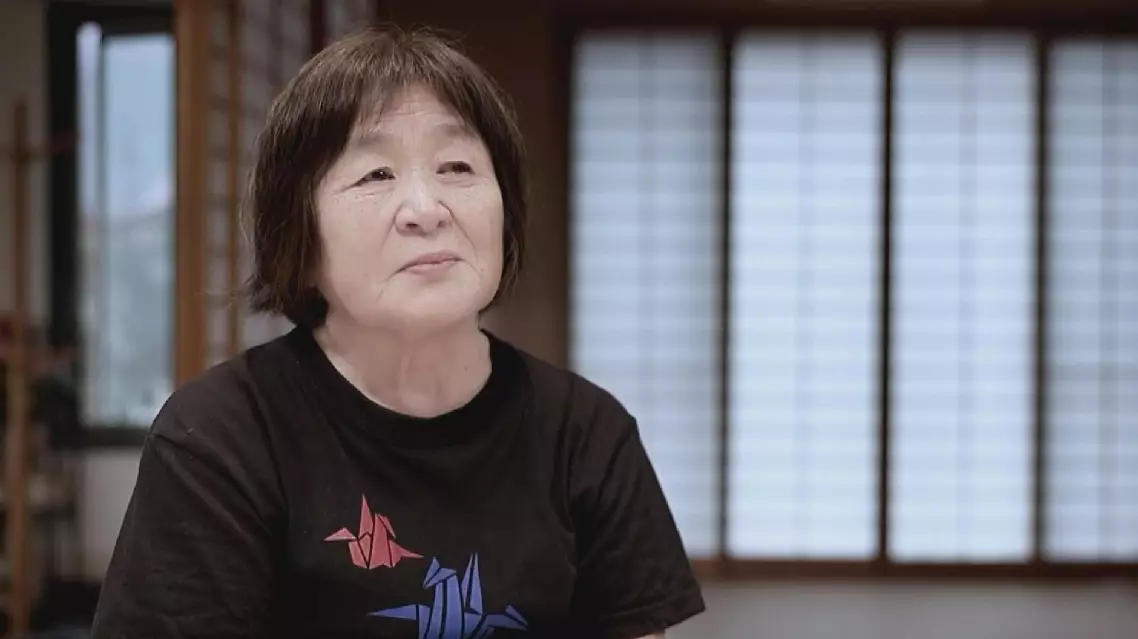
Japanese gov't responsible for disposal of abandoned chemical weapons in China: researcher