Twenty crested ibises were released into the wild on Sunday in the Xiaolongshan forest area of northwest China's Gansu Province, marking China's westernmost and highest-altitude release of the species to date.
The birds were bred at the Longmen Forest Farm's crested ibis ecological park in Tianshui, where the population has grown from 20 introduced in 2023 to 50 today. The release marks Gansu's first wild-release effort and a milestone in establishing high-altitude populations of the species.
The release used a "soft release" method, in which the birds were moved to an acclimation cage more than 20 days in advance. The cage is designed to help them gradually adapt to the wild, with food reduced inside and feeding stations set up outside.
The 20 birds were selected after rigorous health and ability checks, including flight, foraging, and predator-avoidance skills. The group includes adult, sub-adult, and young birds to ensure genetic diversity.
The Xiaolongshan forest, located at the western end of the Qinling Mountains, offers a complex habitat of mountains, streams, wetlands, and forests -- ideal for the species.
The release site sits at over 1,500 meters above sea level, posing challenges such as long, cold winters. A monitoring team will track the birds around the clock and intervene if needed.
Conservationists hope the birds will establish a self-sustaining population in the region.
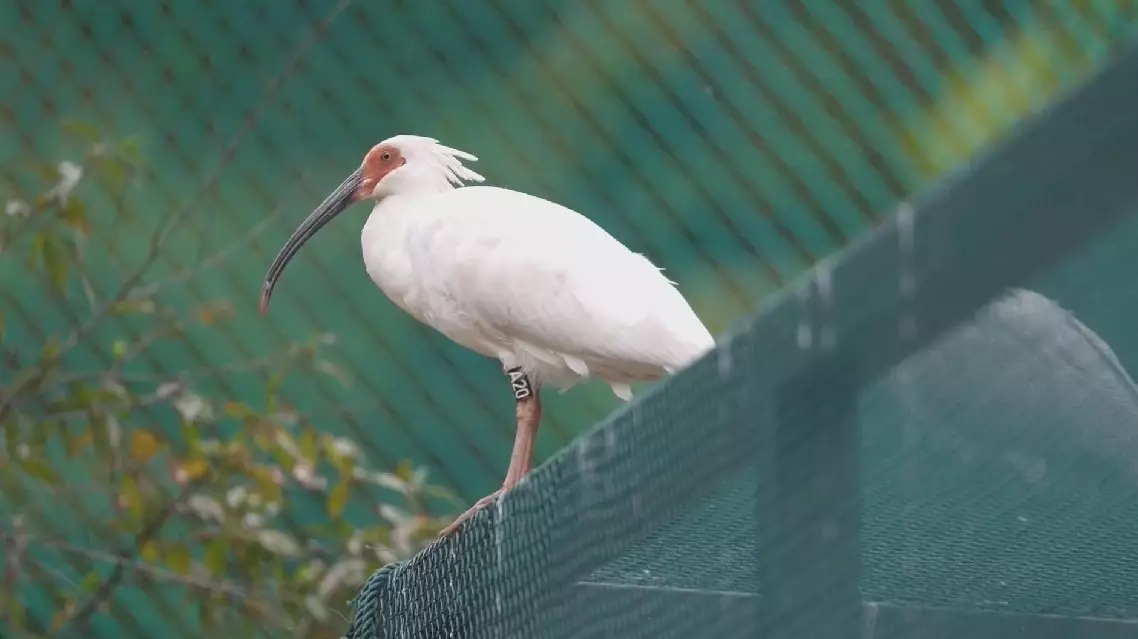
China releases 20 crested ibises in monumental high-altitude conservation effort
China will further improve its inspection, testing and certification system during the 15th Five-Year Plan period (2026-2030) by boosting the sector's credibility and strengthening its support for industry, a government official said on Sunday.
Speaking at a press conference on the new five-year plan, Shu Wei, deputy administrator of the State Administration for Market Regulation (SAMR), outlined a series of measures to tighten oversight of the sector.
On the credibility front, authorities will deepen reform of the qualification approval system for inspection and testing institutions by introducing a "one list, one database" management approach to strictly control the market entry, Shu said.
Long-term mechanisms will be established to combat fake certification and the buying and selling of certificates, with severe penalties for issuing false reports or conducting tests beyond approved scopes, Shu said.
A traceability and verification system for inspection and testing reports will also be built with unified coding, allowing reports to be looked up with a single code and traced through a single number, he said.
In terms of industrial support, certification will be promoted in key sectors such as Beidou navigation and integrated circuits, alongside the development of national-level quality inspection public service platforms, the official said.
Testing capabilities will be upgraded in areas including core basic components and other foundational industrial equipment, Shu said.
During the five-year period, China plans to build no fewer than 30 national quality inspection centers and no less than 300 public service platforms for inspection and testing, he said.
The official said the reforms are also aimed at facilitating China's trade with the rest of the world.
"Inspection, testing, certification and accreditation can help enterprises and products enter international markets smoothly, which is why they are known as the 'passport' for international trade. We will strengthen the international alignment of testing and certification results, so that one evaluation can gain recognition from multiple countries, helping Chinese products go global," he said.
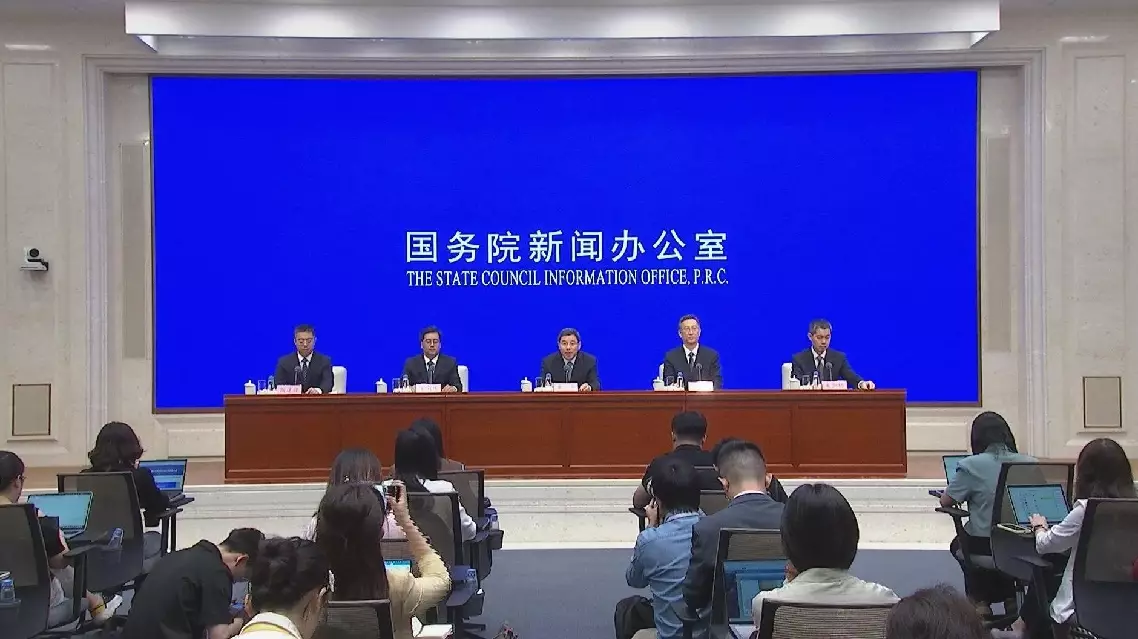
China to further improve inspection, testing, certification system during 15th Five-Year Plan Period: official