One consequence of the Iran war has been major turmoil to the international sports calendar and Formula 1 is no different. Even so, F1 is racing this week in Azerbaijan, which borders Iran.
The Baku City Circuit hosting Saturday's race is around 105 miles (170 kilometers) from the nearest point on Azerbaijan's southern border with Iran. That's closer than the tracks in Bahrain and Saudi Arabia which had races called off earlier this year.
Here's a closer look at the security concerns in Azerbaijan and other countries near Iran, what that could mean for F1 this year and in 2027, and why F1 is racing on a Saturday.
Azerbaijan has been less directly affected by the Iran war than the Gulf nations, many of which host major U.S. military bases and were targeted by Iranian strikes.
In March, Azerbaijan blamed Iran for a drone strike which injured four civilians and damaged an airport building in the exclave of Nakchivan. The Iranian military denied launching a drone. The incident didn't lead to any major military escalation.
F1's headquarters are in London and many teams and staff are based in Britain, which means British travel advice is influential in the paddock.
Britain advises against travel to Azerbaijan's border with Armenia or areas affected by armed conflict in the past — especially because of a risk of landmines — but those areas aren't near the capital, Baku. The British advice mentions “a heightened risk of regional tension” but doesn't mention Iranian attacks or any need to seek shelter, as it does for Gulf nations like Bahrain and Saudi Arabia.
F1 relies heavily on air cargo to ship thousands of parts and tires — and of course drivers and team staff — around the world on a schedule with almost no margin for delays.
The Iran war has made Azerbaijan's airspace some of the busiest in the world. Airlines use it to take a route around the north of Iran while avoiding Russia, which closed its airspace to dozens of European and U.S. airlines in 2022.
That air access is especially valuable for F1 because Azerbaijan is now the first in a run of three races in three weeks, meaning a tight turnaround for staff and cargo.
F1 has slotted in a replacement race in Malaysia for next week, still with Bahrain Grand Prix branding, ahead of the Singapore Grand Prix the week after.
Azerbaijan is marking 10 years since its first F1 race but this year's event is a little different.
The Azerbaijan Grand Prix is taking place on a Saturday because Sunday is a national holiday, Remembrance Day. F1 said last year that “government stakeholders” and the race's promoter asked for the event to be moved. Practice will be Thursday and qualifying Friday.
Sept. 27 is the anniversary of the date in 2020 when fighting broke out over the region of Karabakh, internationally known as Nagorno-Karabakh and controlled at the time by ethnic Armenian forces. Azerbaijan later re took full control of the region in 2023.
F1 has indicated it still plans to race in Qatar in November and Abu Dhabi in December if possible, but has also explored backup options. A replacement race at Italy's Imola circuit is the likeliest alternative.
Any problems with those races could have an immediate impact on next year's schedule, too. F1 announced last week Bahrain will host the season-opening race in March, as well as preseason testing.
Still, two other world championships governed by the FIA have abandoned plans to race in the Middle East this year.
The World Rally Championship last week canceled its season-ending event in Saudi Arabia after travel concerns from teams. The World Endurance Championship in July canceled races in Bahrain and Qatar and replaced them with European venues.
See AP’s full auto racing coverage here
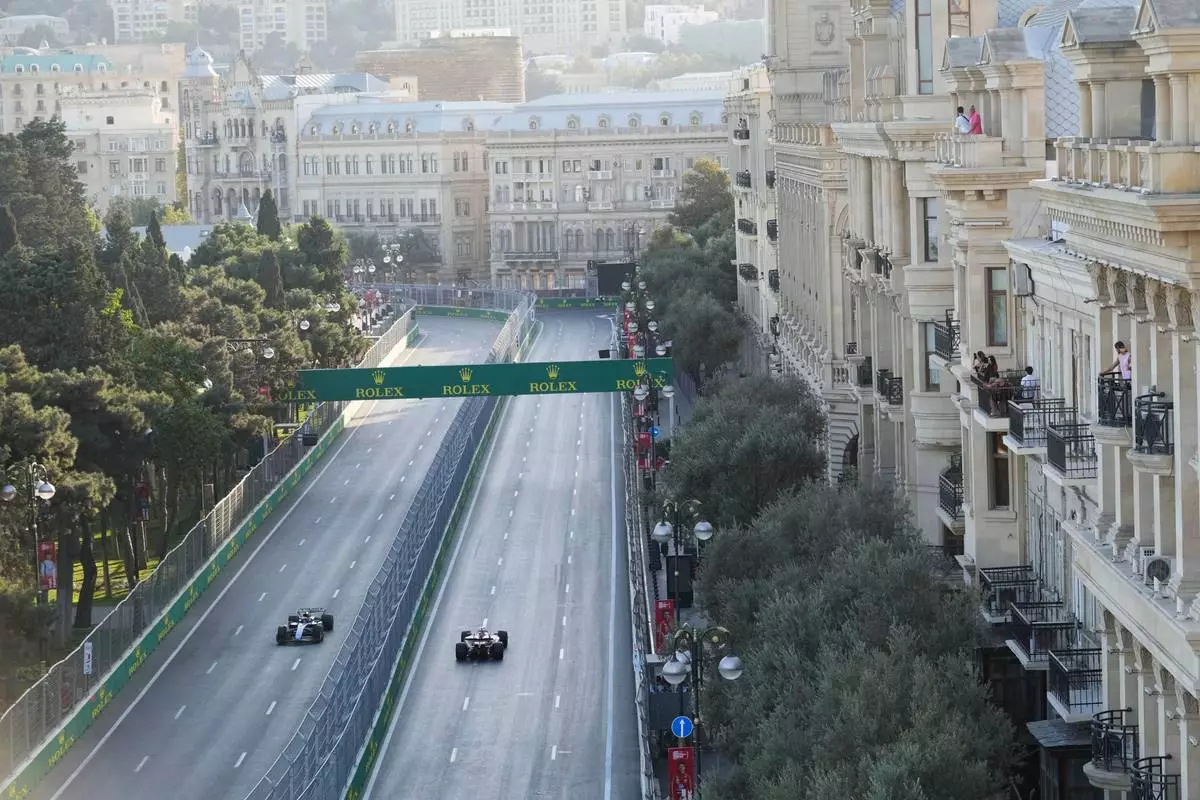
FILE - People watch a Formula One Grand Prix practice from their balconies in Baku, Azerbaijan, on Friday, Sept. 13, 2024. (AP Photo/Sergei Grits, File)
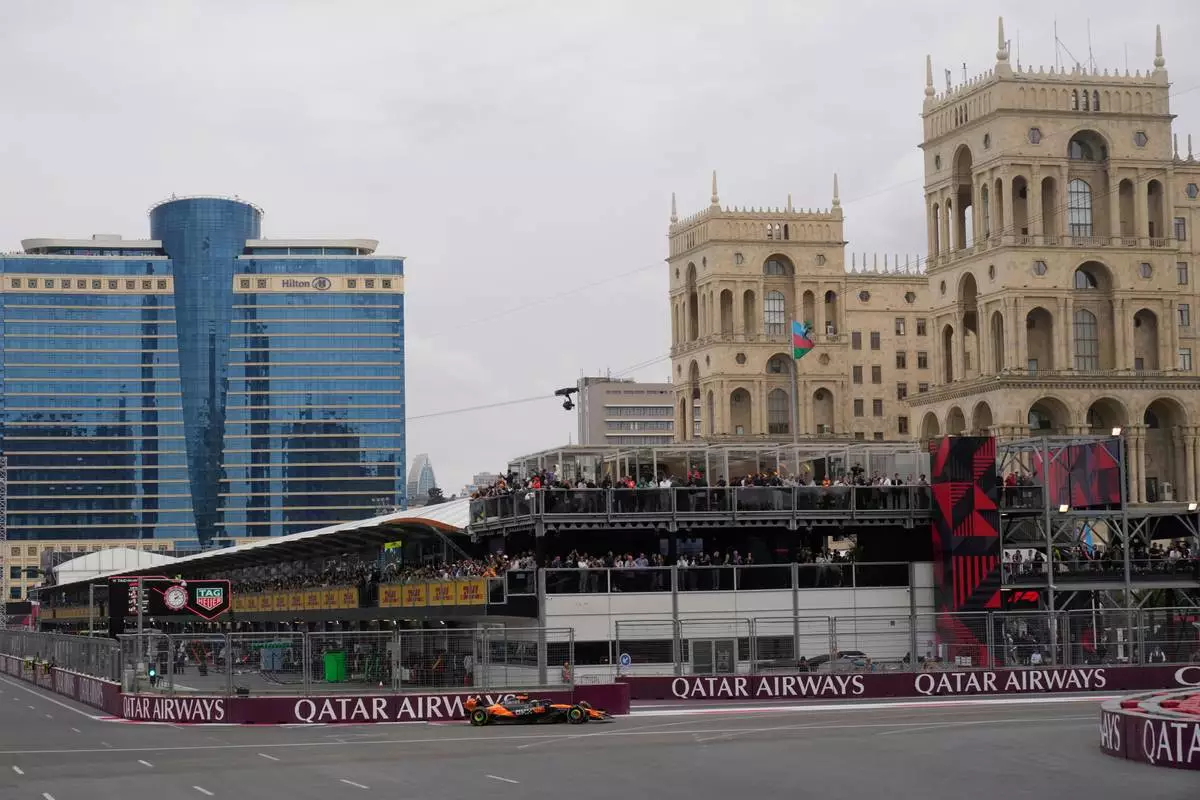
FILE - McLaren driver Lando Norris of Britain in action during the Azerbaijan Formula One Grand Prix in Baku, Azerbaijan, Sunday, Sept. 21, 2025. (AP Photo/Darko Bandic, File)
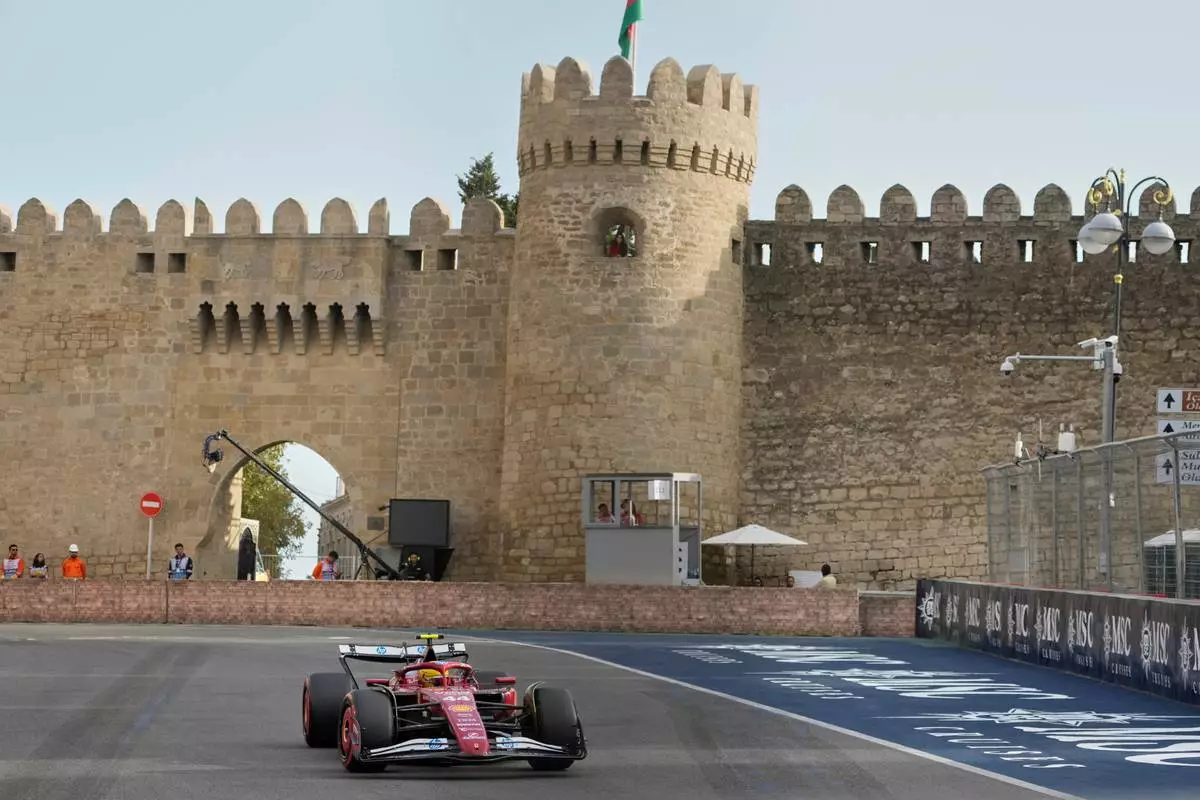
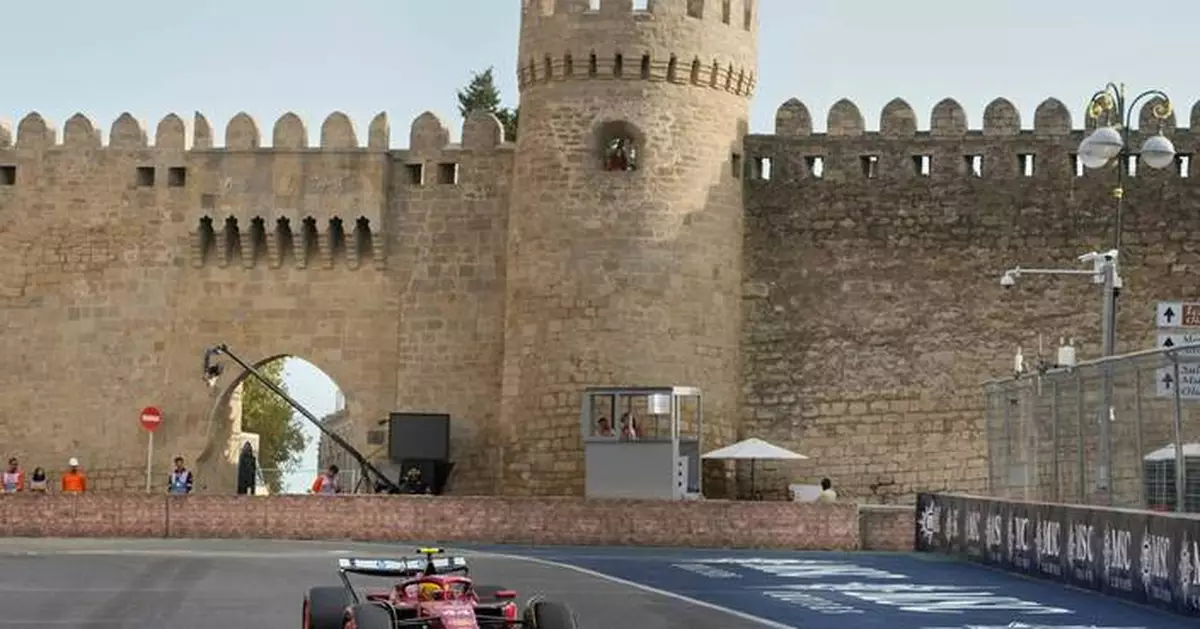
FILE - Ferrari driver Lewis Hamilton of Britain in action during the second practice for the Azerbaijan Formula One Grand Prix in Baku, Azerbaijan, Friday, Sept. 19, 2025. (AP Photo/Darko Bandic, File)