Skip to Content Facebook Feature Image

Yemen’s factions battling Iran-backed Houthis share a common enemy but not common goals

News

Yemen’s factions battling Iran-backed Houthis share a common enemy but not common goals
News

News

Yemen’s factions battling Iran-backed Houthis share a common enemy but not common goals

2026-09-23 20:42 Last Updated At:21:00

CAIRO (AP) — Yemeni factions fighting the Iran-backed Houthis are united mainly in one thing — their opposition to the rebels who control the country’s north and have recently advanced along its Red Sea coastline.

But beyond that, the groups fighting under the banner of Yemen's internationally recognized government are divided by geography, foreign patronage and competing visions for what their country should look like if the Houthis are pushed back.

More Images
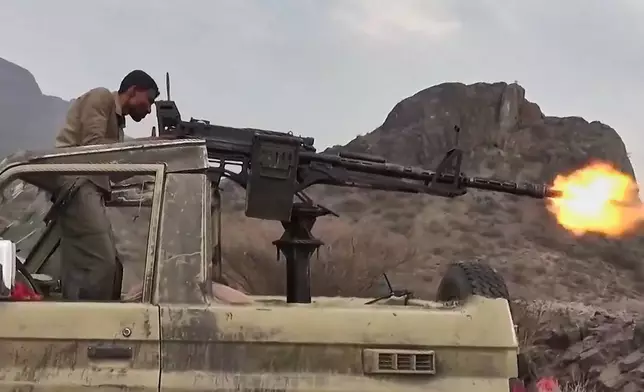
This image taken from undated video released by the Ansar Allah Media Office, the media arm of Yemen's Houthi rebels, on Tuesday, Sept. 22, 2026, shows what the group says is a Houthi fighter firing a vehicle-mounted machine gun at Saudi-backed forces in Yemen. (Ansar Allah Media Office via AP)
This image taken from undated video released by the Ansar Allah Media Office, the media arm of Yemen's Houthi rebels, on Tuesday, Sept. 22, 2026, shows what the group says is a Houthi fighter firing a vehicle-mounted machine gun at Saudi-backed forces in Yemen. (Ansar Allah Media Office via AP)

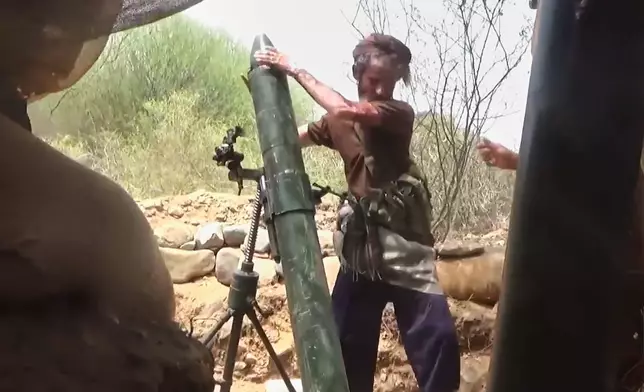
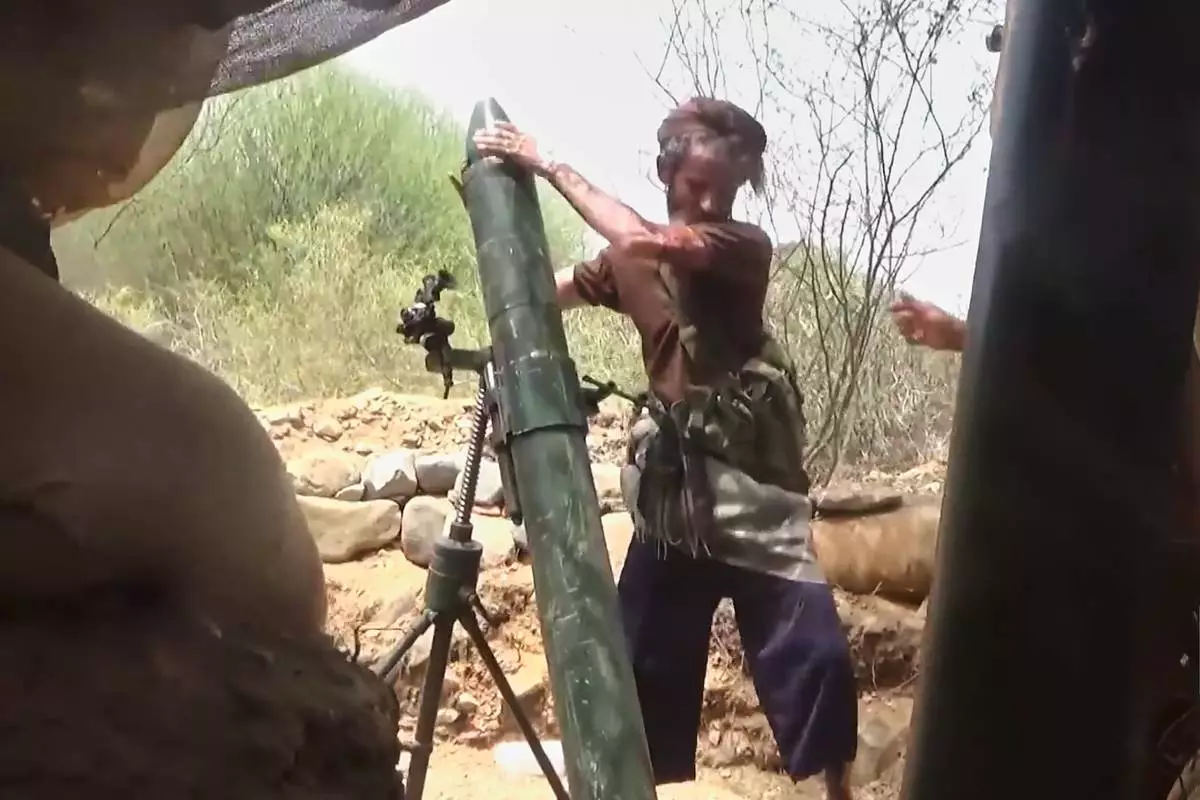
This image taken from undated video released by the Ansar Allah Media Office, the media arm of Yemen's Houthi rebels, on Tuesday, Sept. 22, 2026, shows what the group says is a Houthi fighter firing a mortar during clashes with Saudi-backed forces at an undisclosed location in Yemen. (Ansar Allah Media Office via AP)
This image taken from undated video released by the Ansar Allah Media Office, the media arm of Yemen's Houthi rebels, on Tuesday, Sept. 22, 2026, shows what the group says is a Houthi fighter firing a mortar during clashes with Saudi-backed forces at an undisclosed location in Yemen. (Ansar Allah Media Office via AP)

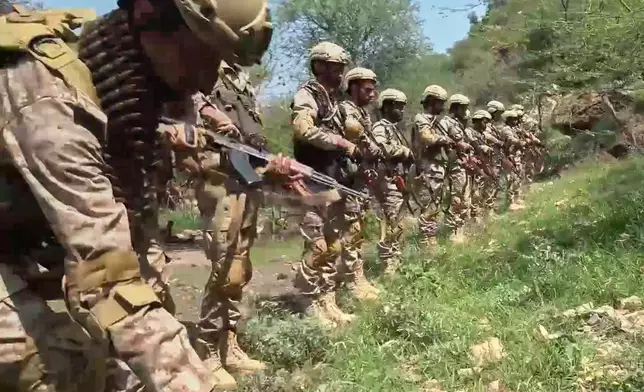
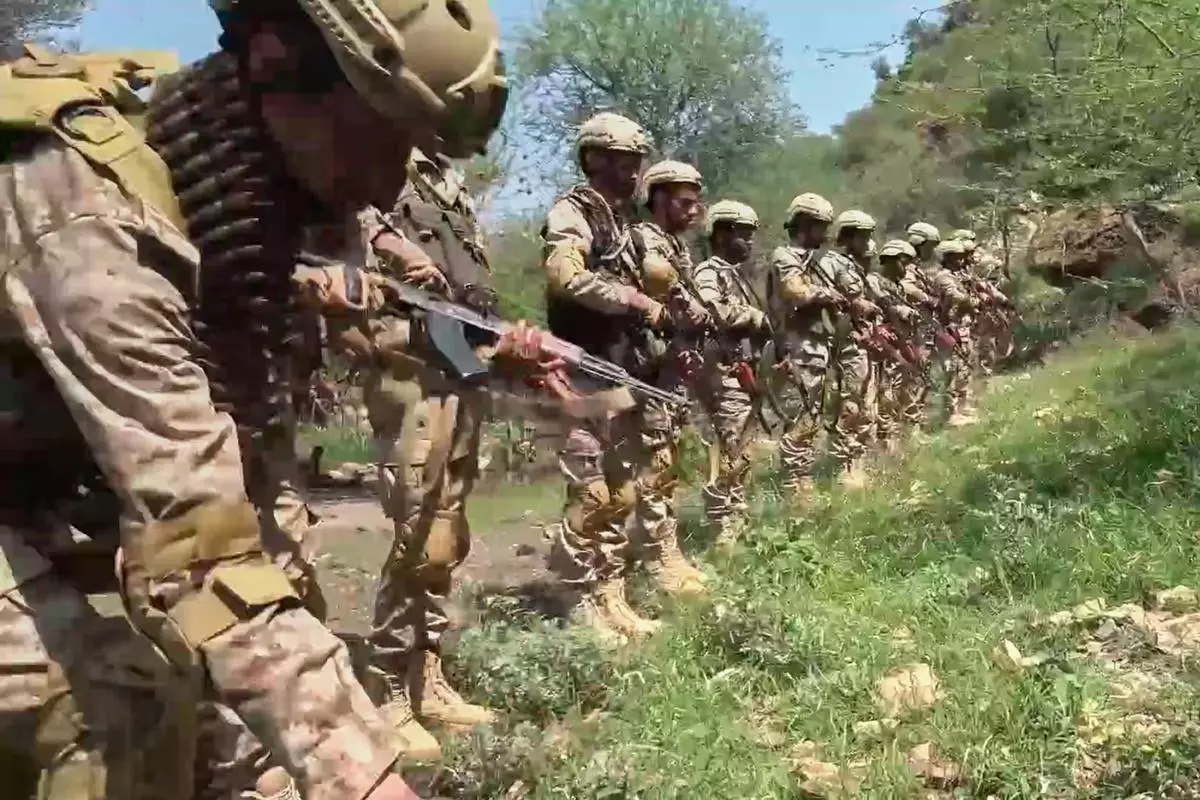
This image taken from undated video released by the Ansar Allah Media Office, the media arm of Yemen's Houthi rebels, on Tuesday, Sept. 22, 2026, shows what the group says are Houthi fighters standing in formation in an area of clashes with Saudi-backed forces in Yemen. (Ansar Allah Media Office via AP)
This image taken from undated video released by the Ansar Allah Media Office, the media arm of Yemen's Houthi rebels, on Tuesday, Sept. 22, 2026, shows what the group says are Houthi fighters standing in formation in an area of clashes with Saudi-backed forces in Yemen. (Ansar Allah Media Office via AP)

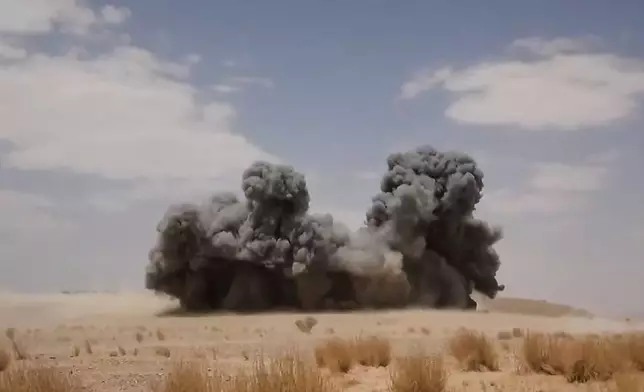
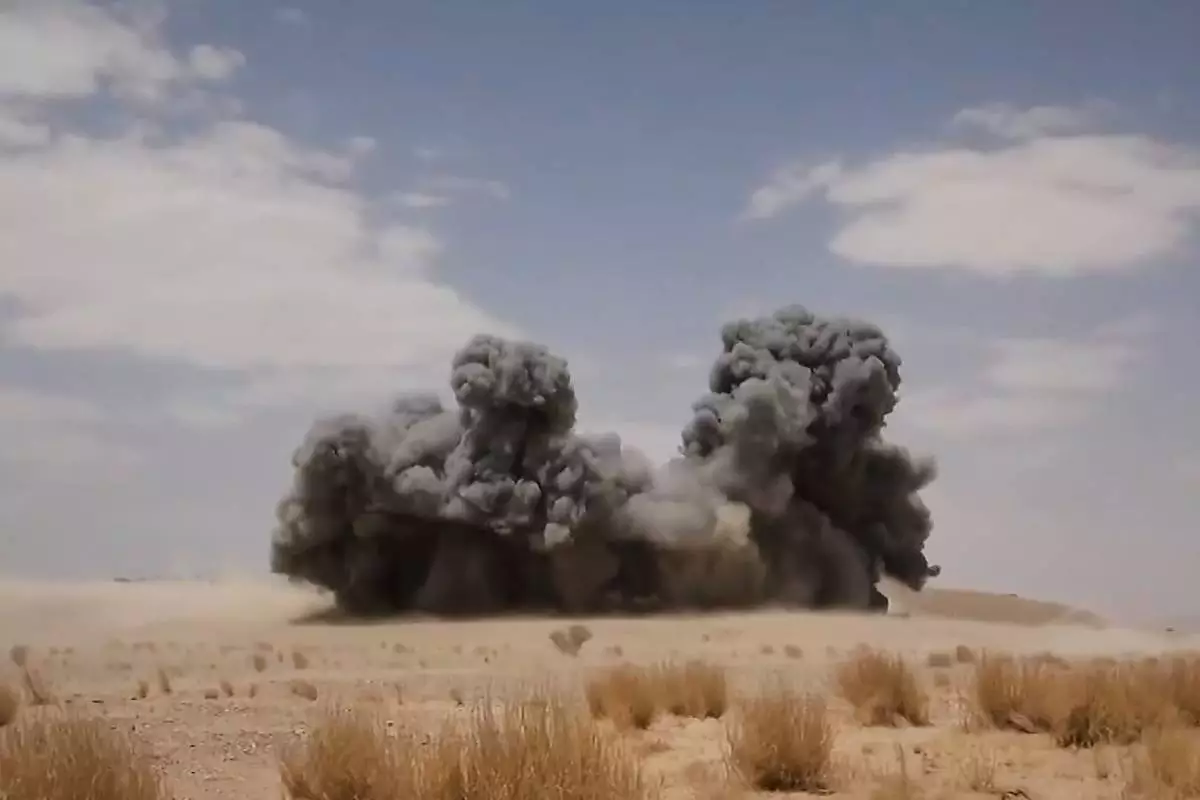
This image taken from undated video released by the Ansar Allah Media Office, the media arm of Yemen's Houthi rebels, on Wednesday, Sept. 9, 2026, shows a smoke from a wide explosion following what the Houthis described as an attack on Saudi-backed forces in eastern Jawf province, Yemen. (Ansar Allah Media Office via AP)
This image taken from undated video released by the Ansar Allah Media Office, the media arm of Yemen's Houthi rebels, on Wednesday, Sept. 9, 2026, shows a smoke from a wide explosion following what the Houthis described as an attack on Saudi-backed forces in eastern Jawf province, Yemen. (Ansar Allah Media Office via AP)

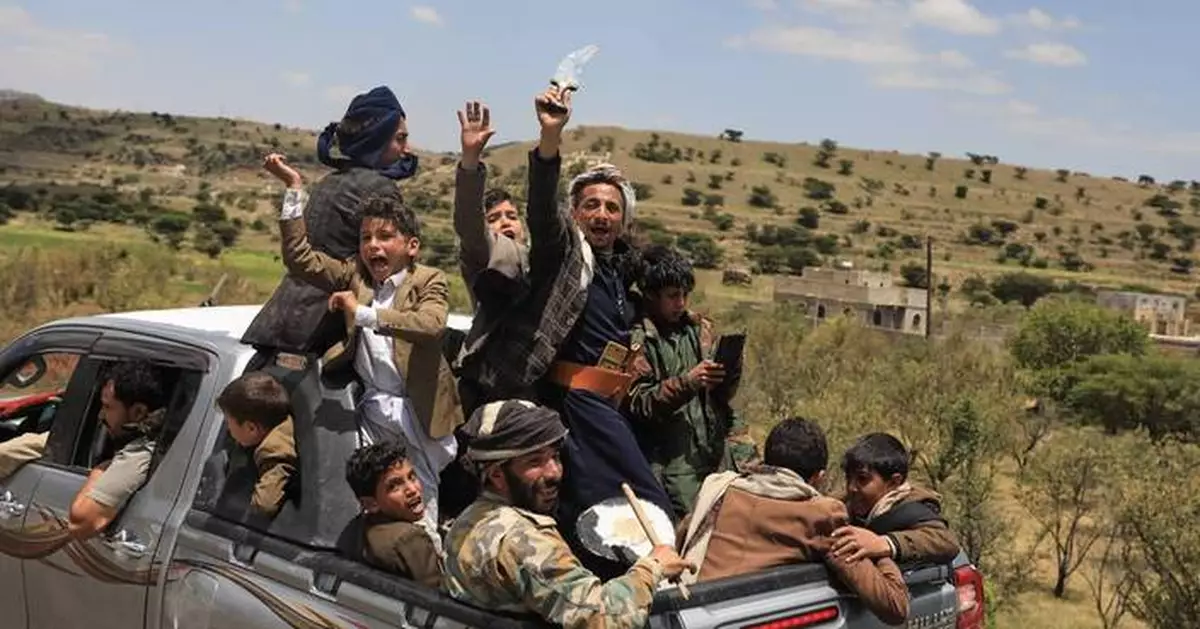
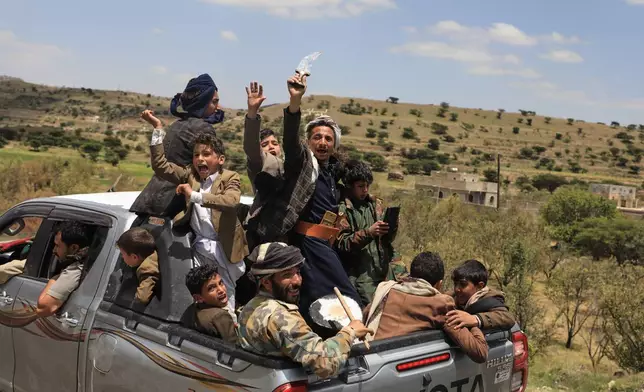
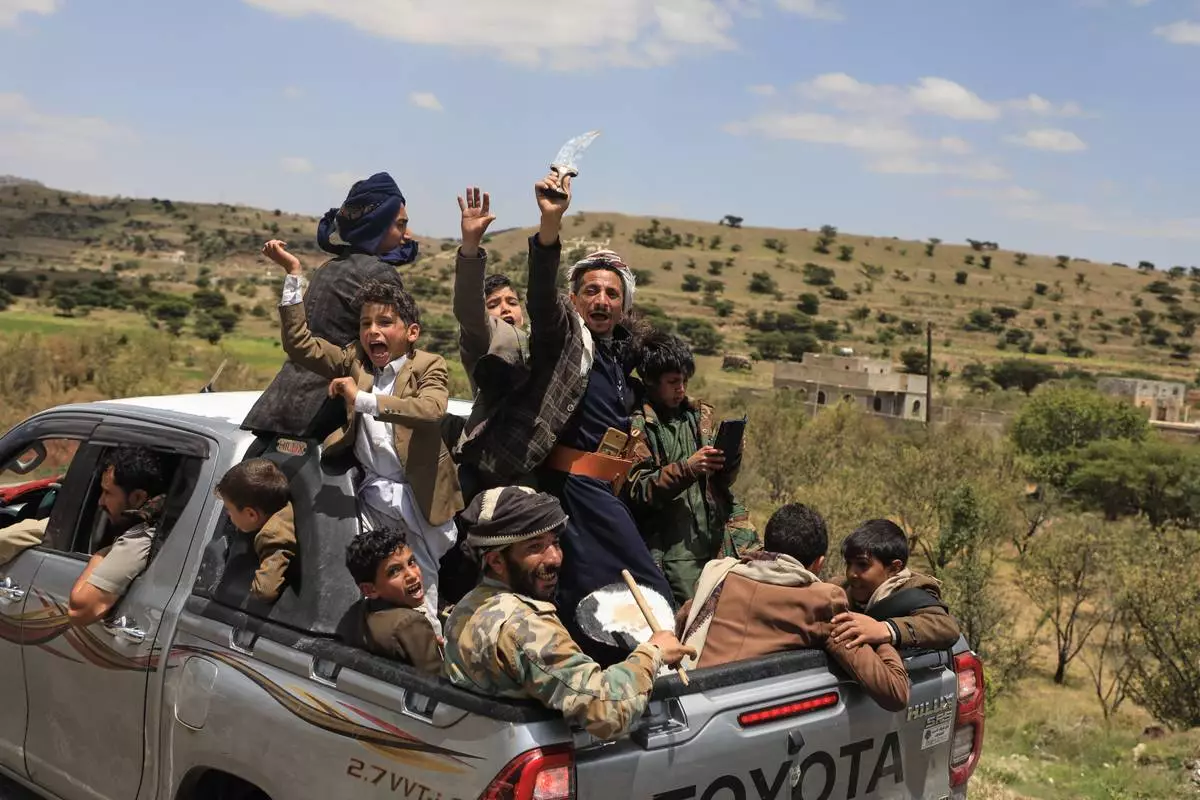
Yemeni civilians celebrate while riding in the back of a pickup truck in the Bani Matar district, Yemen, Saturday, Sept. 12, 2026, as they follow a convoy carrying Houthi prisoners freed in Mokha on its way to Sanaa following the Houthi takeover of the southern Red Sea port city. (AP Photo/STR)

Yemeni civilians celebrate while riding in the back of a pickup truck in the Bani Matar district, Yemen, Saturday, Sept. 12, 2026, as they follow a convoy carrying Houthi prisoners freed in Mokha on its way to Sanaa following the Houthi takeover of the southern Red Sea port city. (AP Photo/STR)

In a month of intense fighting that saw the Houthis' biggest land grab in years, factions of the anti-Houthi coalition lost their hold of Mokha, a strategic city on the Red Sea, and islands in the Bab el-Mandeb Strait further south. The advance ended a truce that had been in place since 2022 and had calmed a devastating civil war.

Neighboring Saudi Arabia is trying to weld the factions — amounting to thousands of fighters — into a more unified force, but their divisions have raised questions about their ability to halt the Houthi offensive that now has the rebels perched on one of the world’s busiest waterways.

The Houthis' unified command and goals have helped their swift expansion, rather than any single military advantage, said Adam Baron, a fellow at New America, a Washington-based think tank.

“For the Houthis, that makes it so much easier to fight this battle: one coherent movement on one side, and a loosely linked umbrella group on the other,” he said.

Here is what we know about the anti-Houthi factions:

Saudi Arabia formed a coalition to fight the Houthis in 2015, a year after the rebels overran the Yemeni capital, Sanaa, and much of the country's north, driving the government into the south.

In the south, an array of militias and armed groups arose over the years, ostensibly to back the government against the rebels.

Over the years, rivalries grew between Saudi-backed factions and others backed by the United Arab Emirates, as the two regional powerhouses competed for control over the coalition as well as Yemen’s coastal regions overlooking strategic shipping lanes.

The factions repeatedly clashed on the ground. After Emirati-backed southern separatist factions intensified clashes last year, Saudi Arabia carried out airstrikes against a suspected Emirati weapons shipment to southern Yemen. In January, the UAE said it pulled out of Yemen’s war, ending its support for factions on the ground.

Now as a single patron, Saudi Arabia is trying to absorb under its command and funding structure the factions that spent years operating with other loyalties. Some commanders have been reluctant to give up autonomy and their own revenue sources.

A main faction is the National Resistance Forces, established in 2017 and long backed by the UAE. With an estimated 30,000 fighters, it has been considered one of the best-armed factions, according to the Washington-based Middle East Institute.

It was the main group holding Yemen’s Red Sea coast but not the only one.

The Giants Brigades was also part of the command overseeing the coast. Also once funded by the UAE, it broke with other Emirati allies last year and is now backed by the Saudis.

Mistrust between the two runs deep. The National Resistance Forces is made up largely of Yemenis from the north, led by a commander related to the country’s former autocrat, Ali Abdullah Saleh, who died at the hands of the Houthis in 2017. The Giants Brigades is dominated by tribesmen from the south who are mostly Salafis — an ultraconservative movement within Sunni Islam — and who hold bitter memories of Saleh’s rule.

Officials say leadership disputes and lack of coordination between the factions were a major factor in their defeat by the Houthis as they moved along the coast.

Saudi Arabia also has been trying to build an umbrella group to unify Yemeni factions, called the National Shield. Established in January 2023, it reports to Rashad al-Alimi, the Saudi-based chairman of the Presidential Council, the leadership body of Yemen’s internationally recognized government.

The National Shield is dominated by Salafi fighters with close ties to Saudi Arabia. It also includes tribal fighters, with some absorbed from the previously UAE-backed separatists.

Composed of three divisions with tens of thousands of fighters, it operates in the sprawling central province of Hadramawt and areas in southern and eastern Yemen. The group also controls Yemen’s main land borders with Saudi Arabia and Oman.

The National Shield is not yet trying to bring the National Resistance and Giants into its forces.

There is also an official Yemeni government military. But it was weakened for years by the UAE, which saw it as too close to Yemen’s branch of the Muslim Brotherhood, the Islah party. Instead, the UAE built a network of other groups as proxies.

Now, army forces as well as Islah-connected armed groups are stationed in the oil-rich region of Marib, one of the current front lines with the Houthis.

For years, one of the strongest forces against the Houthis was the Southern Transitional Council, an umbrella group of armed factions that sought to restore southern Yemen as an independent country, as it was from 1967-1990.

The UAE funded and armed the council, which fought the Houthis but also frequently clashed with the government, based in the southern port city of Aden.

The council's leadership was dismantled in January when the UAE quit Yemen. But its cause still has supporters, and earlier this month, a group of them attacked a convoy of the Yemeni defense minister, Lt. Gen. Taher al-Aqili, in the southern province of Dhale. The minister was unhurt.

Overall, the renewed fighting risks a full-scale return to the civil war that killed more than 150,000 people and forced millions from their homes. Already, nearly 130,000 people have been newly displaced and hundreds killed.
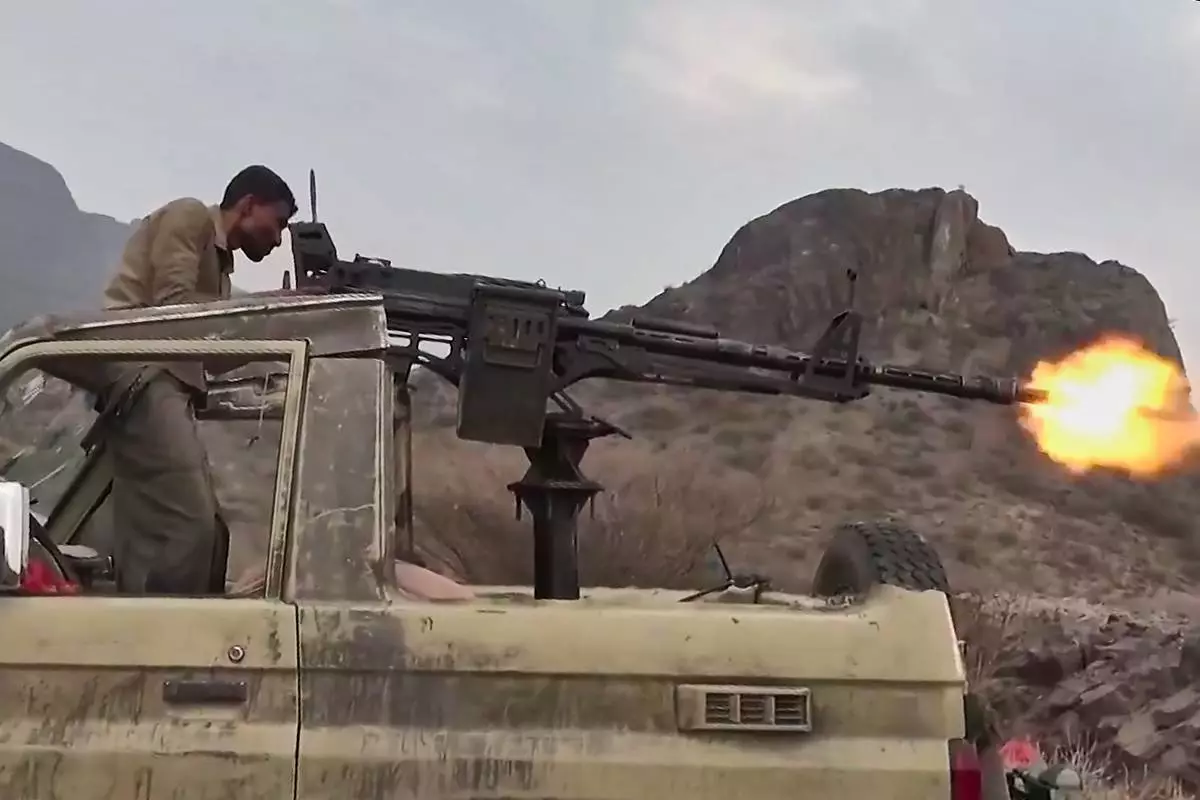
This image taken from undated video released by the Ansar Allah Media Office, the media arm of Yemen's Houthi rebels, on Tuesday, Sept. 22, 2026, shows what the group says is a Houthi fighter firing a vehicle-mounted machine gun at Saudi-backed forces in Yemen. (Ansar Allah Media Office via AP)
This image taken from undated video released by the Ansar Allah Media Office, the media arm of Yemen's Houthi rebels, on Tuesday, Sept. 22, 2026, shows what the group says is a Houthi fighter firing a vehicle-mounted machine gun at Saudi-backed forces in Yemen. (Ansar Allah Media Office via AP)

This image taken from undated video released by the Ansar Allah Media Office, the media arm of Yemen's Houthi rebels, on Tuesday, Sept. 22, 2026, shows what the group says is a Houthi fighter firing a mortar during clashes with Saudi-backed forces at an undisclosed location in Yemen. (Ansar Allah Media Office via AP)
This image taken from undated video released by the Ansar Allah Media Office, the media arm of Yemen's Houthi rebels, on Tuesday, Sept. 22, 2026, shows what the group says is a Houthi fighter firing a mortar during clashes with Saudi-backed forces at an undisclosed location in Yemen. (Ansar Allah Media Office via AP)

This image taken from undated video released by the Ansar Allah Media Office, the media arm of Yemen's Houthi rebels, on Tuesday, Sept. 22, 2026, shows what the group says are Houthi fighters standing in formation in an area of clashes with Saudi-backed forces in Yemen. (Ansar Allah Media Office via AP)
This image taken from undated video released by the Ansar Allah Media Office, the media arm of Yemen's Houthi rebels, on Tuesday, Sept. 22, 2026, shows what the group says are Houthi fighters standing in formation in an area of clashes with Saudi-backed forces in Yemen. (Ansar Allah Media Office via AP)

This image taken from undated video released by the Ansar Allah Media Office, the media arm of Yemen's Houthi rebels, on Wednesday, Sept. 9, 2026, shows a smoke from a wide explosion following what the Houthis described as an attack on Saudi-backed forces in eastern Jawf province, Yemen. (Ansar Allah Media Office via AP)
This image taken from undated video released by the Ansar Allah Media Office, the media arm of Yemen's Houthi rebels, on Wednesday, Sept. 9, 2026, shows a smoke from a wide explosion following what the Houthis described as an attack on Saudi-backed forces in eastern Jawf province, Yemen. (Ansar Allah Media Office via AP)

Yemeni civilians celebrate while riding in the back of a pickup truck in the Bani Matar district, Yemen, Saturday, Sept. 12, 2026, as they follow a convoy carrying Houthi prisoners freed in Mokha on its way to Sanaa following the Houthi takeover of the southern Red Sea port city. (AP Photo/STR)

Yemeni civilians celebrate while riding in the back of a pickup truck in the Bani Matar district, Yemen, Saturday, Sept. 12, 2026, as they follow a convoy carrying Houthi prisoners freed in Mokha on its way to Sanaa following the Houthi takeover of the southern Red Sea port city. (AP Photo/STR)
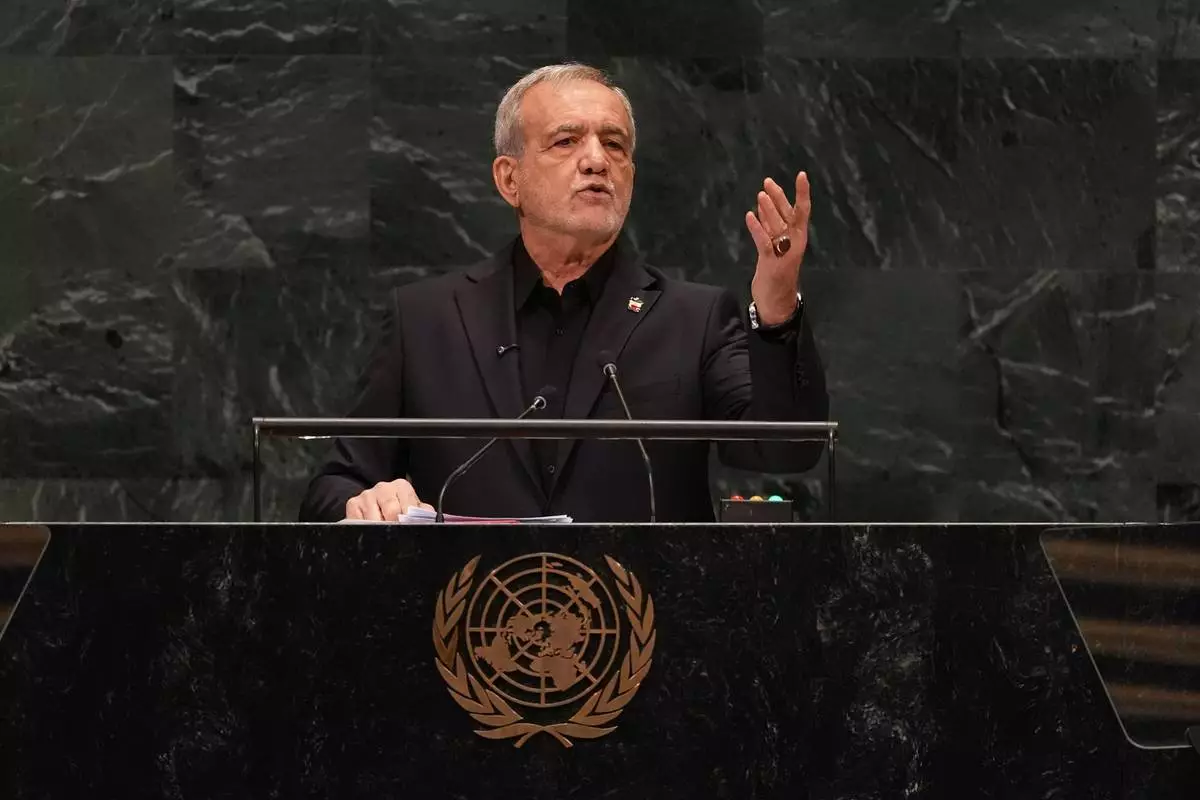
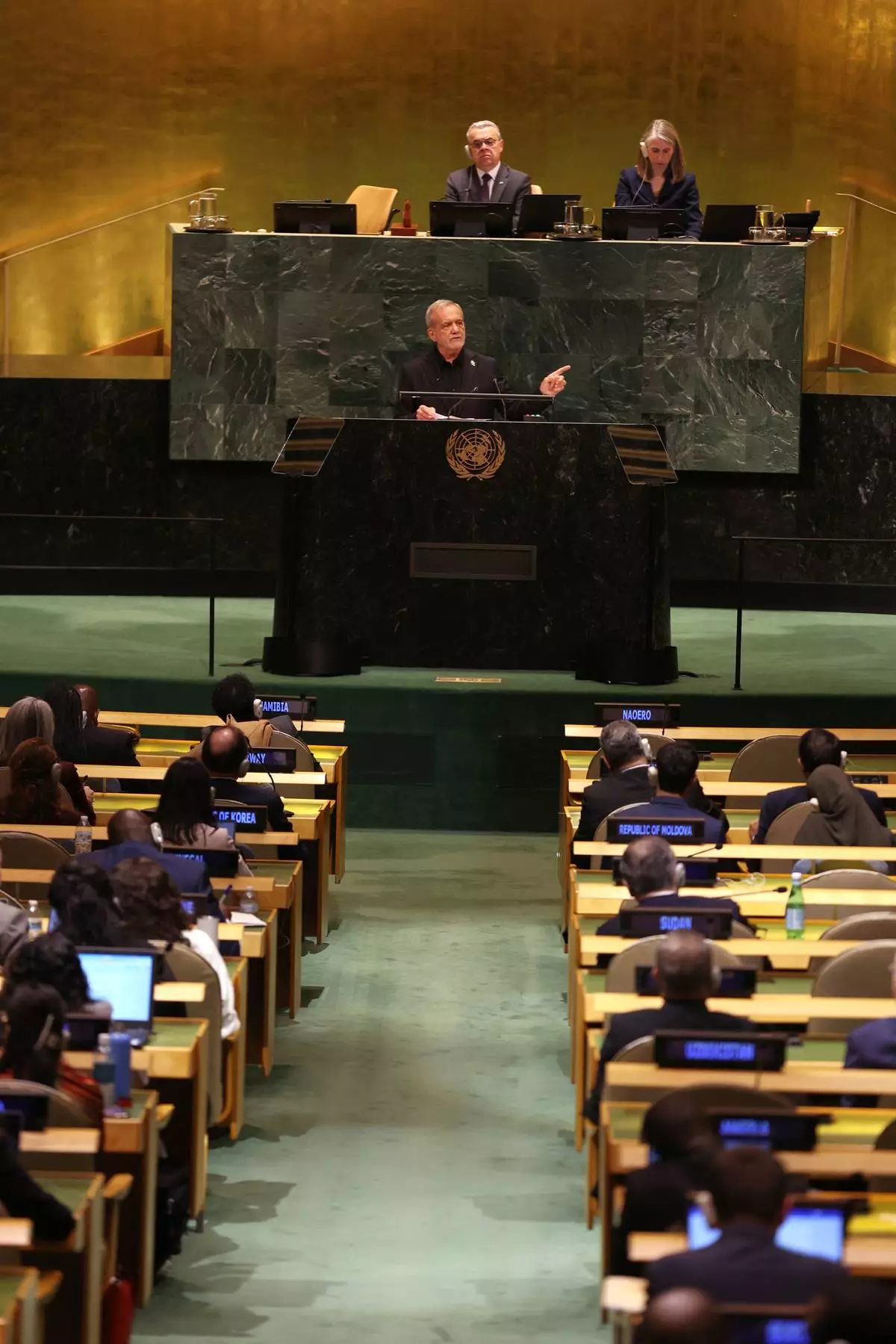
Iranian President Masoud Pezeshkian delivered a defiant speech at the United Nations on Wednesday as Tehran downplayed talks with the United States.

Meanwhile, another ship attempting to transit the Strait of Hormuz was struck by a projectile, highlighting the dangers that continue to restrict traffic through the critical waterway as the seven-month war grinds on.

Here is the latest news from the Middle East on Wednesday. More coverage of the U.N. General Assembly is available here.

Iran's president said his country's people had been the “victims of terrorism” by the United States.

Delivering a rare wartime speech at the U.N. General Assembly, Pezeshkian displayed images of the late Supreme Leader Ali Khamenei and more than 150 schoolchildren killed in the opening days of the conflict.

“We have only defended ourselves. We are not terrorists,” he said. “Our innocent people have been the targets of cowardly attacks and aggressions imposed upon our country.”

Turning to the United States, Pezeshkian added: “Yes, they did hit us, but we did not bend the knee.”

Pezeshkian addressed world leaders a day after U.S. President Donald Trump used the same stage to suggest that he might “annihilate” the Islamic Republic if an agreement was not reached soon to end the nearly seven-month war.

Hours later, Trump touted “a very good meeting” between his chief envoys, Steve Witkoff and Jared Kushner, and Iranian officials. Tehran, however, downplayed the talks. Iranian Foreign Ministry spokesperson Esmail Baghaei said they were “not anything new.”

On Wednesday, U.S. Secretary of State Marco Rubio told reporters that Trump remained open to an agreement “that allows Iran to be what it should be, which is a great and prosperous country.”

Rubio said the prospects for such a deal were hindered by Iran’s nuclear ambitions and “their support of terrorism.” If those policies continued, he said, Trump could exercise “a number of options,” including further military action.

The United Kingdom Maritime Trade Operations, which issues warnings about maritime attacks and military activity, said another vessel was struck Wednesday by an “unknown projectile” while transiting the Strait of Hormuz. The strike sparked a fire and forced the crew to evacuate. The origin of the attack, the first reported in two days, was unclear.

The incident highlighted the continuing danger to ships attempting to navigate the waterway. Some vessels appear to be making “dark passages” without transmitting identifying signals, but Iran and the United States have maintained their competing blockades. Commercial traffic remains well below prewar levels, according to ship-tracking data from analytics firm Kpler.

Restrictions on shipping through the strait have become one of the war’s most persistent consequences. Before the conflict, one-fifth of the world’s traded oil passed through the narrow waterway, along with large volumes of natural gas, fertilizer and other petroleum products.

An Israeli strike on a vehicle in Khan Younis killed two people on Wednesday morning, Gaza’s Health Ministry said.

Israeli Defense Minister Israel Katz said one of those killed was Mohammad Abu Alwan, whom he identified as the head of Hamas’ finance department. He also said Israel would keep going after militants on its target list.

More than 1,400 Palestinians have been killed since a ceasefire took effect nearly a year ago, according to the ministry, which maintains detailed records that are seen as generally reliable.

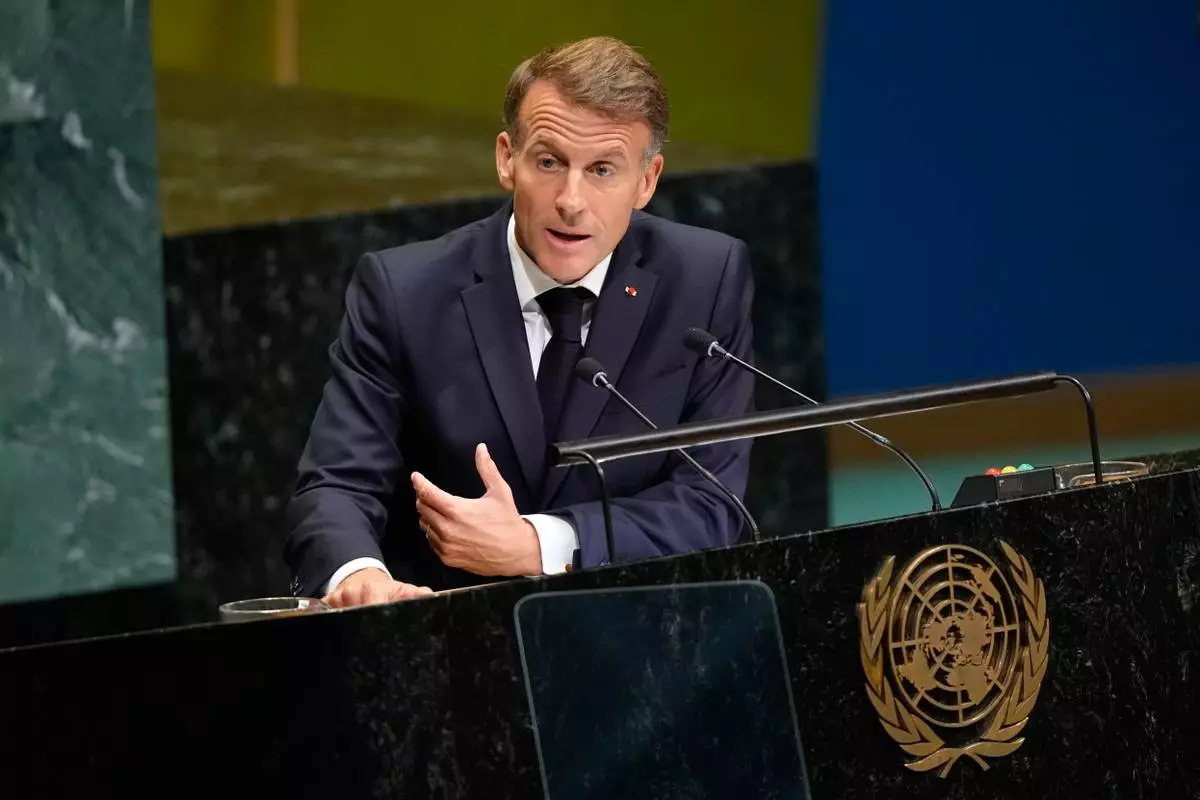
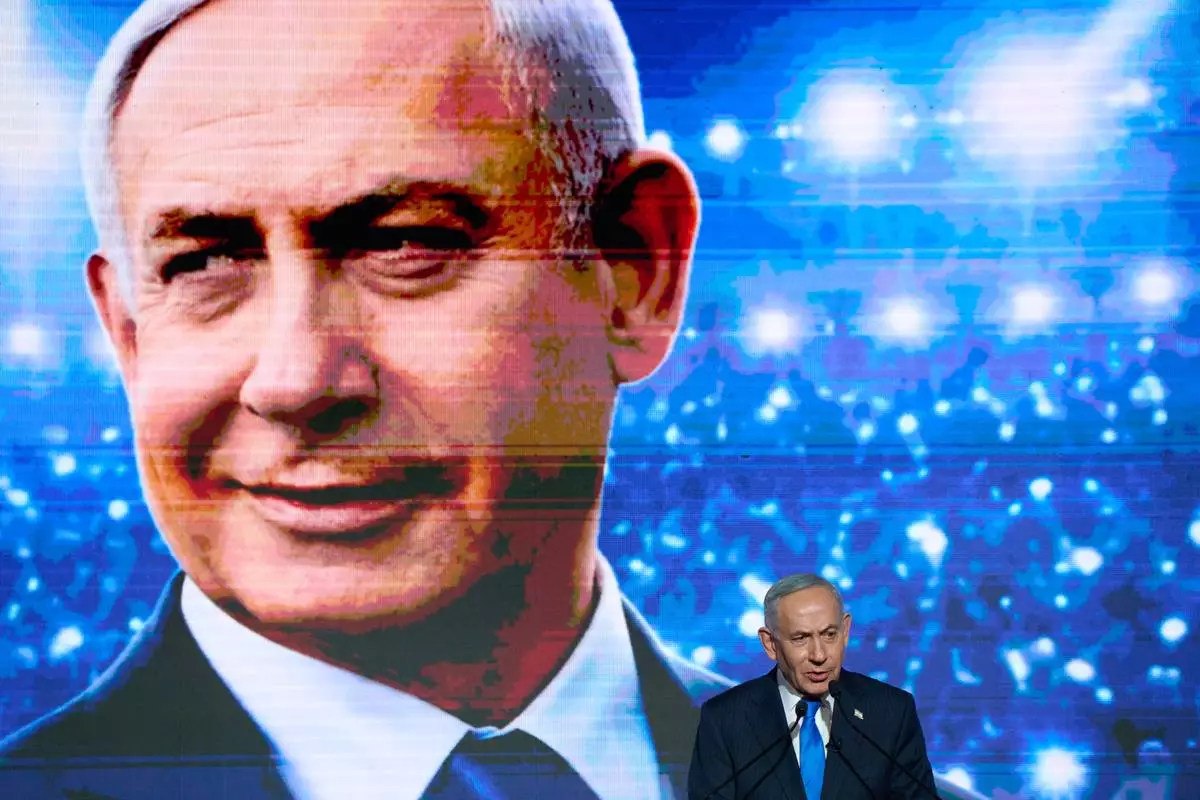
Israeli Prime Minister Benjamin Netanyahu’s office called French President Emmanuel Macron’s remarks at the United Nations a “grotesque absurdity,” objecting to his characterization of the Palestinian militant group Hamas’ activity in the West Bank.

Macron denounced the situation in Gaza and criticized escalating violence by Israeli settlers in the West Bank. He said Israel could not invoke Hamas to justify its actions there. The wording Macron used in French was ambiguous and could be understood to mean either that Hamas had never governed the West Bank or had never operated there.

A French diplomatic source said Macron meant that Hamas had never governed the territory. The source spoke on condition of anonymity because the person was not authorized to speak publicly.

The United Nations has not released an official translation of the remarks.

Hamas has long maintained support in the Israeli-occupied West Bank and has claimed responsibility for attacks there, although it has never governed the territory.

This report will be updated throughout the day as new developments emerge.

Iran's President Masoud Pezeshkian speaks during the 81st session of the United Nations General Assembly at United Nations headquarters, Wednesday, Sept. 23, 2026. (AP Photo/Heather Khalifa)

Iran's President Masoud Pezeshkian speaks during the 81st session of the United Nations General Assembly at United Nations headquarters, Wednesday, Sept. 23, 2026. (AP Photo/Heather Khalifa)

Iran's President Masoud Pezeshkian speaks during the 81st session of the United Nations General Assembly at United Nations headquarters, Wednesday, Sept. 23, 2026. (AP Photo/Heather Khalifa)

Iran's President Masoud Pezeshkian speaks during the 81st session of the United Nations General Assembly at United Nations headquarters, Wednesday, Sept. 23, 2026. (AP Photo/Heather Khalifa)

France's President Emmanuel Macron speaks during the 81st session of the United Nations General Assembly at United Nations headquarters, Tuesday, Sept. 22, 2026. (AP Photo/Yuki Iwamura)

France's President Emmanuel Macron speaks during the 81st session of the United Nations General Assembly at United Nations headquarters, Tuesday, Sept. 22, 2026. (AP Photo/Yuki Iwamura)

Israeli Prime Minister Benjamin Netanyahu speaks at his Likud party New Year event in Tel Aviv, Israel, Thursday, Sept. 17, 2026. (AP Photo/Ariel Schalit)

Israeli Prime Minister Benjamin Netanyahu speaks at his Likud party New Year event in Tel Aviv, Israel, Thursday, Sept. 17, 2026. (AP Photo/Ariel Schalit)

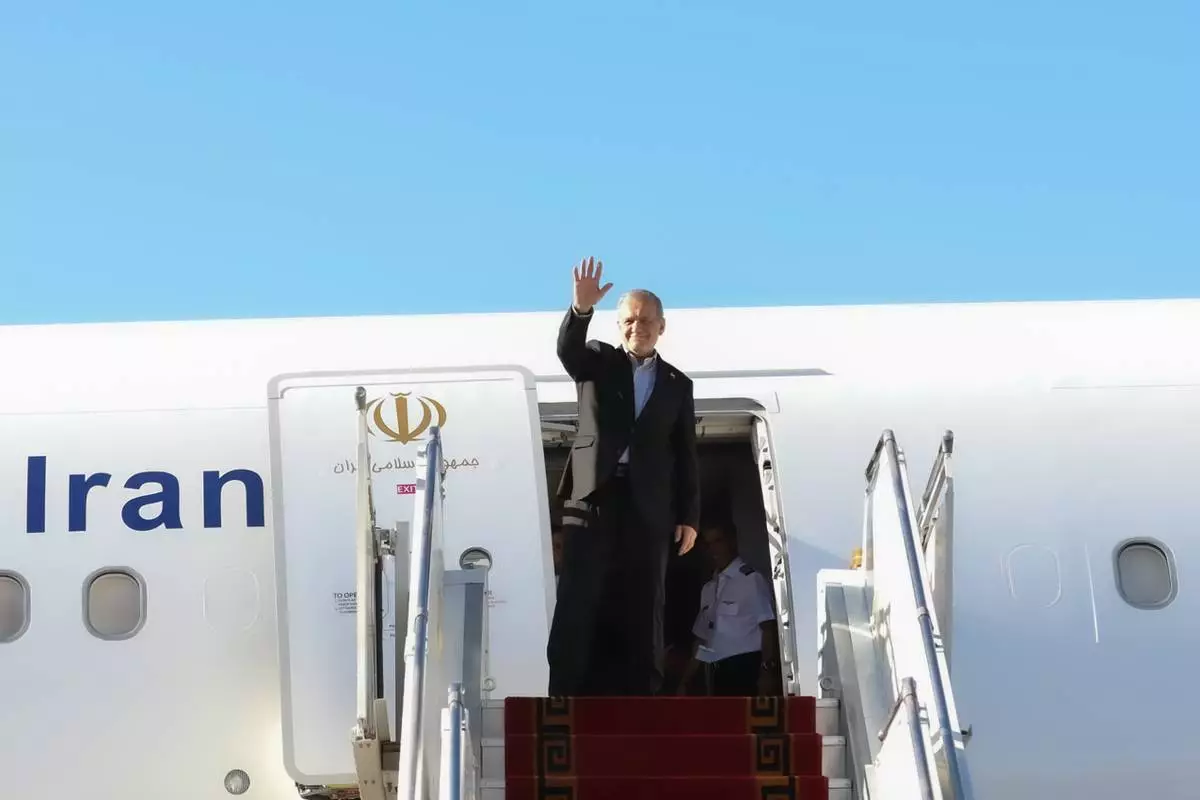
In this photo released by the Iranian Presidency Office, President Masoud Pezeshkian waves to media and officials as he boards his plane while leaving Mehrabad airport for New York to attend the UN General Assembly, in Tehran, Iran, Tuesday, Sept. 22, 2026. (Iranian Presidency Office via AP)

In this photo released by the Iranian Presidency Office, President Masoud Pezeshkian waves to media and officials as he boards his plane while leaving Mehrabad airport for New York to attend the UN General Assembly, in Tehran, Iran, Tuesday, Sept. 22, 2026. (Iranian Presidency Office via AP)

Recommended Articles