China urges dialogue and negotiation to restore peace and tranquility to the Middle East and Gulf region at an early date, Foreign Ministry spokesperson Guo Jiakun said during a regular press briefing in Beijing in response to a query about navigation through the Strait of Hormuz.
"Protraction of the U.S.-Iran conflict does not serve the common interests of the parties concerned or the international community. It is vital for parties to choose peace, resolve disputes through dialogue and negotiation, and restore peace and tranquility to the Middle East and Gulf region at an early date," Guo said.
Tensions in the vital shipping lane escalated following U.S.-Israeli strikes on Iran on Feb 28. In response, Iran restricted passage through the Strait of Hormuz, while U.S. forces imposed a naval blockade targeting vessels traveling to or from Iranian ports.
The two countries signed a memorandum of understanding (MoU) in mid-June aimed at ending the regional conflict on all fronts, including Lebanon. Under the agreement, both nations were scheduled to hold final negotiations within 60 days, which concluded on Aug 17. The current fate of the talks remains uncertain as armed clashes continue.
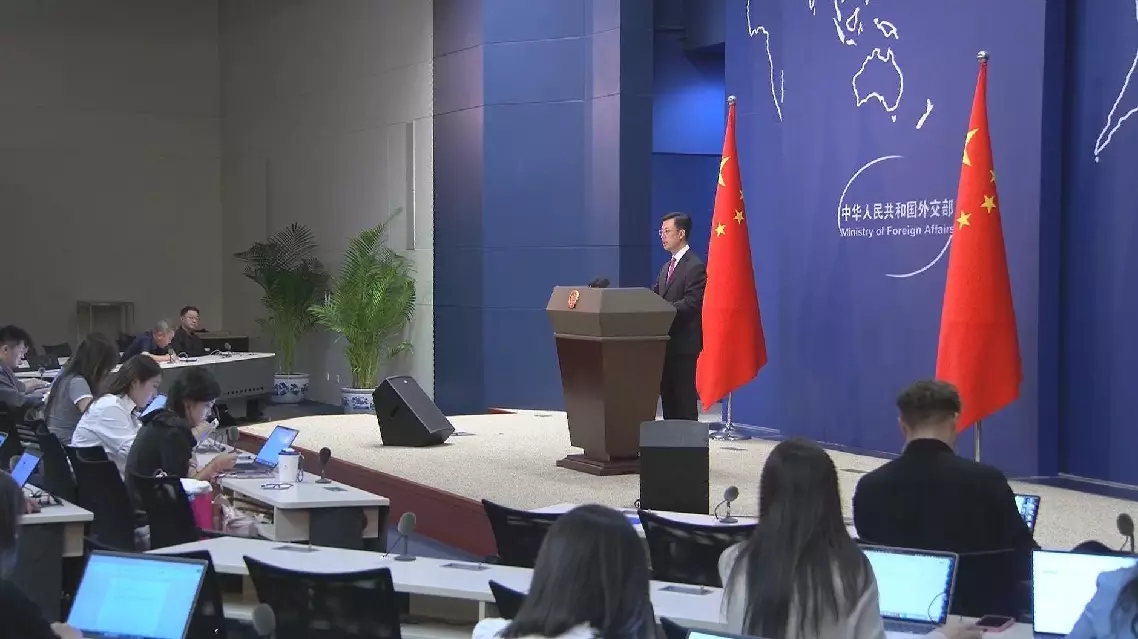
China urges dialogue to restore peace in Middle East, Gulf region
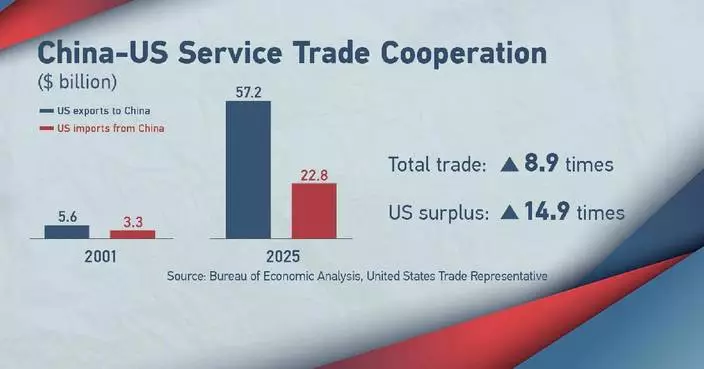
Dialogue and cooperation between China and the United States, the world's two largest economies, matters far beyond the two countries themselves, said Adnan Z. Amin, chair of the officers' council of the World Energy Council (WEC), a global network of energy organizations.
In a recent interview with China Global Television Network (CGTN), Amin said such dialogue gives the wider world grounds for optimism, and that the economic issues between the two sides can only be resolved through sustained engagement.
"It's absolutely essential. I think when you have two of the biggest economies in the world in dialogue and collaboration, it makes a difference for the rest of the world. It provides an optimistic approach, it provides a positive kind of perspective of where we can be going. There are hard issues to discuss. The economic trade-offs are not inconsequential. They need to be addressed. And the best way to do it is through dialogue. And to see President Xi in Washington today is very encouraging, because I think that dialogue is essential today," he said.
Amin added that policymakers should set aside reflexive hostility and focus on the tangible benefits that cooperation can bring to people in both countries.
"We need to get beyond this kind of knee-jerk antagonism that you see in certain policy circles in different countries around the world to really look at what is the reality today. How will our collaboration improve the lot of people in our countries? And what are the best areas for us to do (work on) and who has to take responsibility for what. This is essential," he said.
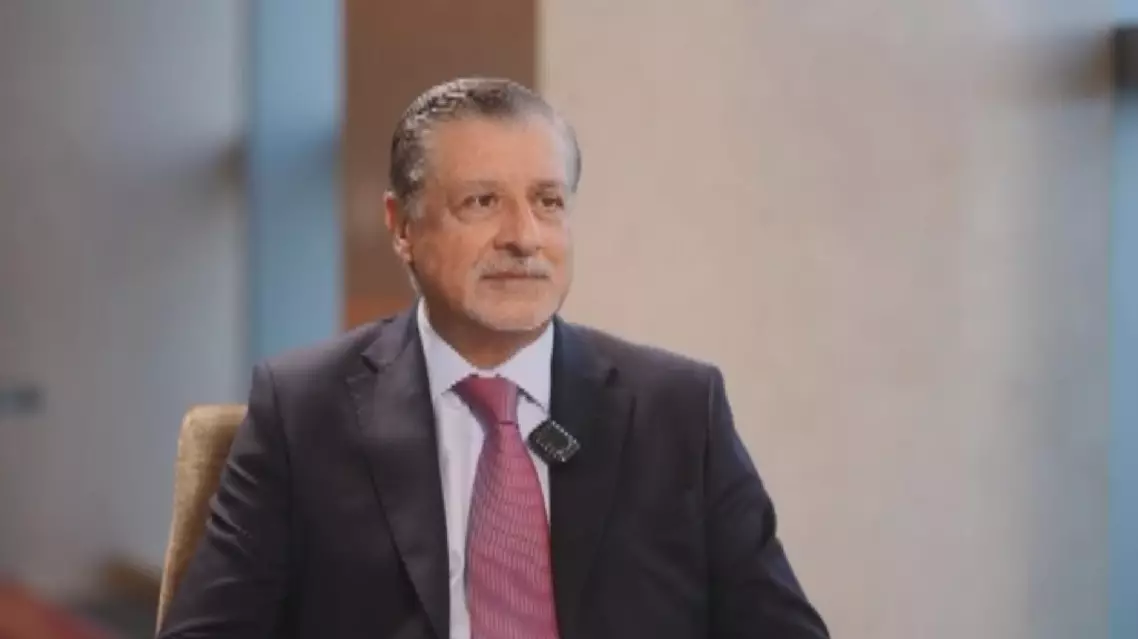
China-U.S. dialogue "absolutely essential" for world: WEC chair