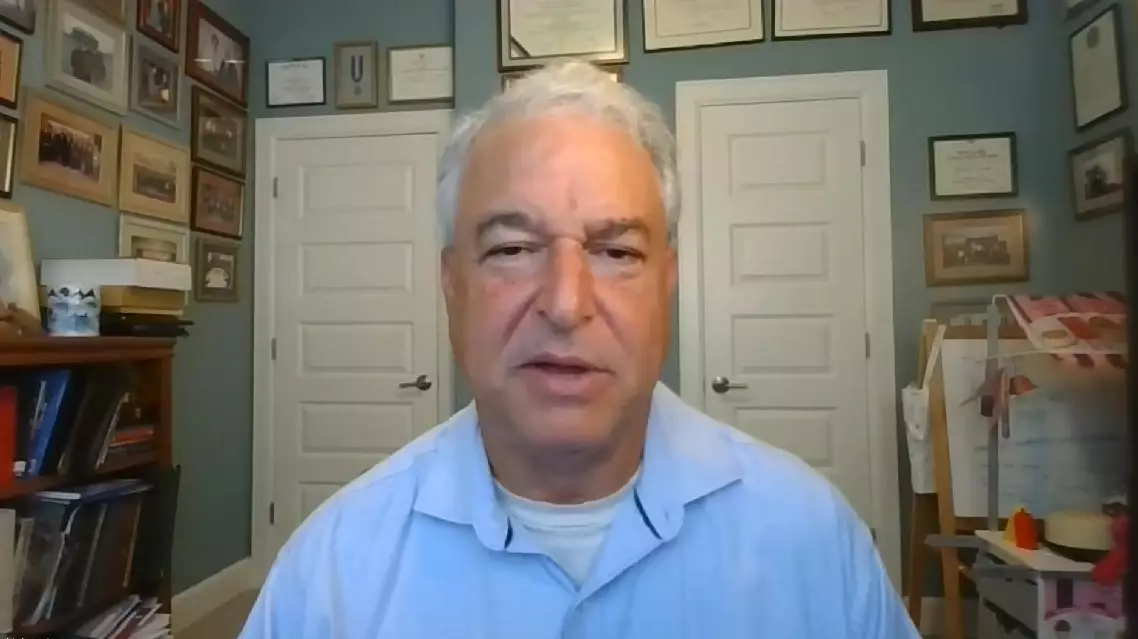
Frequent engagements between the leaders of the United States and China can help build trust and create positive momentum for the growth of bilateral ties, said David Firestein, president and CEO of the George H. W. Bush Foundation for U.S.-China Relations at an interview with the China Global Television Network (CGTN) on Saturday.
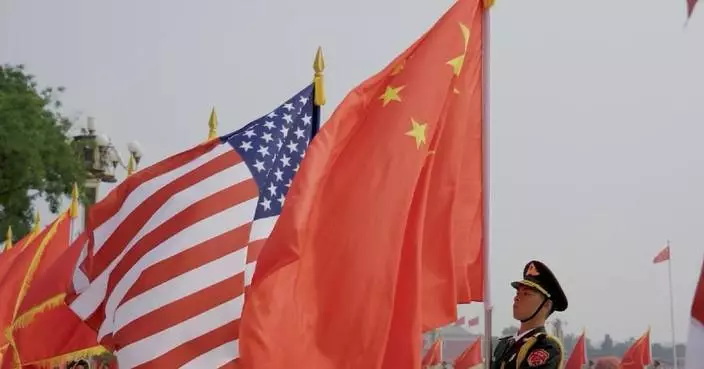
Firestein made the statement in an interview with China Global Television Network one day after Chinese President Xi Jinping conlcuded a three-day state visit to the United States running from Sept 23 to 25.
"I think when leaders of countries spend more time with each other and get to know each other better, if they can build out a relationship, they can increase at least to some degree trust between them as leaders of nations. And it can create positive momentum for the two countries to tackle issues that have been on the agenda and that are not yet resolved. And we do have a common interest on many other issues. And I think that by setting a tone that's more constructive and less adversarial, I think we can do a better job tackling those issues," said Firestein.
On economic ties, Firestein noted that strong commercial demand between the two peoples argues against decoupling.
He said the business community is calling for a more predictable and stable bilateral relationship to enable stronger trade and commercial cooperation.
"The American people continue to want to purchase hundreds of billions of dollars worth of Chinese goods, and that speaks for itself. If that weren't the case, then one could plausibly talk about decoupling and so on. But the fact is, the United States and the American people want engagement with China. We need engagement with China. And so it is in reverse [against talks of decoupling], where the Chinese people value American products, value the opportunity to do business with American companies to engage American consumers. And I know from my own experience dealing with the business community that they're arguing for a more predictable and stable U.S.-China relationship that will allow for more robust commercial and trade engagement," he said.
Firestein also stressed the importance of collaboration between the two countries on artificial intelligence.
"Unquestionably it makes sense for the United States and China to have a deep and substantive dialogue around how we, the two countries, as the two leading AI superpowers in the world, can work together in the common cause to mitigate some of the threats associated with AI to humanity itself," he said.
More frequent leader-level engagements can build trust, create positive momentum: expert