Infrastructure is shifting from steel and concrete to the electrons that power the world's vast digital systems, said Sherard Cowper-Coles, vice president and corporate secretary of the Asian Infrastructure Investment Bank (AIIB).
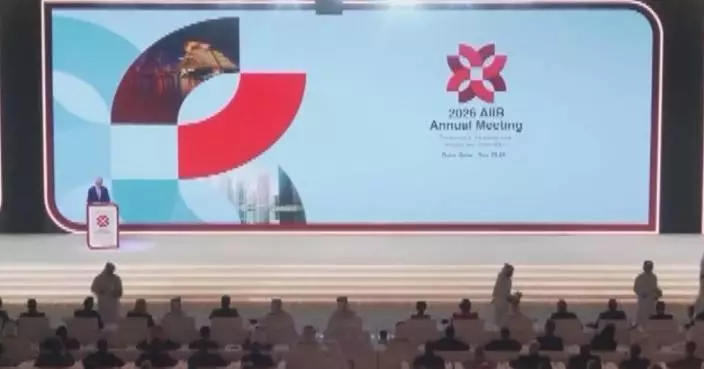
Multilateral cooperation on infrastructure development is in the spotlight this week as the 11th annual meeting of the Board of Governors of the AIIB gathers in Doha, Qatar.
On the sidelines of the event, Cowper-Coles underscored his view that the bank's role will undergo a great transformation over the next decade as the world rethinks the shape of infrastructure.
"Well, I think more and more people understand that infrastructure isn't just about roads and bridges and ports and airports. It's also about digital infrastructure, health infrastructure, educational infrastructure, the intellectual infrastructure that makes a society successful and modern. If you think of the operating system on your computer, you can't see it, but it is the infrastructure of your computer. And in a similar way, as thinking about infrastructure develops, so too we will see a move away from steel and concrete to electrons," said Cowper-Coles.
Another key change in recent years, he added, is the need to develop infrastructure that deals with climate resilience.
"It's very, very important also to remember that what we're about is dealing with the huge and growing challenge of climate change. Last year, 71 percent of our lending was green. We're very, very proud of that and that will continue," he said.
The AIIB on Monday opened its 11th annual meeting of the Board of Governors in Doha, Qatar, bringing together governors, senior officials, clients, partners and stakeholders.
As AIIB's core governance and stakeholder engagement event, this year's annual meeting features discussions on how multilateral institutions, governments and private-sector partners can respond to infrastructure needs in a new global context, underscoring the importance of mobilizing private capital and deepening cooperation across institutions and markets.
The AIIB was established in January 2016 with a mission to foster sustainable economic development, create wealth, and improve infrastructure connectivity in Asia by investing in infrastructure and other productive sectors.
It currently has 111 approved members and has approved more than 79 billion U.S. dollars for over 400 projects across 43 economies, while maintaining AAA ratings from major international credit-rating agencies.
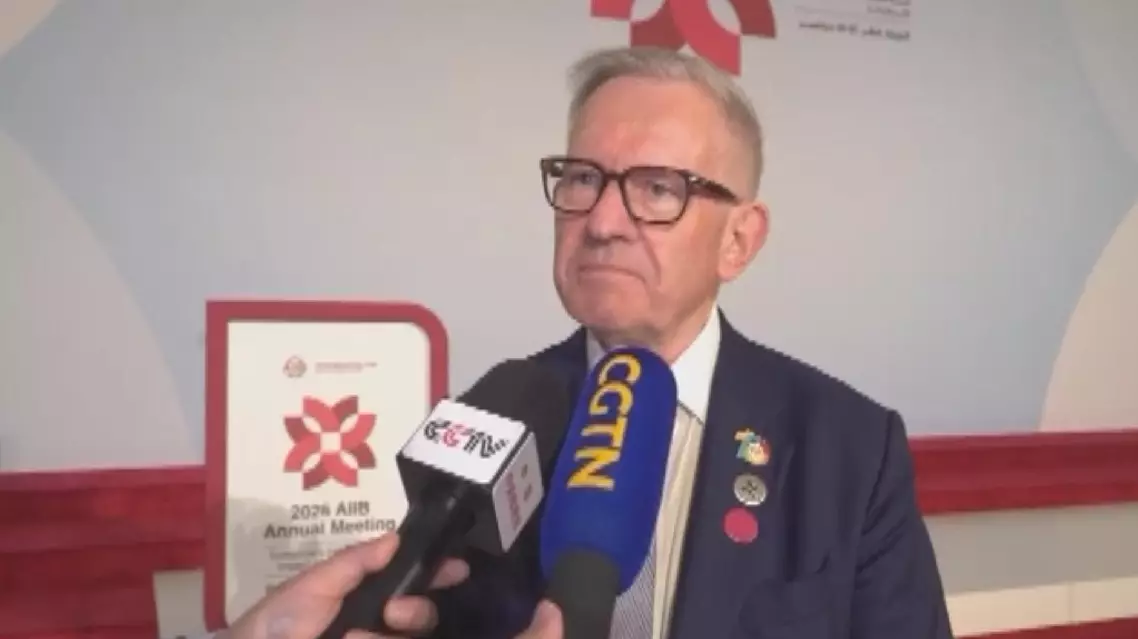
Infrastructure development to move from steel to electrons in digital age: AIIB vice president