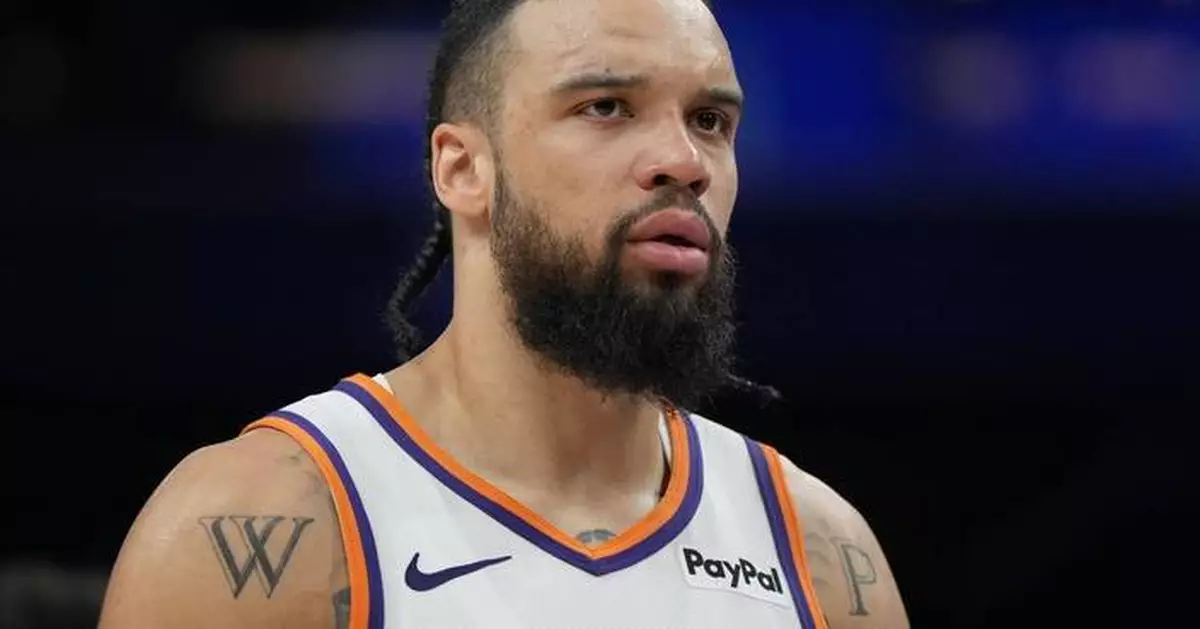
PHOENIX (AP) — Phoenix Suns forward Dillon Brooks has been charged with driving under the influence related to his arrest in March by police in Scottsdale, Arizona.
Online court records show that Brooks has a court date on Oct. 28 for the the Class 1 misdemeanor charge.
“This charge stems from the incident last March,” Suns senior vice president of communications Stacey Mitch said in a statement. “We have addressed the matter with Dillon and have no further comment.”
Brooks was arrested during a traffic stop on March 6 at roughly 1 a.m. and after an investigation, he was taken to jail. He was released following the booking process around 3:30 a.m.
The 30-year-old was out with a fractured left hand at the time. He averaged a career-high 20.2 points per game last season and signed a $73 million, three-year extension during the offseason that will keep him with the team through 2030.
Brooks is also facing separate misdemeanor reckless driving and speeding charges related to an arrest in January. The court date for that case is Nov. 9.
ESPN first reported the developments in the cases.
See AP’s full NBA coverage here
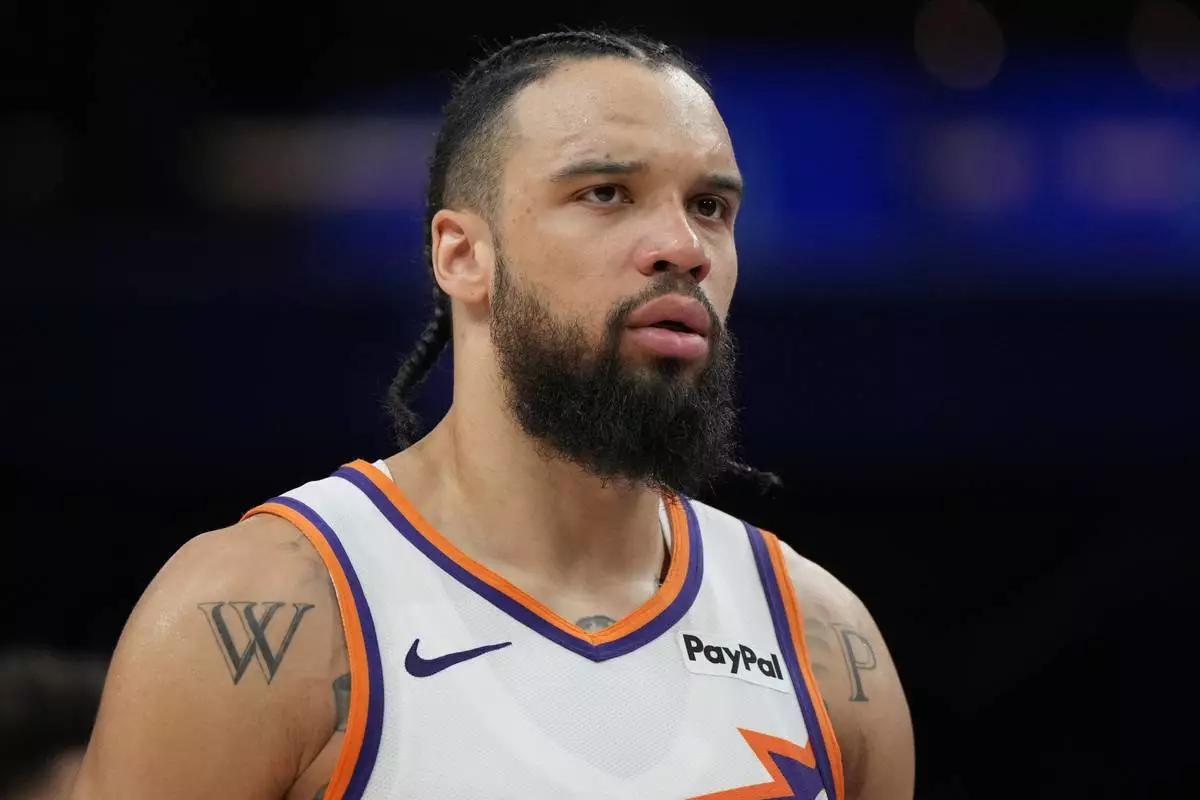
FILE - Phoenix Suns forward Dillon Brooks plays in the first half of an NBA basketball game against the Oklahoma City Thunder, Feb. 11, 2026, in Phoenix. (AP Photo/Rick Scuteri, File)
WASHINGTON (AP) — Senate Republicans are dedicating one of the final votes before the midterm elections to a bill that attempts to address voter worries about data centers and their impact on energy bills.
The measure is a testament to voters' growing concerns about data centers and allows supporters to go on offense on what has become a top campaign issue. The bill's sponsor, Sen. Jon Husted, a Republican from Ohio, is in a tough reelection battle and has been labeled in campaign ads as the “face of data centers” by his Democratic challenger, former Sen. Sherrod Brown.
The bill is a modest one. It requires utility regulators to consider adopting a federal standard that charges large power customers a rate that covers the cost of the system upgrades needed to serve them. Democrats say it amounts to a suggestion and that more is needed. Republicans say the bill sends a message to regulators to act.
“You all know this is the only game in town,” Husted told reporters in advocating for his bill. “This bill passing is the only way to get a chance to prove to the American people before the midterm elections whose side you're on.”
The measure passed the House by a vote of 417-3. It will need support from at least seven Democratic senators to proceed to a final vote, but it's unclear how many will do so given the criticism from within their ranks that it doesn't go far enough and knowing that passage could give Husted's reelection prospects a lift.
“The bill is a fraud, plain and simple,” Senate Democratic Leader Chuck Schumer said.
Democrats have offered competing proposals. Sen. Martin Heinrich, D-N.M. sponsored legislation that would direct the Federal Energy Regulatory Commission to issue rules for large electricity customers that requires them to pay for necessary grid upgrades.
“They want it optional, which means zero. We want it mandatory,” Schumer said.
Republicans are looking to position Democrats as obstructionists who are blocking progress on key voter concerns. Husted's bill is one example. Another would be the bill from Sen. Pete Ricketts, R-Neb., that would bar members of Congress from purchasing individual stocks. The issue is a popular one with candidates running for office this election cycle, but also includes voter identification requirements that Democrats have called a poison pill.
Thune has teed up both bills for a procedural vote that will require 60 votes to advance.
“Both pieces of legislation strike at the very heart of issues that the American people care deeply about, passionately about, and we'll see if the Democrats are willing to take yes for an answer," Thune said.
The House and Senate are both expected to be out of session for all of October. The House left in mid-September, canceling nearly two weeks of votes as Republicans were anxious to get on the campaign trail in a bid to keep their majority in the next Congress.
President Donald Trump has embraced the building of more data centers, but there is growing wariness from voters. About 6 in 10 Americans support limiting the number of new data centers that can be built, including most Democrats and Republicans.
And a majority of Americans are “extremely” or “very” concerned about the impact of data centers on electricity prices or the water supply in the communities where they are built.
In Ohio, a data center hot spot with closely contested races for governor and U.S. Senate, the National Republican Senatorial Committee warned in a recent memo that Husted is vulnerable to losing his seat because of the centers. Husted helped promote Ohio as a destination for data centers while serving as lieutenant governor.
The Ohio race is seen as vital to determining control of the Senate, helping explain why the data center bill has generated so much scrutiny and is so hotly contested despite the overwhelming vote it received in the House.
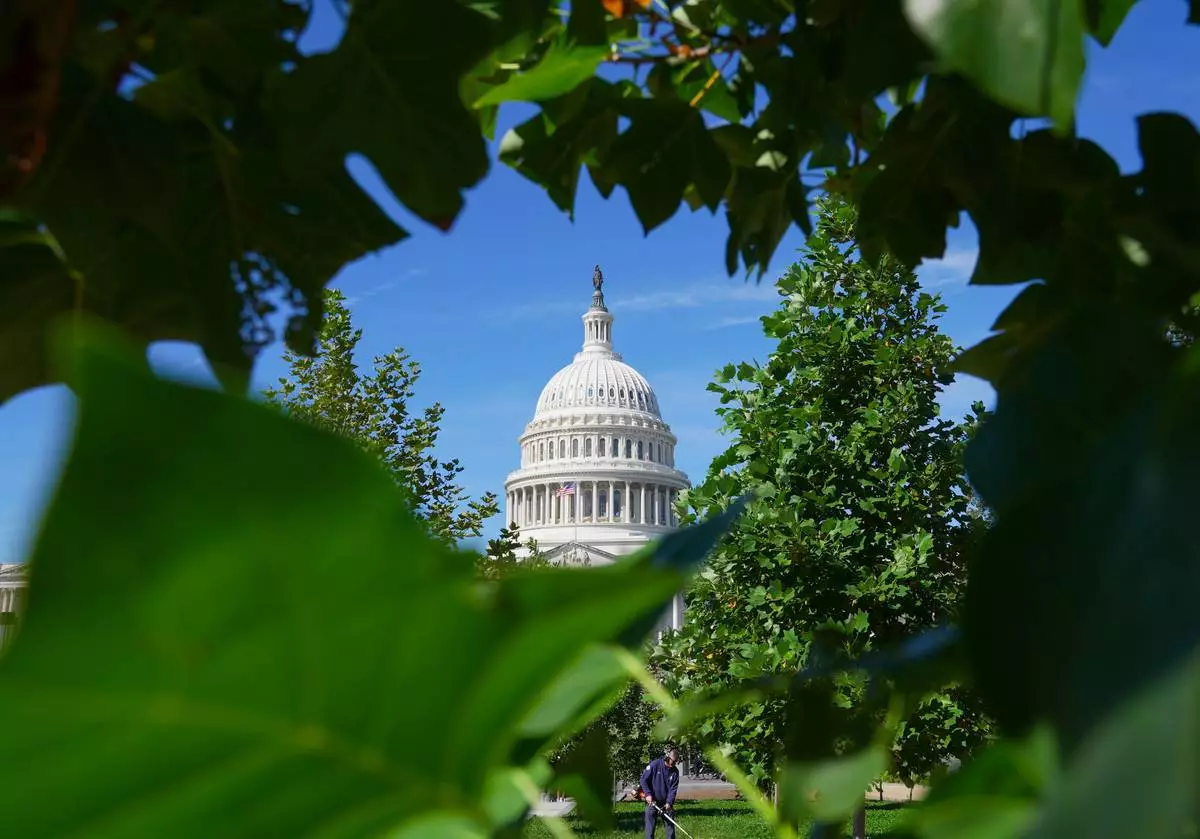
The U.S. Capitol is seen Friday, Sept. 25, 2026, in Washington. (AP Photo/Mariam Zuhaib)