A group of Japanese protesters rallied on Wednesday near Higashi-ginza Station in Tokyo to oppose the Japanese government's attempts to amend the pacifist constitution and its moves to expand military capabilities and revise the Three Non-Nuclear Principles.
The Three Non-Nuclear Principles, not possessing, not producing and not allowing introduction of nuclear weapons into Japanese territory, were first declared in the Diet, Japan's parliament, by then Japanese Prime Minister Eisaku Sato in 1967 and viewed as a national credo.
The national security strategy, one of the three documents approved by the Japanese Cabinet in 2022, states, "The basic policy of adhering to the Three Non-Nuclear Principles will remain unchanged in the future."
The demonstrators expressed concern that Japanese Defense Minister Shinjiro Koizumi had repeatedly made remarks in public regarding the revision of the Three Non-Nuclear Principles.
They voiced strong opposition to Japan's consideration of introducing nuclear submarines and other related moves.
"The Japanese people will absolutely not accept any revision of the Three Non-Nuclear Principles. In various public opinion polls in Japan, an overwhelming majority of people share this view. Shinjiro Koizumi's statements on issues such as nuclear submarines and the government's consideration of revising the Three Non-Nuclear Principles are both vastly at odds with public opinion. We must not let our guard down. We must raise our voices in even stronger opposition," said a rally participant.
"Japan is a country that has suffered nuclear attacks. So, we absolutely cannot allow nuclear weapons into Japan. I believe this is the most fundamental principle. I am absolutely opposed to it," said another protester.
"I don't want Japan to attack other countries. Nor do I want Japan to become a victim or perpetrator of war. So, I still hope we can stop all of this. I hope they won't do this. I hope the Three Non-Nuclear Principles won't be revised," said the third protester.
Seventy-six percent of people in Japan support upholding the country's Three Non-Nuclear Principles, Kyodo News reported in early August, citing a nationwide opinion poll.

Japanese citizens protest against altering Three Non-Nuclear Principles
U.S. stocks ended mixed on Wednesday as cooler-than-expected inflation data was offset by persistent pressure from elevated U.S. Treasury yields and rising oil prices.
The Dow Jones Industrial Average fell 443.87 points, or 0.86 percent, to 50,906.05. The benchmark Standard and Poor's 500 dipped 19.3 points, or 0.25 percent, to 7,651.54, while the tech-heavy Nasdaq Composite Index gained 63.52 points, or 0.24 percent, to close at 26,861.06.
Nine of the 11 primary Standard and Poor's 500 sectors ended in the red, with consumer staples and health leading the decliners by dropping 1.68 percent and 1.39 percent, respectively. Technology and consumer discretionary advanced 0.61 percent and 0.13 percent, respectively.
On the macroeconomic front, the U.S. Commerce Department reported that the headline personal consumption expenditures (PCE) price index rose 3.4 percent year on year in August, coming in below consensus forecasts of 3.7 percent and easing from levels sustained throughout much of the summer. The core PCE price index, which excludes volatile food and energy costs, climbed 3 percent, lower than expectations of a 3.3 percent increase and marking a drop from 3.3 percent in July. On a monthly basis, core PCE rose 0.2 percent, edging down 0.1 percentage point from the previous month and coming in below a projected gain of 0.3 percent.
Complementing the inflation readout, payroll processor ADP reported that private sector employment grew by 90,000 jobs in September, rebounding notably from the 36,000 jobs added in August and pointing to resilience in domestic hiring.
The softening inflation figures, coupled with dovish commentary from New York Federal Reserve President John Williams noting "no need for urgency" to hike rates next month, prompted traders to sharply scale back tightening expectations. According to the CME FedWatch tool, the implied probability of an interest rate increase at the central bank's October meeting fell to 37 percent, down markedly from more than 70 percent priced in a week earlier. Despite the easing rate-hike expectations, equity markets remained constrained by elevated sovereign debt yields and firming energy prices. The yield on the benchmark 10-year U.S. Treasury note edged up over 4 basis points to 5.291 percent, hovering near multi-decade highs reached earlier in the week, while the 30-year bond yield rose over 6 basis points to 5.634 percent.
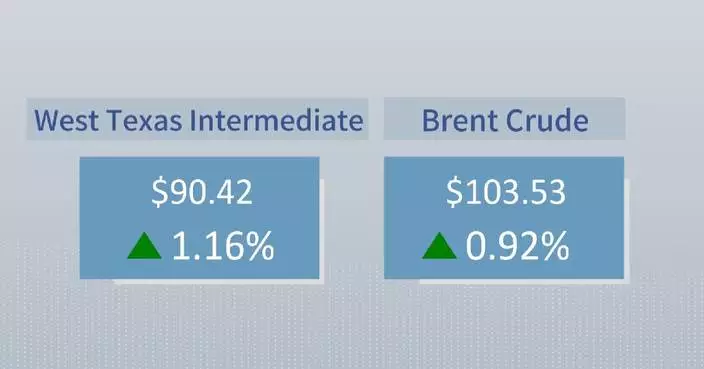
In commodity markets, crude oil benchmarks moved higher on Wednesday. West Texas Intermediate crude for November delivery added 1.04 U.S. dollars, or 1.16 percent, to settle at 90.42 dollars a barrel. Brent crude for November delivery rose 94 cents, or 0.92 percent, to finish at 103.53 dollars a barrel.
In other corporate news, Boeing ended 0.87 percent lower, erasing early gains after the plane maker was selected by the U.S. Navy for its next-generation fighter program. Robinhood Markets declined 3.2 percent after the company announced new active trading products. Micron's earnings after the bell will also offer investors insights into the state of the memory and AI markets.
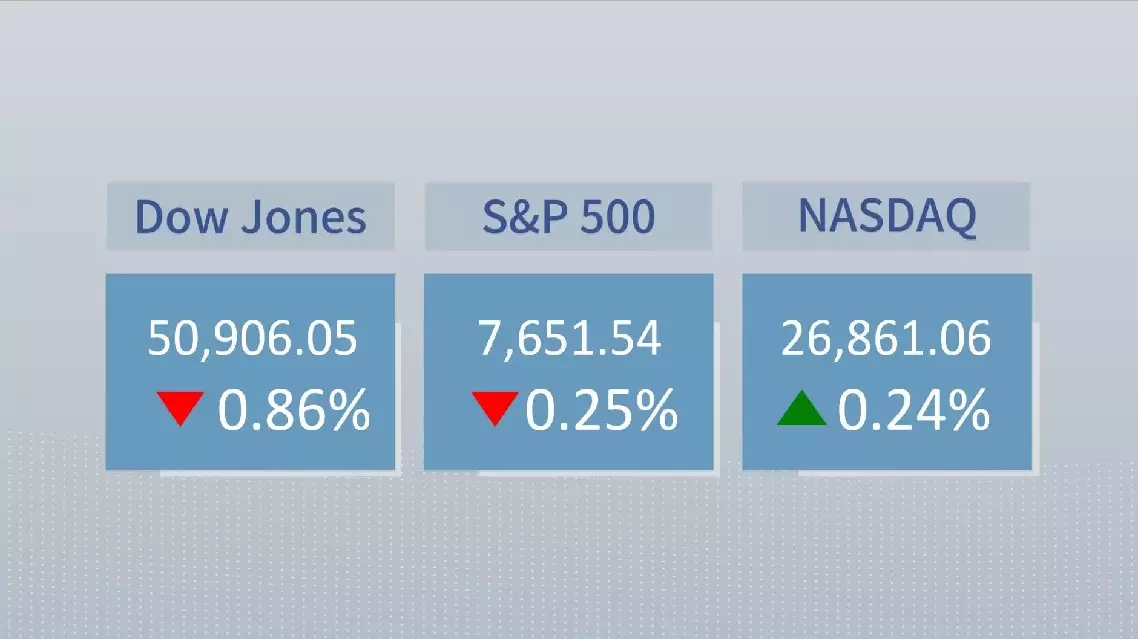
U.S. stocks close mixed despite cooler inflation report