Greater international cooperation is essential to supporting clean energy transition efforts, especially at a time when the current geopolitical tensions are placing a strain on supplies and reshaping the overall global energy landscape, according to a senior official from the World Energy Council (WEC).
Adnan Z. Amin, Chair of the Officers' Council of WEC, a London-based organization which seeks to promote a sustainable global energy supply, gave his assessment of the most pressing challenges in this field in a recent interview with China Global Television Network (CGTN) in Beijing.
It came after WEC released its 2026 World Energy Trilemma Report, which highlighted that the global energy system is undergoing a real-time rebalancing as surging electricity demand collides with geopolitical disruptions and infrastructure constraints.
Noting this difficult geopolitical backdrop, Amin stressed the need to rebalance the energy system against these current challenges.
"I think if you look at the scale of the disruption that we have right now, we have disruption in traditional energy supplies coming out of the Gulf; we have the crisis in the Strait of Hormuz, now potentially in the Red Sea. It has caused an energy crisis that is unprecedented since the 1970s -- so, in the last 50 years, probably the most severe energy crisis that we've seen. And I think what it has really begun to focus people on, as far as the trilemma is concerned, is that we have different legs of the trilemma -- there's affordability, there's sustainability, there's predictability -- all of these things. The argument we are making now is that the energy system is dynamic, and we need to look at rebalancing within the trilemma," he said.
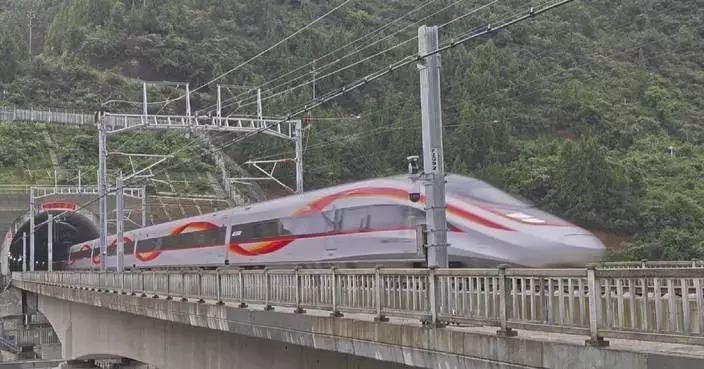
In the face of these issues, Amin highlighted China's leading role in pushing forward the global energy transition, supported by its technological progress in areas such as new energy vehicles and the country's integrated planning approach which is mapping out a longer term pathway.
"China has assumed a leading role, without any doubt. Its domestic achievements are immense. It's by having an integrated planning approach, which has built the infrastructure, created the policy tools and the industrial policy required to make it happen, and allowed the integration of variable renewables together with digitization in a way that has created a seamless, balanced and reliable power system with low costs. At the international level also, China is the main exporter of technology -- solar panels, wind turbines, EVs (electric vehicles), battery storage: very competitive, very good-quality equipment. I drive a Chinese EV, I have to confess, and I will not drive anything else. [They are] extremely reliable, competitively priced, and equipment generally coming from China has begun to acquire this kind of dominance in the market. So from that point of view, China is in a very strong position," said Amin.
The official also stressed that closer cooperation on clean energy will bring benefits to all countries, with the key aim of reducing emissions and tackling climate change being one of the central goals.
"How we deal with this, I think, is through understanding, dialogue and collaboration. Because at the end of the day, it has to be a win-win scenario. Nobody wants to be in a losing position. I think it's to highlight that we need clean energy, we need clean mobility. We are facing a global threat of climate change, we need to use whatever means we can have to reduce emissions. And if China is providing it, we have to have a dialogue about how we can do it in a way that everybody wins," said Amin.
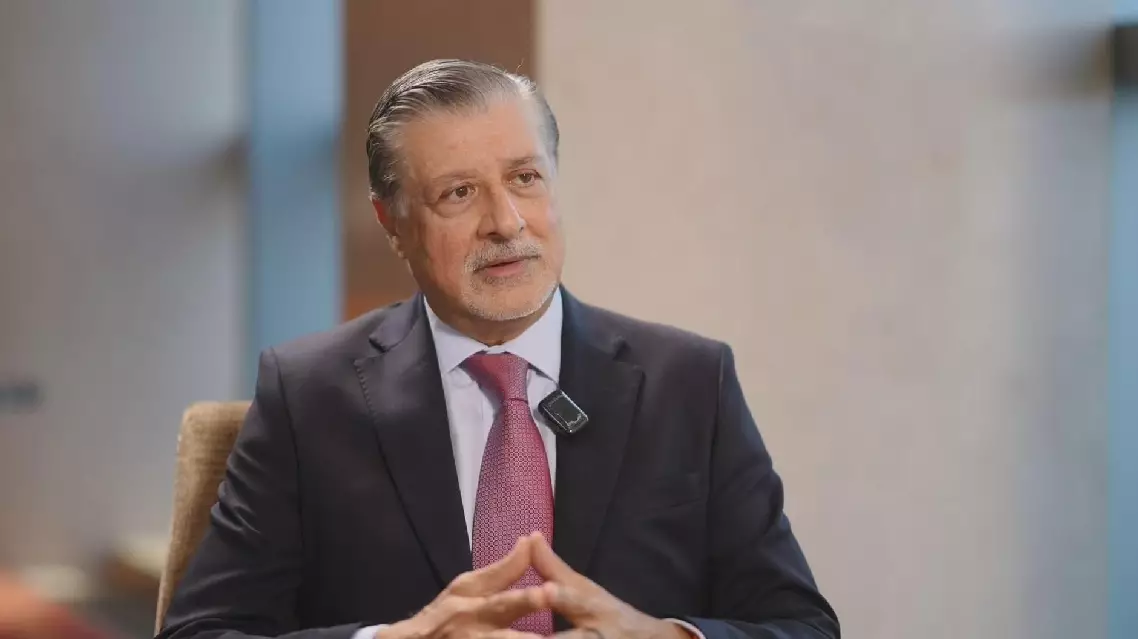
Greater global cooperation essential to clean energy transition amid geopolitical chllenges: WEC chair