The real story of the China-US summit may be written in the blank spaces of the outcome statements each side issues.
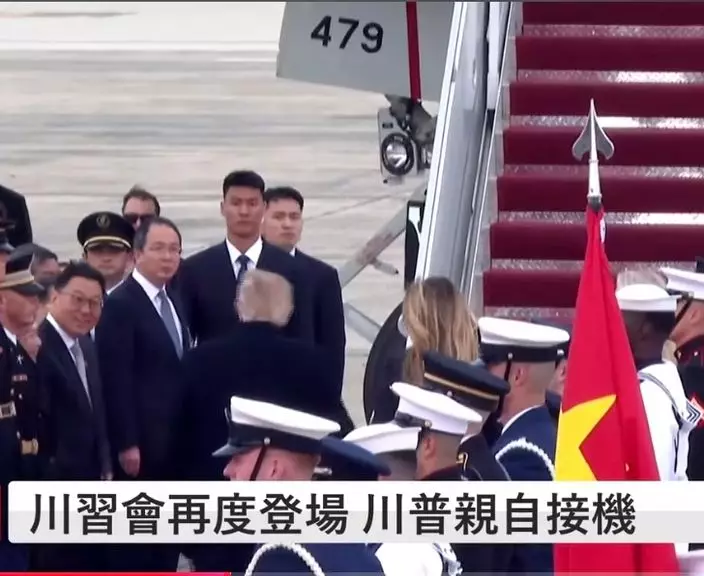
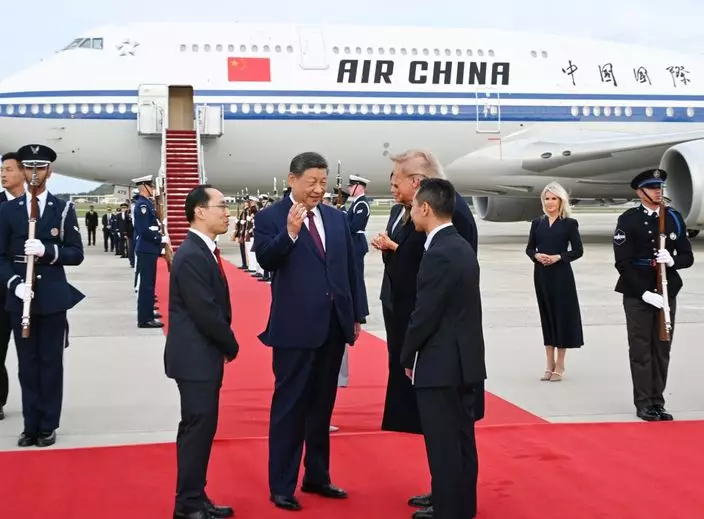
Everyone knows the ostentatious, high-spec reception the United States gave President Xi Jinping was pure Trump. He is a man who bullies the weak and fawns on the strong, and perhaps he really does admire President Xi somewhat. That is why he received him with the highest courtesies.
But on substance, White House officials pull Trump back to reality. Only what can reach consensus gets announced. Anything without consensus is left blank.
Scheduling Chemicals, Sentencing People
The White House statement puts fentanyl first on its list of achievements. It stresses that China agreed to place a class of lethal opioid substances (orphines) on its controlled list.
It adds: "The United States also noted China’s new export controls on two fentanyl precursor chemicals, while strongly encouraging the permanent scheduling of these and other substances and chemicals to help stem the flow of illicit precursors to dangerous narcoterrorists in North America."
China is the world's largest producer of pharmaceutical raw materials. Fentanyl itself is a medicine. Many drug traffickers turn those raw materials into drugs, then smuggle and traffic them into the United States.
The United States wants China to sentence some of the Chinese people involved to death. That sits awkwardly with the humanitarianism Washington has long preached. In the past, the United States even asked China not to execute Americans who trafficked drugs in China, and to release them back to the United States.
But China has always sentenced drug traffickers to death. Dealing harshly with traffickers, in short, poses no great difficulty for Beijing.
Iran and the Strait of Hormuz
The White House said President Trump urged President Xi Jinping to ramp up refined petroleum output to stabilize global supply. That is not a hard ask for China.
The Chinese Foreign Ministry listed one outcome: "Iran should honor its commitment to not developing nuclear weapons, and no country or institution can be allowed to impose tolls on international waterways."
Voice of America said China has good relations with Iran. China not only agreed with President Trump's position that Iran must not possess nuclear weapons, but also listed it as the third major outcome of the summit. That, VOA said, is a major breakthrough.
But China has never supported Iran possessing nuclear weapons, and it advocates resolving the Iran nuclear issue through political and diplomatic channels. There is nothing new in that point.
What is truly new is the line that "no country or institution can be allowed to impose tolls on international waterways." China also did not support Iran charging fees for navigation through the international shipping lanes of the Strait of Hormuz in the past.
But Trump previously said that if Iran charges fees, the United States would also charge fees. This is tantamount to Trump agreeing to no longer say that the United States will also charge fees for navigation through the Strait of Hormuz.
Trade: Unspoken Rare Earth Lever
China and the United States agreed to push the "China-US Trade Committee" and the "China-US Investment Committee" into actual operation. Under the trade committee framework, the two countries reached consensus on a proposal to grant each other more preferential tariff treatment on US$30 billion of non-sensitive goods.
The US$30 billion of US exports that enjoy preferential tariffs include agricultural products, fish and seafood, logs and wood products, cosmetics, and medical devices. The US$30 billion of Chinese exports that enjoy preferential tariffs include consumer goods such as small home appliances, toys, holiday decorations, and children's car safety seats.
The US side boasted that China will buy an additional 10 million metric tons of US coal each year going forward, and that it will remove barriers to agricultural market access. According to the Ministry of Commerce's explanation, this is in fact entirely covered within the framework of China's US$30 billion in reciprocal goods imports.
In addition, what the Chinese statement did not mention is rare earths. The US statement said the United States and China will continue working to address US concerns about shortages in the supply chain for rare earths and other critical minerals, with the goal of ensuring that transportation volumes for relevant goods return to an appropriate level.
The Chinese statement did not mention this at all. It is believed that China is retaining control over rare earths as leverage on the Taiwan issue.
Taiwan Left Blank, Japan Stung
Neither side's statement mentioned the Taiwan issue.
Bonnie Glaser, executive director of the Indo-Pacific program at the German Marshall Fund, a US think tank, said the two sides appear to have more differences than consensus on the Taiwan issue.
But VOA also cited some commentators who argue that President Trump has already shelved $14 billion in arms sales to Taiwan and is unwilling to bring the issue up again. The Chinese side, they suggest, may also want to avoid pushing too hard and straining the relationship between Xi Jinping and Trump.
On Japan, however, the US side is believed to have taken a position at China's request.
One outcome China listed was this: "The two leaders recalled that (the) United States and China were allies in World War II and fought side by side to win the war."
Those two sentences hit Japan very painfully.
Pageantry Over Progress, China Comes Out Ahead
Overall, the two sides produced no groundbreaking new agreement. Danny Russel, who served as Assistant Secretary of State for East Asian and Pacific Affairs in the Obama administration, put it bluntly: the two leaders spent more time on social and ceremonial activities than on actual talks, and the closed-door meeting lasted about 90 minutes.
Russel's verdict: "Pageantry and protocol don't add up to progress. Pandas are cute, but what America needs are rare earths,"
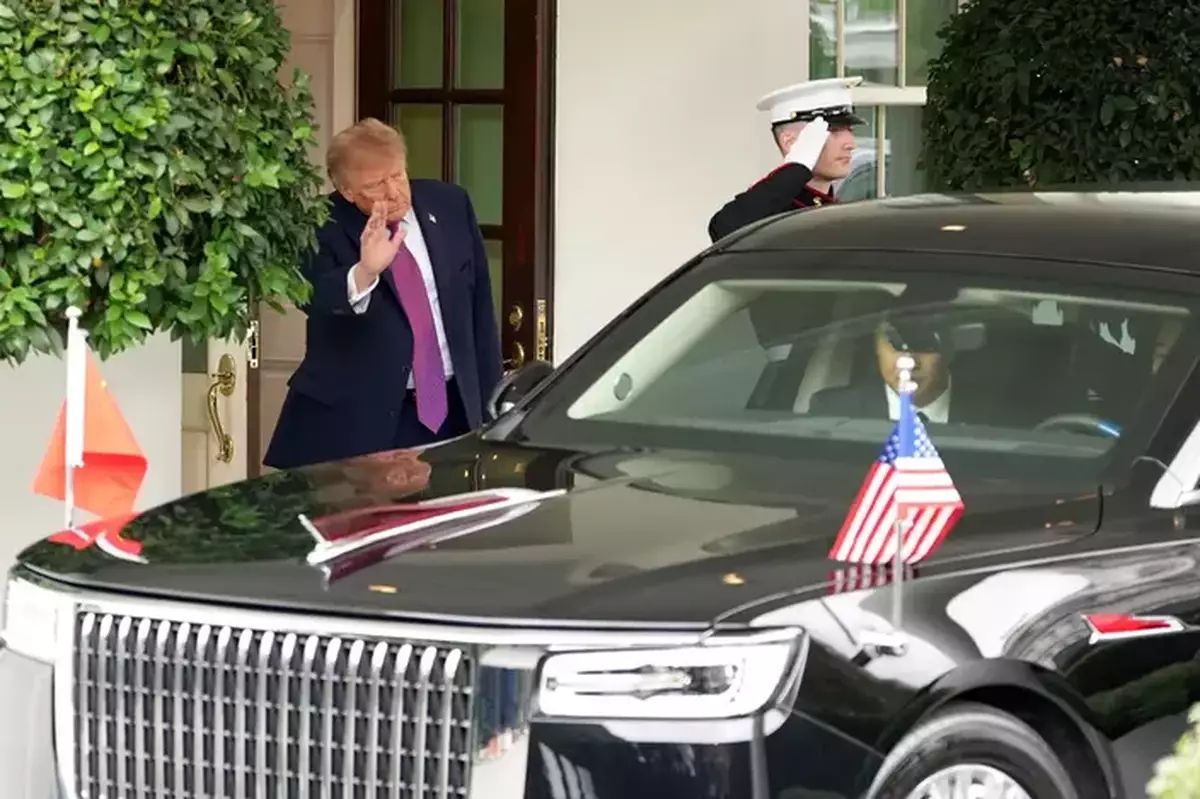
China clearly gained more than the United States. The reception standards were extraordinarily high, and they overawed U.S. allies such as Japan and Europe. But the summit's most practical achievement was simpler: against a backdrop of deep China-US hostility, the two sides introduced no new confrontational measures.
The summary of the China-US outcomes did not mention Taiwan, and China's summary did not mention rare earths. That reflects President Xi's care for Trump's feelings after Trump backed down on the Taiwan issue, and his reluctance to push too hard. The United States has already shelved the US$14 billion arms sale to Taiwan anyway.
China sent two pandas and held back a rare earth card. It knows you're not going anywhere.
Lo Wing-hung
Bastille Commentary
** 博客文章文責自負,不代表本公司立場 **