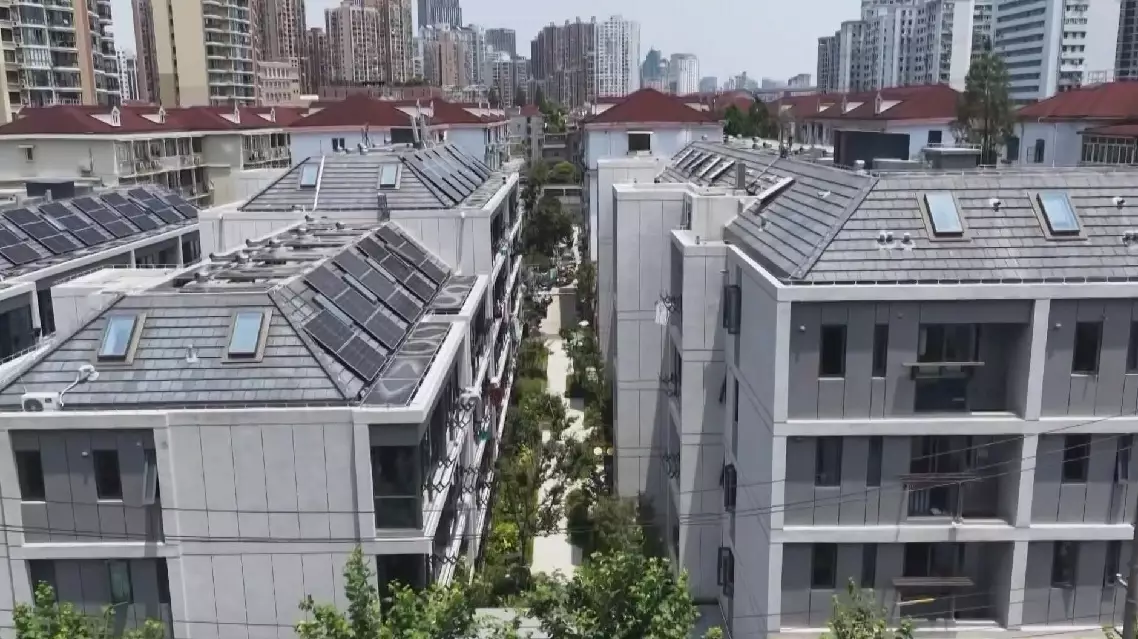
After decades of shared bathrooms and the daily chore of emptying chamber pots, residents of a Shanghai neighborhood are finally enjoying modern comfort and convenience following a comprehensive community upgrade.
The apartments of Shimin Xincun Village were built in 1957, a time when housing was rapidly constructed to house Shanghai's booming industrial workforce, prioritizing basic shelter over private amenities. Even as late as three years ago, little about the apartments had changed.
Now, the residents enjoy modernized living conditions that suit their lifestyles. That accomplishment is thanks to Shanghai's "one household, one policy" approach, which tailors renovations to the needs of each family rather than using cookie-cutter upgrades.
For decades, resident Zhu Guoli began every day with the same chore: emptying a chamber pot. She could have used the floor's shared bathroom, but concerns about hygiene kept her from going in.
"Ten families shared one toilet. I'd never go there. I used a chamber pot at home, and went out every morning to empty it. But there was nowhere to take a shower," Zhu said.
In 2022, Shanghai issued guidance to accelerate the renewal of old residential buildings, setting out a decade-long effort to speed up the renovation of aging housing that lacked private kitchens and bathrooms.
The following year, Shimin Xincun Village became part of that transformation and benefited from the "one household, one policy" approach. Zhang Wei, head of the community, has been involved from the very beginning. In her notebook, she wrote down every request from residents.
"Some wanted a separated dry-and-wet area for their bathrooms. Some wanted a bigger bathroom and were willing to give up some living space. Every household has different needs. So we tailor the design to each family," Zhang said.
For Zhu, this meant not only taking renovation choices into account but also considering where to place her family in the newly upgraded building. She required a home near the community's gate so that her ill husband could be transferred to hospital with greater ease whenever needed.
"Her house was originally the one next to the current one, Room 103. We changed her house to a position closer to the building exit," said Xiao Jianbo, deputy head of the Department of Engineering at Shanghai Nanfang Group Real Estate Management.
Other requests took much more effort. One resident asked to have an extra toilet installed in a 30-square-meter home.
"The main reason was that the elderly had to get up at night. Walking from the bedroom down the corridor to the bathroom was inconvenient. He was willing to give up about two square meters of living space, so we built him a separate toilet and a small shower room," said Ma Chunhua, deputy general manager of Shanghai Nanfang Group Real Estate Management.
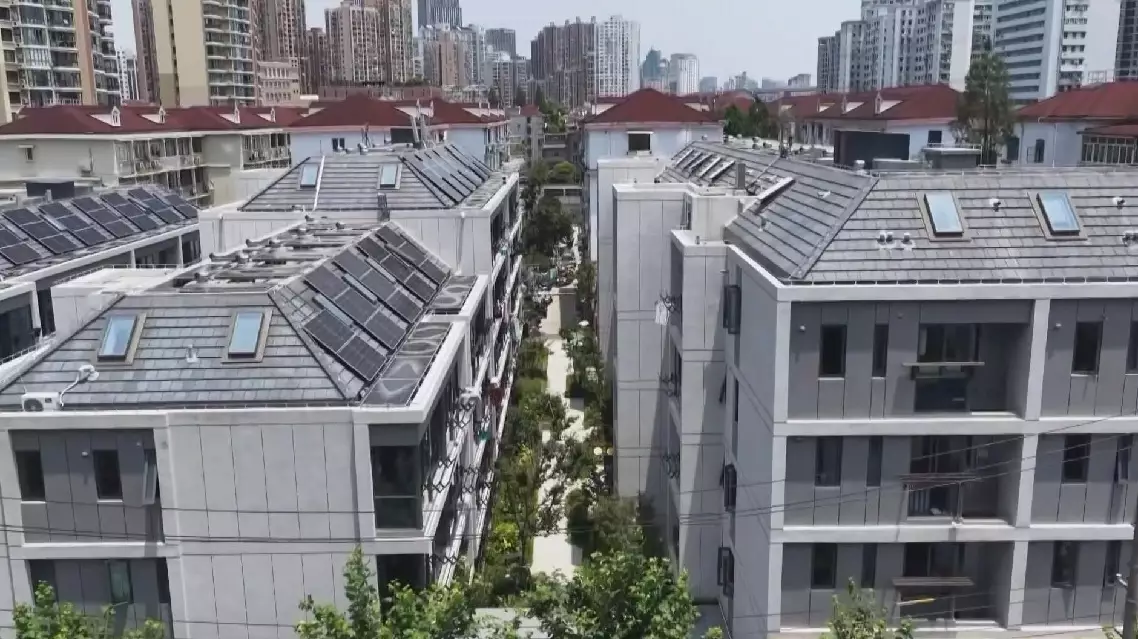
Today, Shanghai has brought an end to the chamber-pot era, marking a significant milestone in the city's urban renewal. Across the city, more communities now have access to elevators, air conditioning, private kitchens and bathrooms.
Under Shanghai's three-year action plan for 2026-2028, the city will renovate 700,000 square meters of old housing.
Urban renewal in Shanghai brings end to chamber pot era, tailors renovations to family needs
Urban renewal in Shanghai brings end to chamber pot era, tailors renovations to family needs