The 2026 Chengdu Open Rowing Regatta brought Chinese and overseas athletes to southwest China's Sichuan Province from Thursday to Friday, with athletes testing their skills on the water while enjoying the city's culture and pandas during the National Day holiday.
The two-day event featured 37 teams, with 12 university crews, competing across University and Open divisions. Rowers took on an 800-meter straight-course sprint and, for the first time, a 3.3-kilometer pursuit race, four times the length of traditional regattas.
Chengdu Sport University dominated the University Division, claiming both event titles.
"The race course is beautiful. Everyone has been incredibly kind and welcoming. And we are very excited to race today. After the competition, we are looking forward to experiencing Chengdu City and having more food and talking to more people. We are really enjoying our stay in China," said James Wright, an athlete from Stanford University.
After the competition, international athletes explored local landmarks, including the renowned Giant Panda Breeding Research Base.
"I love the food, especially the Sichuan hot pot has been my favorite thing so far. I have also been so surprised and taken aback by how welcoming and how good host people are here," said Rohan Crowe, team manager of the Oxford University team.
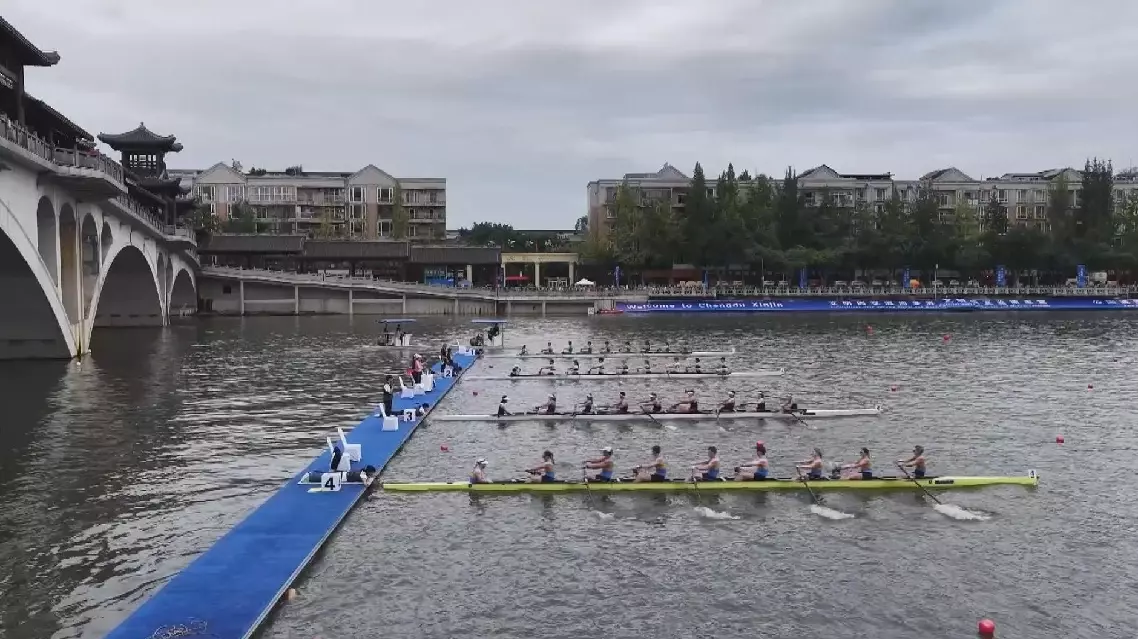
Overseas athletes compete, explore local culture at 2026 Chengdu Rowing Regatta
Overseas athletes compete, explore local culture at 2026 Chengdu Rowing Regatta
The Iranian navy said Wednesday that a "violating" oil tanker caught fire after colliding with naval mines east of the Strait of Hormuz hours earlier.
In a statement on the Iranian army's website, the navy said the tanker had turned off its identification and navigation systems and entered a "forbidden" area east of the waterway.
It added that the explosion caused the vessel to catch fire and brought it to a stop, underscoring the need to comply with navigation instructions and heed safety warnings.
The Iranian Army's Navy stressed that responsibility for the consequences of violating Iranian regulations in the waterway would be borne by the vessel's operator and owner.
In a separate statement on Wednesday, the IRGC Navy said a "violating" vessel carrying liquefied natural gas (LNG) had exploded and caught fire that evening after hitting naval mines. The IRGC Navy added that the LNG carrier had switched off its GPS systems.
Earlier in the day, the IRGC Navy said two "violating" oil tankers had exploded and caught fire after hitting naval mines east of the Strait of Hormuz and off the southern coast near the waterway.
International Maritime Organization (IMO) Secretary-General Arsenio Dominguez reiterated on Tuesday that transiting the Strait of Hormuz remains unsafe and that ships should avoid the route.
Dominguez said many ships are taking grave risks to transit the strait to carry oil, natural gas and liquefied petroleum gas, a practice fraught with extreme hazards.
The number of attacks on vessels had risen, with seafarers injured and some killed, Dominguez noted, adding that the IMO needed to keep stressing that transiting the Strait of Hormuz was unsafe and that such unlawful practices would do nothing to improve the situation.
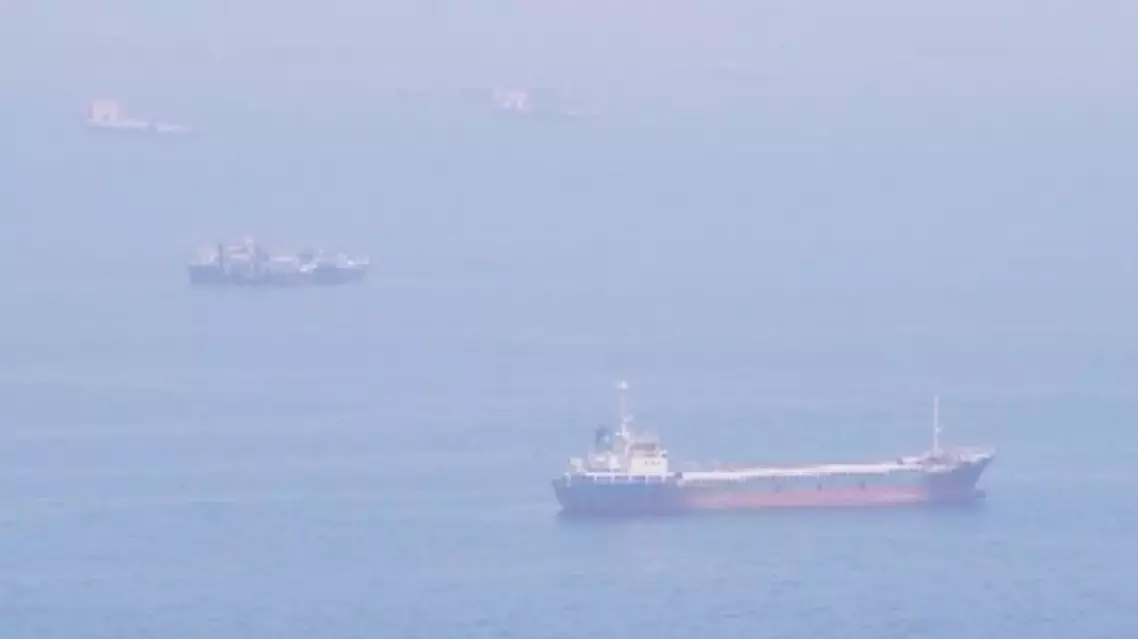
Iran says "violating" oil tanker caught fire after hitting mines east of Hormuz Strait