Skip to Content Facebook Feature Image

Cargill Expands Renewable Electricity Portfolio in the Central United States

Business

Cargill Expands Renewable Electricity Portfolio in the Central United States
Business

Business

Cargill Expands Renewable Electricity Portfolio in the Central United States

2026-10-07 21:04 Last Updated At:21:10

MINNEAPOLIS--(BUSINESS WIRE)--Oct 7, 2026--

Cargill is expanding its renewable electricity portfolio in the United States through solar and wind projects in Oklahoma and South Dakota. By focusing on regions where it operates, the company is working to reduce emissions from how food is produced and processed while supporting more resilient and efficient operations.

This press release features multimedia. View the full release here: https://www.businesswire.com/news/home/20261007939784/en/

Cargill has entered into a virtual power purchase agreement (VPPA) for 87 megawatts (MW) of wind power from the Sweetland Wind project in South Dakota. The 12.6-year agreement is expected to generate approximately 392,000 megawatt-hours (MWh) of renewable electricity annually, supporting a reduction of approximately 162,000 metric tons (MT) of carbon dioxide equivalent (CO2e) emissions per year from Cargill’s operations.

Cargill also previously executed a long-term VPPA for the full output of the 85 MW Choctaw Fields Solar project in Oklahoma. The project began commercial operations in August 2026 and is projected to reduce approximately 1.30 million MT of CO2e emissions over the life of the agreement, or approximately 86,000 MT annually.

Combined, the two projects are expected to support approximately 3.3 million MT of emissions reductions over the contract terms.

Both projects are located within the Southwest Power Pool (SPP), a regional grid serving much of the central United States. This includes states where Cargill operates large facilities that produce and process products such as beef, sweeteners and feed ingredients. And because Cargill’s operations are part of its customers’ supply chains, reducing the emissions associated with our operational electricity consumption can reduce emissions associated with the products customers source from Cargill – helping support progress toward their emissions reduction goals.

“Our customers are looking for ways to reduce emissions from the products they source from us, and we’re partnering closely with them to support their goals,” said Christina Yagjian, senior director of global renewable energy at Cargill. “By expanding renewable electricity in the regions where we operate, we can connect our energy sourcing more directly to the products and ingredients we supply to our customers. We continue to work with developers to find practical, creative opportunities to grow our renewable portfolio in a complex and competitive energy market while supporting reliable and resilient energy sourcing for our operations.”

Virtual power purchase agreements (VPPAs) are contracts that support renewable energy projects. The electricity is delivered to the regional grid, and companies receive the environmental attributes associated with that renewable energy. Cargill uses VPPAs as one of several ways it is working to manage energy use, support operational resilience and reduce emissions from its operations.

These projects are part of Cargill’s broader approach to energy across its operations. The company’s renewable electricity portfolio includes six VPPAs in North America and more than 100 projects across 30 countries. Cargill continues to look for practical opportunities to grow its renewable electricity portfolio in regions where it operates, supporting its broader effort to reduce absolute Scope 1 and 2 emissions by 25% by 2035 from a 2020 baseline.

Frequently asked questions

What is a virtual power purchase agreement (VPPA)?

A VPPA is a contract that supports renewable energy projects. The electricity is delivered to the regional electricity grid, and the company receives the environmental attributes associated with that renewable energy, even though the power is not sent directly to its facilities.

How do Cargill’s renewable electricity projects support customers’ climate goals?

Cargill’s operations are part of customer supply chains. Reducing emissions associated with electricity consumption in our operations can help address emissions associated with the products customers source from Cargill and support progress toward their emissions reduction goals.

What else is Cargill doing to reduce emissions from its operations?

Cargill is using a range of approaches to reduce emissions from its operations globally, including renewable electricity, energy efficiency, onsite energy generation and other improvements to how its facilities use and produce energy.

About Cargill

Cargill is committed to providing food, ingredients, agricultural solutions, and industrial products to nourish the world in a safe, responsible, and sustainable way. Sitting at the heart of the supply chain, we partner with farmers and customers to source, make and deliver products that are vital for living.

Our 155K+ employees innovate with purpose, providing customers with life’s essentials so businesses can grow, communities prosper, and consumers live well. With 160 years of experience as a family company, we look ahead while remaining true to our values. We put people first. We reach higher. We do the right thing—today and for generations to come. For more information, visit Cargill.com and our News Center.
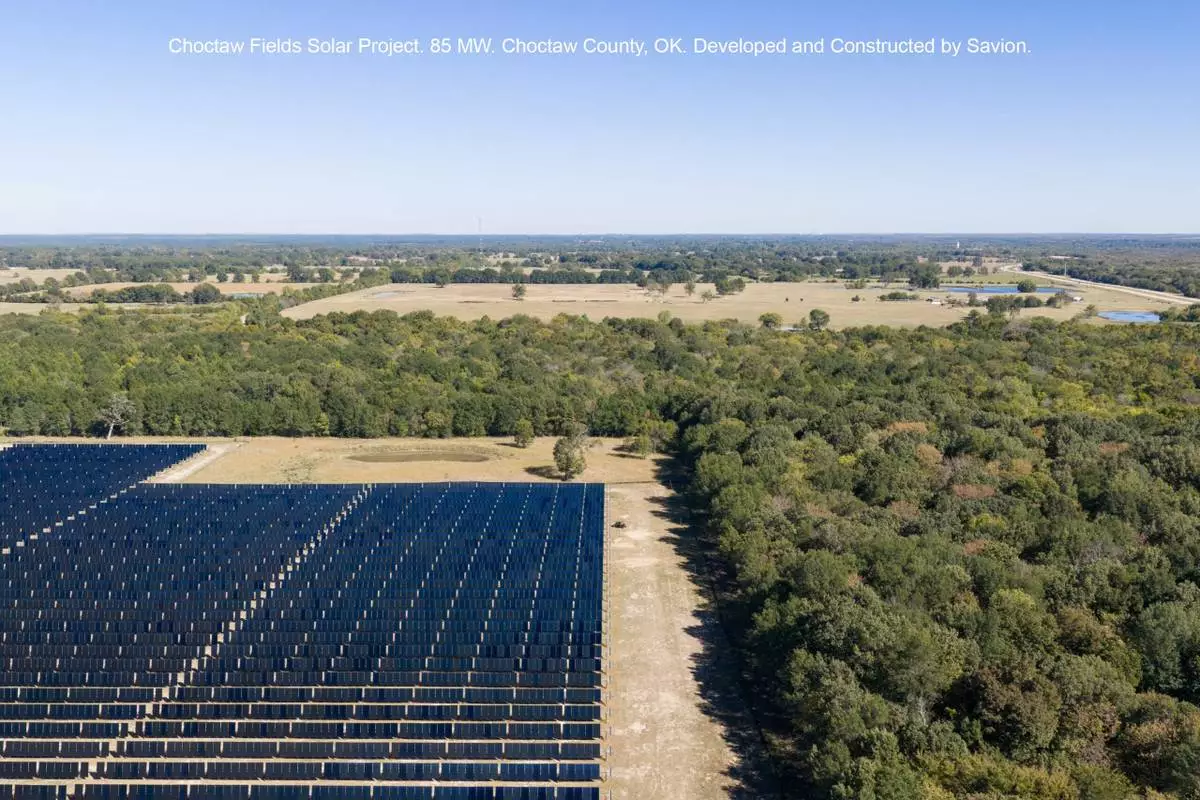
Cargill previously executed a long-term VPPA for the full output of the 85 MW Choctaw Fields Solar project in Oklahoma.
Cargill previously executed a long-term VPPA for the full output of the 85 MW Choctaw Fields Solar project in Oklahoma.

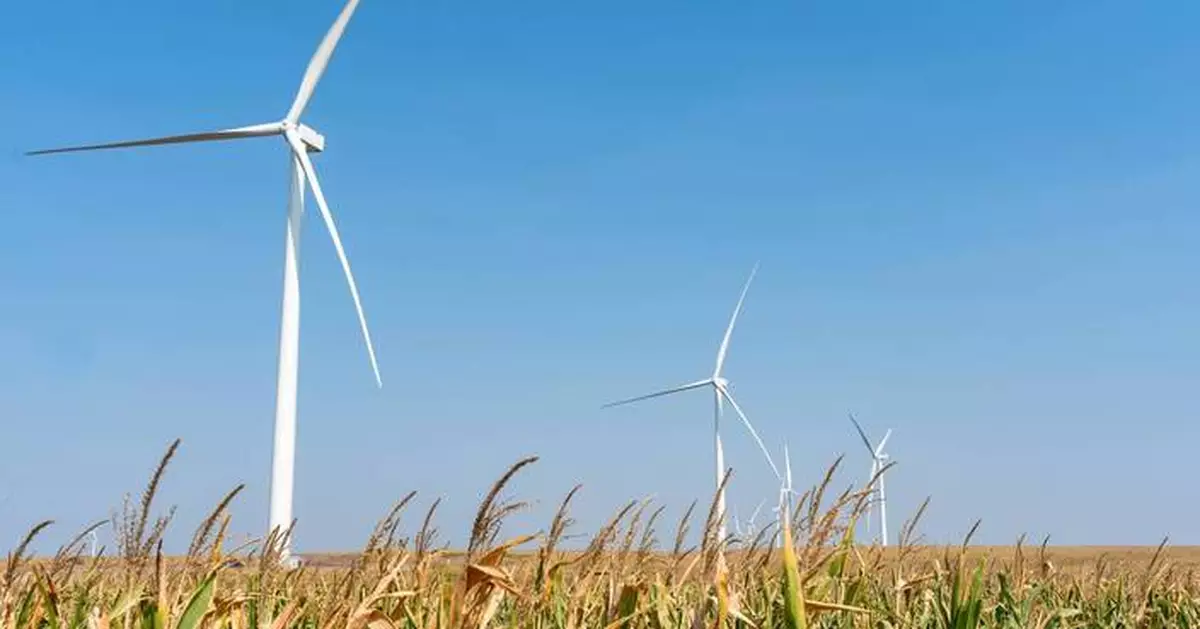
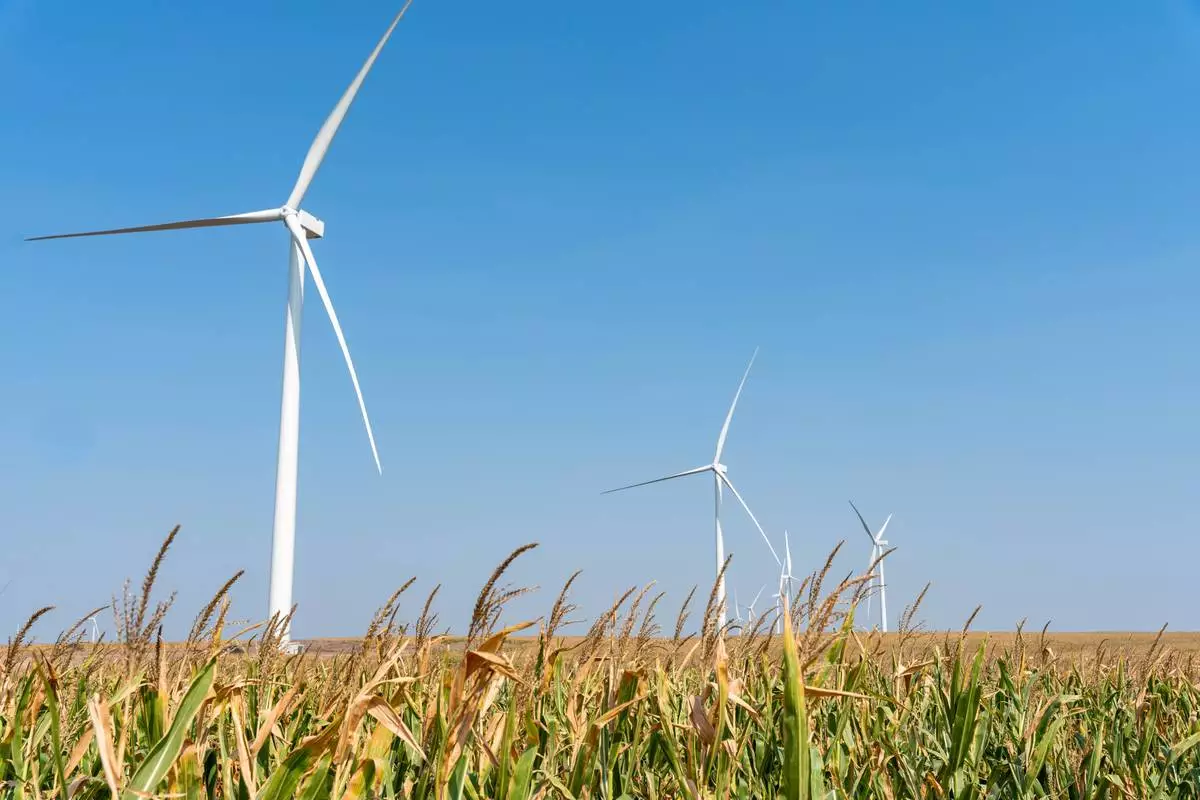
Cargill has entered into a VPPA for 87 MW of wind power from the Sweetland Wind project in South Dakota.

Cargill has entered into a VPPA for 87 MW of wind power from the Sweetland Wind project in South Dakota.
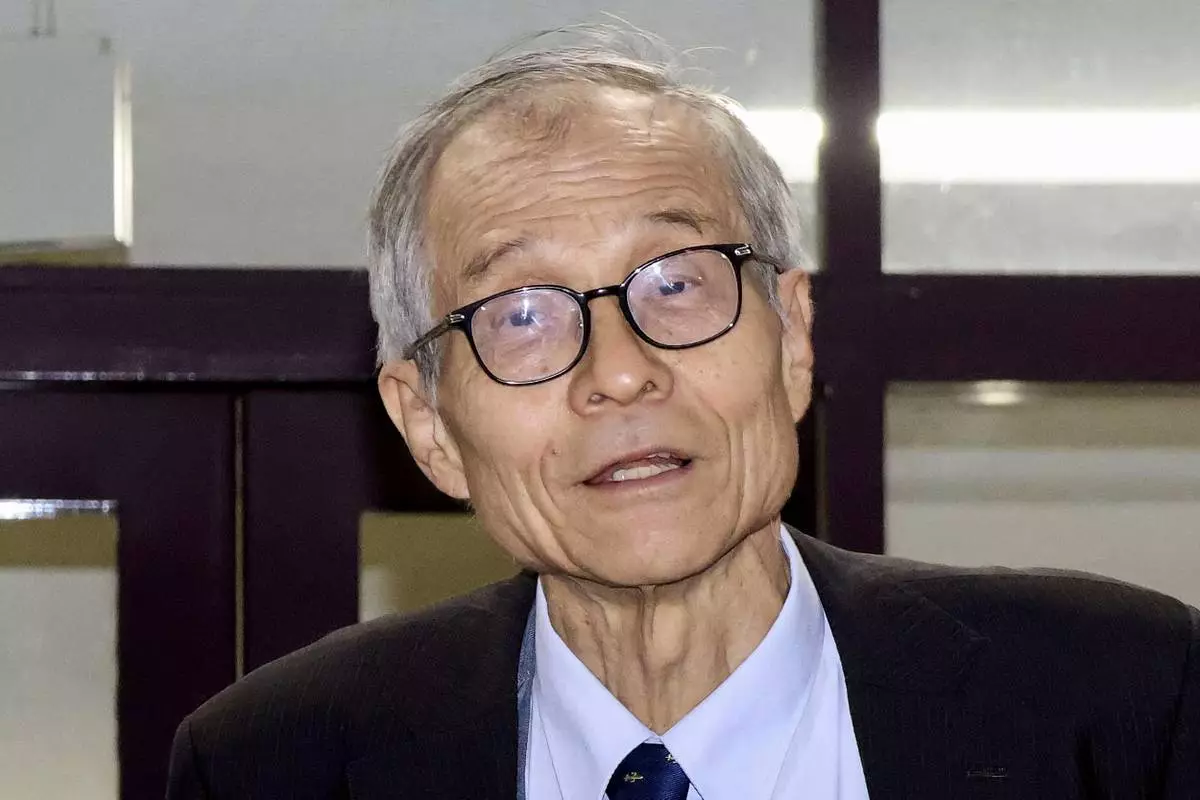
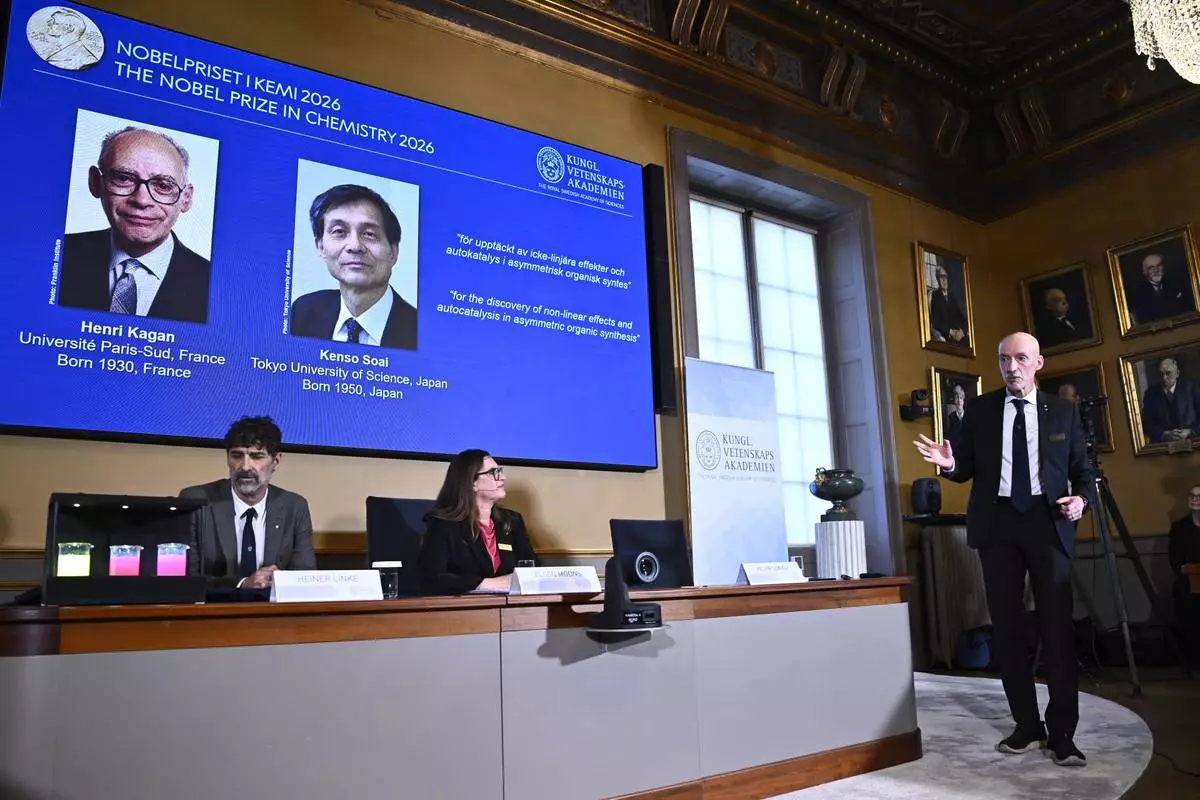
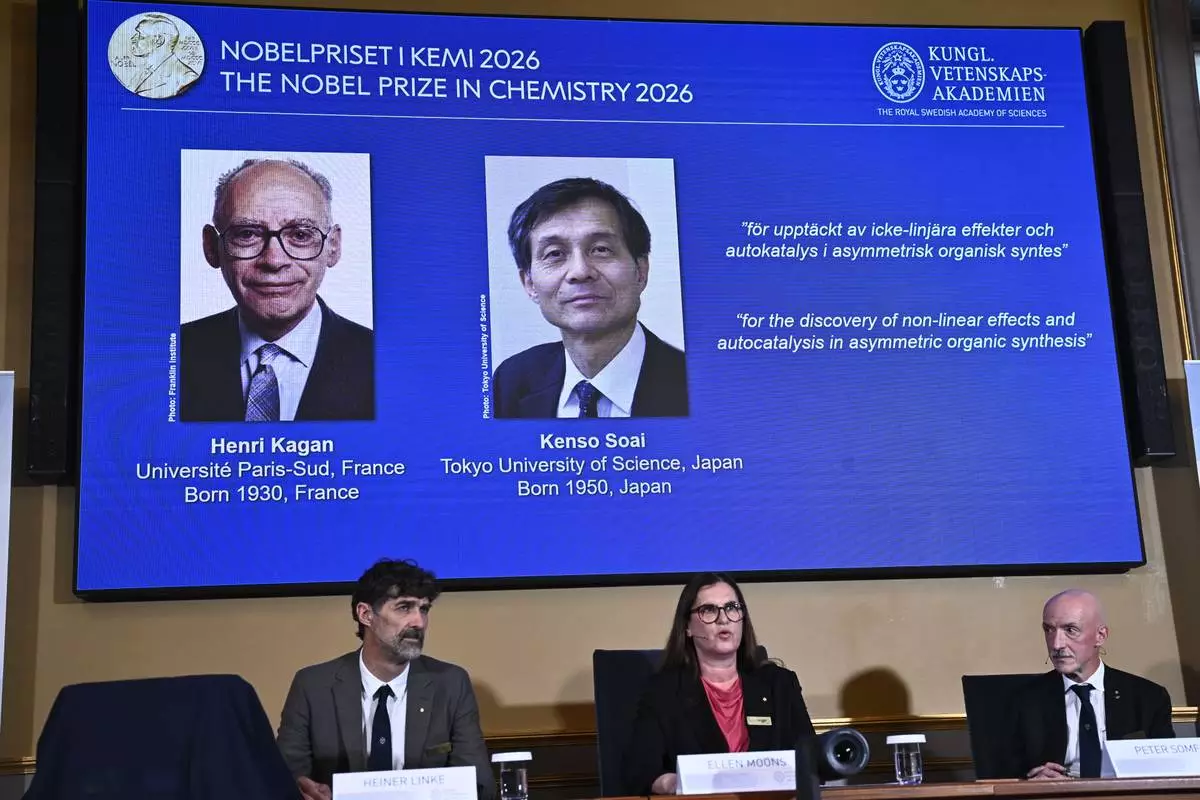
STOCKHOLM (AP) — Scientists Henri B. Kagan and Kenso Soai won the Nobel Prize in chemistry Wednesday for untangling mysterious mirror images in molecules, a discovery that has been used to develop countless drugs and transformed modern medicine.

Many molecules come in versions that look alike but are not exactly identical, like right and left hands. One mirror image of the chemical carvone smells like mint, for example, while the other has a whiff of caraway, a spice often used in rye bread.

Even life itself prefers one mirror image over the other. DNA twists to the right, and the proteins in human bodies are made of mostly left-handed building blocks.

Versions of the same molecule can behave differently when interacting with other chemicals. When designing drugs to treat diseases, scientists want to be choosy about which mirror image they get. They want the version of a molecule to treat a cold, not one that will make the sniffles worse.

Kagan, who is from France, and Soai, from Japan, found ways to make chemistry pick a side, designing and manipulating reactions to produce the desired mirror image.

“This is probably the coolest experiment in organic chemistry,” said Peter Somfai, a member of the Nobel Committee for Chemistry. “Taken together, the groundbreaking discoveries by Henri Kagan and Kenso Soai have reshaped our understanding of molecular chirality,” a term that comes from the Greek word for “hand.”

Scientists paid tribute to Kagan and Soai's work, which the Nobel committee described as a feat never previously achieved by anyone “other than life itself.”

“It might be difficult to say that this drug, or that drug, was developed using this,” Somfai said. “I would say all of them, because we use this as a tool, we use this as an understanding, how to develop catalysts, how they function.”

In the 1980s, Kagan’s work showed there might be a way to design reactions to produce one form of a molecule over the other. Years later, Soai perfected the process. He created the first-ever chemical reaction to efficiently produce only one of a molecule’s mirror images, in what’s now known as the Soai reaction.

“The medicines we have today would not be possible without this chemistry,” said Rigoberto Hernandez, president of the American Chemical Society.

Kagan, 95, is affiliated with the Université Paris-Sud in Orsay, France. Soai, 76, is affiliated with the Tokyo University of Science.

The French Academy of Sciences, of which Kagan is a member, congratulated the two scientists and expressed its pride in the prize.

Neither the Université Paris-Sud nor the Tokyo University of Science immediately responded to requests for comment from The Associated Press.

“I’m very excited to receive the very nice news,” Soai told the committee and journalists by phone. “Of course this is one of the most exciting days in my life.”

He said he was shopping near his home when he was reached by the Nobel committee.

The Royal Swedish Academy of Sciences announced the winner in Stockholm.

Last year, three scientists won the chemistry Nobel for their development of new molecular structures that can trap vast quantities of gas inside, laying the groundwork to potentially suck greenhouse gases out of the atmosphere or harvest moisture from desert environments.

This year's prizes began with the Nobel for medicine, awarded Monday to three scientists whose work led to a tool that uses light to help unravel how the brain works. The physics award Tuesday recognized a scientist's efforts to demystify a rare group of neutrinos.

The literature prize is set to be awarded Thursday. After Friday’s peace prize is awarded, the Nobel Memorial Prize in Economic Sciences will be announced Monday.

The prize money this year is 12 million Swedish kronor (about $1.2 million), whether for an individual, a small group of laureates or an organization.

This story has been corrected to clarify that Kagan, not Soai, is 95.

Ramakrishnan reported from New York. Dazio reported from Berlin. Associated Press journalists Alexa St. John in Detroit, Catherine Gaschka in Paris and Mari Yamaguchi in Tokyo contributed to this report.

AP Nobel Prizes: https://apnews.com/hub/nobel-prizes

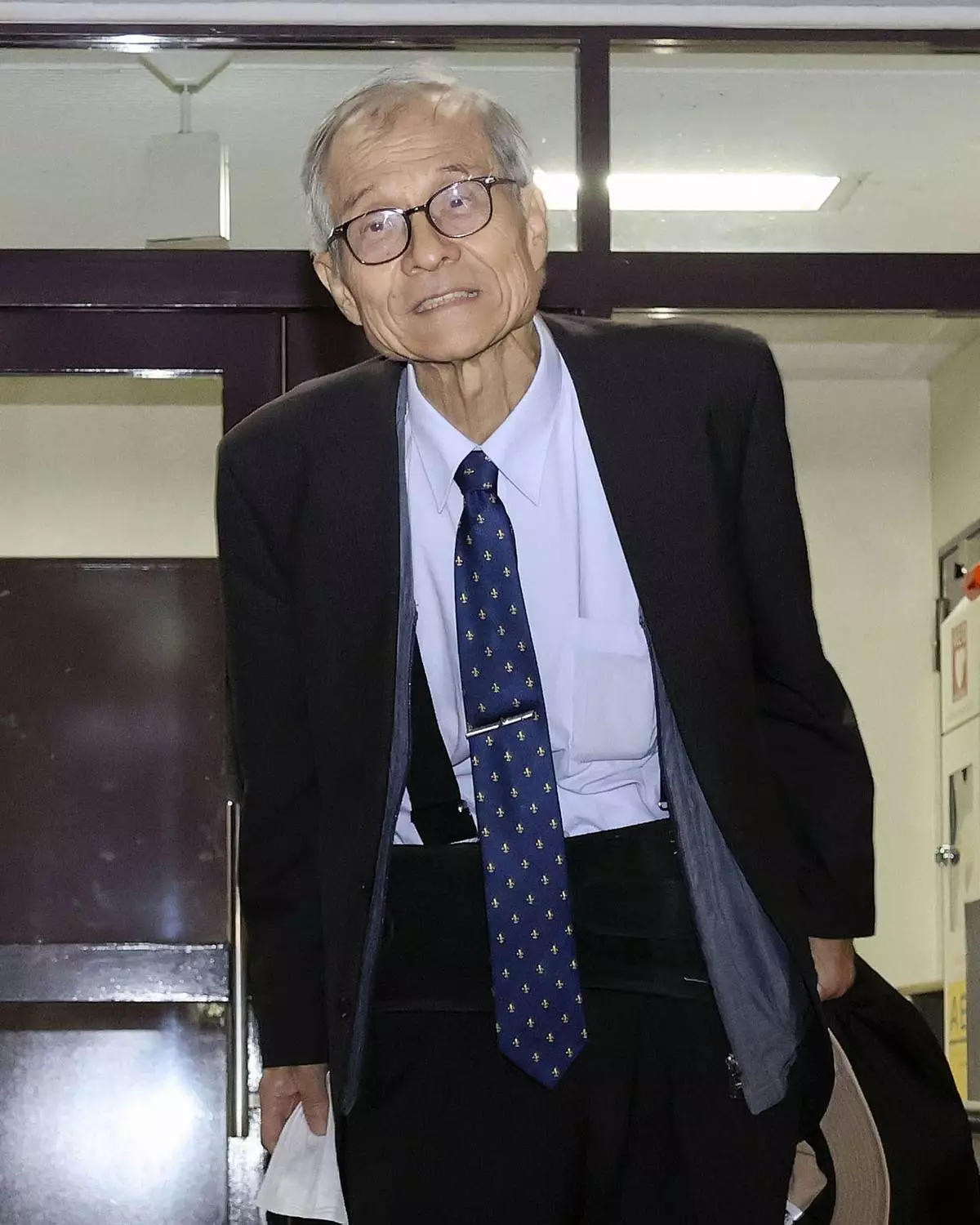
Japanese chemist Kenso Soai, who won the 2026 Nobel Prize in Chemistry, leaves home for a press conference, in Shiki, Saitama prefecture, Wednesday, Oct. 7, 2026. (Kyodo News via AP)

Japanese chemist Kenso Soai, who won the 2026 Nobel Prize in Chemistry, leaves home for a press conference, in Shiki, Saitama prefecture, Wednesday, Oct. 7, 2026. (Kyodo News via AP)

Japanese scientist Kenso Soai, winner of the 2026 Nobel Prize in Chemistry, leaves home for a press conference, in Shiki, Saitama prefecture, Wednesday, Oct. 7, 2026. (Kyodo News via AP)

Japanese scientist Kenso Soai, winner of the 2026 Nobel Prize in Chemistry, leaves home for a press conference, in Shiki, Saitama prefecture, Wednesday, Oct. 7, 2026. (Kyodo News via AP)

Portraits of Henri Kagan and Kenso Soai are shown on the screen as they are awarded the 2026 Nobel Prize in Chemistry, at the Royal Swedish Academy of Sciences in Stockholm, Sweden, on Oct. 7, 2026. Photo: (Fredrik Sandberg/TT News Agency via AP)

Portraits of Henri Kagan and Kenso Soai are shown on the screen as they are awarded the 2026 Nobel Prize in Chemistry, at the Royal Swedish Academy of Sciences in Stockholm, Sweden, on Oct. 7, 2026. Photo: (Fredrik Sandberg/TT News Agency via AP)

Portraits of Henri Kagan and Kenso Soai are shown on the screen as they are awarded the 2026 Nobel Prize in Chemistry, at the Royal Swedish Academy of Sciences in Stockholm, Sweden, on Oct. 7, 2026. Photo: (Fredrik Sandberg/TT News Agency via AP)

Portraits of Henri Kagan and Kenso Soai are shown on the screen as they are awarded the 2026 Nobel Prize in Chemistry, at the Royal Swedish Academy of Sciences in Stockholm, Sweden, on Oct. 7, 2026. Photo: (Fredrik Sandberg/TT News Agency via AP)

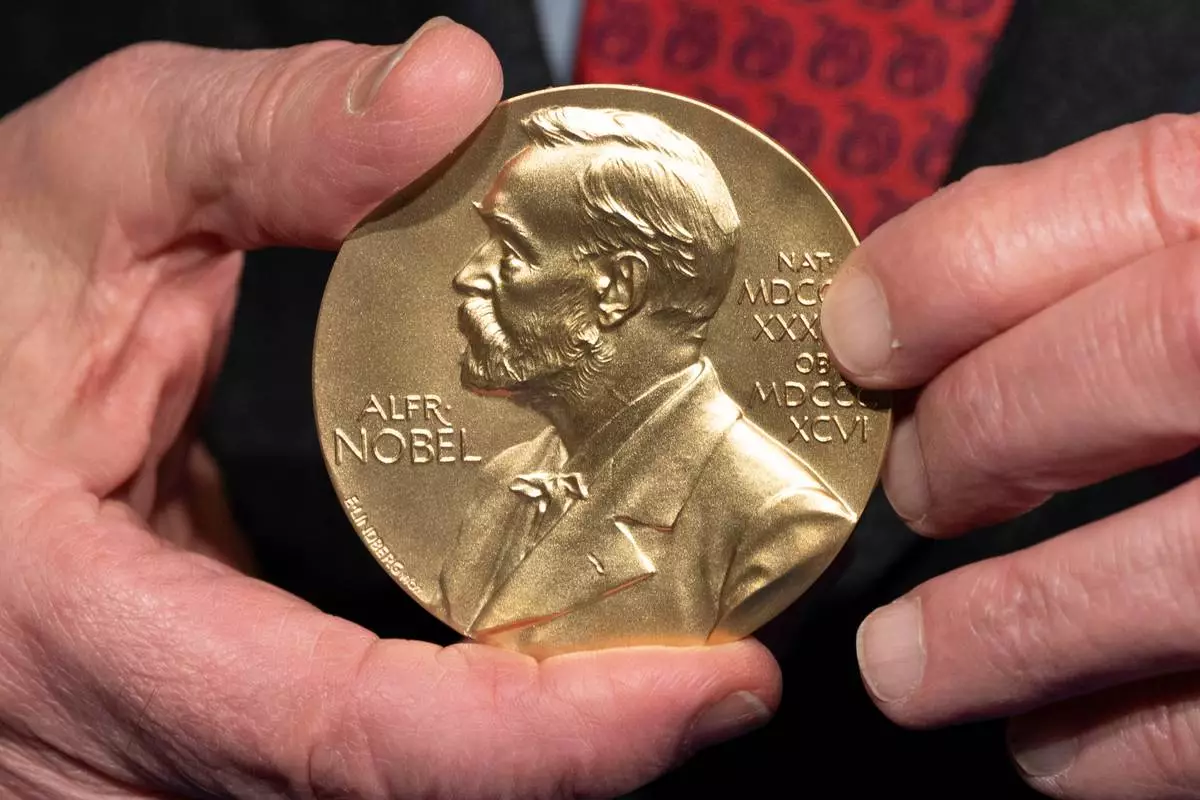
FILE - A close-up view of a Nobel Prize medal at the National Institutes of Health (NIH) in Bethesda, Md., Dec. 8, 2020. (AP Photo/Jacquelyn Martin, File)

FILE - A close-up view of a Nobel Prize medal at the National Institutes of Health (NIH) in Bethesda, Md., Dec. 8, 2020. (AP Photo/Jacquelyn Martin, File)

Recommended Articles