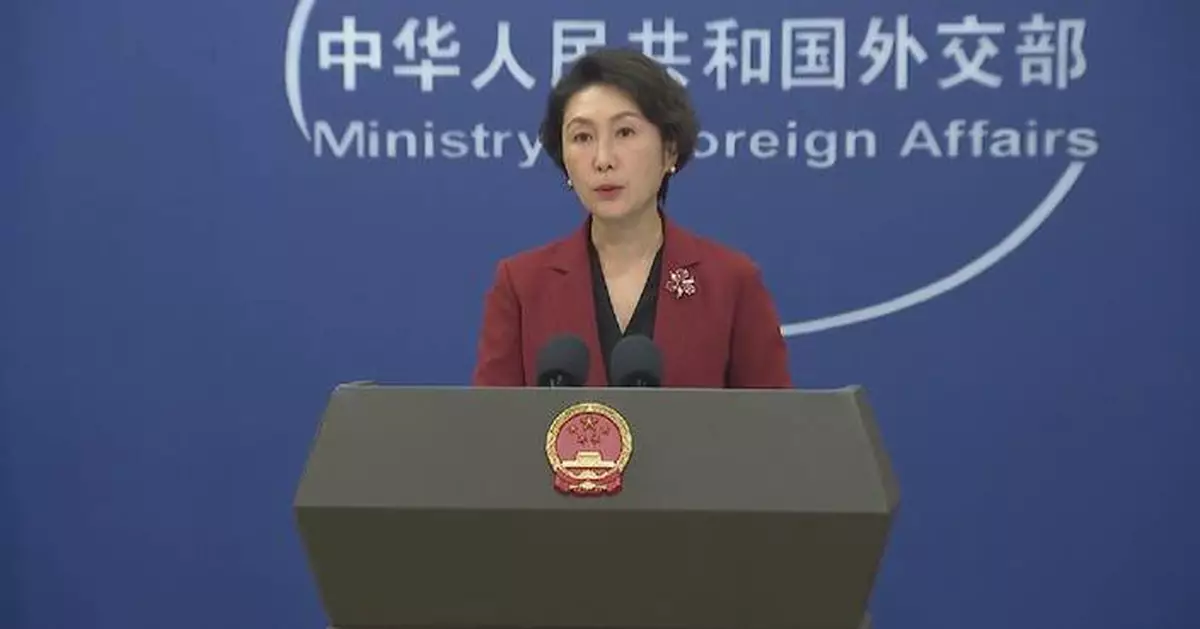
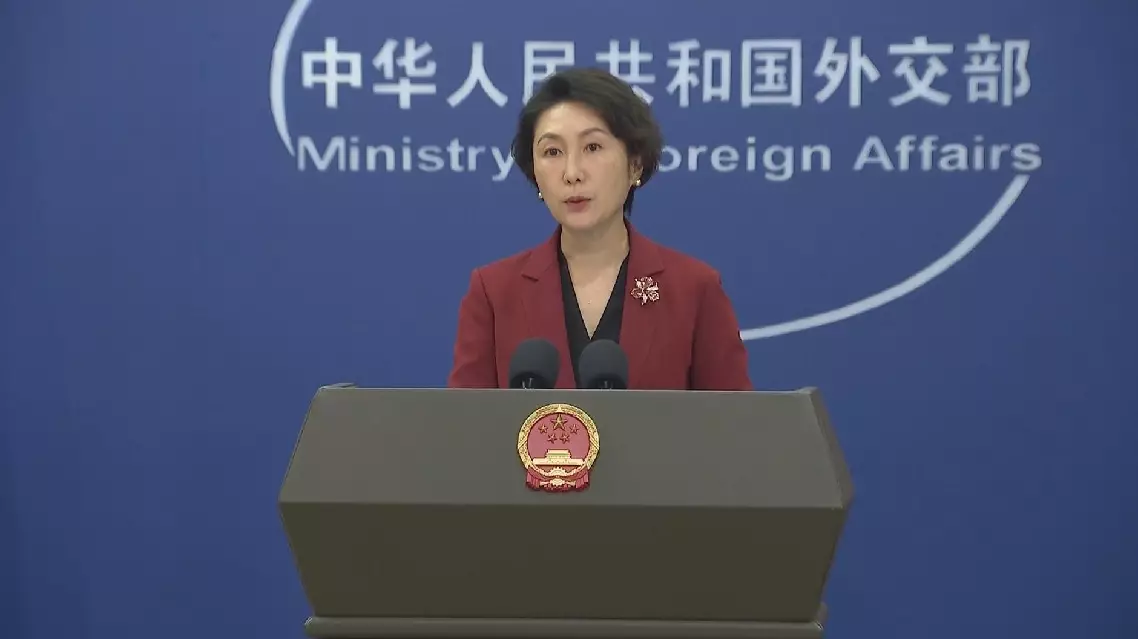
Accessibility for all serves the needs of developing countries, said foreign ministry spokeswoman Mao Ning at a press briefing on Thursday.
Mao's remarks came in response to a question about the United Nations Human Rights Council adopting by consensus on Monday a draft resolution titled "Promoting accessibility for the full enjoyment of all human rights by all," proposed by China on behalf of dozens of countries.
"Building a barrier-free environment is consistent with the vision of ensuring support for persons with disabilities and the elderly, and provides important safeguards for enabling all groups to participate equally and conveniently in social life and fully enjoy all human rights," Mao said.
Many countries commended China's efforts to promote the vision of "accessibility for all," and believes that it serves the real and pressing needs of developing countries to call for more technical assistance to developing countries and greater international cooperation in relevant fields, said the spokeswoman.
"In 2024, the Human Rights Council adopted the resolution with the same title proposed by China. This was the first resolution specifically on accessibility. The adoption of this resolution a few days ago is of great significance for international community to promote and protect the human rights of all groups, actively address population aging, leverage artificial intelligence and other emerging technologies to facilitate information exchange on accessibility, and strengthen global governance and standard-setting in relevant areas," said Mao.
China will follow the guidance of the four global initiatives -- the Global Governance Initiative, the Global Development Initiative, the Global Security Initiative, and the Global Civilization Initiative, proposed by President Xi Jinping, and deepen its cooperation with various parties to earnestly implement the vision of "accessibility for all," improve global governance on human rights, and promote sound progress of the international human rights cause, she said.
Accessibility for all serves needs of developing countries: spokeswoman