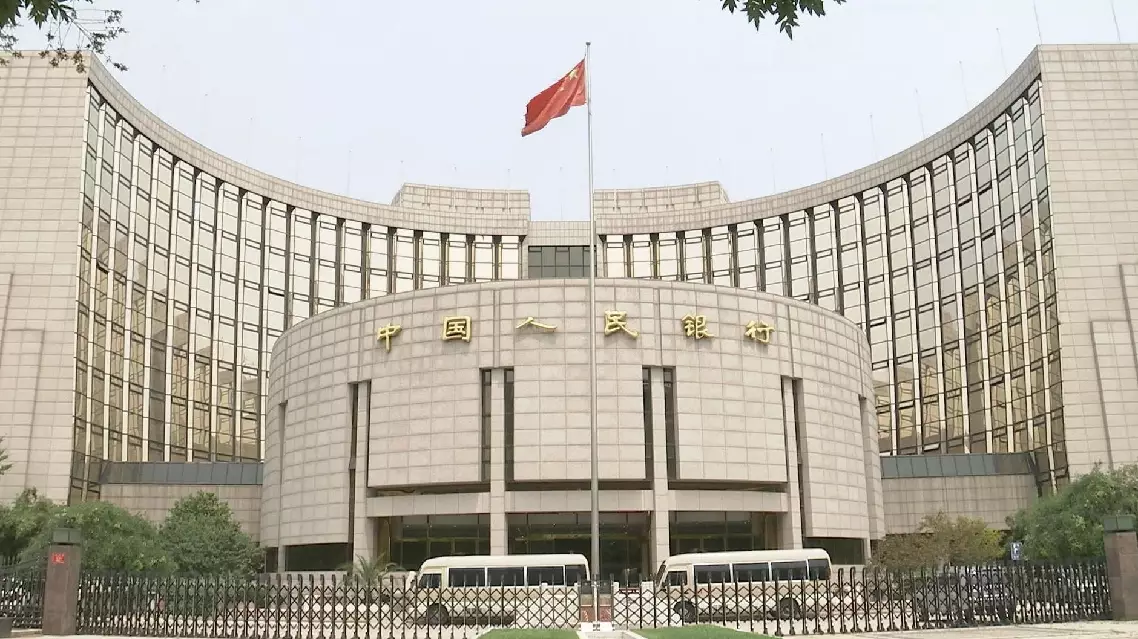
The People's Bank of China (PBOC), in outlining its policy stance on the RMB exchange rate on Thursday, said that China has no need and no intention to gain a trade competitive advantage by devaluing the RMB.
The PBOC said that China's trade development is rooted in the improvement of its industries' international competitiveness. It added that, apart from China, some other economies have also seen rapid export growth because their products meet international demand, not because of currency depreciation.
The central bank noted that multiple rounds of RMB appreciation in the past did not hinder China's trade development, nor did China's export share rise faster during periods of depreciation.
"For example, from 2005 to 2008 the RMB appreciated 21 percent against the U.S. dollar. From 2010 to 2014 it appreciated 10 percent. And from 2020 to 2021 it appreciated 9 percent. Over those same periods, China's share of global exports rose by 2.4, 2.8 and 1.7 percentage points, respectively. But when the RMB depreciated 7 percent against the dollar in 2016, and fell more than 8 percent in 2022, China's share of global exports fell by 0.7 percentage points in both periods," said Dong Ximiao, chief economist at Merchants Union Consumer Finance. Moreover, a key structural shift in China's trade in recent years has been a marked decline in its sensitivity to exchange rate movements.
Guan Tao, chief economist at Huafu Securities, said that from the perspective of trade structure, China's export structure has been upgrading and transforming from being dominated by low-end, labor-intensive products to mid- to high-end and diversified products. From the perspective of trade-related financial services, foreign trade firms are making greater use of exchange rate hedging tools. About 30 percent of trade is settled in RMB, and the proportion of firms using forex hedging has also reached around 30 percent, further reducing trade's sensitivity to exchange rate fluctuations. These ratios are expected to rise further in the future. China, as a responsible major country, has never engaged in competitive currency devaluation during multiple rounds of intense external shocks, and has never pushed the RMB lower to promote exports. In recent years, the countries concerned have launched trade wars, and the U.S. Federal Reserve has sharply accelerated its rate hikes, putting broad depreciation pressure on non-dollar currencies. The PBOC took timely macro-prudential measures to prevent an overshoot in RMB depreciation.
Furthermore, the trading volume of the global foreign exchange market is so massive that it is difficult to continuously intervene in and influence the market, said the central bank.
"In 2025, average daily global forex market turnover was nearly 10 trillion U.S. dollars. The RMB's average daily forex trading volume exceeded 800 billion U.S. dollars, with offshore market trading accounting for about 80 percent. Every transaction is influencing the exchange rate. The central bank basically does not have the capacity to intervene in a way that determines medium- to long-term exchange-rate trends, and no country can sustainably enhance trade competitiveness simply by keeping its exchange rate artificially low over the long term," said Wen Bin, chief economist at China Minsheng Bank.
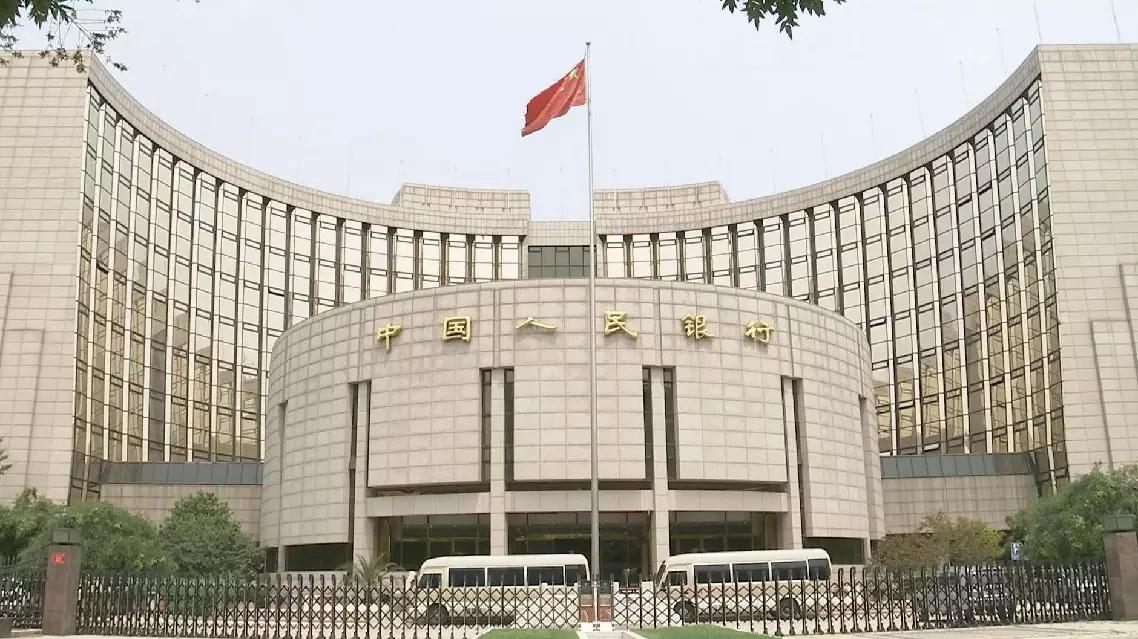
China has no intention to seek trade advantage through weaker RMB: central bank
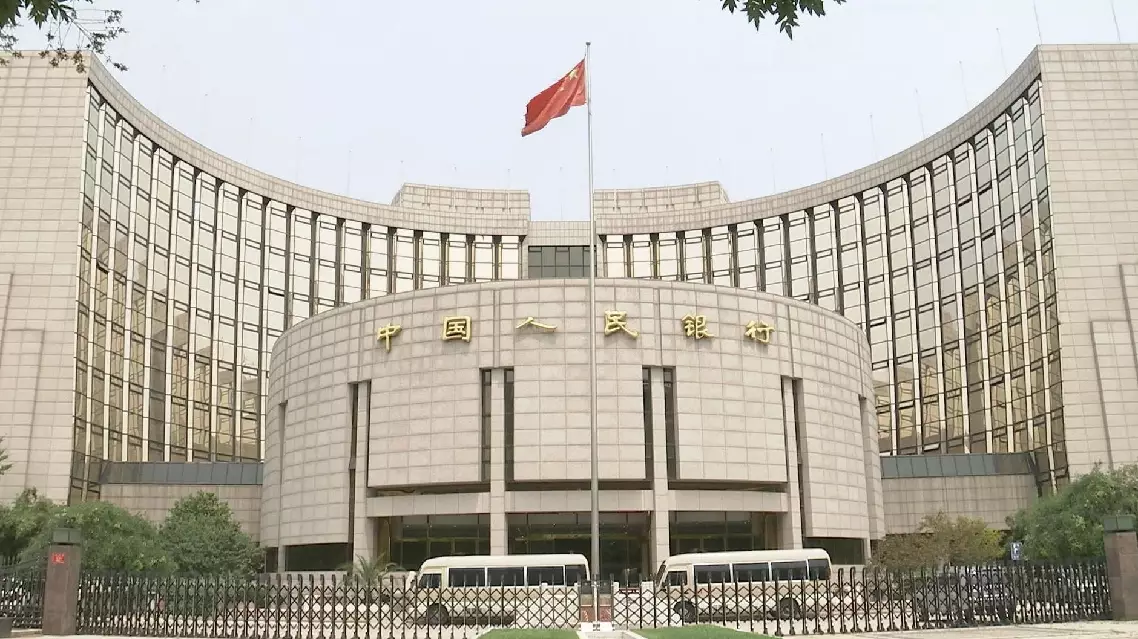
China has no intention to seek trade advantage through weaker RMB: central bank
China has no intention to seek trade advantage through weaker RMB: central bank