Julia Loktev’s new documentary begins almost like a tense Hollywood spy thriller. The journalists she’s filming on her iPhone scramble to get out of Russia, many without a plan or lodging and with only a carry-on suitcase full of hastily packed things, hoping they’re not held up at the border.
At nearly six hours, “My Undesirable Friends: Part II — Exile,” which opens in select theaters this weekend, is the second half of Loktev's portrait of Russian journalists and the culmination of a five-year project. It began with Loktev filming a group of independent journalists in Moscow in the fall of 2021 as Vladimir Putin was starting to declare some reporters “foreign agents."
Four months later, the situation changed dramatically: Russia launched a full-scale invasion of Ukraine and many journalists fled the country on only a few hours’ notice. Loktev kept filming, following her subjects as they reported on the war in exile.
“People hear, they’re like, ‘Oh my god a six-hour film about journalists? That’s really scary.’ But it’s actually not,” Loktev told The Associated Press in a recent interview. “It’s kind of a hangout film. It’s a friendly film.”
In the attention economy, a nearly six-hour documentary about anything might sound like a hard sell. Loktev knows this.
She went through it with the first film, “My Undesirable Friends: Part I — Last Air in Moscow,” which was shortlisted for an Oscar nomination and is currently streaming on MUBI. That documentary — a portrait of journalists working in a society on the verge of shutting down all press freedoms — is nearly 5 1/2 hours long.
Now she is doing it again, and neither time with the help of a traditional theatrical distributor. A publicist even recently told her that she’s hearing that people don’t want to watch it because they’re “kind of tired about hearing about press freedoms and authoritarianism.”
“I’m like, that’s really interesting, because authoritarianism isn’t tired of them,” Loktev said.
But the thing about the “My Undesirable Friends” movies is that somehow, despite the heavy subject matter, the sprawling runtime and the many characters, they don’t feel like homework. You also don’t need to see “Part I” to dip into “Part II.”
The main reason is that her subjects, most of whom are in their 20s and 30s, are so engaging and relatable despite being in extraordinary circumstances. It’s also why she didn’t tire of filming them.
“This is a film about very ordinary people who are just trying to do something good in an awful time,” Loktev said. “The film is so much about perseverance and how do you keep telling the story when attention moves away? … How you maintain optimism, or at least enough optimism, to get up the next morning and do your job?”
Since 2021, Russian authorities have labeled dozens of outlets and journalists as “foreign agents” — a designation aimed at discrediting them that also prevents them from selling advertising. They have also outlawed and imprisoned journalists. Many outlets have moved their newsrooms abroad since the first weeks of the war in Ukraine and are accessible in Russia via virtual private networks, or VPNs.
Loktev was born in the former Soviet Union in 1969 and immigrated to the U.S. with her family when she was 9 years old. She continued speaking Russian with her mother, which made it easier to parachute into this world. Her entry point was Anna Nemzer, who worked for the independent television news network TV Rain.
Loktev filmed everyone with her iPhone, which helped her almost disappear into the background. Part II had her traversing European countries constantly as everyone had dispersed.
After the invasion, Loktev left Russia a little later than her subjects: She wanted to make sure she had uploaded her footage to the cloud before attempting to exit the country with her tourist visa. She’d been warned that when an official is looking at a passport a little longer than usual and says that the “computer is hanging” that it means “they’re checking you out.”
“I was standing there … at the airport in Moscow and I’m like, ‘Is there an issue?’ and they’re like, ‘No, no our computer’s just hanging,’” she said. “It was hanging for a good 20 minutes. I tried not to pee my pants.”
Several of the subjects, including Nemzer, joined Loktev at the Venice Film Festival for the film’s world premiere. Many still work as journalists from afar. But one switches focus midway through the second film: Peter Ruzavin, a former Russian journalist who is married to a Ukrainian journalist, decided to enlist in the Ukrainian army. He said he realized that although his journalism was showing reality, it wasn’t changing it.
“We need not to run away from Putin. We need to fight him,” Ruzavin, who has served in the Ukrainian army for over two years, said in Venice. “That’s why I made my decision. I left the best work. I miss it every day.”
In the past few days, Loktev has seen some interesting headlines about her film, like one in The Daily Beast that reads “Vladimir Putin’s ‘War Crimes’ Exposed in Shocking New Film.” While hers is not an exposé on war crimes, it is a reminder, she said, of what the journalists in the film are trying to do when everyone else's attention has shifted.
“I think that’s something that we’re struggling with now in a way with the film, I’ll be honest, is that everybody moves on to the next thing,” Loktev said. “But the last thing hasn’t changed.”
The fantasy, she said, would be to make a “Part III” — “if ever the political situation in Russia changes.”
“But I think we might be very old by then.”
Associated Press reporter Dasha Litvinova in Tallinn, Estonia, contributed to this story.
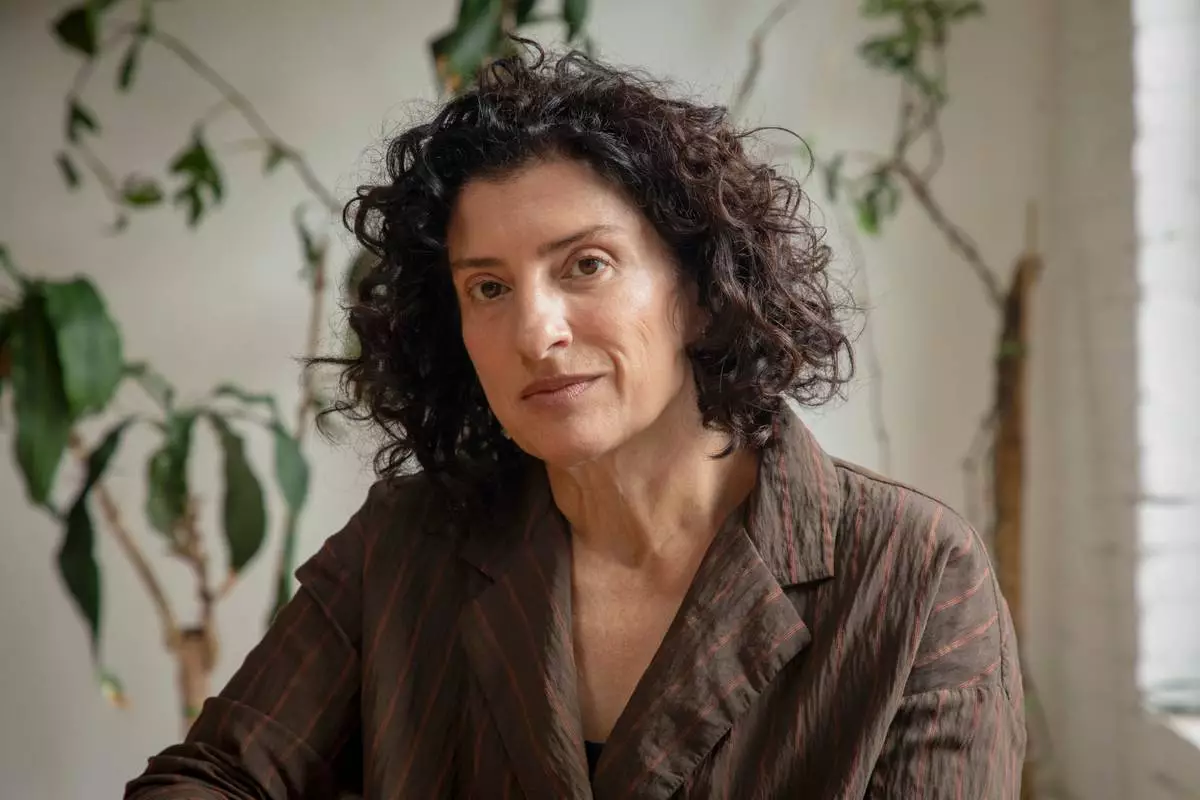
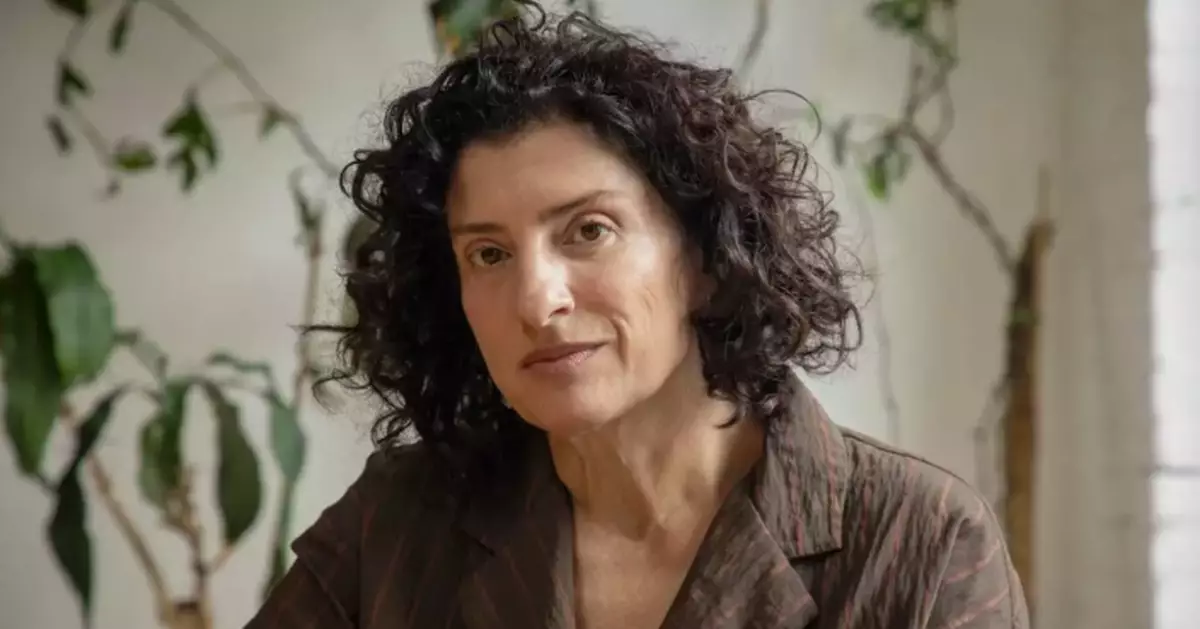
Julia Loktev poses for a portrait on Tuesday, Sept. 22, 2026, in New York. (Photo by Andy Kropa/Invision/AP)
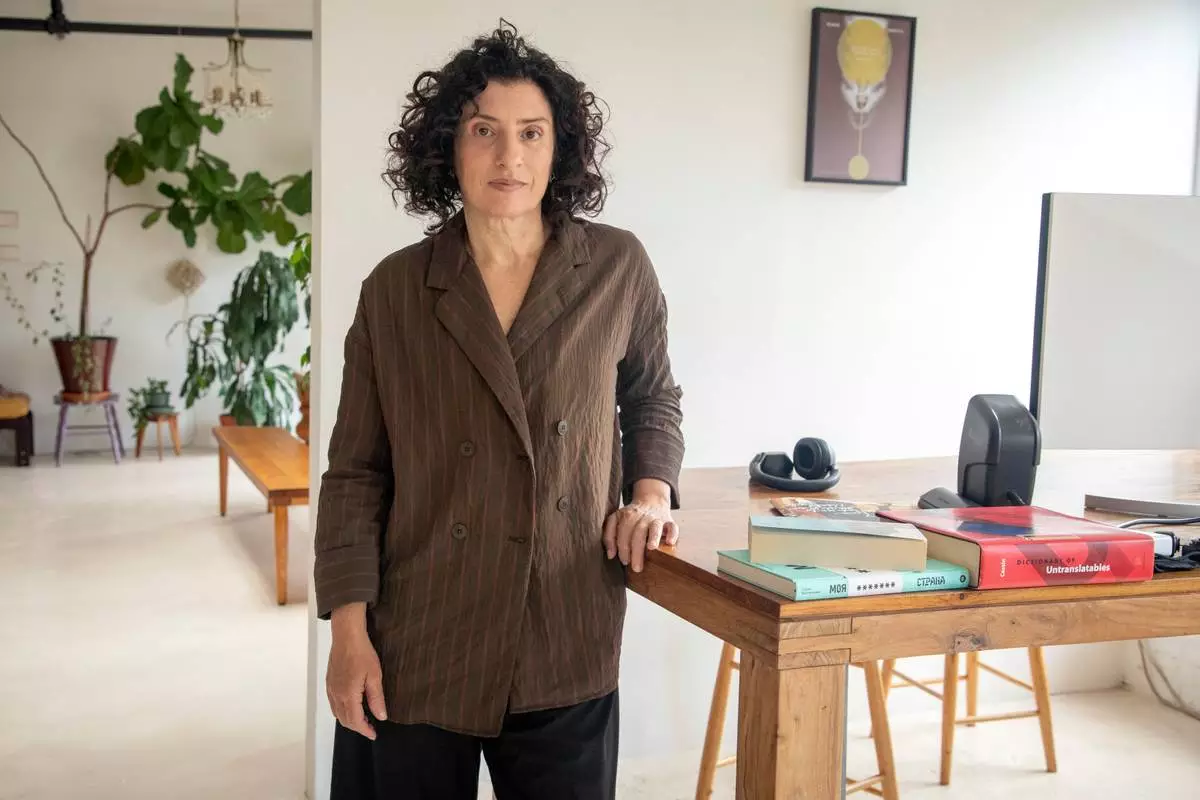
Julia Loktev poses for a portrait on Tuesday, Sept. 22, 2026, in New York. (Photo by Andy Kropa/Invision/AP)
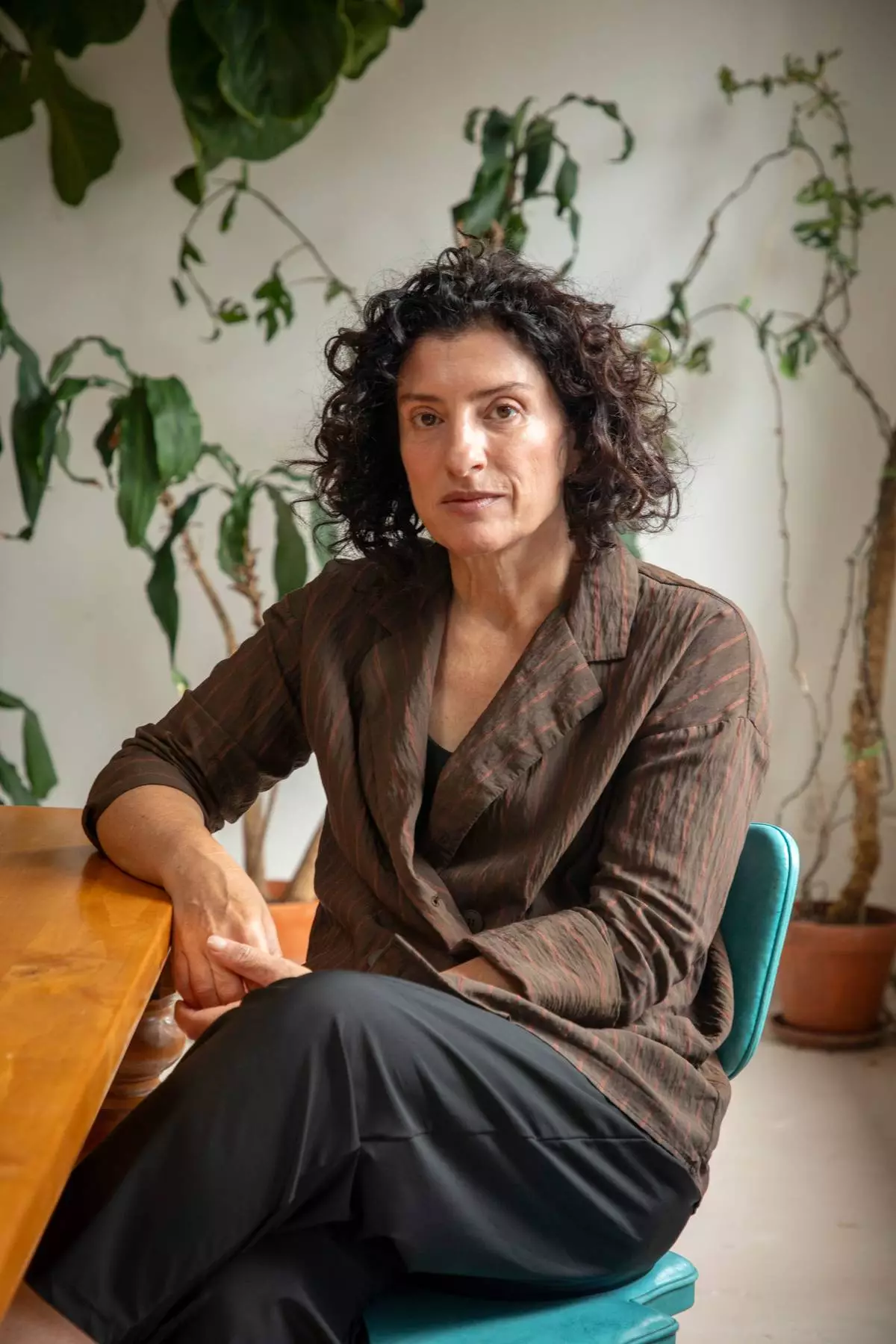
Julia Loktev poses for a portrait on Tuesday, Sept. 22, 2026, in New York. (Photo by Andy Kropa/Invision/AP)
SACRAMENTO, Calif. (AP) — It is not just tech moguls and venture capitalists fighting a California proposal to tax the net worth of billionaires, even though they are putting up the majority of the money in one of the most expensive ballot fights in state history.
Lining up alongside them is a coalition of prominent Democratic voices and party allies like Gov. Gavin Newsom, Planned Parenthood and the California Teachers Association, as well as most Republicans. They say it will drive wealthy people — and their tax money — out of California, creating bigger budget problems in the years ahead.
They have raised more than $300 million in opposition to the measure, with nearly a third of that coming solely from Google co-founder Sergey Brin. That is roughly 10 times the amount raised by the “yes” side, which includes some labor unions, California Rep. Ro Khanna and Vermont Sen. Bernie Sanders. With much less money to spend, the “yes” campaign is relying heavily on Sanders and the attention he commands among progressives to make their case ahead of the Nov. 3 deadline to vote.
“Are we destined to live in an oligarchic society begging for crumbs while our economic and political lives are controlled by a handful of the wealthiest people on Earth?” Sanders declared at one of three recent California rallies. “Brothers and sisters, that is the question on the ballot.”
The measure, known as Proposition 40, is not a long-term wealth tax like the one Sanders and some other progressives have long championed. It would impose a one-time, 5% tax on the wealth of Californians whose net worth exceeds $1 billion, with most of the revenue dedicated to replacing federal funding cuts to healthcare. It would be the nation’s first tax on the wealth of billionaires — targeting the main way the ultra-wealthy make their money, through their investments, rather than simply raising taxes on the paycheck they receive from work.
Voters were largely split on the measure in a September poll by the Public Policy Institute of California. About half, 52%, of likely voters said they would vote yes on the measure, while 46% said they would vote no.
With mail ballots being sent to voters, opponents are aggressively ramping up their campaign, spending or booking roughly $96 million of airtime and digital messaging, compared with just $209,000 by supporters, according to data compiled by the ad-tracker AdImpact.
A few hundred billionaires live in California, according to the nonpartisan Legislative Analyst’s Office.
Opponents are concerned the proposal is already driving wealthy people away. That could deal a blow to California’s budget because the state relies on its top 1% of earners for nearly half its personal income tax revenue.
“We’re not opposed to the concept of a wealth tax,” said Jodi Hicks, CEO of Planned Parenthood’s California chapter. “We just believe this proposal is seriously flawed and could do more damage than good.”
Some Silicon Valley tech moguls began cutting ties with the state in anticipation of the tax, including Brin and his fellow Google co-founder, Larry Page. The tax would apply to billionaires living in the state as of Jan. 1, 2026.
Newsom has walked a fine line on the issue as he prepares to leave office and considers a bid for president in 2028. He has largely opposed tax increases during his eight years as governor. But he has called for a national tax on billionaires, arguing a single-state proposal will not be effective and could hurt California's bottom line.
His opposition to the California proposal wasn't enough to dissuade the state Democratic Party's executive board from endorsing the measure earlier this year.
Billionaires including Brin, venture capitalist John Doerr and former Google CEO Eric Schmidt have given millions to a political committee called Building a Better California. The committee is fighting the tax and backing other ballot measures that would nullify it, including a proposal to ban new taxes on financial assets and other personal property, excluding real estate.
In one ad funded in part by Building a Better California, doctors wearing white coats warn it will cost California revenue in the long run and force the state to cut funding to hospitals and clinics.
Under the measure, 90% of the money would go toward funding healthcare, and the rest would go toward education and food assistance programs.
Debra Schade, president of the California School Boards Association, said there is no guarantee public schools will substantially benefit from the tax.
“The devil is in the details,” she said.
Cristobal Young, a sociology professor at Cornell University, said previous California tax increases on millionaires didn't lead to a mass exodus of wealthy people.
“These really high-income folks — they’re already doing great, and they don’t need to move somewhere else,” he said.
But the latest proposal is poorly designed, he said. The state, and the country, should instead pass tax code reforms to prevent wealthy people from shielding their financial assets from taxation, he said.
The SEIU United Healthcare Workers West, the union behind the ballot measure, says it is necessary to replace an estimated $100 billion that will be lost in federal healthcare funding over five years. The union forged ahead earlier this year despite pleas from fellow Democrats to drop the measure.
The campaign has raised $32.4 million, and another group backing the billionaire tax, Tax the Ultra-Rich Now, has received about $369,000.
One ad the campaign plans to release digitally and on cable next week warns that children make about 1.5 million emergency room visits a year in California, and the federal funding cuts could threaten the hospitals that serve them.
They have also released ads urging voters to “join Bernie Sanders, tax the billionaires, stop California’s healthcare collapse” and showing a Planned Parenthood employee object to Hicks' opposition to the measure.
The billionaire tax fight grew more contentious last month after the lead proponent of the measure, SEIU UHW President Dave Regan, was accused of harassing female colleagues and threatening other union leaders to urge them to back the measure.
Regan called the allegations a distraction.
“For the first time in the history of the country, the billionaires are going to have to be accountable to regular people who only wish they could have one tiny speck of what the most fortunate people on planet Earth have,” he said at a news conference.
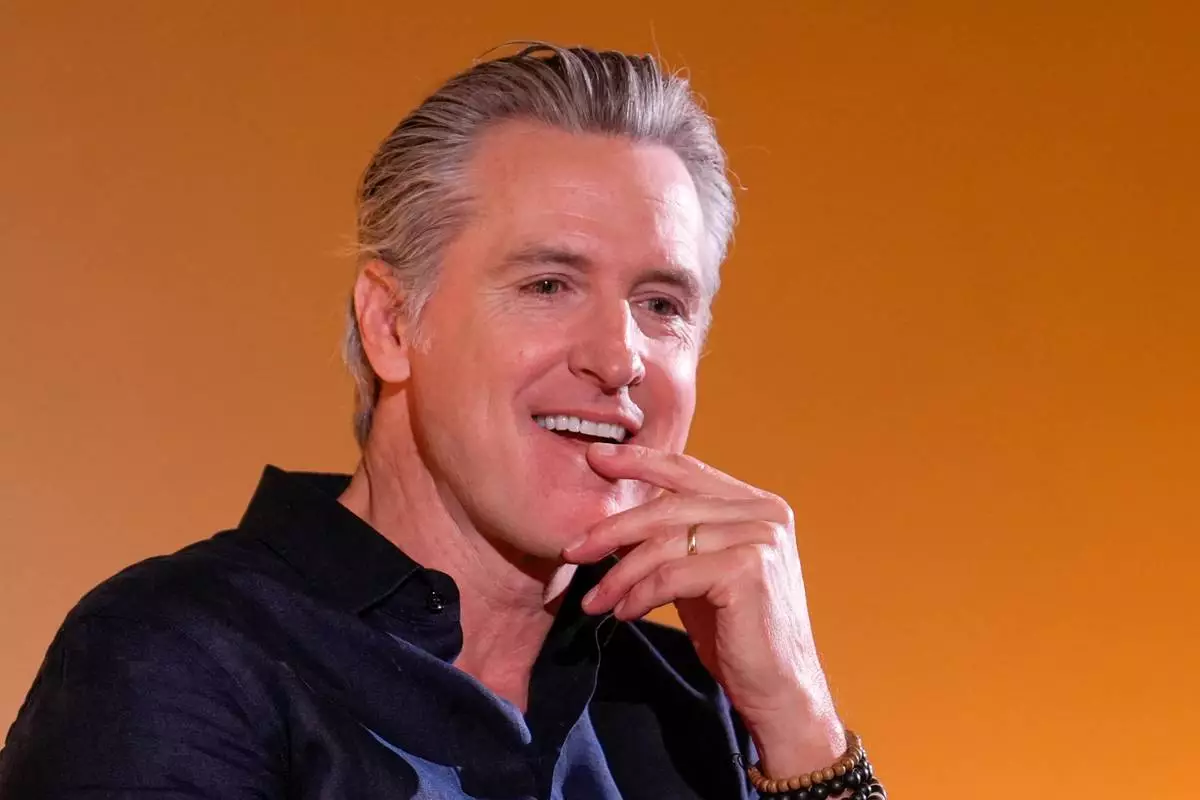
California Gov. Gavin Newsom pauses while discussing environmental issues in San Francisco, Tuesday, Sept. 29, 2026. (AP Photo/Rich Pedroncelli)
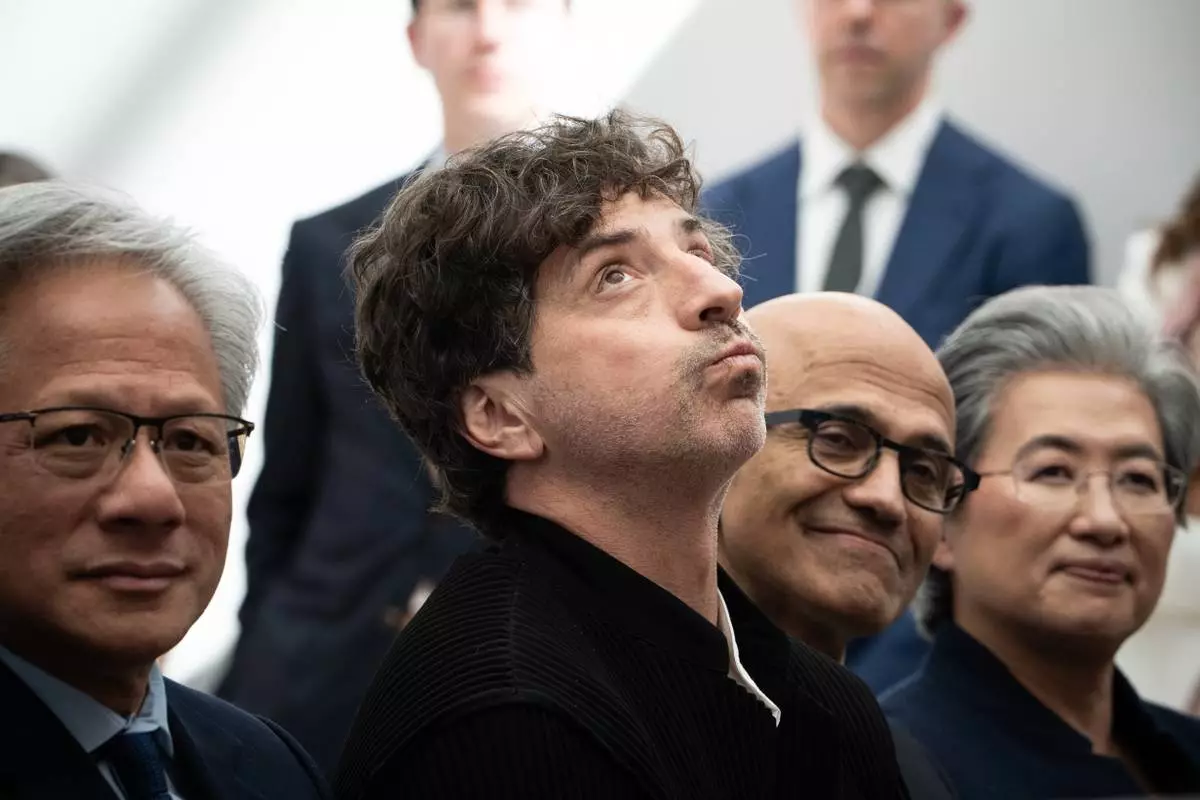
Nvidia CEO Jensen Huang, from left, Google co-Founder Sergey Brin, Microsoft CEO Satya Nadella and Lisa Su, CEO of Advanced Micro Devices, listen to Donald Trump speak at the U.S. Institute of Peace, Thursday, Oct. 8, 2026, in Washington. (AP Photo/Julia Demaree Nikhinson)
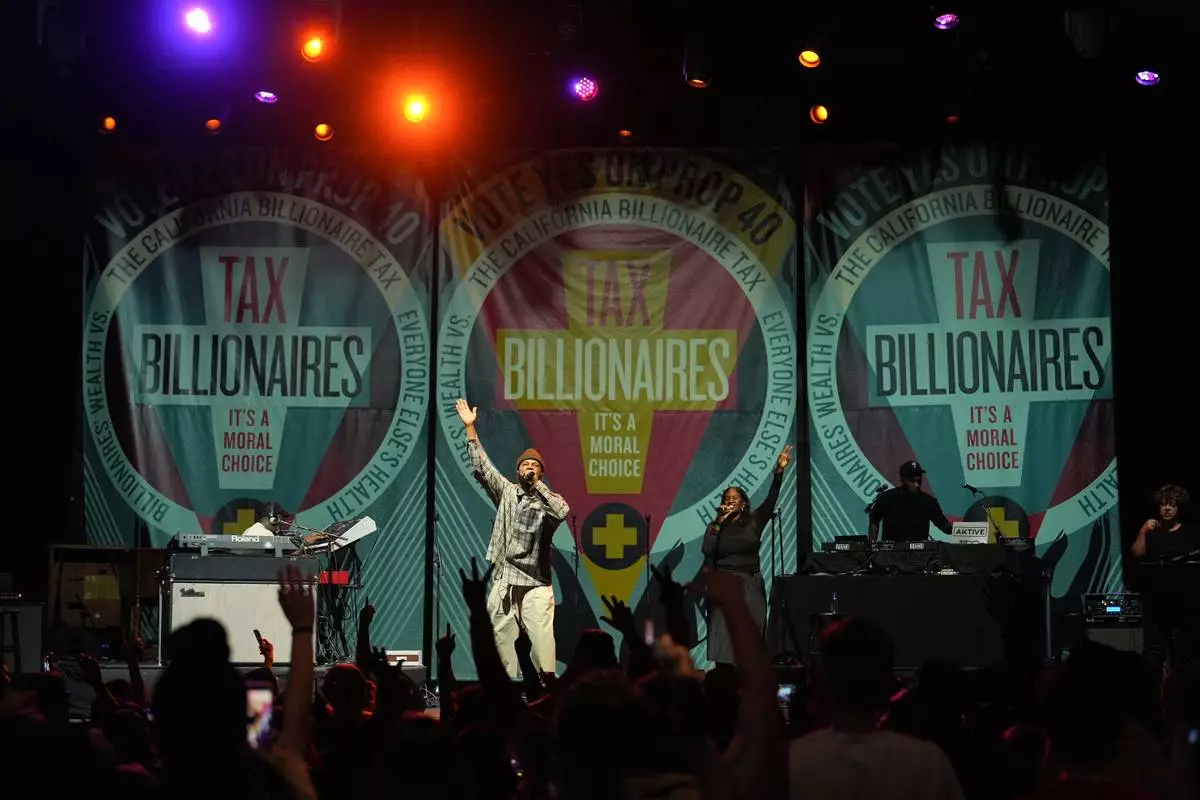
Rapper Common performs during a campaign rally in support of California Proposition 40, known as the billionaire tax, in Los Angeles, Monday, Oct. 5, 2026. (AP Photo/Jae C. Hong)
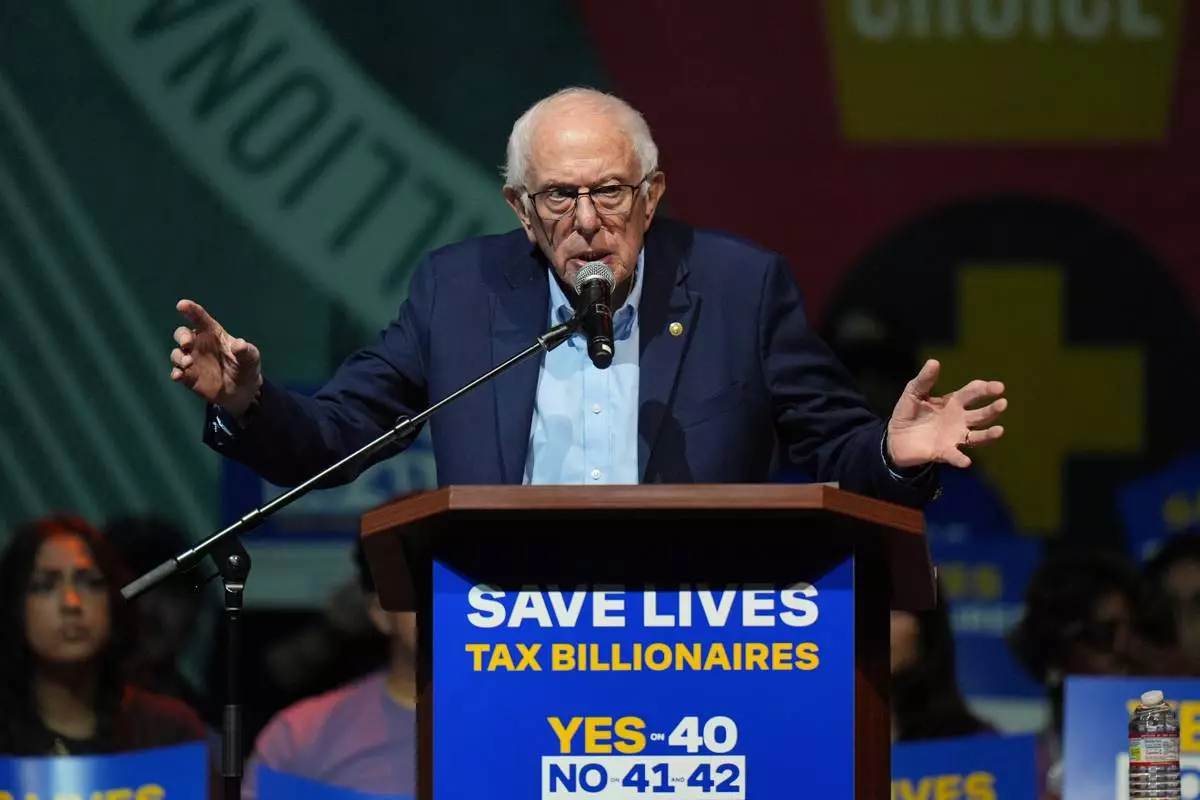
Sen. Bernie Sanders, I-Vt., speaks during a campaign rally in support of California Proposition 40, known as the billionaire tax, in Los Angeles, Monday, Oct. 5, 2026. (AP Photo/Jae C. Hong)