Local people in central Panama are still grappling with fear after a devastating earthquake struck the country on Friday, as more than 200 aftershocks have kept residents in the region on edge.
The quake jolted the country shortly after midday Friday, with its epicenter about 39 kilometers northwest of Tonosi in Los Santos Province.
The U.S. Geological Survey initially reported the earthquake at magnitude 8, then revised it to 7.6 and later to 7.7.
The tremor left dozens injured and damaged hundreds of homes and infrastructure across the region, prompting the government to declare a national state of emergency over the weekend.
In the hard-hit town of Penonome, the destruction is plain to see, with damaged buildings attesting to the force of the tremor.
Local journalist Carmen Urena said she is still filled with a sense of unease in the wake of the quake, despite the many emergency drills she has taken part in.
"Even though we had already gone through an earthquake drill and we will have another one tomorrow, I still get emotional thinking about [the] earthquake," said Urena.
The emergency response is pressing on, with authorities assessing damaged buildings and coordinating relief across the affected provinces as the country waits for the aftershocks to fade.

Powerful quake, aftershocks leave residents of central Panama in lingering fear
The fourth meeting of the APEC Business Advisory Council (ABAC) opened on Saturday in Shenzhen City in south China's Guangdong Province, drawing members who underscored China's expanding leadership in driving trade integration, green energy and multilateral cooperation across the Asia-Pacific.
The three-day meeting has gathered more than 60 representatives from 21 APEC economies, along with nearly 200 experts and accompanying staff, according to the organizer, the China Council for the Promotion of International Trade (CCPIT).
As global trade faces mounting economic headwinds and shifts toward sustainability, international business leaders pointed to China's technological advancements as a crucial catalyst for regional development.
Kasemsit Pathomsak, a Thai representative on ABAC, APEC's private-sector advisory body, highlighted China's contributions to green technology.
"China has played a very important role all along, especially when it comes to the renewable and green initiatives, with solar production, green technology, EVs. China has been very forefront in innovating and bringing this technology to the masses. I think it's very important to try help the world to try and become more green and affordable, to try transition to this green technology," said Pathomsak.
Members also highlighted APEC's vital platform for bilateral and multilateral engagement, fostering commercial bridges across diverse markets.
"As one of the economies that's in APEC, China, as we all acknowledge, is a very important trade partner in this region in both bilateral and multilateral opportunities. For Canada, we see that it is very important for us to establish a proper conduit of opportunities where we can grow together and understand the risks where we have to be clear about where we can and cannot go together. So, we think that APEC is an excellent opportunity where the public sector and the private sector, which I represent, would be able to engage in a deeper conversation on this," said Joseph Fung, an ABAC member from Canada.
Meanwhile, Francisco Suarez Hernandez, an ABAC member from Mexico, praised China's logistical and organizational leadership in hosting the meeting.
"It's really important and China hosting this event is the best example of leading. I think creating a bridge between Mexico, next year Vietnam, and this year China is going to be a great example. We actually hosted ABAC II (Second meeting of APEC Business Advisory Council) this year in Mexico. So, I know the effort," he said.
Founded in November 1995, ABAC is the only non-governmental body with an official advisory role in the APEC Economic Leaders' Meeting, engaging in a formal dialogue and submitting annual policy recommendation reports to APEC leaders.
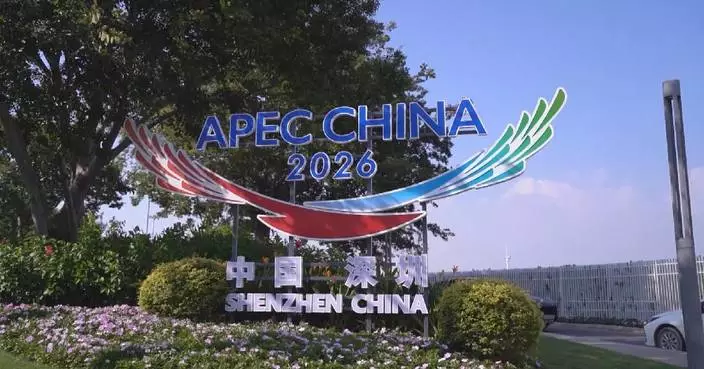
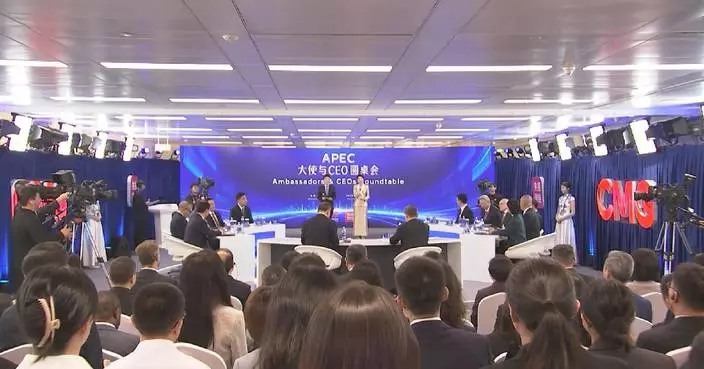
After the ABAC meeting, Shenzhen will host the 2026 APEC CEO Summit on Nov 17 to 18, drawing the region's top business and government leaders to chart a course for Asia-Pacific prosperity.
This is the third time China has hosted APEC meetings, and the first in 12 years.
Working with other member economies under the theme of "Building an Asia-Pacific Community to Prosper Together," China has focused on three priorities, namely openness, innovation and cooperation, and has hosted more than 300 meetings and events across the country during the year.
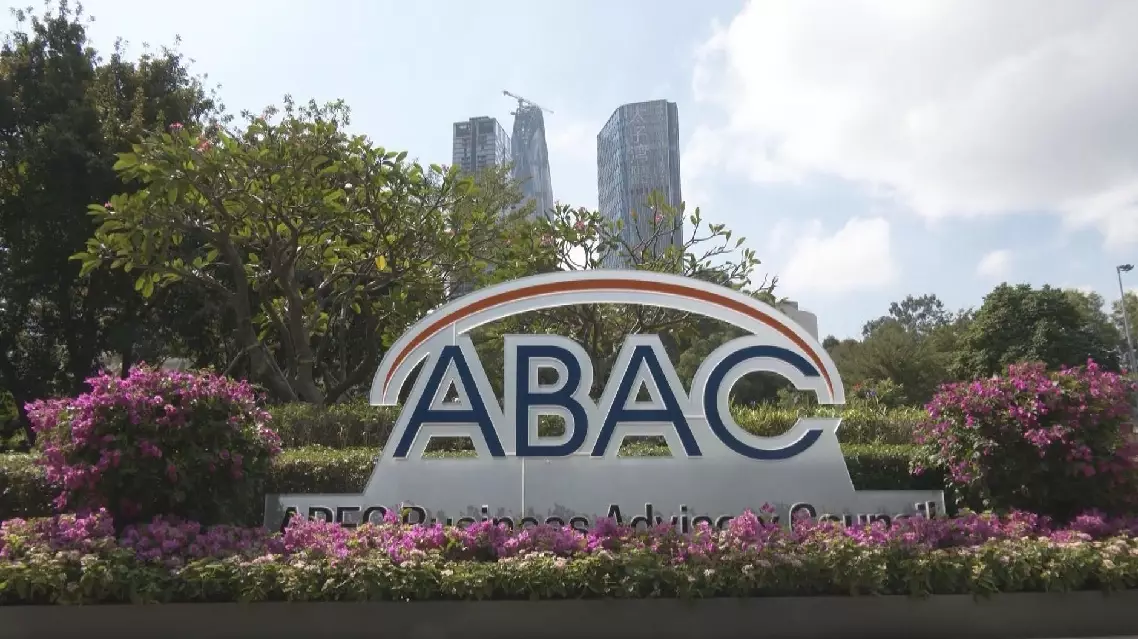
ABAC members laud China's role in Asia-Pacific economic integration