China has revised its mineral resources catalog, increasing the number of recognized subtypes from 84 to 119 while keeping the number of mineral types at 174, giving regulators a more detailed basis for exploration, mining rights and strategic resource policy, the Ministry of Natural Resources said on Tuesday.
Drawn up with the National Development and Reform Commission, the catalog updates a classification dating from 1994 and divides mineral resources into four broad groups: energy, metallic, nonmetallic and water and gas resources.
Qiao Chunlei, deputy director-general of the ministry's Department of Mineral Resources Protection and Supervision, detailed how the revisions reshuffled existing categories.
"We added nine mineral types and merged 15 into six. Some mineral types in the previous classification were reclassified as 13 subtypes, and we added another 22 subtypes. We also changed the names of some mineral types," he said.
The net effect leaves the overall number of mineral types unchanged, while the expanded list of subtypes allows regulators to draw finer distinctions within them.
Among the minerals formally included in the catalog is high-purity quartz ore, which Chinese authorities recognized as a mineral type last year. A key material in semiconductor and solar manufacturing, it is precisely the type of strategic resource the catalog was revised to manage.
The ministry said the finer classifications would support its work in setting exploration and development targets, identifying promising areas for prospecting and allocating mining rights. They would also inform the selection of strategic minerals for special protection and the design of differentiated policies on extraction, stockpiling, imports and exports.
"This revision will help secure mineral supplies and support the effective implementation of regulations under the Mineral Resources Law. The catalog will inform planning, policy, property rights, standards, statistics, taxes and fees, law enforcement and environmental protection. It will provide a foundation for more precise, science-based management of the country's mineral resources," Qiao said.
Going forward, the ministry plans to align the catalog with mineral resources planning, mining rights administration, industrial policy, resource statistics and the collection of resource taxes and fees, giving every category of mineral a clear administrative identity.
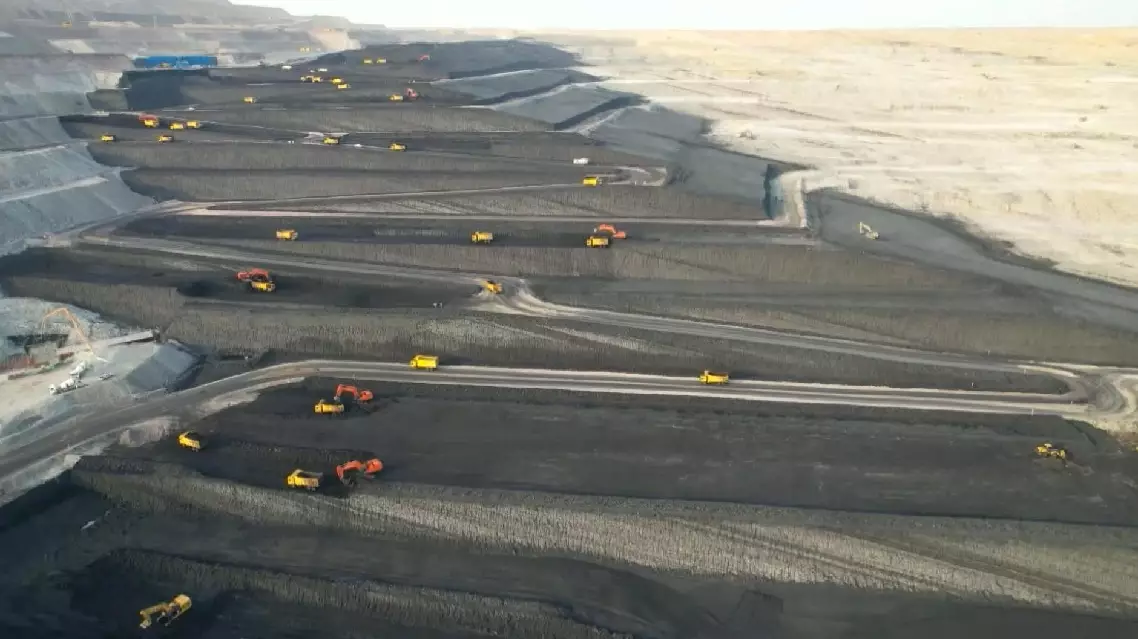
China revises mineral resources catalog to guide mining and strategic resource policy