A family-run community hardware store which has been a fixture in Beirut's southern suburbs for more than half a century is struggling to survive as the shadows of war hang over the Lebanese capital, with the area having come under repeated fire from Israeli airstrikes.
Driving through the streets reveals the impact of the conflict, as many of the tightly-packed buildings by the roadside bear the scars of war, with numerous structures in these residential blocks being badly damaged in aerial attacks.
One such missile strike landed not far from a small shop which has served the local community for decades. Owner Rafic, who is the third generation of his family to lead this long-running business, speaks about the incident calmly.
While discussing the explosion which hit nearby, he soon changes his tone whenever a customer comes in, as if the blast had happened somewhere else entirely.
His hardware shop sells a little bit of everything -- keys, light bulbs, plumbing supplies and small household electrical goods.
After being open for more than 50 years, the store has seen some ups and downs in its time, but now business is now getting harder in the wake of the conflict with Israel.
The shop's accounts lay bare the dire situation facing its very survival. It showed a profit of 900 U.S. dollars in August, but after electricity, labor and other miscellaneous costs were deducted, it ended the month about 700 U.S. dollars in the red.
Rafic said that the store has been losing money almost every month for the past two years, while customer numbers continue to dwindle.
"We used to get about 30-40 customers a day, now we can't have more than 5 or 6 customers for all the day," he said.
Many business operators have already had to concede defeat as the war has driven many of Rafic's neighbors away, while those who remain are finding life increasingly difficult.
As the regional conflict continues, fuel costs also keep on rising. In less than two months, gasoline and diesel prices in Lebanon rose by about 16 percent, pushing up the cost of living, meaning many residents are having to tighten their belts.
"Some of them don't have any money in their pocket to buy electrical things, because they only have money to put petrol in their cars, or to go by or taxi to their work, or to buy groceries, to pay the generator bill [at the] end of the month," said Rafic.
Fewer customers means less income, but the pressure of paying electricity, labor and other expenses does not disappear, and Rafic's ledger reflects the harsh reality facing many small business owners in Lebanon. The outlook also appears bleak, with the World Bank projecting in August that Lebanon's economy would shrink by 6.4 percent this year.
Rafic said that the family-run shop remained resilient enough to survive previous wars and economic crises over the years, but this time he is less confident that his cherished store will be able to pull through.
"I'm trying to not close it, even [though] I'm losing money every month. It is a family business, and we must keep it. The bad issue is everybody is waiting for this war to end, but it's not ending very soon," he said.
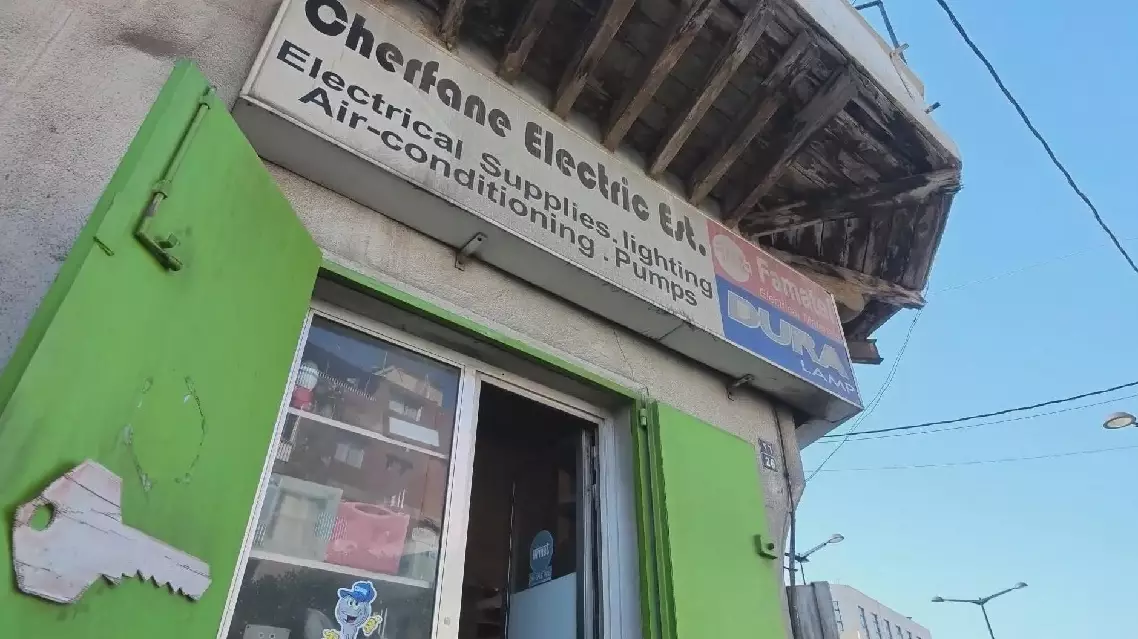
War threatens 50-year-old family-run hardware store in southern Beirut