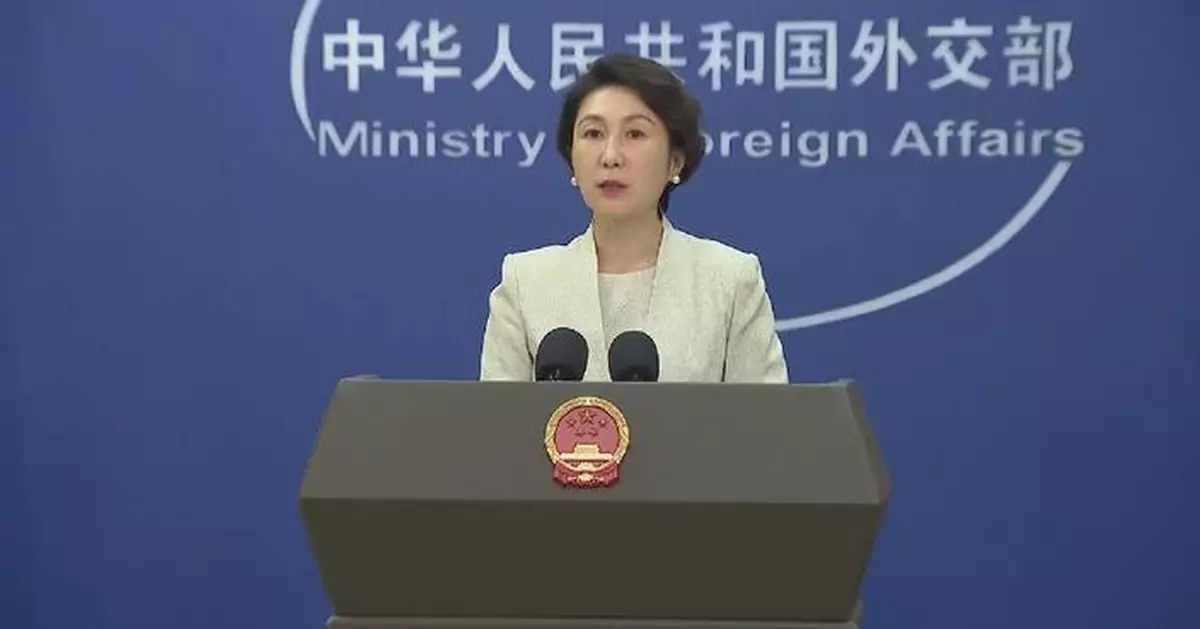
The China International Import Expo (CIIE) will continue to provide free exhibition spaces for the least developed countries this year, Foreign Ministry Spokeswoman Mao Ning said on Wednesday.
Mao's remarks came in response to a question about the 140th China Import and Export Fair, the ninth CIIE, and other expos China has hosted or will host. These events were reported to have drawn active participation from global businesses and to have provided important impetus for the global economy and trade.
"These series of expos are important windows on China's global connectivity and on how it enables development and benefits the livelihood of people across the world. The China Import and Export Fair is in its 70th year now and this year's fair is expected to host some 32,000 businesses. More than 11,000 of them either possess specialized and sophisticated technologies for producing novel and unique products or are leaders in specific fields," Mao said at a press conference in Beijing.
"This year's CIIE will continue to provide free exhibition stands for least developed countries. There will be an upgraded Asia-Africa Products Zone, where African countries having diplomatic relations with the People's Republic of China in particular can make full use of the 'zero-tariff' treatment," said the spokeswoman.
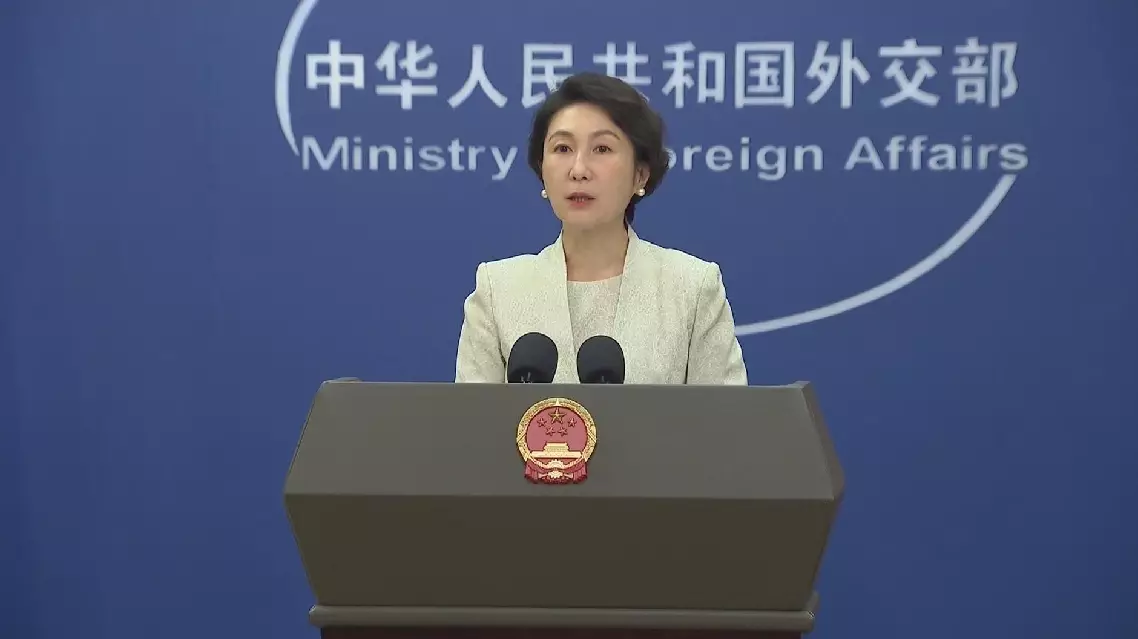
CIIE to continue offering free exhibition spaces for exhibitors from least developed countries: spokeswoman
Chinese Vice Premier Ding Xuexiang met with representatives of the advisory board of the Tsinghua University School of Economics and Management (Tsinghua SEM) in Beijing on Tuesday.
Ding, also a member of the Standing Committee of the Political Bureau of the Communist Party of China Central Committee, exchanged views with the representatives, focusing on the development and governance of artificial intelligence (AI).
AI is a key force driving a new round of technological revolution and industrial transformation, Ding said, stressing the need to develop, apply and govern this future-shaping technology to better benefit all humanity.
He welcomed the representatives' support for and participation in the development of the World Artificial Intelligence Cooperation Organization (WAICO), with a view to promoting shared prosperity and safeguarding common security.
Noting that the advisory board has served as an important platform for dialogue, exchanges and cooperation between China and other countries over the past 26 years, Ding expressed the hope that its members will make further contributions to China's education sector and economic development.
The representatives, including Tim Cook, chairman of the advisory board, spoke highly of China's achievements in AI and other fields. They expressed their willingness to remain committed to the Chinese market, expand cooperation and better fulfill the board's role as a bridge between China and the international community.
The Tsinghua SEM advisory board was founded in October 2000. Comprised of global business executives, business school deans and renowned scholars, the board aims to help make Tsinghua SEM a world-class school in terms of economics and management by improving its teaching and research capabilities.
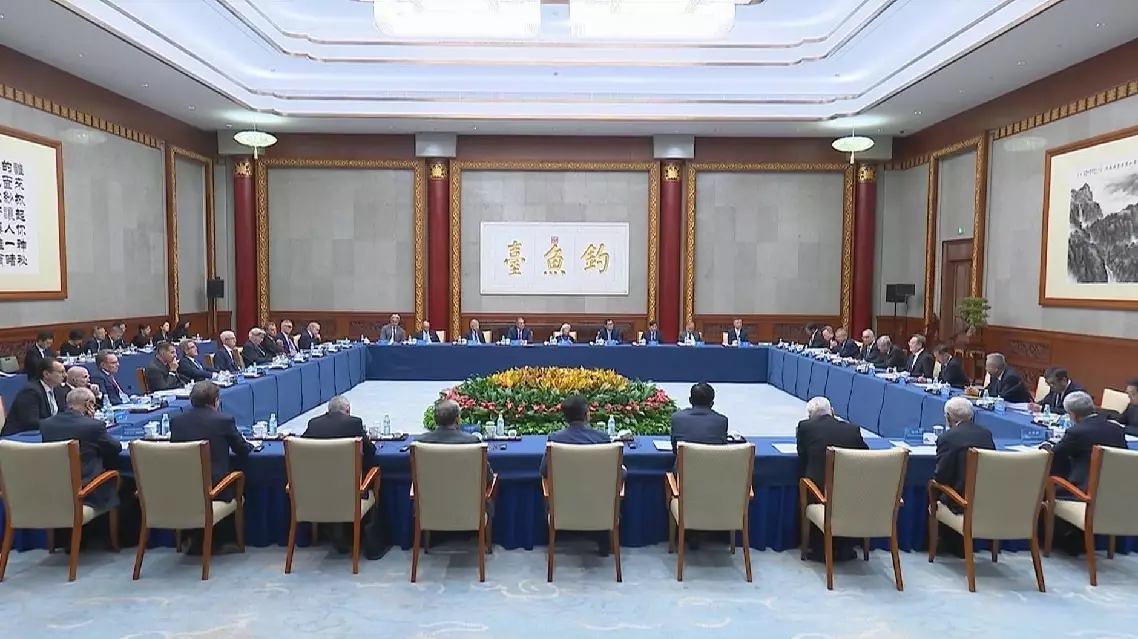
Chinese vice premier discusses AI with Tsinghua SEM advisory board members