China can play a key role in stabilizing global health governance, help developing countries build their capacity, and turn its innovations into a shared public good at a time when some countries are retreating from multilateralism, according to a Chinese expert.
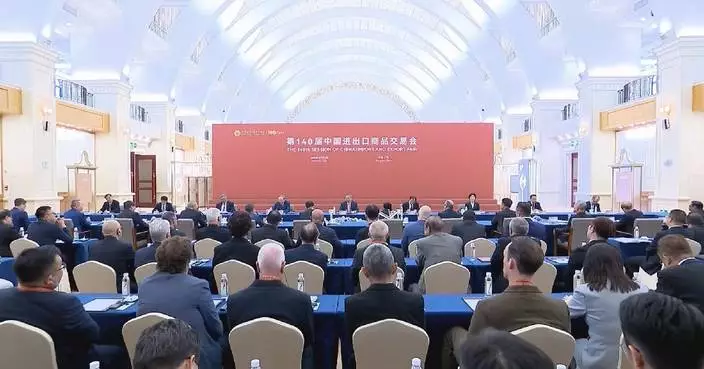
At a meeting in Beijing on Monday and Tuesday, Chinese President Xi Jinping called for greater efforts to develop the country's health programs and to secure decisive progress in the Healthy China Initiative in the years ahead.
Xu Jin, an assistant professor at the China Center for Health Development Studies at the prestigious Peking University, shared his views on the pressing issues facing the global health sector in an interview with the China Media Group (CMG) on Wednesday.
Despite the current challenges facing multilateralism and tightening healthcare budgets, Xu said international cooperation in health is simply not a choice, stressing that diseases do not carry passports, and health threats do not stop at borders. He said that when a pandemic strikes or the burden of communicable diseases rises, no country can address the issue on its own or protect its people alone.
Xu further noted that the issue of healthcare is one area where national security and global solidarity are fundamentally the same thing. In this environment, going it alone can make everyone less safe, making global health governance more crucial than ever, he said.
Xu outlined the key areas where he believes China make a real difference in advancing global health.
"First, China can be a stabilizer of global health governance at a time when some countries are retreating from multilateralism. China's consistent support for WHO and its participation in the pandemic agreement negotiations and its commitment to health aid show that a major power can still treat health as a global public good," he said.
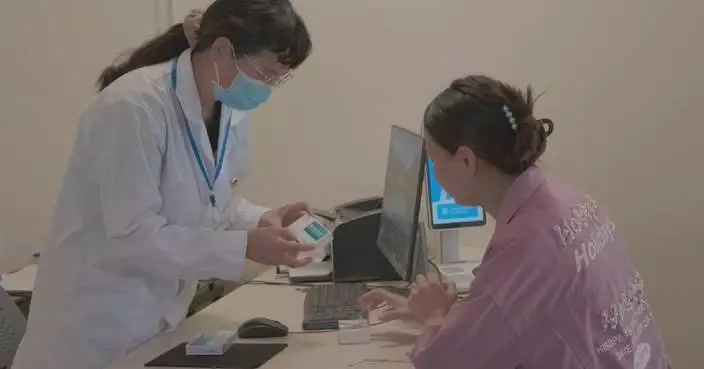
"Second, China can bridge the capability gap for developing countries. China has shown that a large population can achieve universal health coverage through strong primary care, disease prevention, and cost-effective systems. The path is highly relevant for the Global South. Through Belt and Road cooperation, hospital partnerships, and other things, China can help countries build their own capacity, not just to rely and receive aid," said the expert.
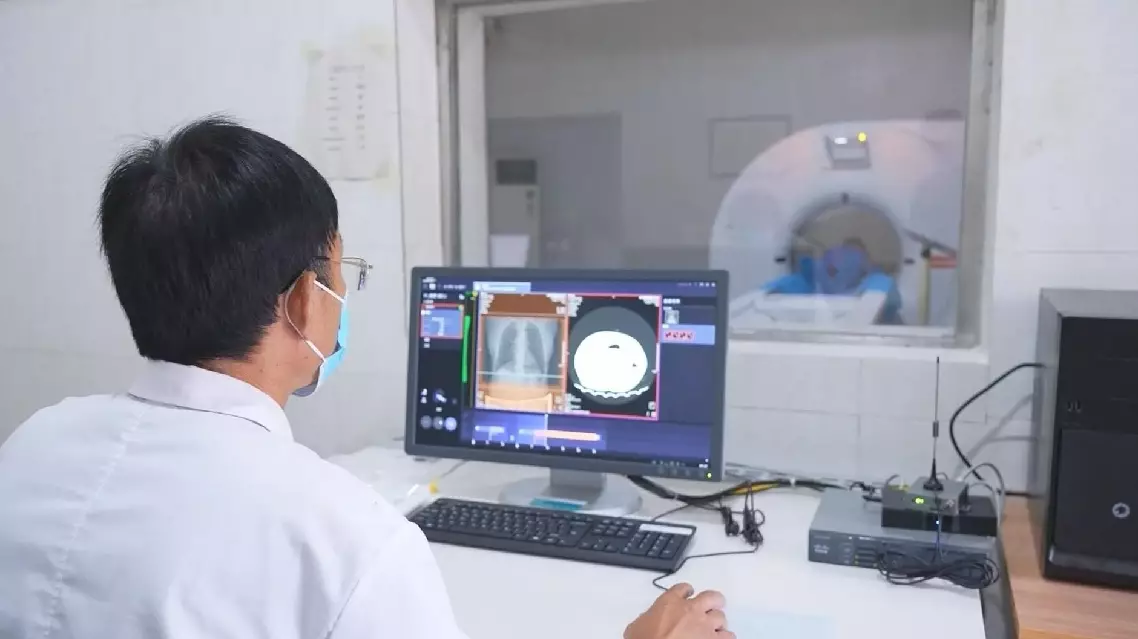
"Third, China can turn its domestic innovation into shareable global public goods. So from malaria elimination methods to vaccine manufacturing and traditional medicine to digital health, China has practical, scalable, affordable solutions. So the key is to share them as public goods through technology transfer, joint research and open data sharing and other ways of joint capability construction," said Xu.
"In short, global health governance needs countries that lead by building, not by withdrawing. China's role is to make health corporation more practical, more equitable, and more [capable of] addressing local health needs," he added.
China can play key role in global health governance: expert