Officials and industry insiders have called for greater efforts to ensure the vast resources of the African continent can truly deliver industrial growth and provide much-needed employment as deals worth billions of dollars have already been struck at the 2026 African Energy Week (AEW) in South Africa's Cape Town.
The five-day event officially opened on Tuesday, with South Africa calling for stronger energy cooperation across the continent to maintain affordable and abundant energy supplies amid global geopolitical tensions and market disruptions.
First held back in 2021, the AEW event serves as a key platform for discussions on energy investment, market access and industrial growth, bringing together stakeholders to shape a shared vision for Africa's energy future.
Optimism is high among attendees given the sizable agreements which have been signed so far and are set to deliver numerous landmark projects across Africa.
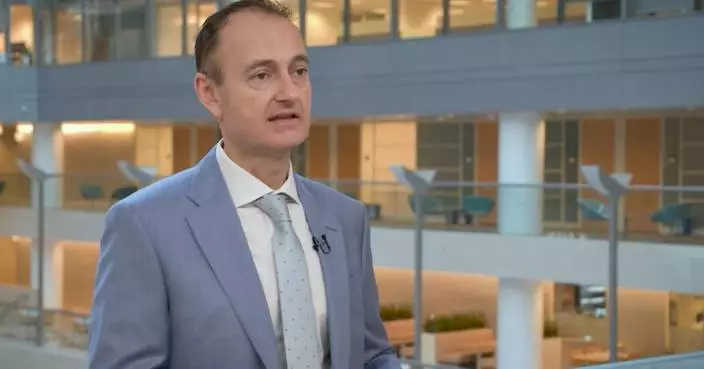
"This year at AEW, we have already seen 10 billion dollars worth of deals. Angola for example where we have seen EduEnergias take over some of the legacy assets given by Chevron. We also seen Senegal makes significant announcements around gas projects in that country. And the same thing is [happening in] Nigeria around what AMNI is doing and getting more gas for Train 7 [LNG Project]. We're looking at the Morocco-Nigeria pipeline which is also going to be asking for significant investment dollars that in itself phased, is going to require far beyond the 10 billion dollars that I said," said Verner Ayukegba, senior vice president of the African Energy Chamber.
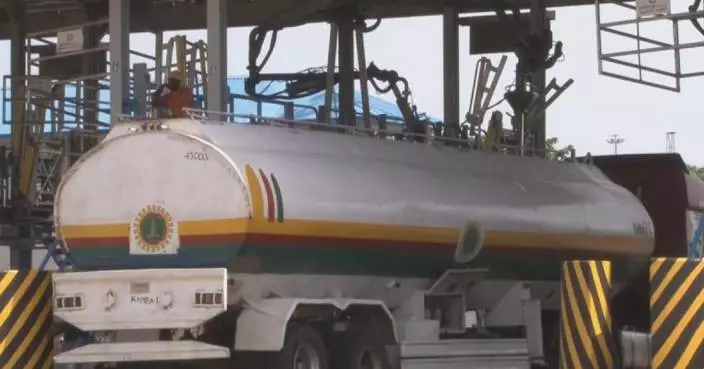
From drilling technology to companies looking to invest in new projects, the scale of the industry is on full display. But many say the case for attracting investment goes far beyond just extracting oil and gas, with some pointing to the positive knock-on effect which can come in an economic sense. Godfrey Moagi, CEO of the South African National Petroleum Company, said the question is now about how nurturing resources can create jobs and ultimately support wider growth.
"We've got a very big opportunity. We're [going to add] more data centers, you've got a lot of gas, you need a lot of energy. And I think we are going to have to do that to deal with unemployment. Just [conducting] exploration and extracting that gas and oil brings unemployment down, but actually imagine now, if we actually get [related] industries, it becomes very powerful," said Moagi.
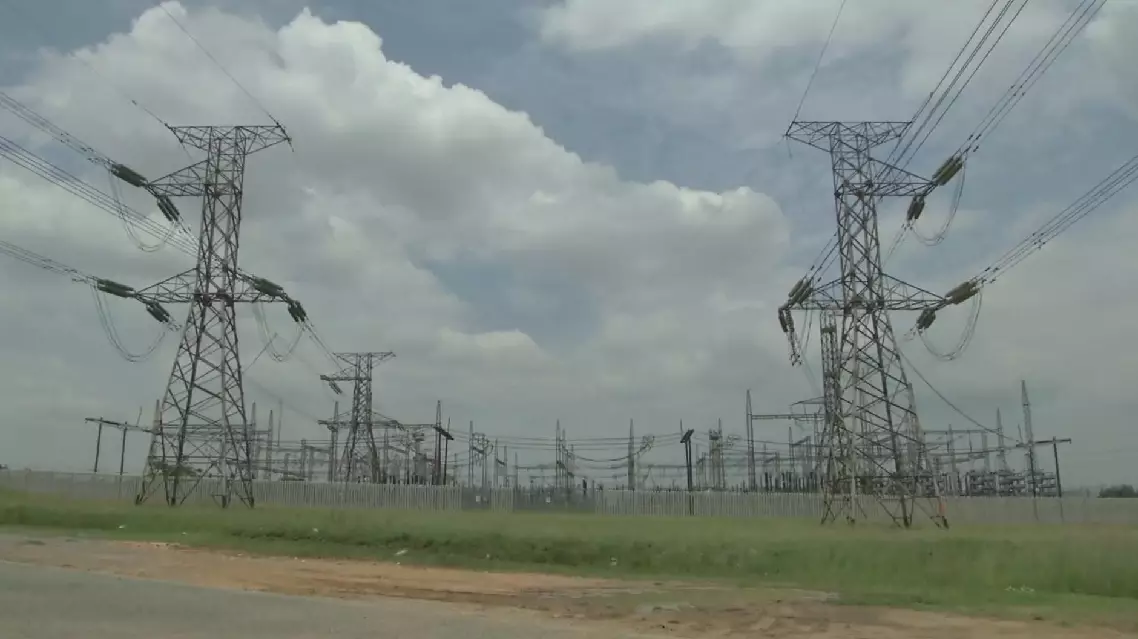
Deals struck at African Energy Week must create jobs, advance industrial growth: participants
China can play a key role in stabilizing global health governance, help developing countries build their capacity, and turn its innovations into a shared public good at a time when some countries are retreating from multilateralism, according to a Chinese expert.
At a meeting in Beijing on Monday and Tuesday, Chinese President Xi Jinping called for greater efforts to develop the country's health programs and to secure decisive progress in the Healthy China Initiative in the years ahead.
Xu Jin, an assistant professor at the China Center for Health Development Studies at the prestigious Peking University, shared his views on the pressing issues facing the global health sector in an interview with the China Media Group (CMG) on Wednesday.
Despite the current challenges facing multilateralism and tightening healthcare budgets, Xu said international cooperation in health is simply not a choice, stressing that diseases do not carry passports, and health threats do not stop at borders. He said that when a pandemic strikes or the burden of communicable diseases rises, no country can address the issue on its own or protect its people alone.
Xu further noted that the issue of healthcare is one area where national security and global solidarity are fundamentally the same thing. In this environment, going it alone can make everyone less safe, making global health governance more crucial than ever, he said.
Xu outlined the key areas where he believes China make a real difference in advancing global health.
"First, China can be a stabilizer of global health governance at a time when some countries are retreating from multilateralism. China's consistent support for WHO and its participation in the pandemic agreement negotiations and its commitment to health aid show that a major power can still treat health as a global public good," he said.
"Second, China can bridge the capability gap for developing countries. China has shown that a large population can achieve universal health coverage through strong primary care, disease prevention, and cost-effective systems. The path is highly relevant for the Global South. Through Belt and Road cooperation, hospital partnerships, and other things, China can help countries build their own capacity, not just to rely and receive aid," said the expert.
"Third, China can turn its domestic innovation into shareable global public goods. So from malaria elimination methods to vaccine manufacturing and traditional medicine to digital health, China has practical, scalable, affordable solutions. So the key is to share them as public goods through technology transfer, joint research and open data sharing and other ways of joint capability construction," said Xu.
"In short, global health governance needs countries that lead by building, not by withdrawing. China's role is to make health corporation more practical, more equitable, and more [capable of] addressing local health needs," he added.
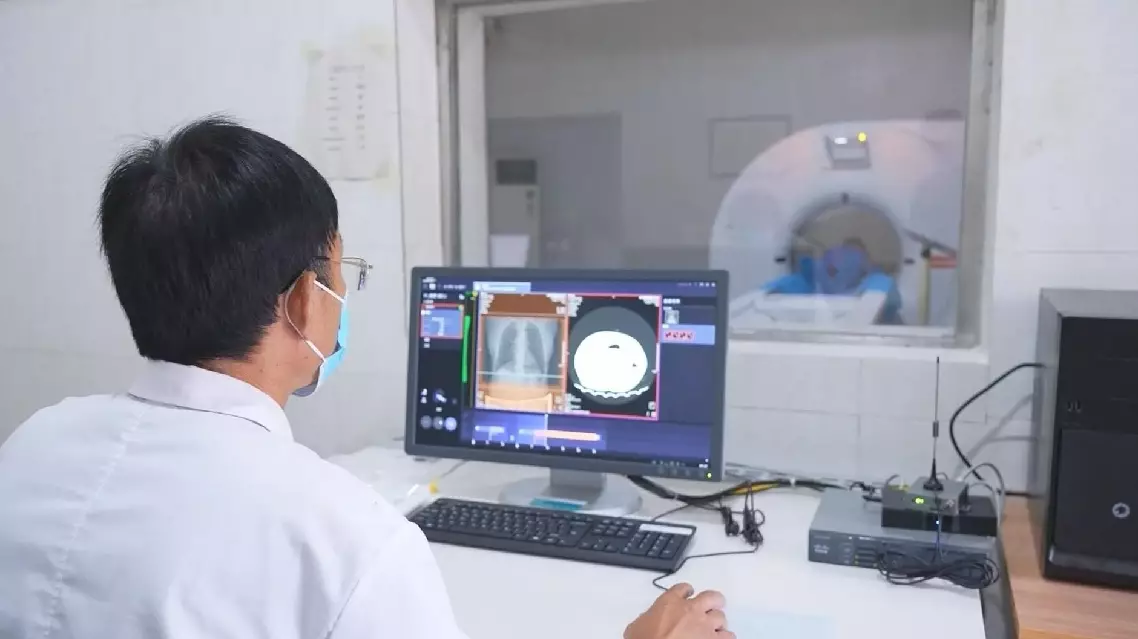
China can play key role in global health governance: expert