China is bridging the healthcare resource gap, by promoting integrated medical consortiums and deploying targeted cross-regional assistance, to ensure quality medical services are accessible to all citizens.
China has long faced an uneven distribution of medical resources, with stronger services in the east and weaker ones in the west.
In places like Anning, a city in southwest China's Yunnan Province, a dispersed population and a shortage of grassroots medical talent and equipment once meant that residents had to travel long distances to larger cities for treatment.
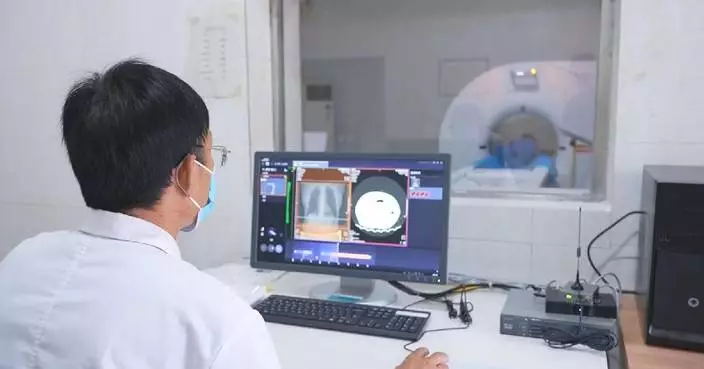
To close this gap, the country is promoting integrated medical consortiums. These networks link township clinics, county hospitals, and specialists via remote consultations, sharing resources and bringing quality care directly to rural areas.
Through unified management, medical resources are no longer fragmented; instead, townships conduct examinations, county hospitals provide diagnoses, and experts offer remote consultations, creating a highly coordinated and efficient healthcare system.
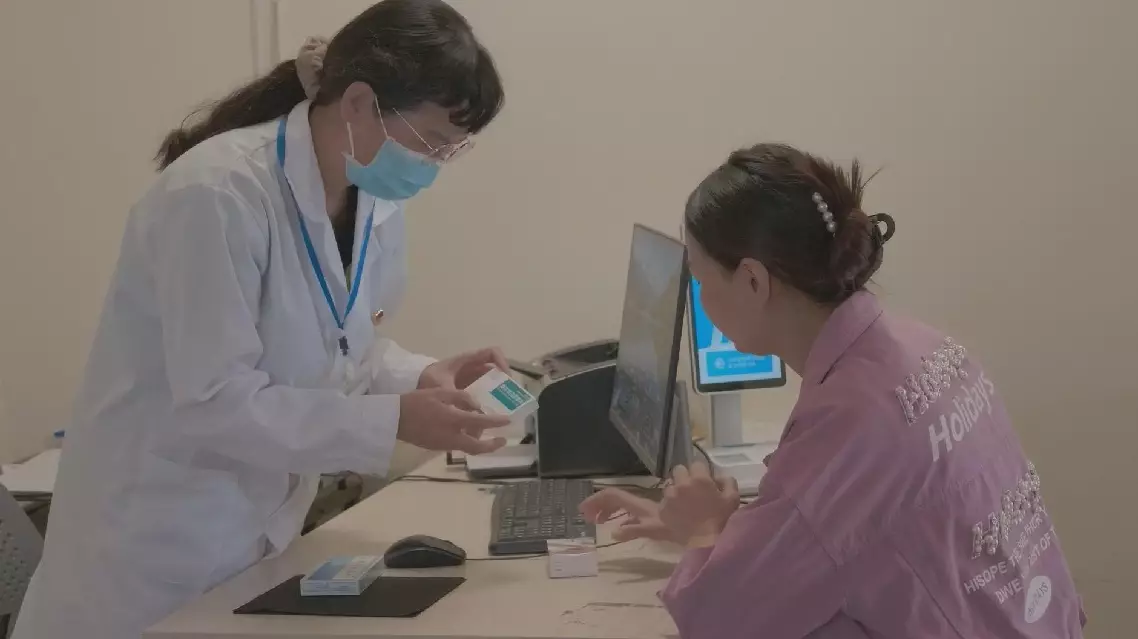
For local residents, this shift has brought tangible benefits.
"In the past, we had to travel to the county town or Anning city for these diagnoses, which was very inconvenient. Now, people can truly access these services right at their doorstep. This policy is really great," said Li, a local patient.
The transformation in Anning is driven by comprehensive coverage and technological upgrades at the grassroots level.
"We have expanded services such as ECG, prescription reviews, medicine delivery and regional testing across counties, townships and villages. This year, we are also expanding AI services and remote consultations, so people can access more standardized healthcare services close to home," said Song Chao, president of the Anning Medical Consortium.
Anning's local practices are a reflection of China's broader national efforts to expand medical assistance across regions and institutions, helping to narrow the healthcare resource gap between the eastern, central, and western parts of the country.
As part of this overarching strategy, more than 1,500 medical professionals from 21 provinces have been dispatched this year to regions including Xizang, Xinjiang, and Qinghai to provide assistance to local medical practitioners. Meanwhile, 82 national medical teams are regularly delivering medical services to counties with limited healthcare resources, ensuring that high-quality care reaches even the most remote corners of the country, just as it has in Anning.
China brings quality healthcare closer to people's homes