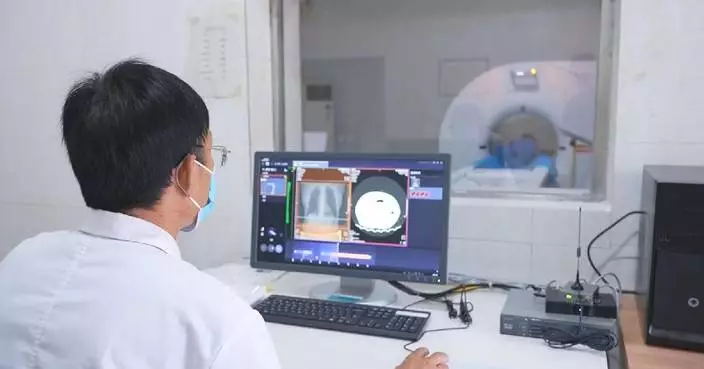
Chinese health workers are determined to take concrete and effective actions to advance the Health China Initiative that is a key part of China's 15th Five-Year Plan period (2026-2030).
Chinese President Xi Jinping has called for efforts to follow a path with Chinese characteristics in developing the country's health programs, to secure decisive progress in the Healthy China Initiative.
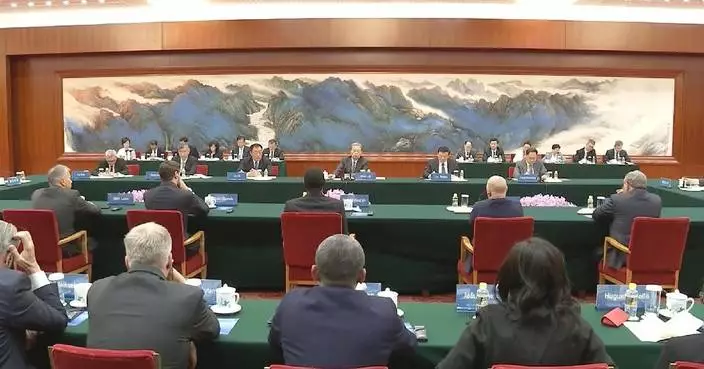
Xi, also general secretary of the Communist Party of China (CPC) Central Committee and chairman of the Central Military Commission, made the remarks at a national meeting on health held in Beijing on Monday and Tuesday.
Xi's speech sparked an enthusiastic response. Health workers from across the country pledged to leverage strengths, consolidate foundations, address shortcomings, and bolster weak links through sustained, long-term effort to improve public health.
Health workers affirmed that health should be given top priority, and that prevention should be the main approach throughout the process, safeguarding people's health throughout their entire lives.
"Health is no longer the sole responsibility of health authorities. Instead, it needs to be integrated into every aspect of economic and social development, ensuring that a 'health impact assessment' is factored into every decision," said Xu Jianguo, an academician at the Chinese Academy of Engineering.
"During the 15th Five-Year Plan period, we must address shortcomings and weaknesses such as weak primary-level service capabilities, the heavy burden of major chronic diseases, and uneven regional distribution of high-quality medical resources. We will focus on the health needs of the public across their entire life cycles and connect the full chain of prevention, treatment and rehabilitation. We will also optimize resource allocation and improve the patient experience," said Liang Tingbo, president of the First Affiliated Hospital of Zhejiang University School of Medicine.
Health workers stressed the need to focus on pain points and bottlenecks in the health and medical sector, prioritizing issues of urgent concern to the public, so that the Healthy China Initiative benefits every household.
"The weak pediatric service capabilities at the primary level constitute a key bottleneck constraining the development of child health services. We will continue to leverage the leading and guiding role of the National Children's Medical Center, ensuring that primary care facilities can handle common illnesses while children's hospitals can manage complex and critical cases. This will result in a pediatric tiered diagnosis and treatment framework with a clear division of responsibilities and efficient operation," said Ni Xin, director of the National Children's Medical Center.
"The elderly medical assistance and accompaniment service we have launched is designed to address the difficulties faced by elderly patients when seeking medical treatment, helping them navigate the entire process of registration, examinations and consultations, thereby delivering full-cycle health services in a solid and effective way," said Min Jianying, Deputy Party Secretary of Renji Hospital, affiliated with Shanghai Jiaotong University School of Medicine.
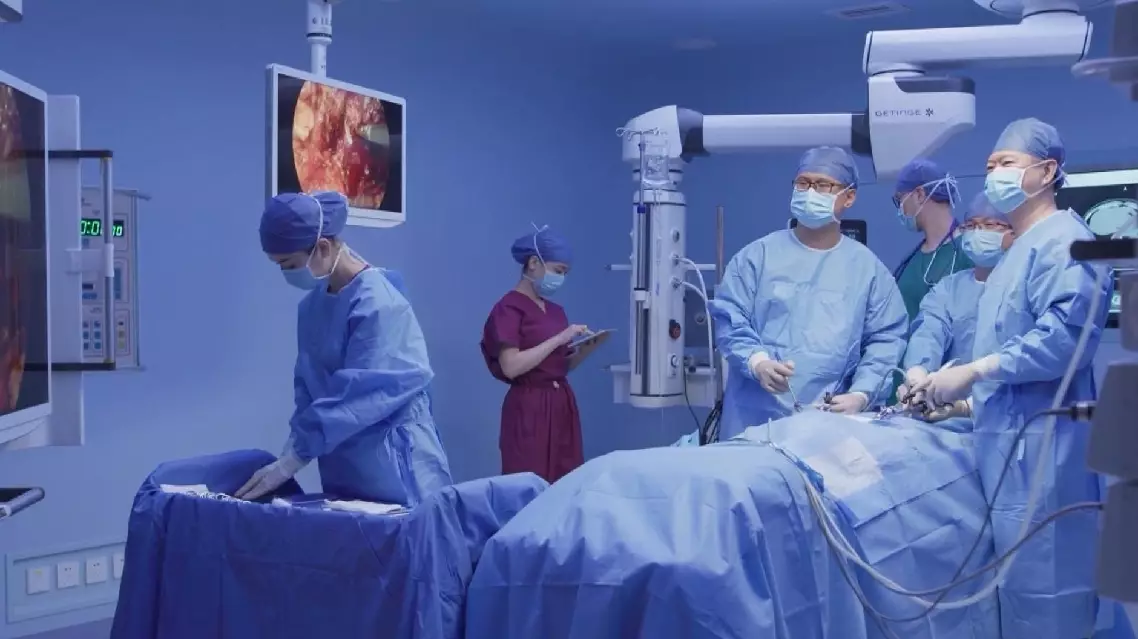
Chinese health workers determined to advance Healthy China Initiative