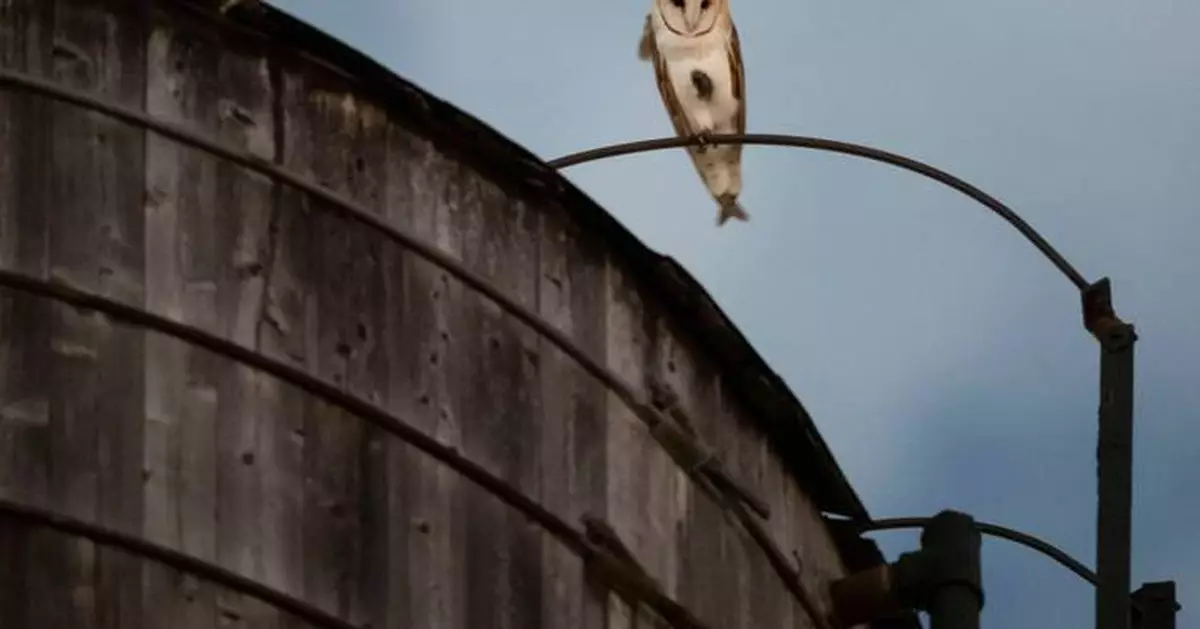
NEW YORK (AP) — Manhattan's Upper West Side has been reveling in the company of its latest celebrities: A family of barn owls nested in a water tower atop a building near Central Park.
This is the first documented instance of barn owls nesting in Manhattan in modern history, according to one expert, and the owls have attracted nightly crowds of people in the street eager to get a glimpse of the elusive birds.
Click to Gallery
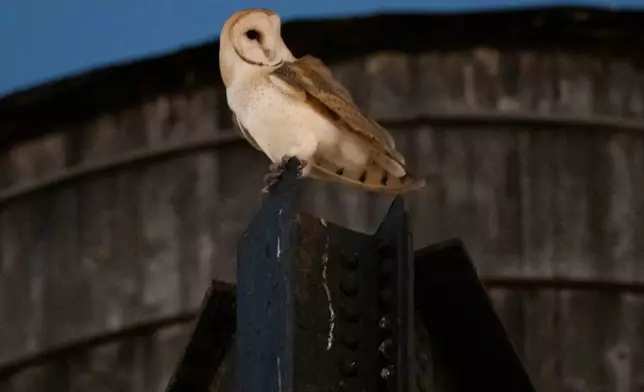
An American Barn Owl sits perched on a water tower on the Upper West Side neighborhood, Wednesday, Oct. 14, 2026, in New York. (AP Photo/Yuki Iwamura)
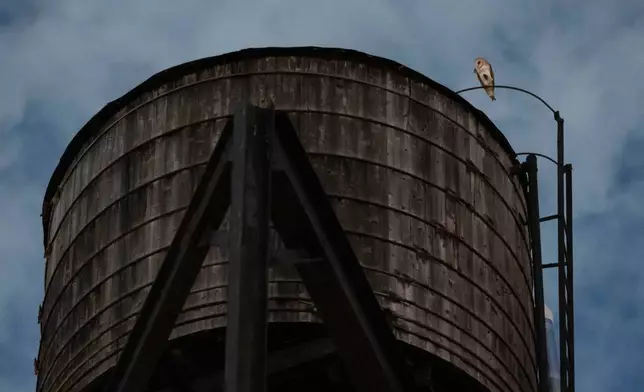
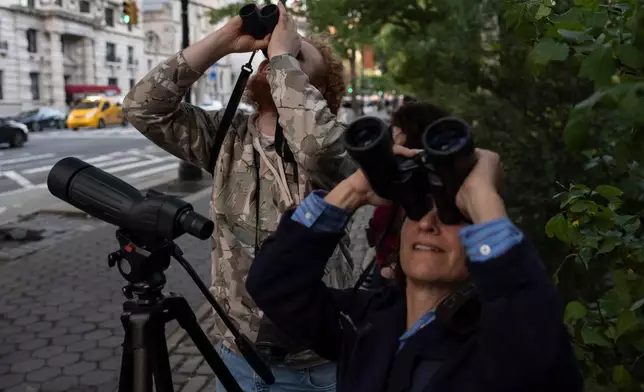
People look at American Barn Owls sit perched on a water tower on the Upper West Side neighborhood, Tuesday, Oct. 13, 2026, in New York. (AP Photo/Yuki Iwamura)
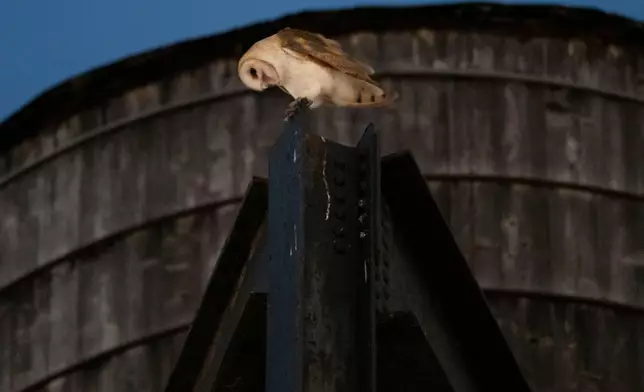
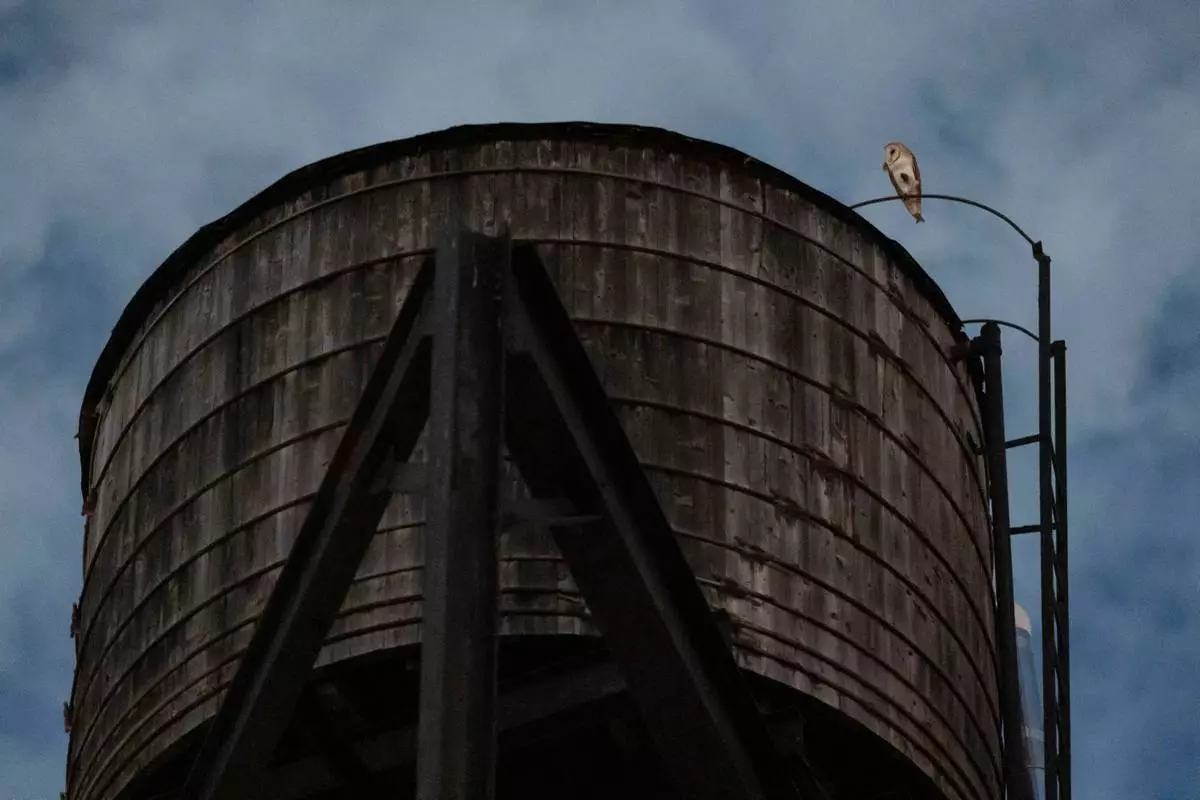
An American Barn Owl sits perched on a water tower on the Upper West Side of Manhattan, Wednesday, Oct. 14, 2026, in New York. (AP Photo/Yuki Iwamura)
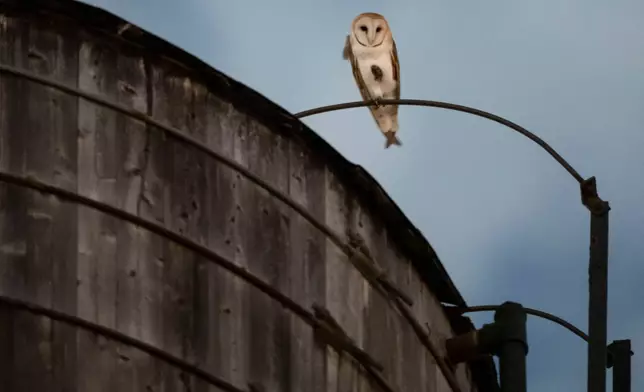
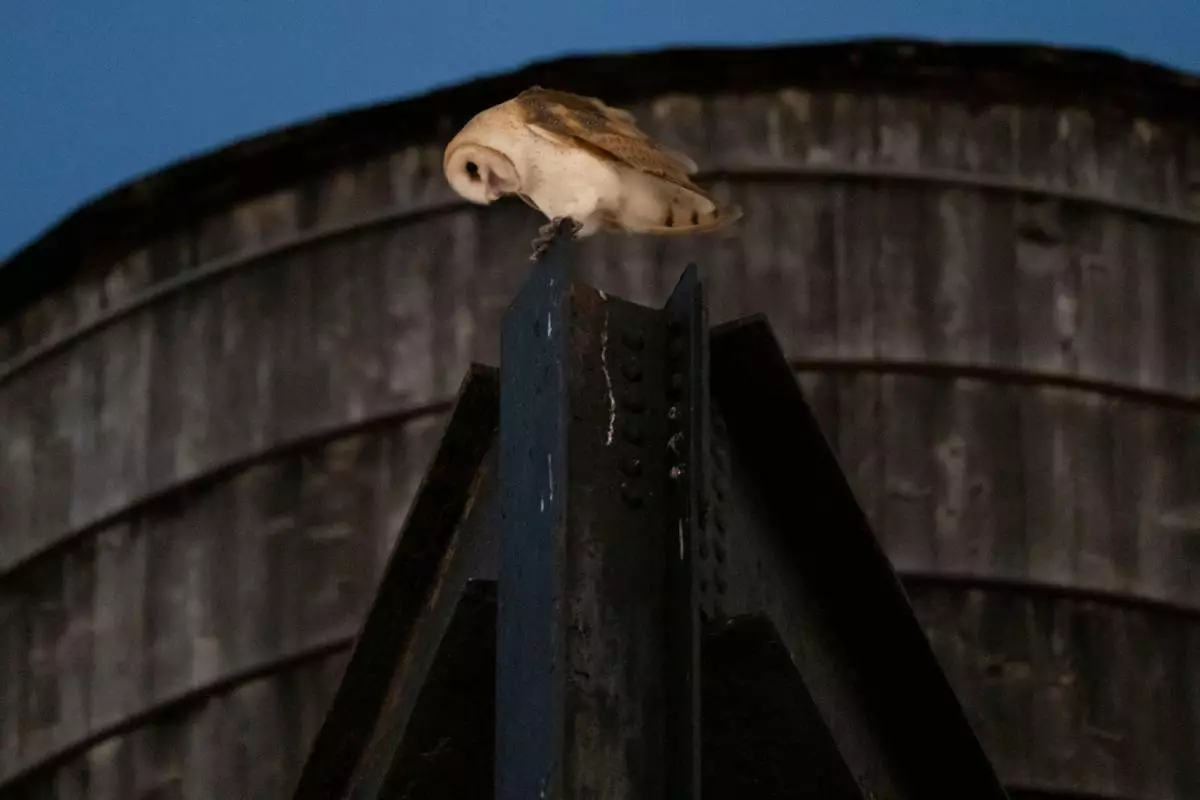
An American Barn Owl sits perched on a water tower on the Upper West Side neighborhood, Wednesday, Oct. 14, 2026, in New York. (AP Photo/Yuki Iwamura)
“It was, like, totally shocking,” Andrew Farnsworth, a migration ecologist at the Cornell Lab of Ornithology, said of the barn owls. “To the best of our knowledge, like the collective birding knowledge, there hasn’t been a nest in, you know, in Manhattan, at least in recorded history.”
Word of the barn owl family didn't get around until last week, when Elisabeth Williams, an Upper West Side resident, notified a local news outlet on Oct. 6 that she and her husband saw multiple owls at the water tower atop a building on West 75th Street close to Central Park West.
The couple had previously seen a single owl on an apartment windowsill a few days earlier and were shocked even then, Williams recalled.
“In a place like Manhattan, you normally really have to go out of your way to encounter nature,” she said. “And here it was, just sort of right outside our window.”
It's not the first time that birds have captivated New Yorkers. Residents have fallen in love with American woodcocks, who are known to stop in Midtown Manhattan’s Bryant Park every year as they migrate north in early spring. After Flaco the Eurasian eagle-owl died in 2024, dozens of mournful fans gathered to say goodbye to the beloved creature who flew around Manhattan and became a joy to many after someone let him out of his zoo enclosure the previous year. Then there was Pale Male, a red-tailed hawk who nested above Fifth Avenue for three decades before dying in 2023.
But barn owl sightings in New York City parks are very rare, according to the New York City Department of Parks & Recreation. New York is at the northern fringe of the barn owl's range and the barn owl population has declined “at an alarming rate” over time, according to the state Department of Environmental Conservation.
“There’s lots of excitement among New Yorkers, both birders and non-birders alike, about these owls because owls really capture the attention,” said Jessica Wilson, executive director of NYC Bird Alliance. “They’re magical, they’re nocturnal, they are secretive, they’re not commonly seen, especially on the Upper West Side of Manhattan. And to have this chance to see these birds is really thrilling.”
Photographers and casual onlookers have gathered on the street on a nightly basis to spot the owls.
“I’ve only seen one barn owl ever, and that was in California,” said Val Coleman, a retired New York City resident who was on the Upper West Side earlier this week trying to spot the owls. “At dusk, we hope they will come out to hunt. We hope they don’t eat poisoned rats with rodenticide in ’em.”
David Barrett, a Manhattan-based birder who runs the popular social media account, Manhattan Bird Alert, said he’s observed at least one adult barn owl and five fledglings at the water tower. He’s also seen an adult owl carrying rodents back to the water tower. There are believed to be two adult owls, and some photographers have claimed to have seen six fledglings, Barrett added.
“Having one barn owl is a rarity, but it’s not national news. Having a family, for the first time ever, breeding in Manhattan in recorded history, that’s special news,” Barrett said.
Before the recent barn owl sightings, Williams and her husband heard periodic screeching noises outside going back to early September. They initially assumed it was a bird of some kind but were skeptical when a phone app indicated the noise was from a barn owl.
Thomas Obersteiner said that he first heard bizarre screeching and wailing noises from outside one evening in mid-September. It sounded like someone was “being murdered outside,” he said.
“That lasted for two or three weeks, every night, sometimes more, sometimes less, coming from different directions,” Obersteiner added. “But I had no idea what that was.”
On multiple occasions, Obersteiner or his wife ran into their children's bedroom after mistaking the owls' screech for a child in pain, he said. It wasn't until he saw a news report that he realized that owls were making the sounds.
Farnsworth said the screech is typical of barn owls, who use it to communicate with one another. The screech is like a “horror movie kind of experience,” he said.
Obersteiner, who said his roof deck is the “probably the best location in town right now” to watch the owls, has been letting nature photographers access that perch to observe the owls “almost every night” since news of the barn owls spread. On one night last week, 20 people had gathered.
“We can’t say no because it’s so much fun and these people are so serious,” Obersteiner added. “It's beautiful.”
Williams and her husband were not bird watchers before the barn owl family moved in to the water tower. But that may change soon after their “delightful” experience.
“I think we’re about to become birders,” Williams said.
__
Kelety reported from Phoenix.
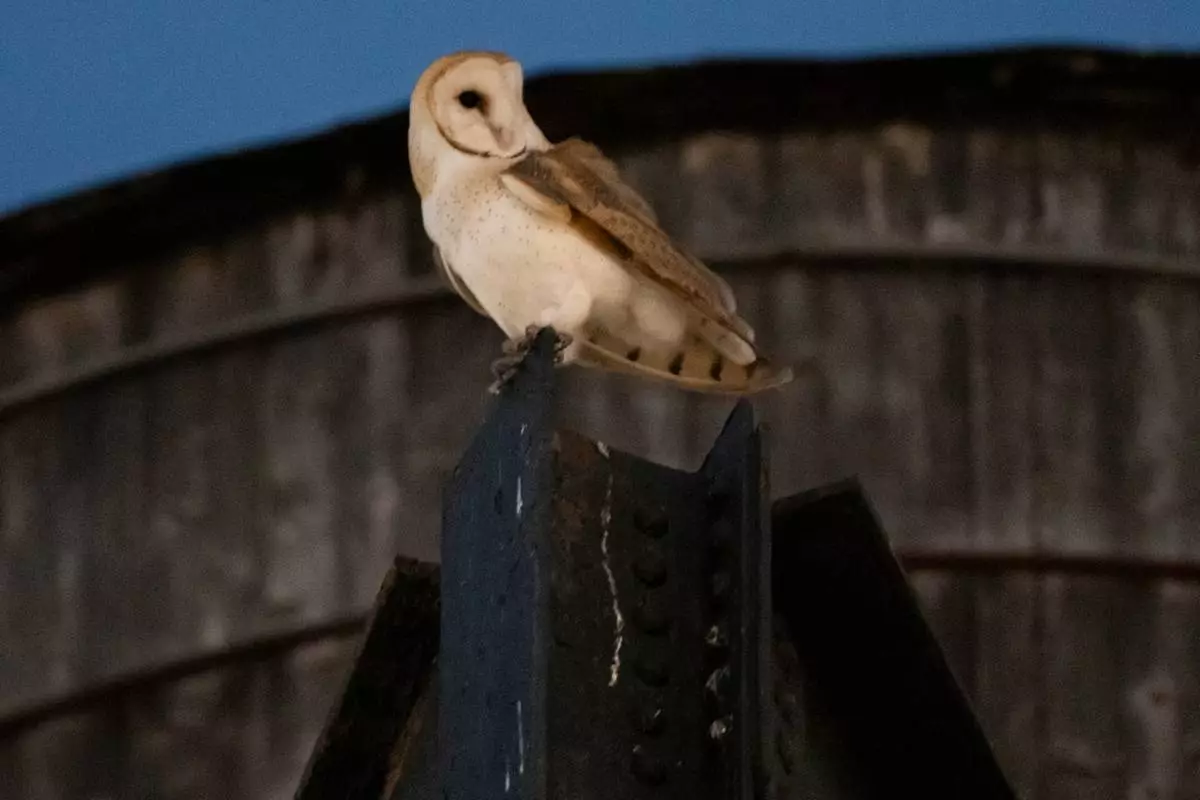
An American Barn Owl sits perched on a water tower on the Upper West Side neighborhood, Wednesday, Oct. 14, 2026, in New York. (AP Photo/Yuki Iwamura)
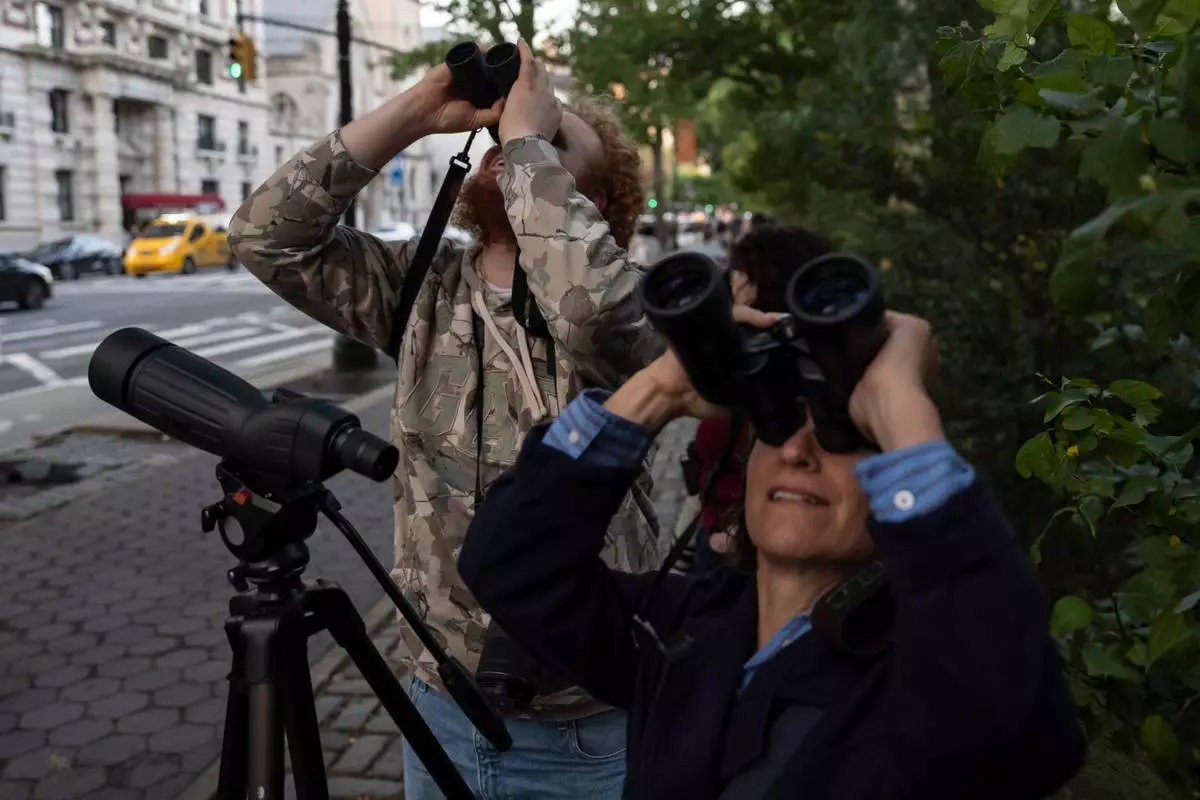
People look at American Barn Owls sit perched on a water tower on the Upper West Side neighborhood, Tuesday, Oct. 13, 2026, in New York. (AP Photo/Yuki Iwamura)
An American Barn Owl sits perched on a water tower on the Upper West Side of Manhattan, Wednesday, Oct. 14, 2026, in New York. (AP Photo/Yuki Iwamura)
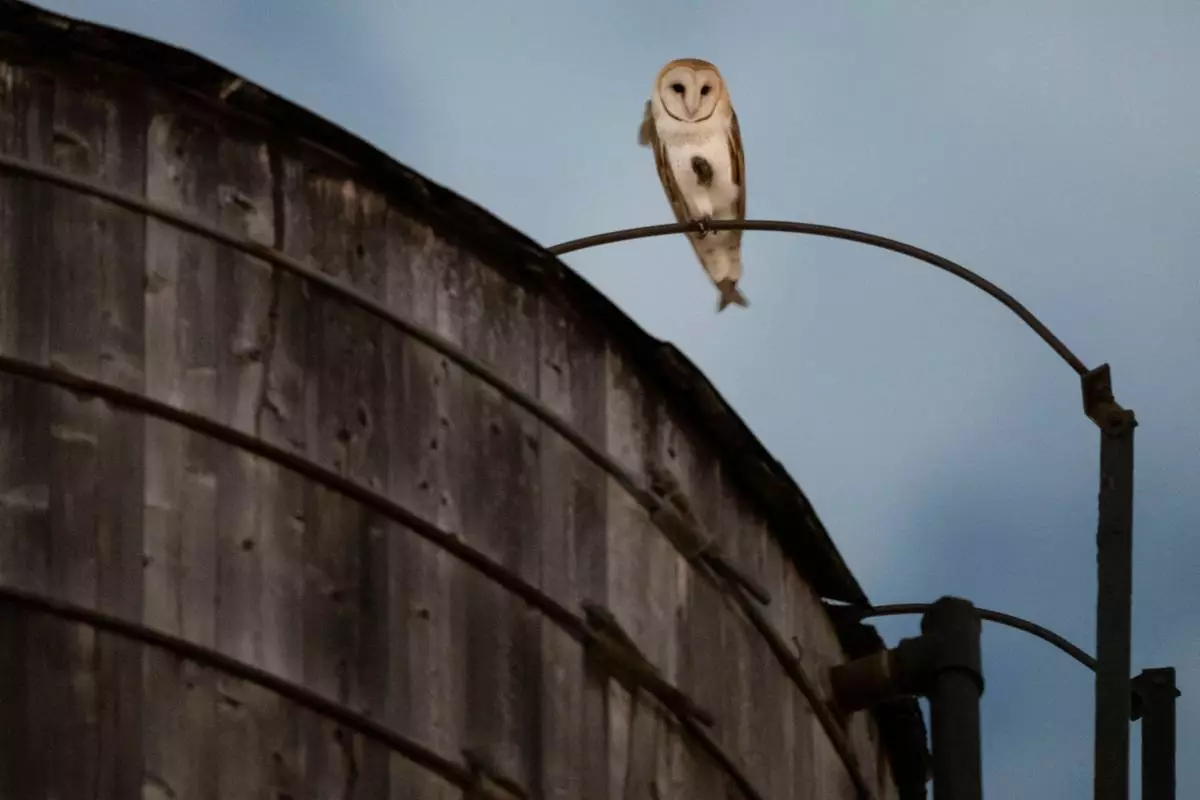
An American Barn Owl sits perched on a water tower on the Upper West Side neighborhood, Wednesday, Oct. 14, 2026, in New York. (AP Photo/Yuki Iwamura)

The legacy of the Black Panther Party lives on six decades after its founding, in the work of a Seattle medical center started to address systemic health disparities in the African American community, particularly among Black children.
Originally known as the Sidney Miller Free Medical Clinic in 1969, it put into practice the national Black Panther Party’s Ten-Point Program to uplift African Americans as the Black Power movement gained momentum. Now, as the Carolyn Downs Family Medical Center, it, along with the affiliated Country Doctor Community Clinic, sees tens of thousands of patients in a year.
As the celebration begins Thursday for the Black Panther Party's Oct. 15, 1966, founding in Oakland, California, former members are looking beyond the iconic black leather jackets, berets and clenched fists to highlight programs aimed at healing disenfranchised and forgotten communities.
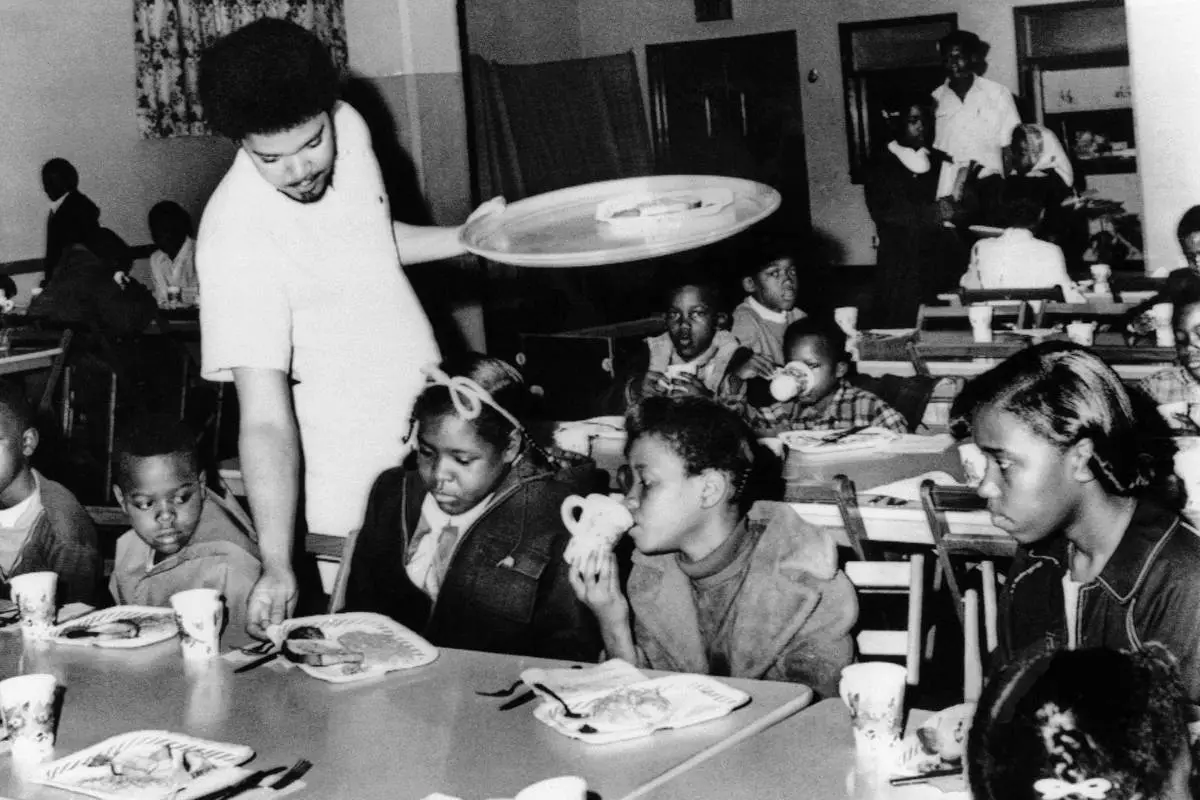
From free medical clinics and pushing nationally for sickle cell anemia testing to providing free breakfasts for children and community schools promoting education and literacy, the Black Panthers understood what was needed during the racially turbulent 1960s, said Fredrika Newton, widow of co-founder Huey P. Newton.
“We sought to meet the basic needs of the Black community, not only the Black, but all oppressed communities,” she told The Associated Press Tuesday. “Children were going to school hungry. People couldn’t get medical care. People were sleeping in the streets, just like today.”
A planned four-day conference this weekend in downtown Oakland includes a gala. Surviving original members and other Black Panther Party veterans are expected to attend.
Co-founders Huey P. Newton and Bobby Seale were students at Merritt College in Oakland, where they formed the Panthers during the Civil Rights Movement. Both became active in Bay Area politics during the mid-1960s and believed the Civil Rights movement may have addressed the plight of Blacks in Southern states, but it failed to bring about any real change in the U.S. West and North.
With Newton as minister of defense and Seale as the group's chair, the Black Panther Party for Self-Defense advocated for political and economic empowerment and initiatives to improve life for the city's Black residents in addition to standing up to what they saw as racist and heavy-handed policing in the Black community.
“We knew that Black people were getting brutalized by the police," said Fredrika Newton, who joined the Black Panther Party in 1971 after meeting Huey P. Newton. "We wanted to make sure that they were getting educated and taught how to protect themselves.”
Confrontations with law enforcement — broadcast to households across the country — galvanized Black support for the organization but also worried many white people. Seale, declaring that the Second Amendment right to bear arms also applied to Blacks, led a small group of armed Panthers in 1967 into the California state legislature.
The Black Panther Party was targeted by the FBI, which put its leaders and members under surveillance and operated a yearslong disruption and discrediting campaign.
John “Bunchy” Crear was caught up in the maelstrom of race and politics sweeping across California in the late 1960s and early 1970s. Crear, along with some friends, began attending Black Panther political education classes in 1970. He joined at age 19.
“I was at home in my bedroom listening to my music when my mother comes in and says two white gentlemen from the FBI were in the living room wanting to talk to me,” recalled Crear, 74, who lives in Houston. “I walked in and there were the men in black. They asked if I was a member of the Black Panther Party, then pulled a book out with photos asking if I knew this person, if I knew that person.”
“'Well, John, if you stay in school and get you a good job, you’ll never hear from us again,'” Crear said the men told him before leaving.
The Black Panther Party purchased buildings and homes that served as safe houses and centers for their community survival programs, which mostly addressed food insecurity, lack of healthcare, unequal education and other issues in Black communities.
Chapters were started in about 70 other cities. The chapter in Seattle started one of the 13 original Black Panther Party-founded healthcare clinics across the country and is the only one still in operation.
“Thinking especially about Black folks in the 1960s and 70s, it was impossible to try to address one need and not all because they were vulnerable and under threat in so many areas,” said Brandy Taylor, chief executive of the Carolyn Downs Family Medical Center and Country Doctor Community Clinic.
“It wasn’t just about medical care. It was about free speech, social services, food security and knowing your rights. There were so many doors closed that you couldn’t survive without addressing them all," she said.
The Black Panther Party folded in 1982 after years of police surveillance, as well as dwindling national membership, infighting, allegations of embezzlement and scandals in which Huey P. Newton was implicated and criminally charged.
Newton’s addictions to alcohol and drugs overtook him. He was murdered in Oakland, California, in 1989 by a drug dealer.
In 2021, a bronze bust of Huey P. Newton was unveiled in Oakland.
However, some see similarities in why the Black Panthers were started with the emergence of the Black Lives Matter movement following the 2013 acquittal of the man who killed Trayvon Martin, a Black teenager in Sanford, Florida.
“We want to let young people know exactly what we did and what could be done,” said Fredrika Newton, who also is president and co-founder of the Huey P. Newton Foundation.
“This is not a blueprint for what they can do now, but they can certainly see what we did, take what we did, apply them to the conditions today and organize," she said. "Organize around the needs that exist today.”
Williams is a Detroit-based member of AP's Race & Ethnicity team.
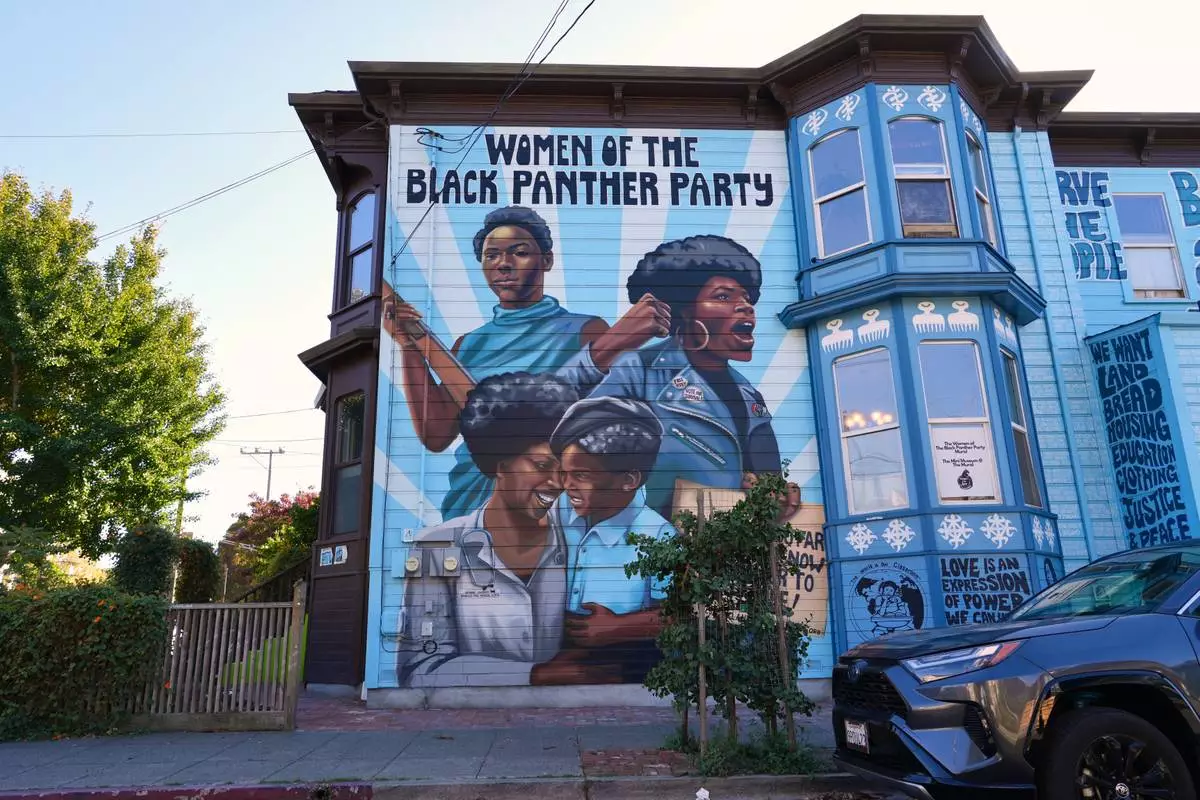
A mural commemorating the women of the Black Panther Party is painted on the side of a house in Oakland, Calif., on Tuesday, Oct. 13, 2026. (AP Photo/Terry Chea)
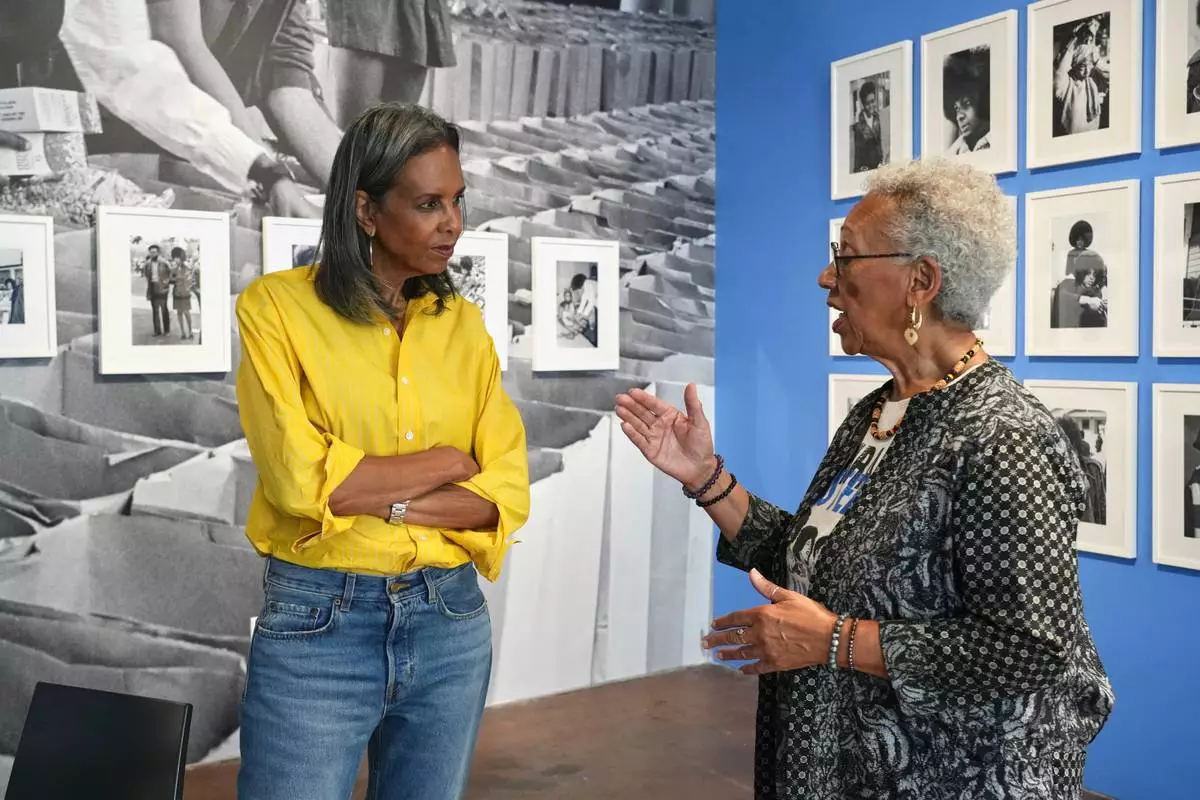
Fredrika Newton and Gayle "Asali" Dickson, former members of the Black Panther Party, talk at the Black Panther Party Museum in Oakland, Calif., on Tuesday, Oct. 13, 2026. (AP Photo/Terry Chea)
FILE - Bill Whitfield, a member of the Black Panther chapter in Kansas City, serves free breakfast to children on April 16, 1969, before they go to school. (AP Photo/William Straeter, File)
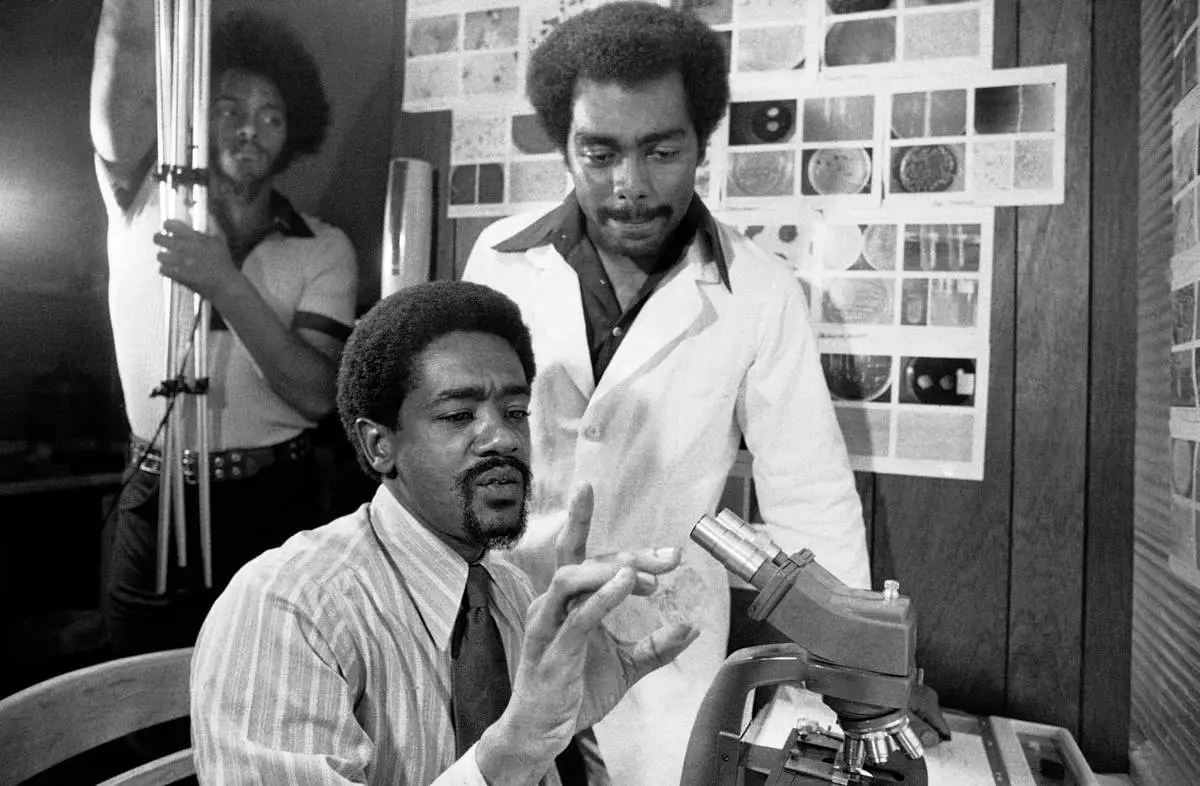
FILE - Bobby Seale, seated, is seen at the Black free health clinic on Sept. 8, 1972, in Berkeley, Calif. (AP Photo, File)
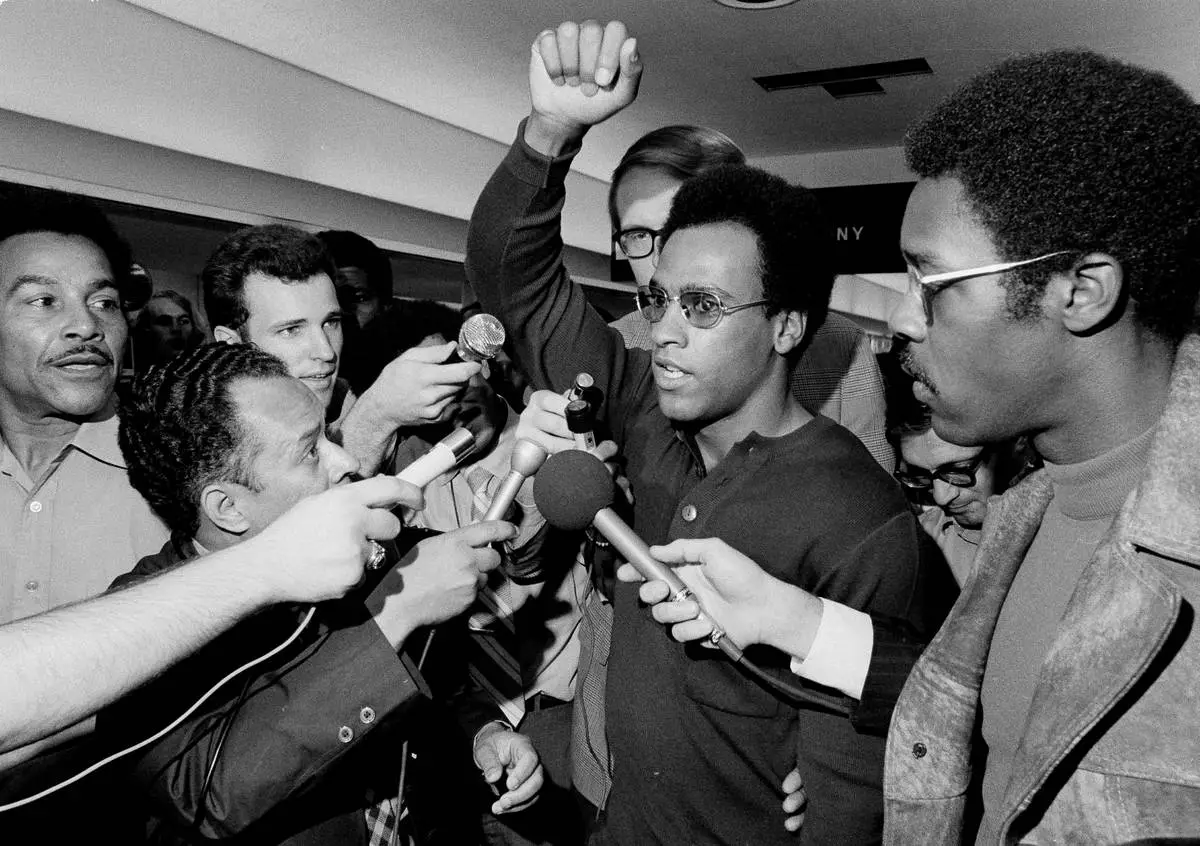
FILE - Huey Newton, Black Panther Party minister of defense, raises his arm as he is surrounded by the press at Philadelphia's International Airport, Sept. 4, 1970, upon his arrival for a convention in Philadelphia. (AP Photo/Rusty Kennedy, File)