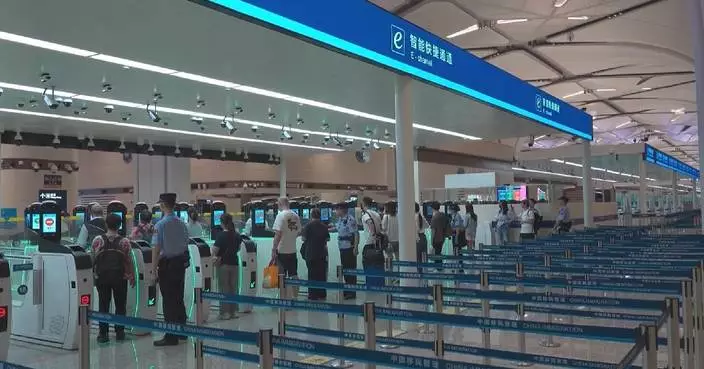
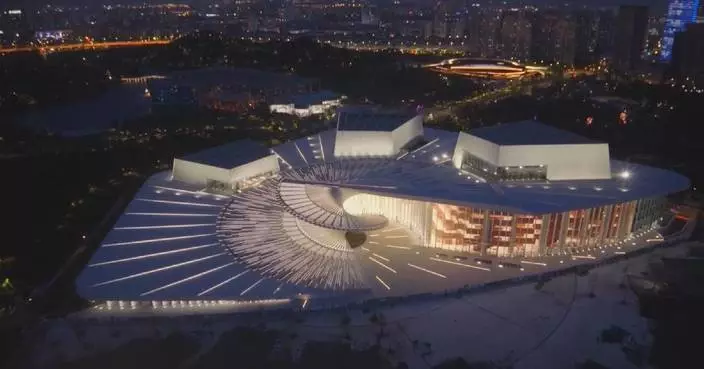
The Guangzhou Knowledge City Comprehensive Bonded Zone, the first knowledge-oriented bonded zone of its kind in the Guangdong-Hong Kong-Macao Greater Bay Area (GBA), was put into use on Friday in Guangzhou, capital of south China's Guangdong Province.
Located in the northern starting area of the China-Singapore Guangzhou Knowledge City and covering a planned area of 0.82 square kilometers, the zone will focus on industries such as intelligent computing power and bonded maintenance of precision equipment.
The establishment of the zone, which was ratified by China's State Council on October 30, 2023, is crucial to promote the economic development of the Greater Bay Area.
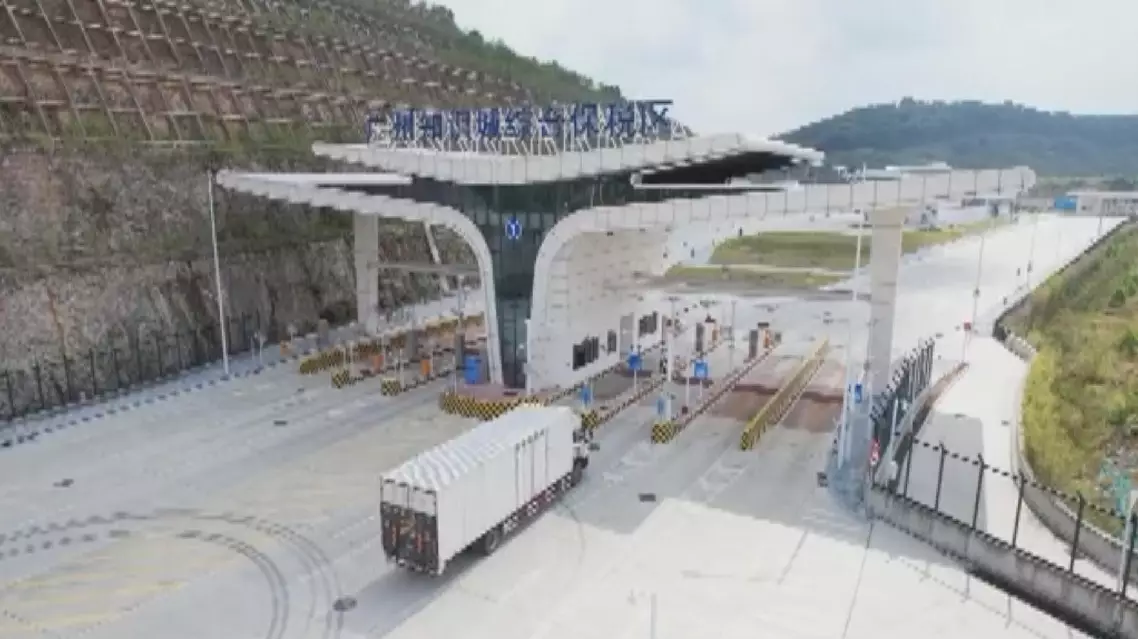
First knowledge-oriented comprehensive bonded zone in Greater Bay Area starts operation
China's first-ever multi-generational space rice research has taken a new step toward humans' ability to fully grow food in orbit, with the Shenzhou-23 crew completing another round of sample collection, sowing, and storage aboard the Tiangong space station.
The research project aims to study the molecular mechanisms behind rice's multi-generational genetic stability and environmental adaptability in microgravity. Over the past week, the three astronauts collected a new batch of samples, which will be returned to Earth for scientists to analyze at the phenotypic and molecular levels, helping reveal how long-term microgravity affects rice genetic stability.
China's space rice research began in 2022, when the Shenzhou-14 crew conducted the world's first full life-cycle rice cultivation experiment in space. During that mission, six rice seeds were grown aboard Tiangong for 120 days, producing 59 first-generation space-grown seeds that the crew returned to Earth.
On May 24 this year, the Shenzhou-23 spacecraft carried a new batch of rice seeds into orbit. The seeds fall into two groups: ordinary seeds that have never left Earth, and third-generation descendants bred on the ground from the 59 space-grown seeds harvested in 2022. Both are Chinese japonica varieties known for their adaptability and three- to four-month growing cycle.
After more than four months in orbit, the Shenzhou-23 crew has reached the first harvest and begun second-generation cultivation using two propagation methods. The aim is to compare how space-flown and Earth-grown rice adapt to space, and to explore how different propagation methods affect second-generation space rice.
The second-generation space rice is expected to mature during the Shenzhou-24 mission, scheduled for later this year.
While the 2022 experiment covered a full life cycle "from ground seed to space seed," this year's research advances to "from ground seed to space seed to space seed" -- a repeating cycle that researchers hope could provide important theoretical support for in-situ crop production beyond Earth -- the ability to grow food in space without relying on resupply from Earth. Such a capability is considered essential for humanity's future exploration of deep space.
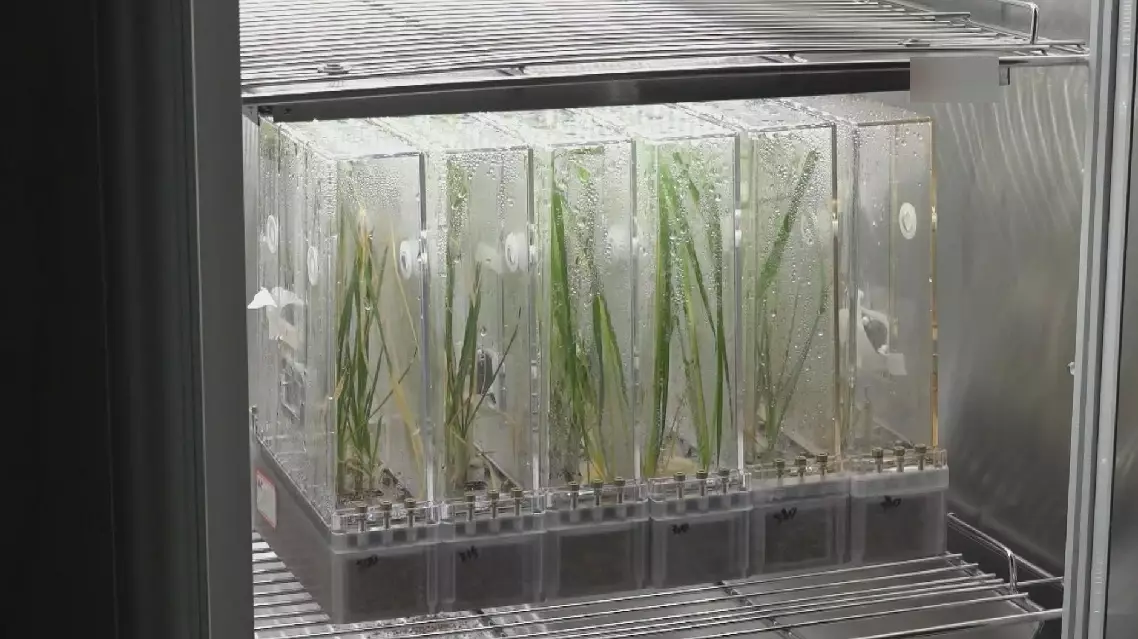
China's multi-generational space rice research advances toward growing food in orbit