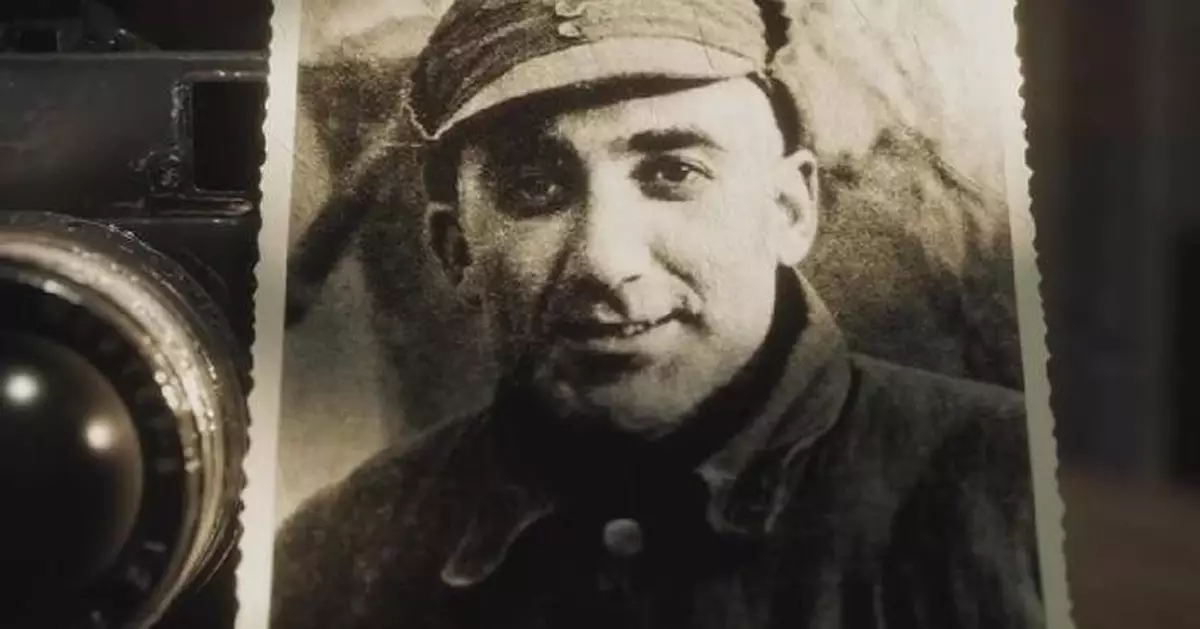
The legacy of George Hatem, a U.S. doctor who treated Red Army soldiers in northwest China during the historic Long March, continues to inspire his descendants to this day, with his son and great-grandson vowing to continue to carry forward the spirit.
With this year marking the 90th anniversary of the victory of the Long March, the remarkable tale of Hatem, known in China by his Chinese name Ma Haide, remains one of the most enduring episodes of this time period.
The Long March (1934-1936) was a military maneuver by the Chinese Workers' and Peasants' Red Army that later became a defining chapter in modern Chinese history, symbolizing endurance and perseverance as troops crossed some of China's harshest terrain to establish a new revolutionary base, with some marching as far as 12,500 kilometers.
Hatem, who was inspired by the cause of the Communist Party of China (CPC), journeyed to the frontlines and chose to stay and tend to wounded soldiers despite being urged to leave as the fighting drew near at that time.
Born in the United States in 1910, Hatem first came to China to study epidemic diseases when he had just received his medical degree at the age of 23, before later heading from Shanghai to the country's northwest where the Red Army continued their struggle.
Looking back on his father's life in an interview with the China Global Television Network (CGTN), Hatem's son Zhou Youma reflected on how his father wanted to make active contributions to his adopted country.
"My father once told me how fortunate he felt. After he came to China, so much happened here and he took part in so much of it. He wasn't simply watching from the sidelines. He was there helping to make things happen. He felt it had been a life well worth living," said Zhou.
Many family members of some of the key figures of those pivotal times have sought to follow in the footsteps of the epic journeys undertaken by their forefathers.
Ma Mingde, Hatem's great-grandson, said he recently traveled to the Tongxin County of northwest China's Ningxia Hui Autonomous Region where Hatem and U.S. reporter Edgar Snow visited back in 1936.
"Ninety years later, I came to Tongxin County with Sam -- Edgar Snow's great-nephew -- to retrace our ancestors' footsteps. I felt very proud. Today, Tongxin has so many high-rise buildings. We also visited a goji berry plantation. Industries like these are thriving here. The place has changed completely since their time. So, I think the tremendous efforts they put in has paid off today," he said.
Following the end of the Long March, the subsequent War of Resistance Against Japanese Aggression and the founding of the People's Republic of China in 1949, Hatem became the first foreigner to gain Chinese nationality. He was appointed as an advisor for China's health ministry one year later. Through his work, Hatem helped build and strengthen the country's public health system until he passed away in Beijing in 1988.
Ma said the spirit of his great-grandfather continues to inspire him today.
"He has had a profound impact on my life from my love of history to my desire to help others, all of which stem from the spirit he instilled in me. Starting with myself, or rather, beginning with our family, I've been working to digitize and organize the old photographs left behind by my great-grandfather. My goal is to help people gain a more comprehensive understanding of him and the War of Resistance at that time," he said.
"Learning from the spirit of the Long March allows us young people to better understand the hardships our ancestors endured. It also helps us learn from their spirit of hard work and perseverance, inspiring us to master our professional skills more effectively so that we can contribute to society to the best of our ability in the future," Ma added.
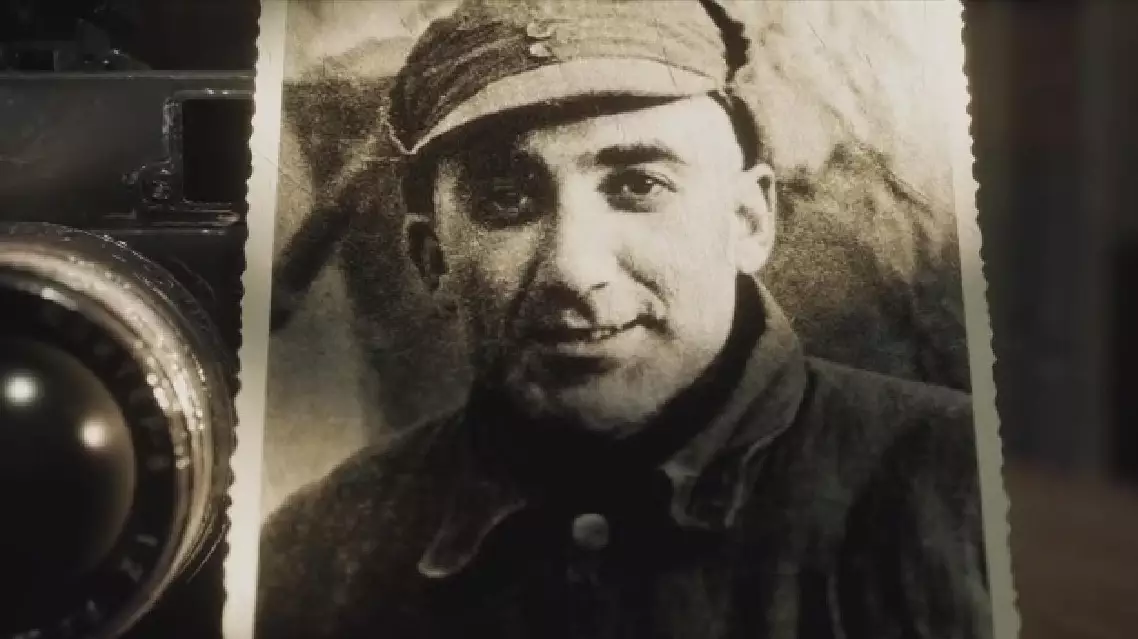
Descendants of US doctor George Hatem carry forward legacy