Foreign companies are stepping up their investments in China, with major multinational firms increasingly treating the country as a global innovation hub, a source of shared development opportunities, and a massive market for their products.
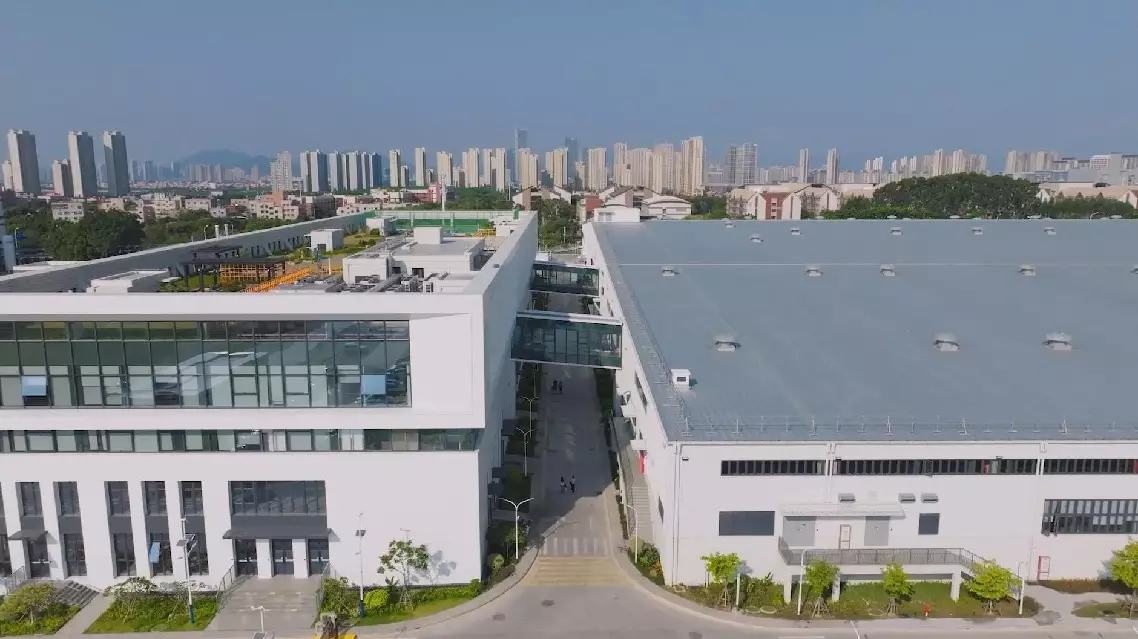
French energy technology firm Schneider Electric announced on Wednesday that a new production facility in Xiamen, in east China's Fujian Province, its largest medium-voltage electrical equipment manufacturing facility worldwide, had begun operations.
Schneider Electric Xiamen Xiang'an Industrial Park, which integrates research and development, manufacturing and supply chains, represents a total investment of more than one billion yuan (about 150 million U.S. dollars).
"We announced this spring that we would expand our investment in China. By autumn, the new industrial park in Xiamen had already been completed and put into use. This reflects how quickly projects like this are built in China and why we choose to invest in Chinese innovation," said Xu Shaofeng, senior vice-president of Schneider Electric.
In the first three quarters of this year, foreign investment in China's high-tech industries rose 33.8 percent year on year, accounting for 41.6 percent of total foreign investment. Foreign investment in the digital economy, research, development and design services, and energy-saving, environmental protection and clean industries grew notably.
Finnish company KONE Elevator recently opened its new headquarters in a modern industrial cooperation zone in Shenzhen in south China's Guangdong Province to better respond to the growing demands of the Guangdong-Hong Kong-Macao Greater Bay Area (GBA).
German automotive parts giant Schaeffler has also launched a new innovation base in the Yangtze River Delta, encompassing a smart R&D center, digital manufacturing production lines, and a computing center.
"The Chinese market is very relevant for us. China is developing very fast, especially also in this humanoid ecosystem. And that's why we have decided to give full empowerment here to our regional team in China working on the humanoids, operating this lighthouse factory together with many partners out of the humanoid ecosystem. And I think that China will play a very decisive role on the forefront of humanoid development and physical AI," said Jochen Schroder, Chief Operating Officer (COO) of Schaeffler Group.
As opportunities in China continue to expand for foreign firms, their willingness to step up presence in the country is also strengthening. Data from the Ministry of Commerce showed that in the first three quarters, over 6,300 foreign-funded enterprises had increased their investment in China.
"We will coordinate efforts to stabilize existing foreign investment and attract further investment, while improving the quality of foreign investment. We will continue to build a world-class business environment that is market-oriented, law-based and internationalized, solidly implement the Catalog of Encouraged Industries for Foreign Investment, and guide more foreign investment into emerging and future industries to serve the overall cause of China’s high-quality development," said Wu Di, deputy director of the Ministry of Commerce's Department of Foreign Investment Administration.
Foreign multinationals step up investment in, integration with Chinese market