Spaniards are mourning a fatal high-speed train crash as "a tragedy," with many saying the disaster has shaken their confidence in the country's railways and calling for stricter safety standards and regular, system-wide inspections.
At least 69 people were killed and dozens more injured when two trains collided on the Madrid-Seville high-speed line on the morning of October 28. The crash occurred near Toledo, south of the capital, on the line linking Madrid with the southern region of Andalusia.
China Global Television Network (CGTN) stringers spoke with residents and passengers in Madrid, where grief over the disaster is mingling with unease among those who ride the same routes every week.
"A tragedy. There is no other way to describe it," one resident said.
"Well, to be honest, I was shocked because I had a Madrid-Seville train to catch today. So, obviously, it hits hard. A couple of friends and I live in Zaragoza, and we are from Andalusia, so we make that trip quite often. And just yesterday, a friend was going to take a later train, so you see it up close and think, 'That could have easily happened to me.' It is a tragedy and a real pity," said a frequent rail passenger.
That sense of proximity is feeding a broader anxiety. Asked whether they still feel safe on Spain's trains, passengers said the crash has changed how they view a journey many can hardly avoid.
"I feel unsafe on commuter trains. I have to take them because I have no other choice. For long and medium distance trains, I think twice about it. I prefer to drive my car rather than take the train right now," said a local resident. "In fact, I took the Zaragoza-Madrid train, and just the simple fact of taking a train this morning made me more nervous, because you see what has happened in such a short period of time — the Adamuz incident happened in January — and it's true that you feel unsafe because of the condition of the tracks or even the maintenance of the trains themselves," said the frequent rail passenger.
For some, the answer lies in far more rigorous oversight of the network.
"There should be greater safety on trains, and they should be thoroughly inspected regularly. I don't know if that means every day, maybe once a week, but across the whole system," said a local resident.
"Maintenance, above all. All the tracks need to be inspected. Everything that needs to be checked should be checked," said another resident.
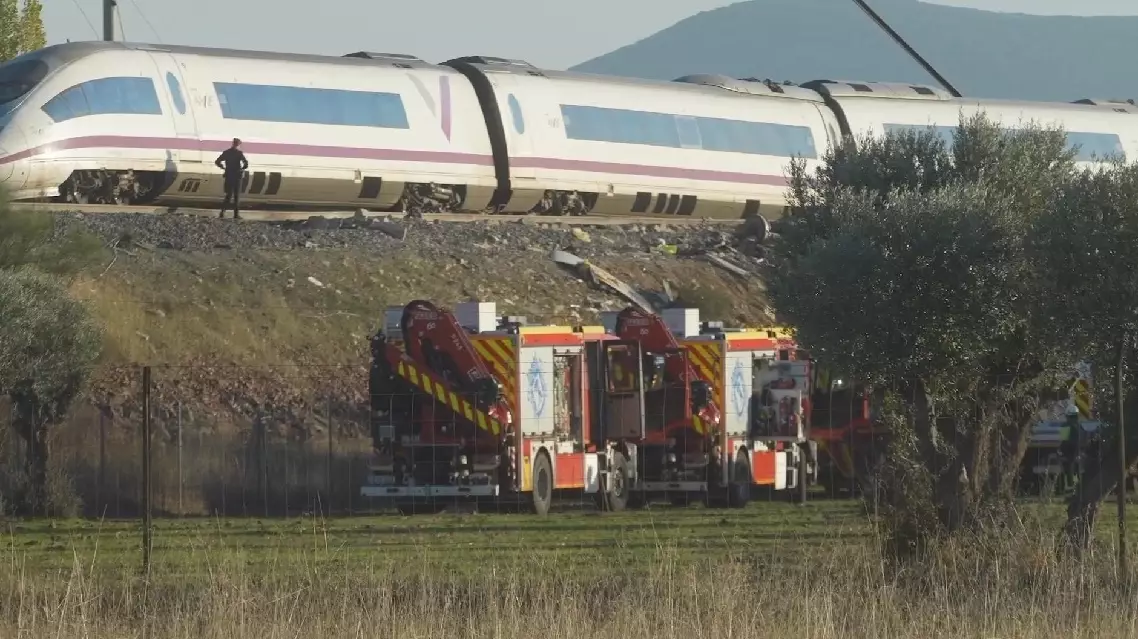
Spaniards call deadly train crash 'a tragedy,' demand stronger rail safety
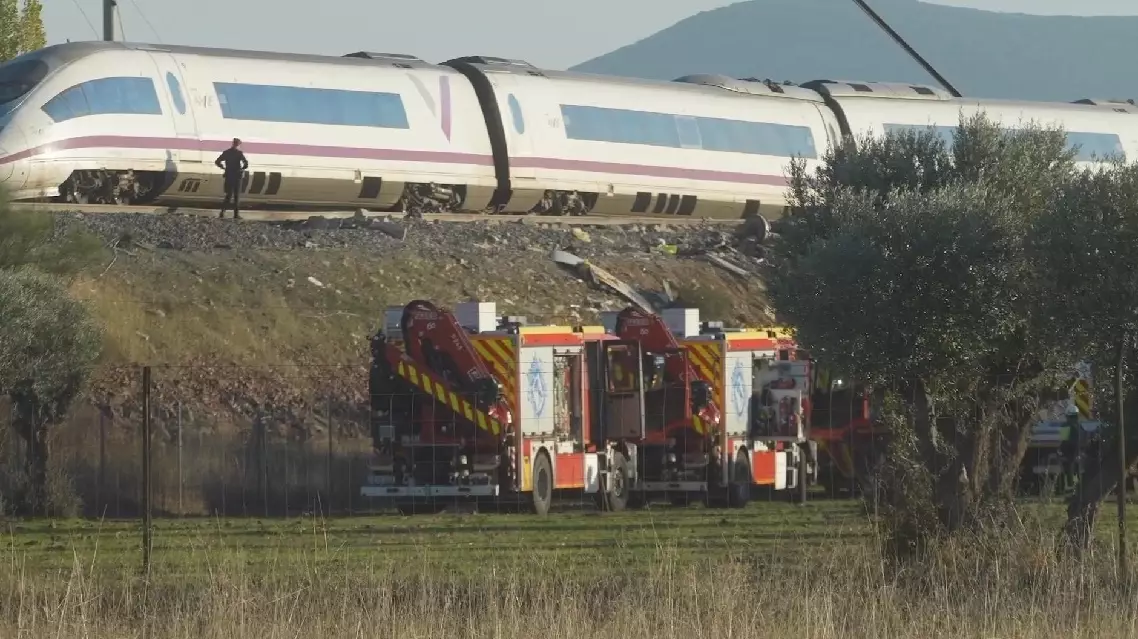
Spaniards call deadly train crash 'a tragedy,' demand stronger rail safety