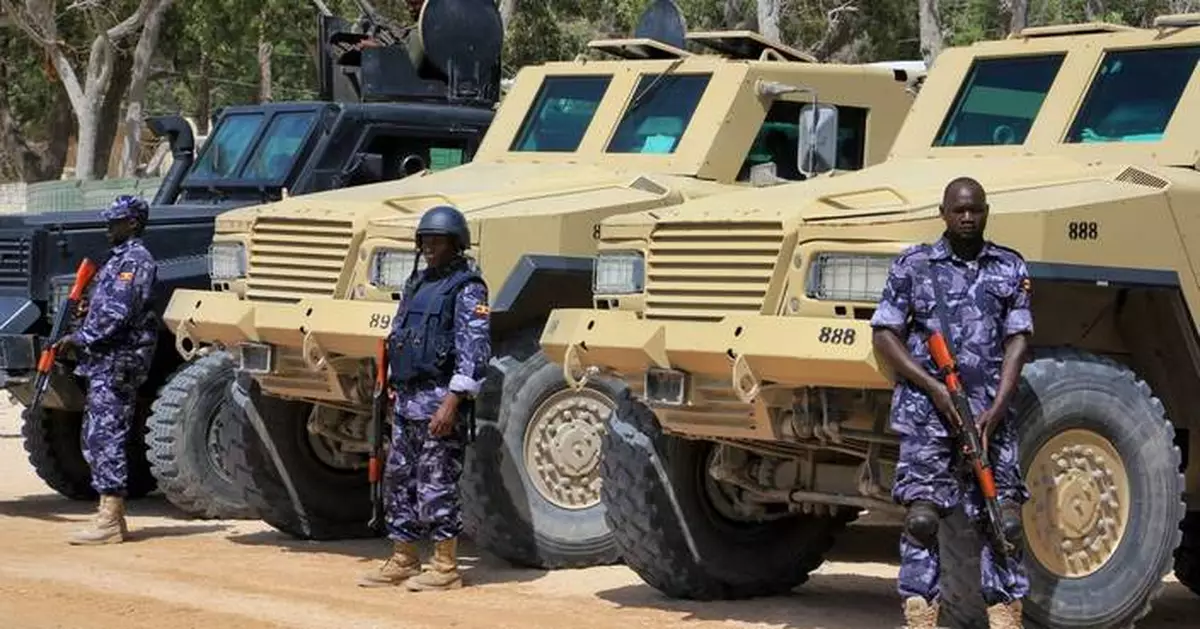
MOGADISHU, Somalia (AP) — Peacekeepers plan to replace departing Ugandan troops at four bases near Somalia’s capital to prevent al-Shabab militants from exploiting a security vacuum, according to a letter from the African Union mission to the U.N. support office in Somalia obtained by The Associated Press.
Uganda says all its troops will leave Somalia by the end of 2027, ending a 20-year deployment. Those leaving now were deployed under a bilateral agreement with Somalia’s government. Uganda also contributes troops to the African Union peacekeeping mission.
Funding shortages have accelerated the withdrawal, said Farhan Isak Yusuf, deputy executive director of Somali Public Agenda, a Mogadishu-based public policy research organization. Uganda’s military statement did not say why the bilateral troops were being withdrawn immediately.
The peacekeepers will move from Barawe, a port town about 220 kilometers (135 miles) southwest of Mogadishu. It is unclear who will take over the bases they leave behind.
Uganda announced Monday that the withdrawal had begun, with the first soldiers already home. Military spokesman Col. Chris Magezi said troops deployed under the bilateral agreement would finish leaving within days. Uganda’s remaining forces, including its AU peacekeepers, would gradually withdraw by the end of 2027.
The Oct. 31 letter says Uganda deployed the bilateral force after an April 2025 summit where African leaders called for more peacekeepers to fight al-Shabab. Those Ugandan troops helped recapture and hold territory over the next 17 months.
The African Union Support and Stabilization Mission in Somalia plans to take over four of the positions — Sabid-Anole, Bariire, Awdheegle and Bulonagad — during troop rotations scheduled for November. The letter describes the locations as critical to protecting Mogadishu.
Somali army commander Maj. Gen. Ibrahim Mohamed Mohamud visited troops in Barawe on Monday, receiving briefings on local security, according to an army statement.
He instructed troops to remain on high alert and intensify operations against al-Shabab. The statement did not say whether Somali soldiers would take over the AU bases.
Somali and African Union troops captured Barawe from al-Shabab in 2014. The militants had used its port to bring in fighters and weapons and export charcoal to finance their operations.
Yusuf said the Somali army lacks resources and faces a difficult security environment. Lower Shabelle, where the Ugandan troops now withdrawing were stationed, is critical to protecting Mogadishu, he said.
Uganda’s withdrawal plans come just after the United Nations’ political mission in Somalia closed, ending more than three decades of successive missions that helped rebuild the country and mediate political disputes.
United Nations aid agencies remain in Somalia. A separate support office continues providing supplies and transport to African Union peacekeepers and some Somali security forces.
Somali authorities have portrayed the political mission’s closure as a milestone toward managing their own affairs. But it comes amid a dispute over the president’s right to remain in office and continuing militant attacks.
Last week, an officer who survived an ambush said at least 20 Somali soldiers were killed in the Bay region. The government acknowledged damage to military vehicles but disclosed no troop casualties.
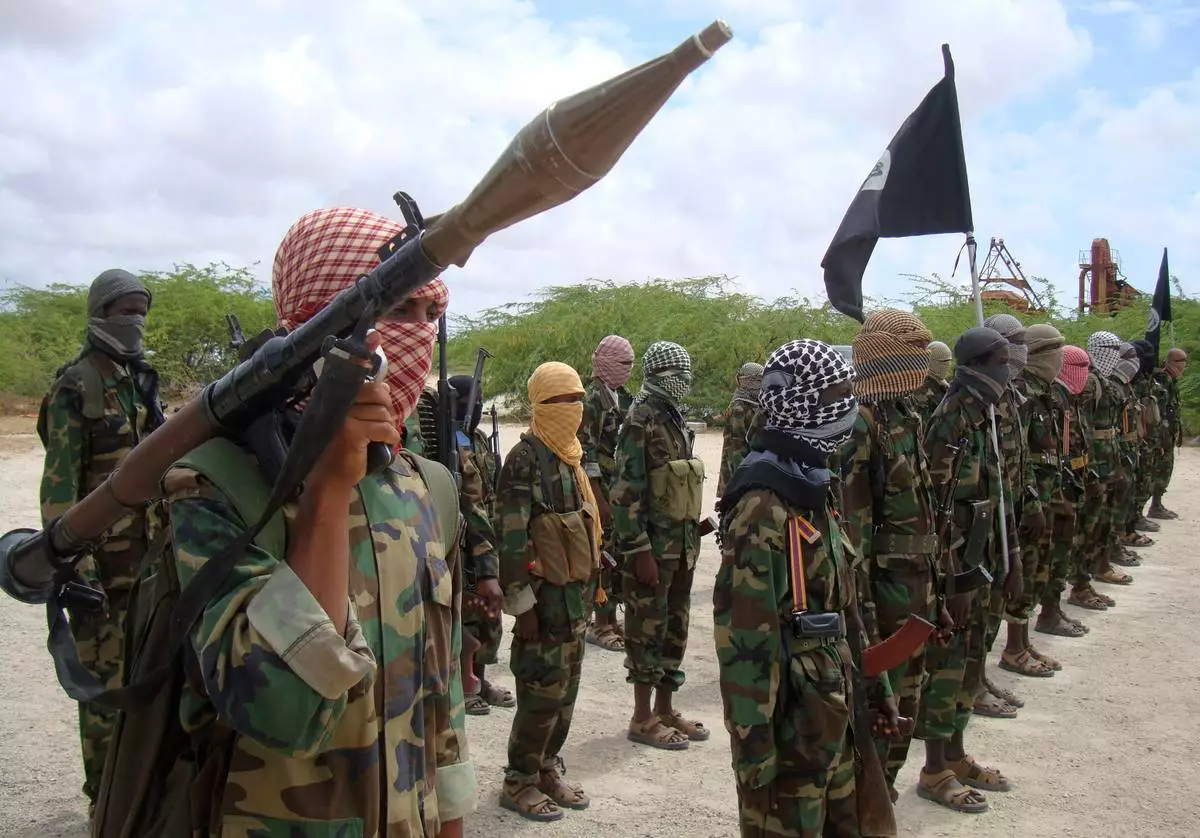
FILE - Al-Shabab fighters display weapons as they conduct military exercises in northern Mogadishu, Somalia, Oct. 21, 2010. (AP Photo/Farah Abdi Warsameh, File)
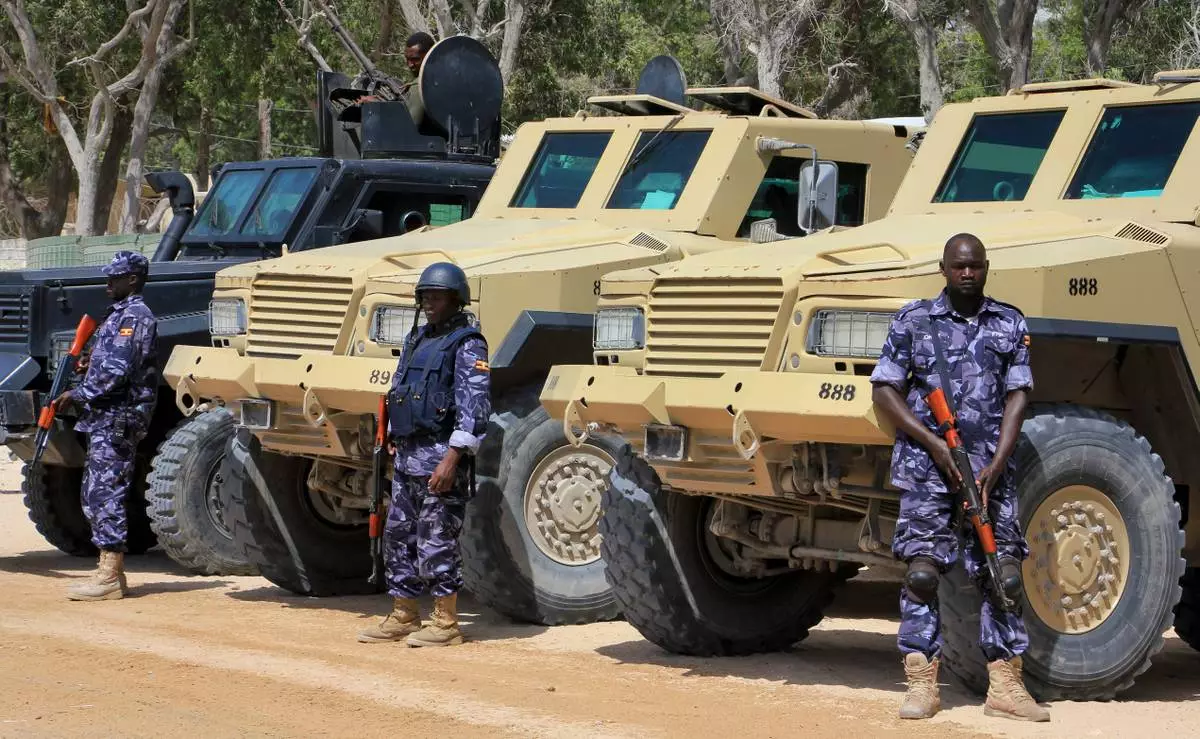
FILE - African Union (AU) soldiers stand with their armored vehicles near a checkpoint in Mogadishu, Somalia, on Feb. 7, 2017. (AP Photo/Farah Abdi Warsameh, File)
WASHINGTON (AP) — The United States will stop providing $4 billion in aid each year to Israel in 2027 but will sell arms to its closest ally in the Middle East, President Donald Trump said on Tuesday.
The Republican president told Fox News Channel during a phone call on Election Day for the midterms that Israeli Prime Minister Benjamin Netanyahu had approached him about the idea and that they have been talking about it for a couple of years.
Trump said Israel doesn’t need the aid and it’s a lot of money for the U.S. to spend. But Trump also said that U.S. aid to Israel has become a Democratic talking point for candidates such as Michigan Senate candidate Abdul El-Sayed, a vocal critic of Israel.
“You can consider it barter. You can consider military aid or cash,” Trump said. “Look, we give them $4 billion of things and money, and they don’t need it. And I was approached by Bibi Netanyahu, and we’ve been talking about it for a couple of years because it’s a lot of money.”
There was no immediate comment from Netanyahu’s office.
The United States has sent tens of billions of dollars in military aid to Israel over the last few years.
In 2016, President Barack Obama, a Democrat, signed an unprecedented security agreement with Israel to give its military $38 billion over 10 years, amounting to $3.8 billion a year. Under the agreement, Israel’s ability to spend part of the funds on Israeli military products was to be phased out and eventually all of the money would be spent on American military industries.
Netanyahu has talked about the need to wean Israel off the aid in the past and has said that the American aid would end at some point.
He told The Economist in January that he wanted to “taper off” U.S. military aid in the next 10 years and that such a change was “in the works.”
But the optics of the aid had also become an issue, according to Trump, who singled out El-Sayed for using it as a talking point.
“The left uses the $4 billion payment — that everybody knows about, it’s no secret — as a signal of unfairness,” Trump said Tuesday on Fox. “And we can’t allow that to happen. I don’t like that, because it’s too easy. It’s almost too easy a target. And Bibi and I have been talking, and we’ve agreed. He was very understanding of it.”
Phasing out direct military and economic aid to Israel has long been a subject of debate in both countries and has gained traction in the last several years.
There are several issues that complicate it, though, not least of which are obligations the U.S. has to Israel under the terms of the Camp David peace accords with Egypt, which require the United States to support Israel and Egypt with security assistance.
In addition, much of the assistance the U.S. provides Israel comes in the form of foreign military financing, or FMF, that gives Israel the money but requires it to spend the money on American-produced weaponry, meaning the funds are plowed back into the U.S. economy.
Unless Israel plans to spend the same amount on purchasing American materiel, U.S. defense contractors may see an impact.
An academic study published last year showed the U.S. under the administrations of President Joe Biden, a Democrat, and Trump provided at least $21.7 billion in military assistance to Israel after the start of the Gaza war in 2023. The study was published on the second anniversary of the Oct. 7, 2023, Hamas attacks in Israel that provoked the conflict.
Another study, also published last year by the Costs of War project at Brown University’s Watson School of International and Public Affairs, said the U.S. had spent roughly $10 billion more on security aid and operations in the broader Middle East in the previous two years.
While the reports relied on open source material for most of their findings, they offered some of the most comprehensive accountings of U.S. military aid to close ally Israel and estimated costs of direct American military involvement in the Middle East.
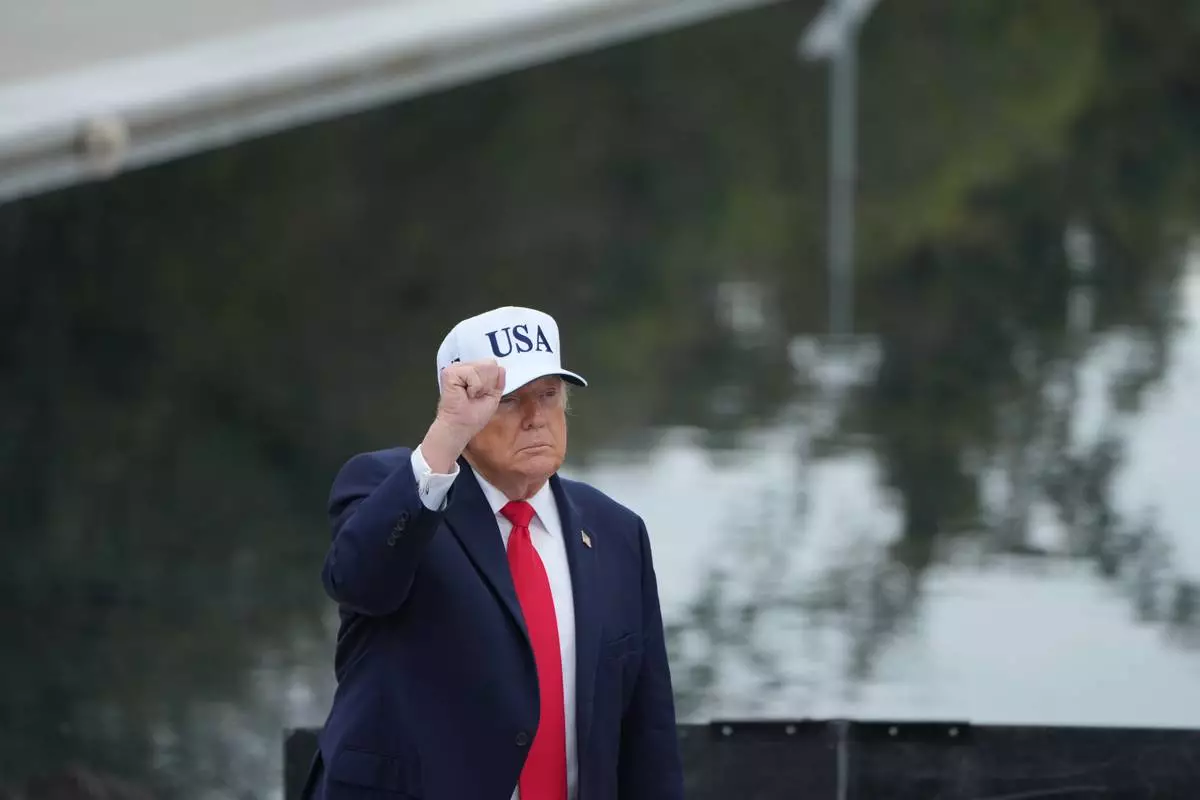
President Donald Trump after speaking in front of the Lincoln Memorial Reflecting Pool, Monday, Nov. 2, 2026, in Washington. (AP Photo/Mark Schiefelbein)