CONCORD, N.H. (AP) — While outsiders are on the ballot elsewhere Tuesday, candidates for New Hampshire’s open U.S. Senate seat are trying to tap into anti-establishment angst from the inside.
Republican John E. Sununu spent a dozen years on Capitol Hill and unsuccessfully tried for six more yet rails against “career politicians.” Democrat Chris Pappas tells voters “our country is ready for change” while seeking to remain in Washington.
Click to Gallery

Republican Senate candidate John E. Sununu, right, debates Democratic Senate candidate Rep. Chris Pappas, D-N.H., Wednesday, Oct. 28, 2026, in Manchester, N.H. (AP Photo/Reba Saldanha)
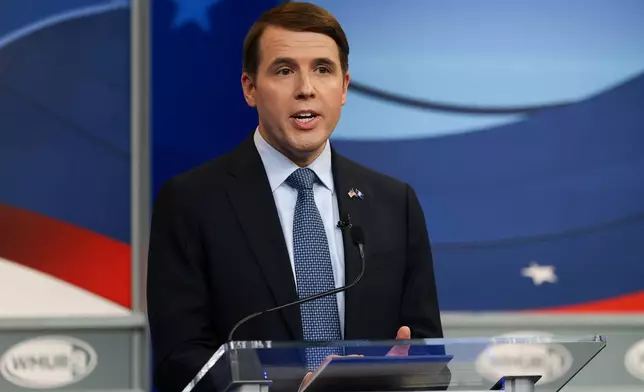
Democratic Senate candidate Rep. Chris Pappas, D-N.H., speaks during a debate against Republican Senate candidate John E. Sununu, Wednesday, Oct. 28, 2026, in Manchester, N.H. (AP Photo/Reba Saldanha)
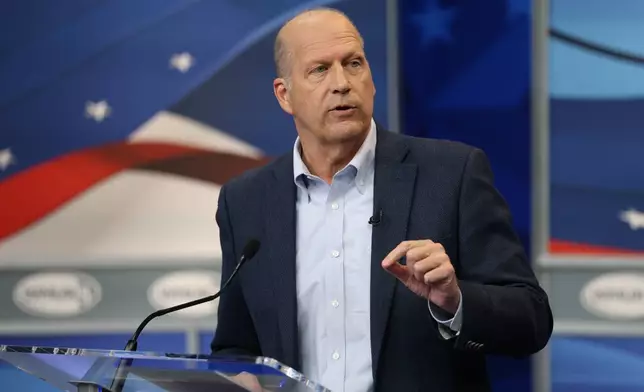
Republican Senate candidate John E. Sununu speaks during a debate against Democratic Senate candidate Rep. Chris Pappas, D-N.H., Wednesday, Oct. 28, 2026, in Manchester, N.H. (AP Photo/Reba Saldanha)
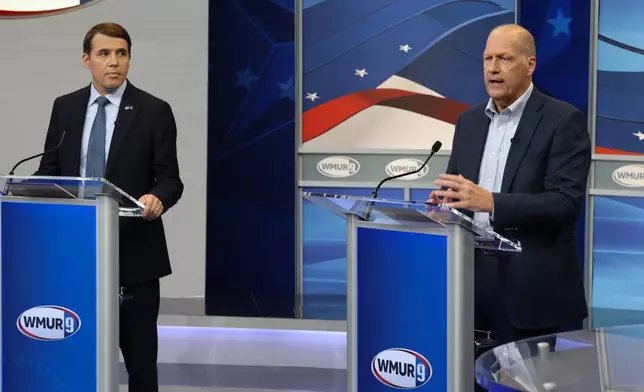
Republican Senate candidate John E. Sununu, right, debates Democratic Senate candidate Rep. Chris Pappas, D-N.H., Wednesday, Oct. 28, 2026, in Manchester, N.H. (AP Photo/Reba Saldanha)
The contest between Sununu, a former senator and congressman, and Pappas, a current U.S. House member, is one of a handful that could determine the balance of power in the Senate for the rest of Donald Trump's second presidency.
In a year when Democrats are trying to flip Republican-held seats to try to retake the Senate, some are concerned about keeping their foothold in New Hampshire, where Democratic Sen. Jeanne Shaheen decided not to seek reelection. Republican groups invested far more money in the state, allowing them to dominate the airwaves in the campaign's closing month.
New Hampshire voters haven't elected a Republican to Congress since 2010 and have voted for Democrats for president since 2004. But ticket-splitting is common: There's a Republican governor and Republican-majority legislature heading into the elections.
If elected, Pappas would be the first openly gay male senator.
Sununu, the son and brother of former governors, served three terms in the U.S. House and one in the Senate before being ousted in 2008 by Shaheen.
His first name is conspicuously absent from his green, blue and white campaign signs, and critics say he’s counting on voters confusing him with his popular younger brother, Chris Sununu, who served eight years in the state's top job.
Once the Senate’s youngest member, Sununu is now 62, older than Shaheen was when he bragged in a campaign advertisement about being younger and faster than she was. He derides Pappas as an ineffective and out-of-touch “career politician” despite the fact that Sununu traveled a similar path from the House to the Senate and comes from a family whose name is synonymous with Republican politics in New Hampshire.
“Chris Pappas talks about all the things he wants to do and wants to accomplish, but he's been there for eight years and he hasn't gotten the job done,” Sununu said during a debate last week. “I'll focus on the right issues. I'll stand up to my party and the president when it's right for New Hampshire, and I'll get things done.”
Sununu easily defeated former U.S. Sen. Scott Brown and a handful of lesser-known candidates to win the Republican nomination in September. Pappas, who has represented the state's 1st Congressional District for four terms, defeated a democratic socialist and other opponents by a similarly wide margin to win the Democratic primary.
Pappas, 46, grew up working in his family's Manchester restaurant, which opened in 1917 and claims to have invented chicken tenders. After college, he served as a state lawmaker, county treasurer and state executive councilor before being elected to Congress.
“This is a time for a new generation of leadership in the United States Senate who understands the problems New Hampshire is facing, who will stand up to the recklessness of this administration, lower costs and make life better for Granite Staters,” he said at last week's debate.
Campaign cash has poured in from all sides, though data compiled by AdImpact and OpenSecrets.org showed Republicans were spending considerably more as the race tightened.
Republicans accused Pappas of catering to Washington lobbyists and party bosses, describing the race as “problem solver Sununu” vs. “puppet Pappas.” “New Hampshire needs a leader, not a lightweight,” one ad from the National Republican Senatorial Committee concluded.
Pro-Pappas ads, meanwhile, accused Sununu of making millions off his political connections and highlighted the Sununu name appearing in the Epstein files. In a 2010 email, Jeffrey Epstein said Sununu “has good stories.” It’s unclear whether he meant the current candidate or his father, John H. Sununu, but Sununu says neither of them ever met or communicated with Epstein or the recipient of the email.
Pappas has sought to link Sununu to Trump, who endorsed Sununu during his primary despite Sununu once calling him a loser. He accused Sununu of having “a selective memory about what's been going on over the last couple of years” and told him, “The guy who gave you his complete and total endorsement is wrecking New Hampshire's Main Street economy.”
“This election is about Team New Hampshire versus Team Trump,” Pappas said. “This is not a moment to restore someone who was out of step with New Hampshire before and bring them back into power.”

Republican Senate candidate John E. Sununu, right, debates Democratic Senate candidate Rep. Chris Pappas, D-N.H., Wednesday, Oct. 28, 2026, in Manchester, N.H. (AP Photo/Reba Saldanha)
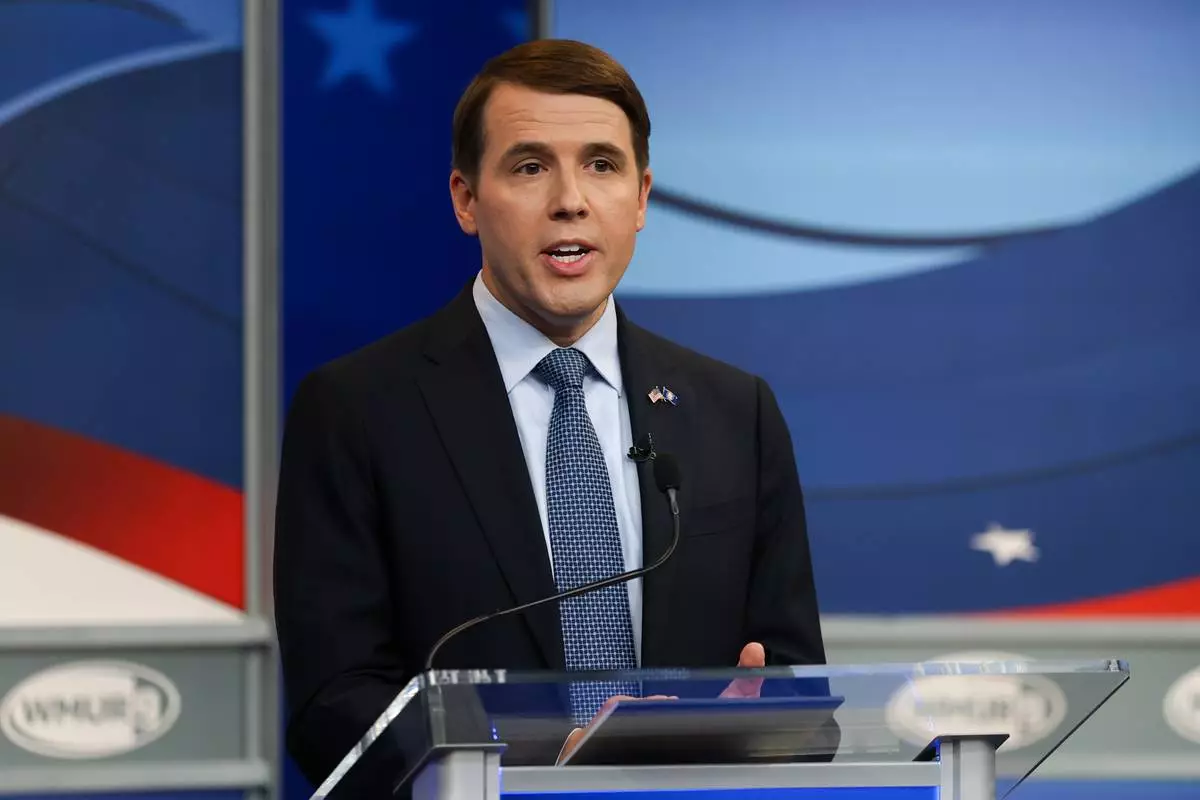
Democratic Senate candidate Rep. Chris Pappas, D-N.H., speaks during a debate against Republican Senate candidate John E. Sununu, Wednesday, Oct. 28, 2026, in Manchester, N.H. (AP Photo/Reba Saldanha)
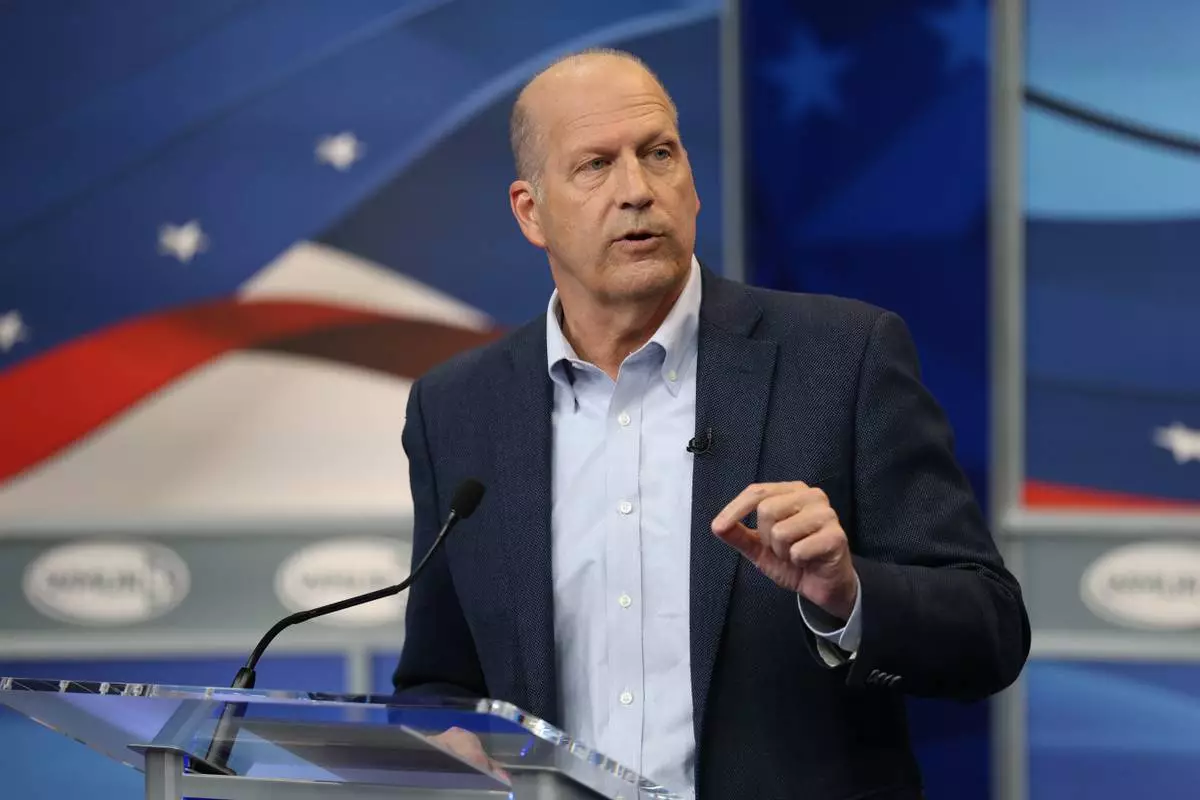
Republican Senate candidate John E. Sununu speaks during a debate against Democratic Senate candidate Rep. Chris Pappas, D-N.H., Wednesday, Oct. 28, 2026, in Manchester, N.H. (AP Photo/Reba Saldanha)
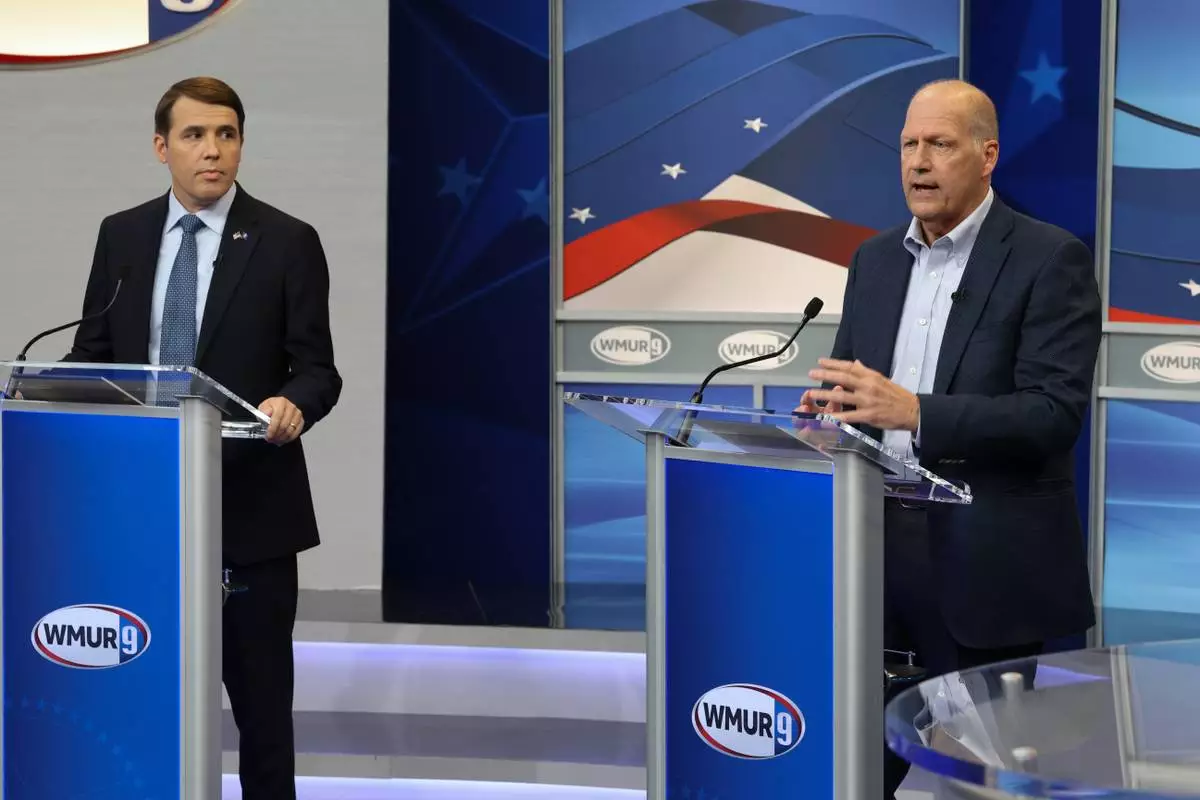
Republican Senate candidate John E. Sununu, right, debates Democratic Senate candidate Rep. Chris Pappas, D-N.H., Wednesday, Oct. 28, 2026, in Manchester, N.H. (AP Photo/Reba Saldanha)