LOS ANGELES--(BUSINESS WIRE)--Nov 3, 2026--
AEG Global Partnerships, the sponsorship arm of global live sports and entertainment leader AEG, today launches The Live Effect 2026, a new international study demonstrating how live entertainment drives brand awareness, influences purchasing decisions and shapes consumer behaviour across four of the world's largest live entertainment markets.
Click to Gallery
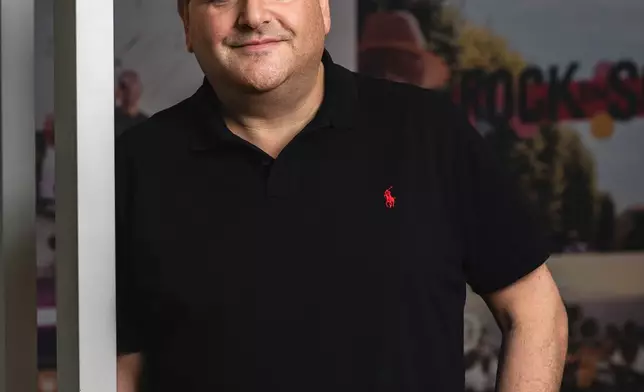
Paul Samuels, President, Global Partnerships, AEG International.
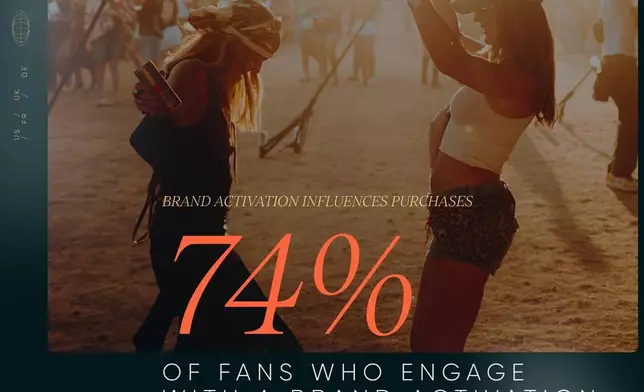
The Live Effect 2026 finds that 74% of attendees made a purchase decision after interacting with a brand at a live event

The Live Effect 2026 highlights the value fans place on live experiences, with 79% saying they would make the same purchase again.

AEG Global Partnerships launches The Live Effect 2026, an international study examining how live entertainment drives brand awareness, purchasing decisions and consumer behavior.
This press release features multimedia. View the full release here: https://www.businesswire.com/news/home/20261102201463/en/
Building on the success of its inaugural UK study in 2025, the latest edition expands the research to the US, UK, France and Germany, drawing on responses from more than 12,000 live event attendees. The findings reveal a remarkably consistent picture across markets: consumers are highly engaged, emotionally invested and willing to spend both time and money on live experiences, creating significant opportunities for brands to build meaningful connections and drive commercial outcomes.
The research highlights the unique position live entertainment occupies in an increasingly fragmented media landscape. While audiences face constant competition for attention across digital channels, live experiences continue to command focus and generate lasting memories. Eighty per cent of attendees say the atmosphere of a live event can only be experienced in person, while 78% say live events create lasting memories. For brands, that translates into impact, with 58% saying sponsorships at live events are easier to notice than advertising elsewhere.
The study also demonstrates a clear link between live entertainment and consumer action. Nearly three-quarters (74%) of attendees have made a purchase decision after interacting with a brand at a live event, while 87% have taken some form of action following brand exposure. More than half (56%) say brands associated with live events are more likely to stay in their memory, while attendees are significantly more likely to trust, choose, recommend and remain loyal to brands connected with live experiences.
Beyond media effectiveness, the research highlights the significant economic impact of live entertainment beyond the ticket purchase itself. More than half of attendees' total spend occurs outside the cost of admission, spanning travel, food and drink, accommodation and merchandise. The findings reinforce the value consumers place on live experiences, with 77% saying their most recent live event was money well spent and 79% saying they would make the same purchase again. Together, these results highlight the enduring appeal of live experiences and the opportunities for brands to connect with fans at every stage of the wider fan journey.
Speaking on the research, Paul Samuels, President, Global Partnerships, AEG International said: "The Live Effect research reinforces what we've long known to be true: live entertainment offers something increasingly rare in today's fragmented media landscape - genuine attention, emotional connection and measurable action.
After the success of our inaugural report, we wanted to understand whether these behaviours extended beyond the UK. By expanding the research across the US, UK, France and Germany, we've found a remarkably consistent story. Audiences place enormous value on live experiences, creating powerful opportunities for brands to become part of moments people genuinely care about and remember.
Consumers aren't simply attending live events; they're investing in them. From travel and hospitality to food, drink and merchandise, fans are committing significant time, attention and discretionary spend to experiences they value. For marketers and sponsors, that's incredibly powerful. The brands that enhance these experiences are rewarded with stronger recall, greater affinity and a greater ability to influence consumer behaviour."
The Live Effect 2026 is based on responses from 12,098 adults who attended a live event in the previous 12 months. Participants across the US, UK, France and Germany were surveyed in August 2026.
The full report is available to download from AEG Global Partnerships.
Key Findings
About AEG Global Partnerships
AEG Global Partnerships oversees the worldwide sales and servicing of sponsorships for AEG’s entire portfolio of assets. Creating customised and innovative marketing programs for established and emerging brands, it has created some of the most iconic brand partnerships in the entertainment industry, including The O2 in London and Coachella Music Festival.
Overall, the division manages naming rights deals, premium seating and other strategic partnerships. Through its worldwide network of venues, portfolio of powerful sports and music brands and its integrated entertainment districts, AEG entertains more than 160 million guests annually. More information about AEG Global Partnerships can be found at www.aeggp.com.
About AEG International
AEG International creates communities, places and spaces that bring people together through live entertainment and sport, delivering memorable moments and giving the world reason to cheer. A subsidiary of AEG, the world’s leading sports and live entertainment company, its portfolio spans Europe and Asia Pacific and includes live entertainment venues, professional sports franchises, and large-scale arena district developments.
Across Europe and Asia, AEG International owns and operates a portfolio of premier venues, including The O2 in London; major German sites such as Hamburg’s Barclays Arena and Berlin’s Uber Arena, Uber Eats Music Hall and Uber Platz - home to Eisbären Berlin, the most successful club in the Deutsche Eishockey Liga; landmark Paris venues including Accor Arena, adidas Arena, and Bataclan; and leading Asian venues such as UOB Live in Bangkok, Mercedes-Benz Arena in Shanghai and IG Arena in Nagoya. Further arena developments are planned in Edinburgh, Osaka and Bangkok.
AEG International is part of AEG’s global network, alongside AEG Presents, a leading concert promoter and festival producer; AXS, a ticketing and technology platform; and AEG Global Partnerships, which connects brands with AEG’s global network of live entertainment and sports assets.
For more information visit www.aeg-international.com
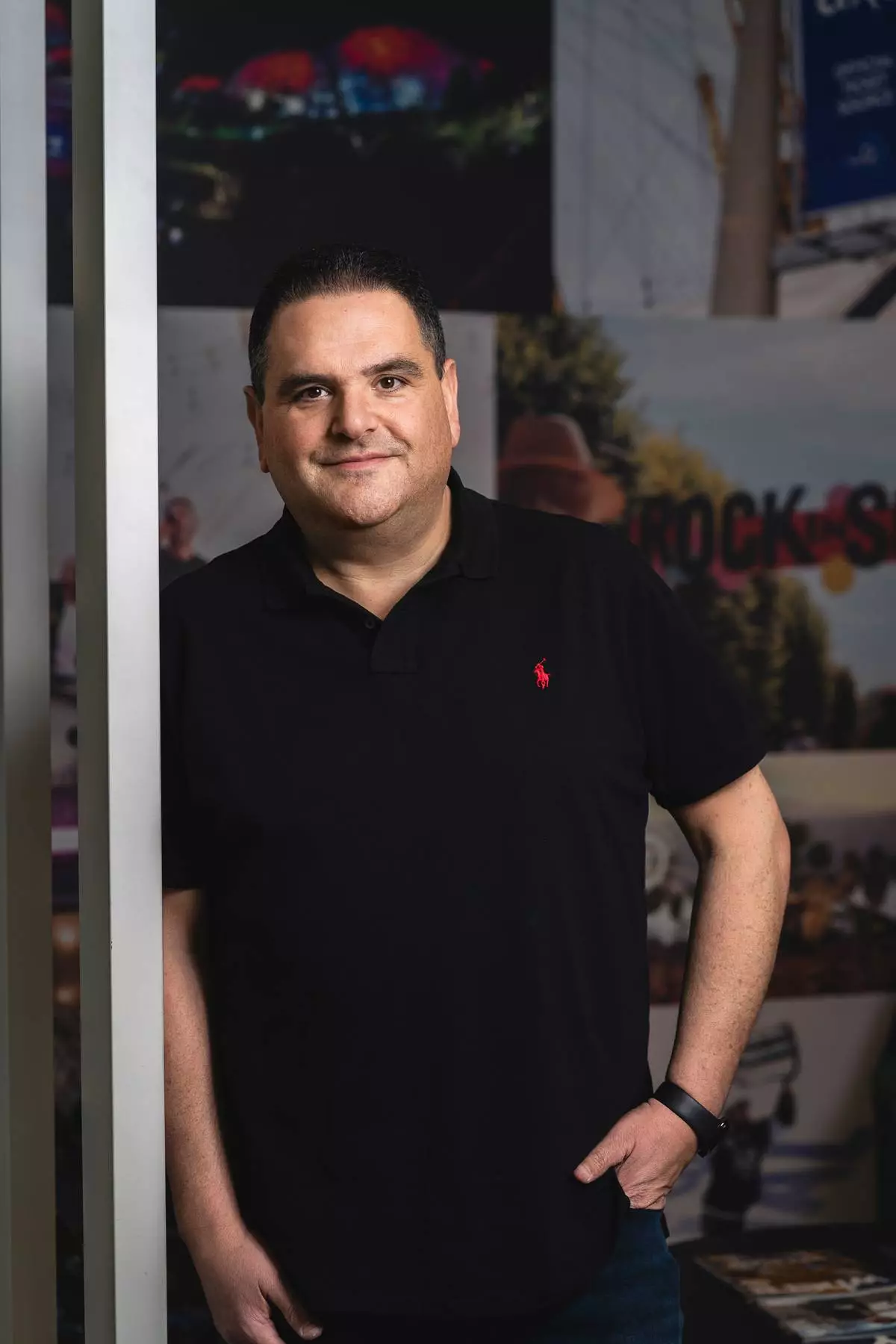
Paul Samuels, President, Global Partnerships, AEG International.
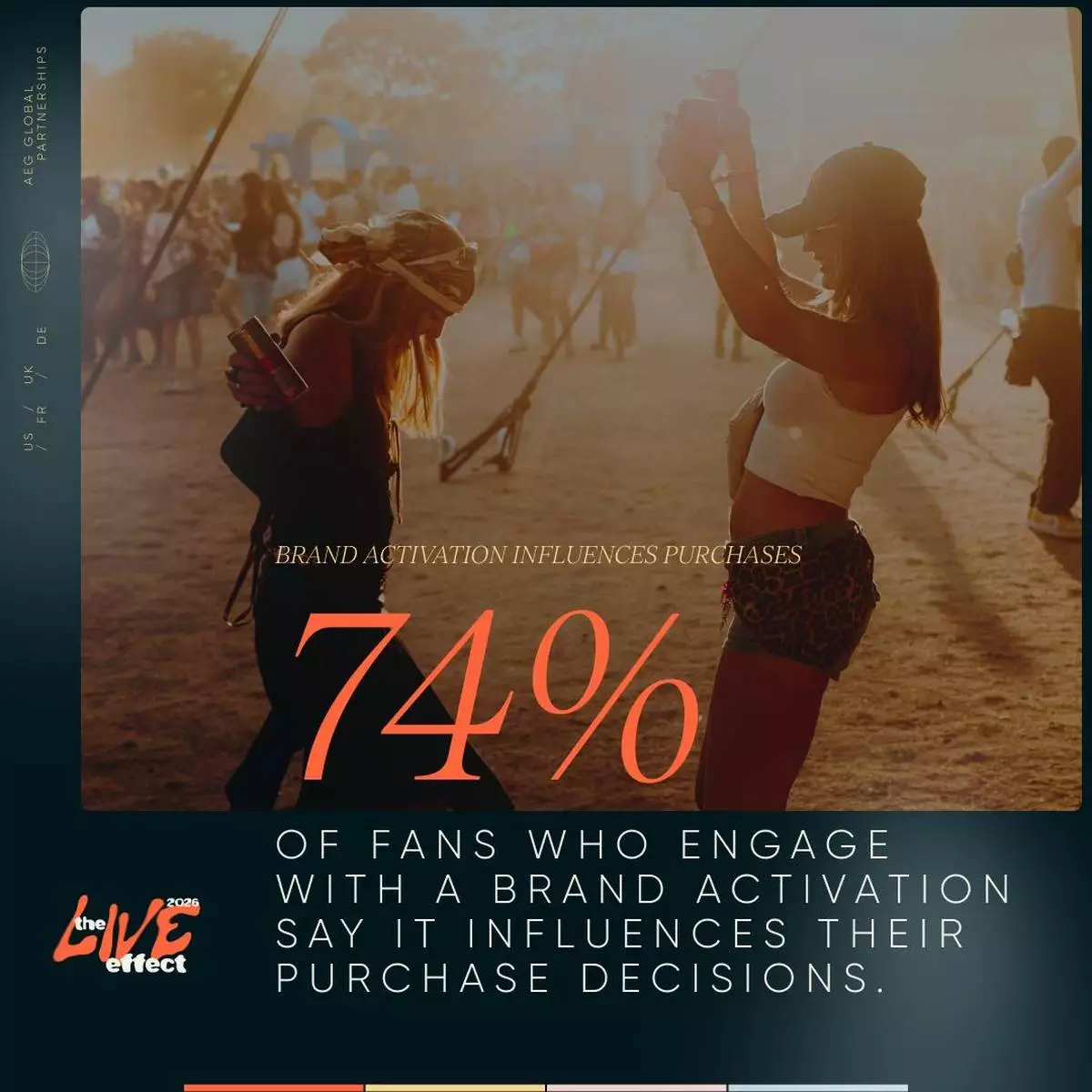
The Live Effect 2026 finds that 74% of attendees made a purchase decision after interacting with a brand at a live event

The Live Effect 2026 highlights the value fans place on live experiences, with 79% saying they would make the same purchase again.

AEG Global Partnerships launches The Live Effect 2026, an international study examining how live entertainment drives brand awareness, purchasing decisions and consumer behavior.