Featuring one of the most diverse slates of both Democratic and Republican candidates in recent years, this midterm election has set up a possible wave of historic leadership firsts across the country.
Voters on Tuesday could propel into office the first Native American female governor and Native women senators, the first Black female governor,the first openly gay male U.S. senator and the first Muslim U.S. senator, among other milestones. Most are Democrats, but the GOP could also break ground.
Click to Gallery
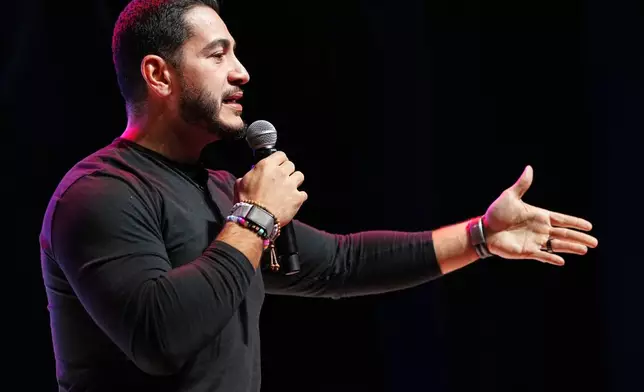
Michigan Democratic Senate candidate Abdul El-Sayed speaks at a campaign rally at the Majestic Theatre, Monday, Nov. 2, 2026, in Detroit. (AP Photo/Julia Demaree Nikhinson)
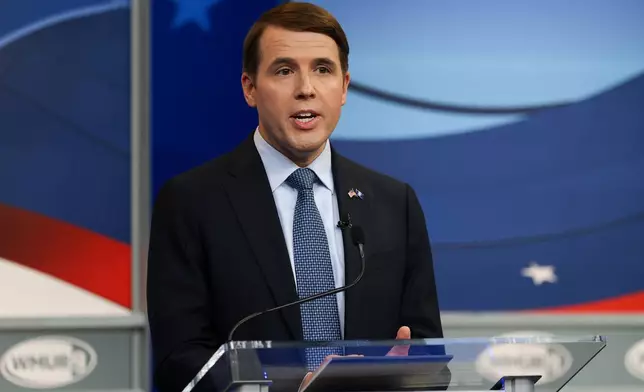
Democratic Senate candidate Rep. Chris Pappas, D-N.H., speaks during a debate against Republican Senate candidate John E. Sununu, Wednesday, Oct. 28, 2026, in Manchester, N.H. (AP Photo/Reba Saldanha)
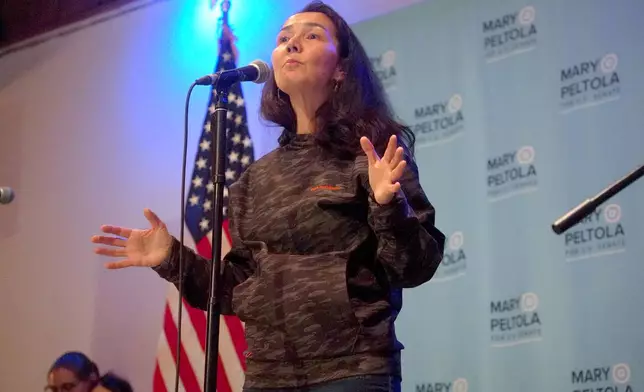
Mary Peltola, a Democrat running for Alaska's U.S. Senate seat, speaks with voters during a Get Out the Vote Rally in Fairbanks, Alaska, on Monday, Nov. 2, 2026. (Jack Barnwell/Fairbanks Daily News-Miner via AP)
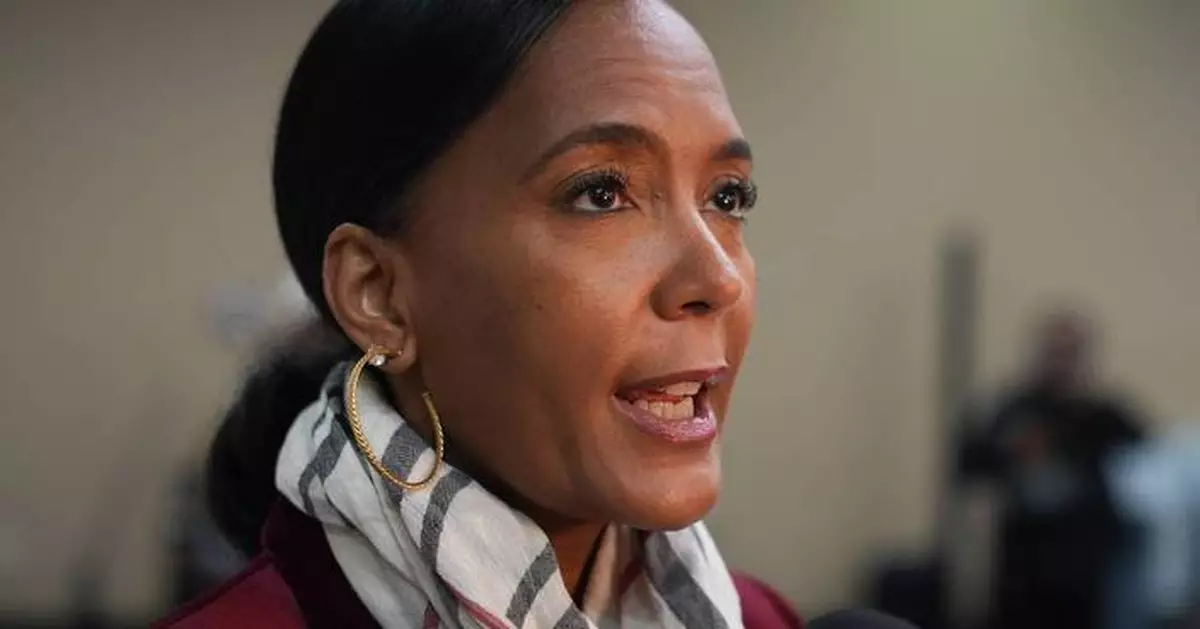
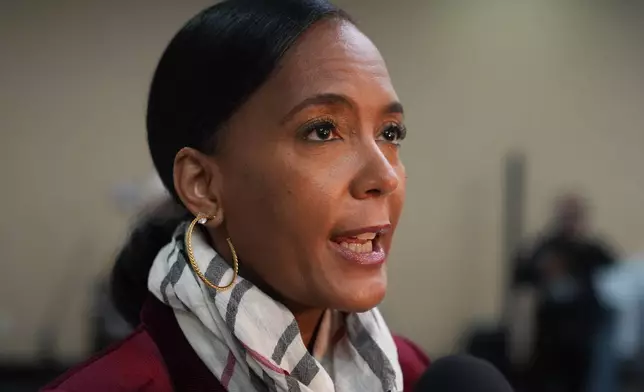
Democratic gubernatorial candidate for Georgia, Keisha Lance Bottoms speaks to reporters during a campaign event on Sunday, Nov. 1, 2026, in Macon, Georgia. (AP Photo/Ryan Murphy)
While some of these candidates have avoided focusing on the inherent historic value of their race, gender, religion or sexual orientation, some voters' rights advocates are celebrating how the electorate has expanded.
“These firsts show how our country is changing,” Alexis Anderson-Reed, president and CEO of State Voices, a network of advocates for civic engagement and equity in democracy, said via e-mail.
“For years, people of color and LGBTQ+ communities have organized, knocked on doors, talked to voters, held conversations, and done the hard work of saving our democracy," Anderson-Reed said. "These wins are because of them.”
Here are some of the races where history could be made.
Democrat Deb Haaland already broke barriers in 2018 as one of the first two Native American women elected to Congress. Then she became the first Native American Cabinet secretary, running President Joe Biden’s Department of the Interior. Charles Curtis, from the Kaw Nation, was President Herbert Hoover’s vice president.
Now the Laguna Pueblo citizen is poised to add first Native American woman governor to the list if she beats Republican Gregg Hull, a former mayor, in New Mexico.
Oklahoma is the only state to elect a tribal citizen for governor — Democrat Johnston Murray in the 1950s and current Republican Gov. Kevin Stitt.
Haaland shrugged off a question about her various political identities in a recent interview with The Associated Press.
“I mean, somebody has to be the first,” she said. “I just don’t want to be the last, right?”
But she says she's proud to see how Indigenous people care about representation as other Native women run. “It truly does matter,” Haaland said. “It’s not just a slogan.”
Mary Peltola, who is Yup’ik and a Democrat, was considered a trailblazer in 2022 when she became the first Alaska Native elected to the U.S. House of Representatives. Now the former congresswoman is trying to do the same in the Senate by unseating Republican incumbent Sen. Dan Sullivan.
The honor could also go to Minnesota Lt. Gov. Peggy Flanagan, a progressive Democrat and a citizen of the White Earth Band of Ojibwe who faces Republican Michele Tafoya, a former NFL sideline reporter.
And if Tafoya wins, she too would make history — as the first Republican of Latina heritage to sit in the U.S. Senate.
Democrat Keisha Lance Bottoms and Republican Lisa Demuth could end a 250-year streak without a Black woman serving as a state's governor.
Bottoms, the former Atlanta mayor, is running against Republican Rick Jackson, a billionaire businessman, to be governor of Georgia. If she wins, Bottoms would also be Georgia’s first governor of color. All 83 of Georgia’s previous governors have been white men.
Demuth, the former Minnesota House speaker, is going up against longtime Minnesota U.S. Sen. Amy Klobuchar. Whatever the outcome, Minnesota will get its first female governor.
Stacey Abrams is the only Black woman to come close to winning a governor's race when she got the Georgia Democratic Party's nomination in 2018 and 2022.
Abdul El-Sayed could be the first Muslim American to serve in the U.S. Senate.
The progressive Michigan Democrat needs to defeat Republican Mike Rogers in what has been a very tight and contentious race.
El-Sayed has had to contend with Republicans all the way up to Trump implying or overtly stating that the Michigan-born epidemiologist is not American and supports terrorism. Trump has called him “dangerously radical," “too extreme” and referred to him as “Mohammed." El-Sayed and his supporters have denounced the attacks as Islamophobic or racist affronts to religious freedom.
Democratic Rep. Chris Pappas could be the country’s first openly gay male senator if he's elected in New Hampshire. He is running against former Republican U.S. Sen. John E. Sununu.
This potential new benchmark is not something Pappas has dwelled on while campaigning, saying “I’m not running to make history.” But he also applauded the fact that his sexual orientation was not a huge source of discussion among potential voters.
The U.S. could go from having only three elected Black governors in its 250-year history to gaining seven more overnight.
Maryland Gov. Wes Moore, the third one in the U.S. and the only current Black governor, is projected to win reelection. Besides Georgia and Minnesota, he could also have new peers in Florida, Wisconsin, Nevada, South Carolina and Michigan.
Moore, chair of the National Governors Association, has called the presence of so many Black gubernatorial contenders “a unique moment.” It's not “an applause line” but a challenge to make diverse gubernatorial nominees more common, he said.
This midterm has been a record-breaker for women vying for state and federal offices. Democrats increased their 2022 number of women candidates to 19 running for governor, according to the Center for American Women and Politics at Rutgers University. The Republican Party has seven women setting their sights on governor.
Like Minnesota, Tennessee will elect its first female governor. The main candidates are Republican U.S. Sen. Marsha Blackburn and Democrat Jerri Green, a Memphis city councilwoman.
The election of the first Democratic Asian American woman as governor could happen in Vermont with Amanda Janoo, who is half Malaysian, or Oklahoma with Cyndi Munson, a former state lawmaker of Korean descent. Former Republican Gov. Nikki Haley of South Carolina, who is of Indian heritage, was the first Asian American female governor.
Nearly 300 women, including incumbents, are running for the U.S. Senate and House, as documented by Rutgers' Center for American Women and Politics.
Among them is Democrat Juliana Stratton in Illinois. If Stratton, who is Black, wins her Senate race, then she and fellow Democrat Sen. Tammy Duckworth, who is of Thai heritage, will make Illinois the first state to be represented by two female senators of color.
Editors: This story has been corrected to remove an erroneous reference to Pappas being the first openly gay House representative at the time of his election, and to add that he would be the first male openly gay U.S. senator.
Associated Press writers Becky Bohrer in Juneau, Alaska, and Savannah Peters in Albuquerque, New Mexico, contributed to this report.
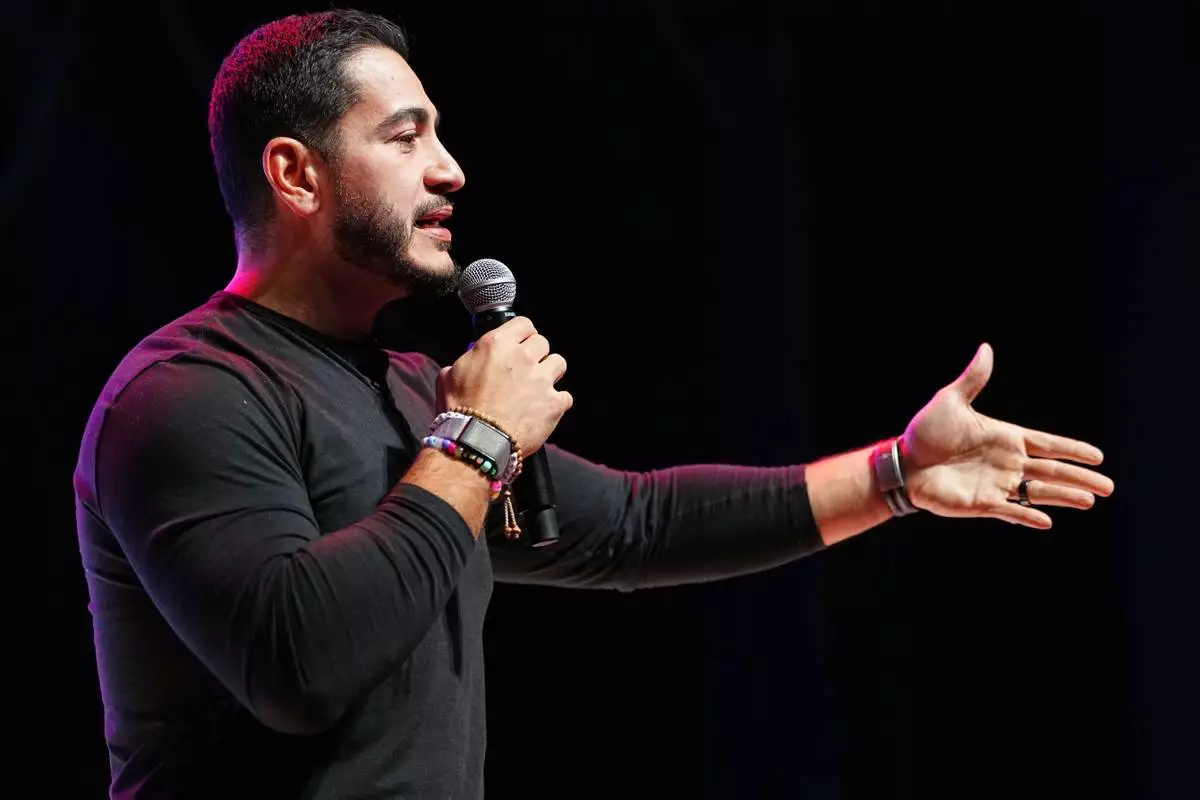
Michigan Democratic Senate candidate Abdul El-Sayed speaks at a campaign rally at the Majestic Theatre, Monday, Nov. 2, 2026, in Detroit. (AP Photo/Julia Demaree Nikhinson)
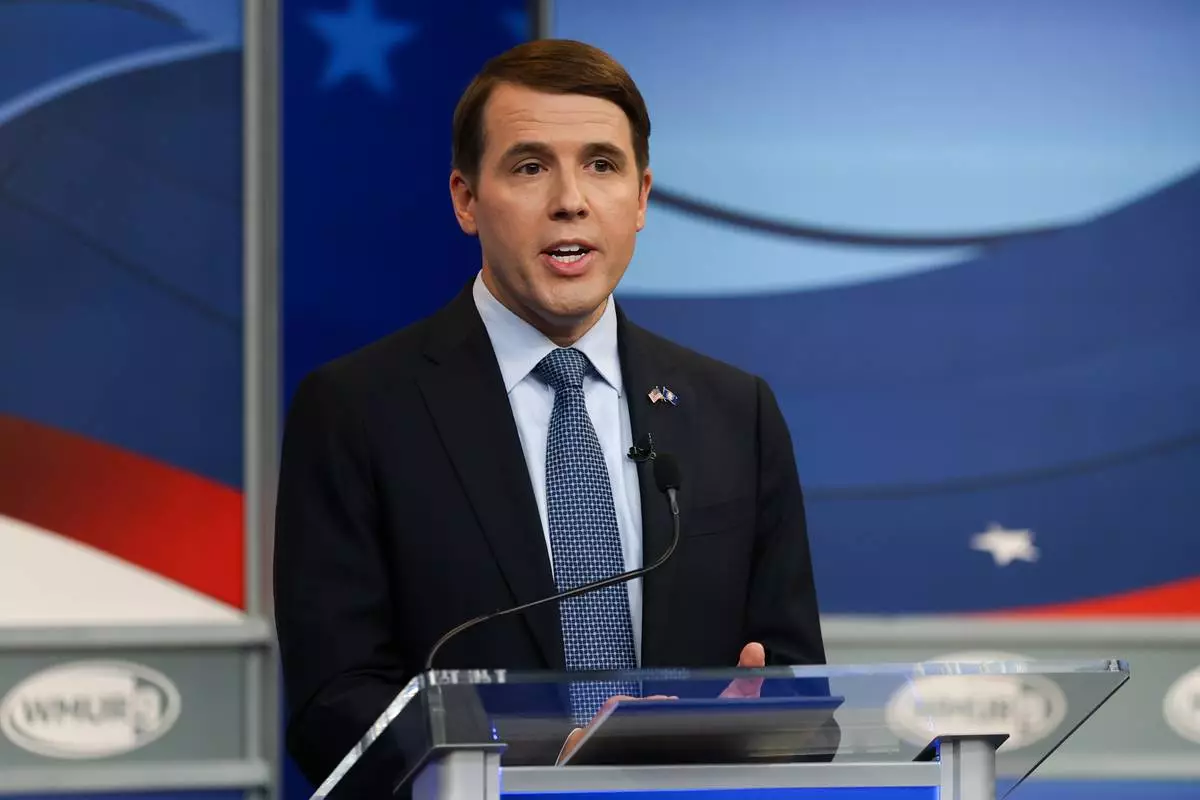
Democratic Senate candidate Rep. Chris Pappas, D-N.H., speaks during a debate against Republican Senate candidate John E. Sununu, Wednesday, Oct. 28, 2026, in Manchester, N.H. (AP Photo/Reba Saldanha)
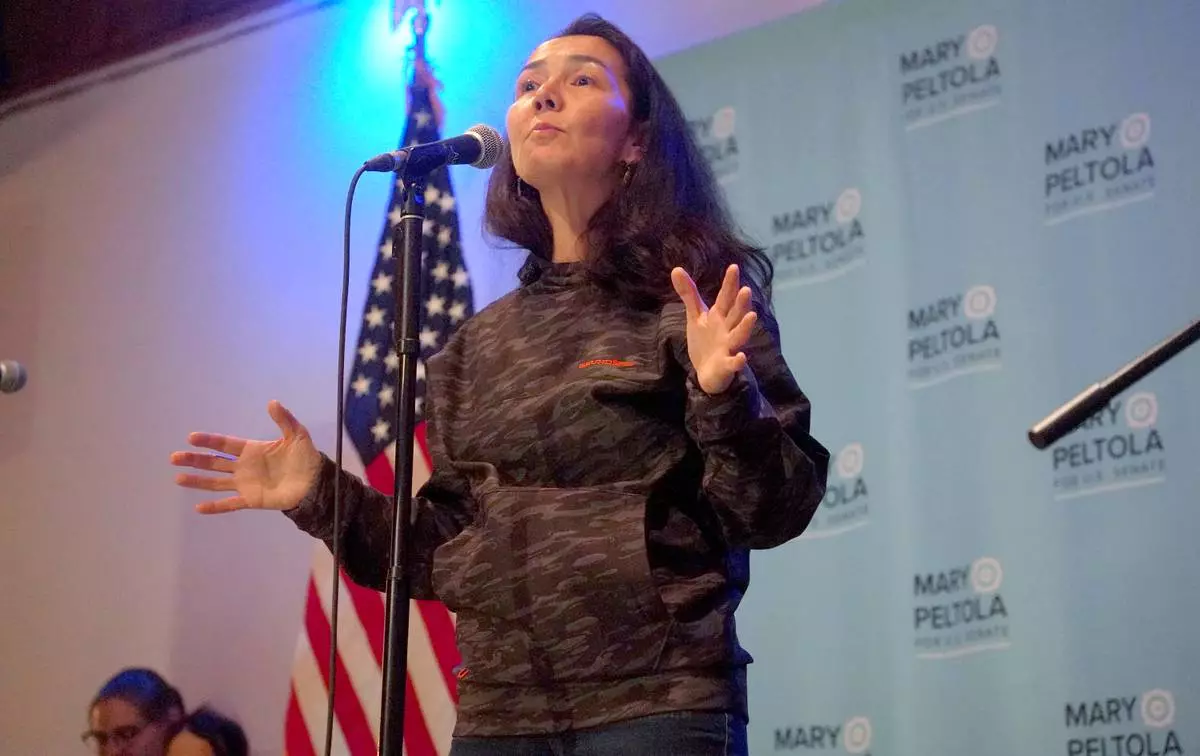
Mary Peltola, a Democrat running for Alaska's U.S. Senate seat, speaks with voters during a Get Out the Vote Rally in Fairbanks, Alaska, on Monday, Nov. 2, 2026. (Jack Barnwell/Fairbanks Daily News-Miner via AP)
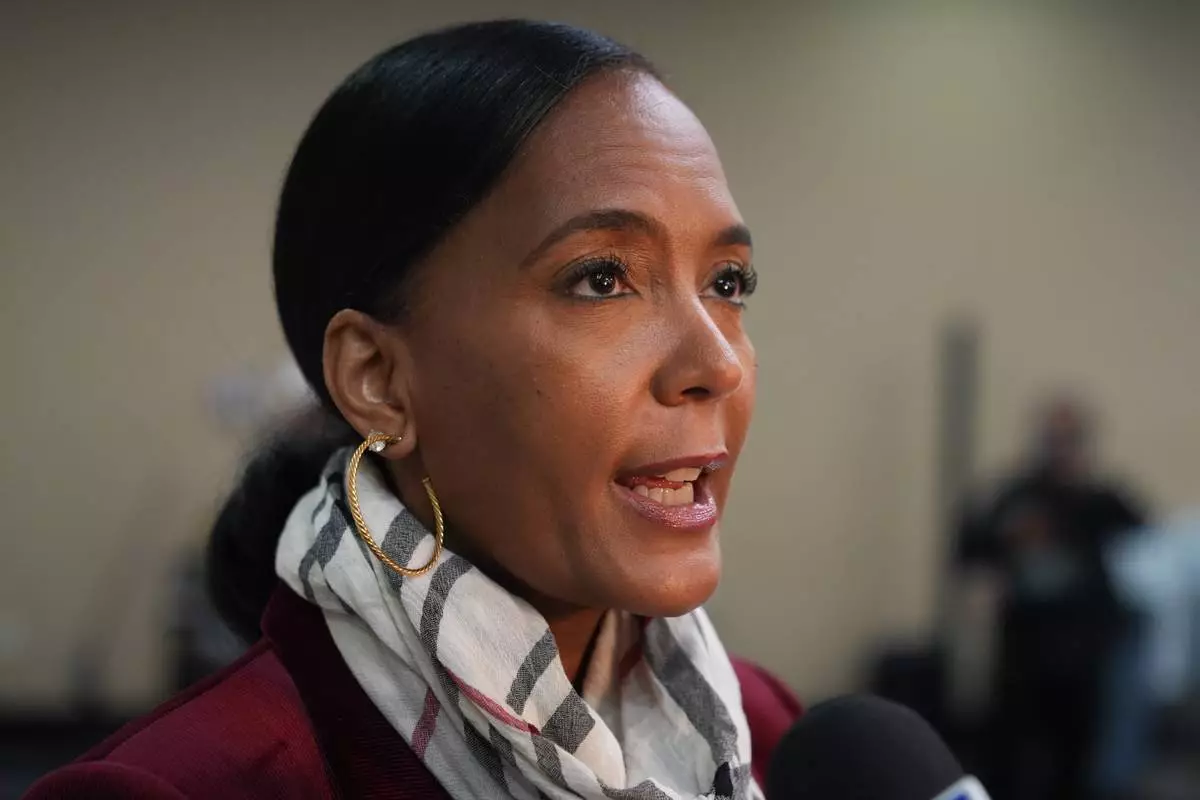
Democratic gubernatorial candidate for Georgia, Keisha Lance Bottoms speaks to reporters during a campaign event on Sunday, Nov. 1, 2026, in Macon, Georgia. (AP Photo/Ryan Murphy)
Election Day is here. Voters nationwide will decide control of the U.S. House and Senate. Democrats must flip four seats in the Senate and three seats in the House to wrest control of the chambers from Republicans. Control of Congress would give Democrats a way to push back against President Donald Trump’s agenda during the final two years of his term. The battle for control is playing out mostly in states and districts Trump previously won by wide margins.
All eyes are on Senate contests in Alaska, Iowa, Kansas, Maine, Michigan, Ohio and Texas, while House battlegrounds are scattered across the country.
Democrats have homed in on Trump’s poor approval rating, public dissatisfaction with the war in Iran and affordability concerns. Republicans have focused on social issues, while Trump has made himself the central character of the midterms.
Here's the latest:
Voters are unhappy with Trump’s war with Iran.
About 6 in 10 voters say the U.S. made the “wrong decision” in taking military action against Iran. The cost of the unpopular war has risen to more than $47.1 billion, according to a recent estimate from the Pentagon.
Roughly one-third of voters say the Iran war was a “crucial” factor in their vote for Congress, which is lower than the share of those who expressed concern over the cost of living and government corruption.
Trump has asserted that higher gas and energy prices resulting from conflict will drop.
About 8 in 10 voters say inflation has caused a “severe” or “moderate” financial hardship on their households.
The drag caused by prices rising faster than wages over the past year has made it harder for many voters to afford basic essentials such as gasoline, groceries and their utilities.
The persistent concern is a carryover from the 2024 presidential election when voters specifically tasked Trump to solve the problem, but inflation is now higher than it was when he returned to the White House.
More than 8 in 10 voters say they are “very” or “somewhat” concerned about the cost of gas, groceries, utilities and healthcare.
House Democratic Leader Hakeem Jeffries popped by to rally and thank volunteers at a phone bank in Washington for battleground House candidates.
“We’re on the brink of a dramatic change in the direction in the country,” Jeffries said.
“We’re on the brink of Democrats taking back control of the House of Representatives.”
He said a Democratic win would be a victory for Americans.
“We’re going to deliver a Congress that actually puts the American people first,” he said.
House Democrats have opened a phone bank in Washington with dozens of volunteers calling voters in key House races across the country before polls close.
They’re encouraging voters to cast ballots as Democrats work to wrest control of the House from Republicans.
Some Chicago polling places ran out of paper ballots.
Chicago Board of Elections spokesperson Julie Metea said more ballots would be printed and that everyone in line by the time polls close would be able to vote — though it might be a long wait for an electronic voting machine. Voters could also go to one of the city’s universal voting centers.
In the Logan Square neighborhood, Jenna Roggensack, 37, said poll workers told her in the morning to return later. Because she’s a teacher who had the day off, that was possible — if inconvenient. When she returned, she said she had to wait an hour and a half, though ultimately did get to vote.
Later in the afternoon, though, a poll worker emerged and told those waiting outside that they had run out of paper ballots again.
Voters overwhelmingly feel frustrated with the way things are going in the U.S. today, according to The AP Voter Poll, which points to a midterm electorate that is deeply unhappy with the country’s direction and pessimistic about the future.
About three-quarters of voters say they feel “angry” or “dissatisfied” with the country’s current trajectory. Only about one-quarter feel “satisfied” or “enthusiastic.” Dissatisfaction was particularly high in blue states like California and Massachusetts, but even in deep-red states, a majority of voters were at least “dissatisfied.”
Voters are also displeased with the condition of the economy, with roughly three-quarters saying it is “not so good” or “poor.” That’s in line with what U.S. adults have said in recent months in AP-NORC polling.
Voters say the economy and the state of democracy are the top issues facing the country, with high costs and government corruption weighing heavily on many Americans’ minds as they cast a ballot in Tuesday’s midterm elections.
About 4 in 10 U.S. voters nationally say the economy is the most important issue facing the country, as most express concern about gas prices and the cost of groceries. About 3 in 10 say the state of democracy is the top issue. Only about 1 in 10 say the same about immigration or health care, and few name foreign policy or crime.
Roughly half of U.S. voters say government corruption and the cost of living are “crucial” to their vote for Congress, much higher than the share who say that about immigration enforcement policies, the war in Iran or AI data centers.
The handful of House members who flipped the toughest seats in 2024 all face challenging races again this year. Can they avoid a sophomore slump?
Most of these districts flipped to the GOP in 2024, riding Trump’s coattails as he clinched a second term. The good news for these Republicans is that it’s almost always easier to win a seat that you already represent. The bad news is that many of them won their seats by tiny margins and are facing a much tougher national environment this time around.
See other House races to watch in the AP’s guide to battleground congressional districts here.
Relatively few voters have positive things to say about Trump’s economic leadership.
About two-thirds of U.S. midterm voters say Trump’s policies have worsened economic conditions in the U.S., while only about 3 in 10 say they’ve improved things. Similarly, about two-thirds of voters said Trump’s tariff policies have hurt the national economy.
Views of Trump’s priorities more broadly — and his capabilities as a leader — are also mostly negative. More than half of voters say Trump is not a strong leader, does not fight for people like them, does not have the right priorities and does not have the mental capability to serve effectively as president.
About 6 in 10 voters said Trump places a higher priority on his own personal interests than the country’s interests, while about 4 in 10 said he puts more weight on the country’s interests.
The Trump administration notified prominent Democratic attorney Marc Elias and others that they may be targets of the inquiry, which focuses on a Senate candidate who shares a name with the Republican incumbent.
That’s according to two people familiar with the matter, who spoke on condition of anonymity to discuss an ongoing investigation.
Trump’s DOJ is investigating retired teacher Dan J. Sullivan’s decision to run for Senate, which the president says will confuse voters because he shares a first and last name with Republican incumbent Dan S. Sullivan. The New York Times reported that Democrat Mary Peltola’s campaign appeared to be involved in recruiting Dan J. Sullivan.
“This administration has repeatedly weaponized the DOJ against the President’s political enemies despite zero evidence of wrongdoing, and we are the latest targets,” Elias said in a statement Tuesday.
▶ Read more
Most voters want to see Congress provide more checks and balances on the presidency and disapprove of how Congress is handling its job.
The AP Voter Poll shows roughly 7 in 10 voters say Congress is doing “not enough” to provide checks and balances on the presidency. Only about 2 in 10 say it’s doing “about the right amount,” and about 1 in 10 say Congress is doing “too much.”
The survey reflects deep unhappiness with the president and Congress. About 6 in 10 voters disapprove of how Donald Trump is handling the presidency, while about three-quarters of voters disapprove of the way Congress is handling its job.
Voters are in the mood for change, according to the AP Voter Poll, which found that roughly three-quarters of voters say they feel “angry” or “dissatisfied” with the way things are going in the country today. Most appear to blame the Trump administration for high costs. About 6 in 10 say higher-than-usual prices are “more because of Trump’s policies” rather than “more because of factors outside Trump’s control.”
Additionally, about 70% of voters want Congress to provide more checks and balances on the presidency.
The AP Voter Poll, an expansive survey of the electorate, suggests most are deeply unhappy with Trump, with roughly 6 in 10 saying they disapprove of how he’s handling the presidency.
About 4 in 10 say the economy is the most important issue facing the country, while 3 in 10 say the most important issue is democracy, according to the poll, well above the number who said the same about crime, health care and immigration.
▶ Read more
Federal immigration officials took to social media on Election Day to warn against illegal voting by noncitizens.
In a message on X, U.S. Immigration and Customs Enforcement wrote: “If you vote illegally, we will find you. We will track you down, arrest you, and prosecute you. There will be no escape.”
The agency did not return messages seeking comment about the post. Throughout Tuesday, it also posted about arrests of noncitizens accused of voting.
While that has been a major emphasis for the agency this year, the number of arrests and earlier investigations in the states demonstrate the problem is rare.
David Becker, executive director of the Center for Election Innovation & Research, called the post unfortunate but said heavy early voting suggested the administration’s tactics appeared to have no effect on turnout.
“If there were individuals in this administration who thought that they could scare voters away from this election, they’re going to be disappointed,” he said.
Many incumbents running for reelection in redrawn districts are facing a very different set of voters than they currently represent.
Several districts went from being majority-nonwhite to majority-white after mid-decade redistricting. These are also some of the places that shifted the most toward Trump when comparing the 2024 vote margin under old and new congressional boundaries.
Similarly, a number of districts shifted from being majority-white to being majority-nonwhite. Many of these districts also shifted toward Harris, but some in Texas and Florida moved further to the right.
Michigan election officials objected after hearing that federal poll monitors in Dearborn and Flint were asking workers about their training or requesting to see training materials, a spokesperson said.
“This is not permitted under the law,” said Angela Benander of the Department of State.
The U.S. Justice Department agreed and pledged to inform the election monitors, Benander said.
Separately, she said federal monitors in Lansing were trying to talk to voters, which is OK if the exchange happens after a ballot is cast and is outside the polling place.
“We don’t have any concerns,” Benander said.
Officials in Pennsylvania’s Chester County say they’re extending voting hours in three precincts after “machine set-up issues” delayed the opening of polling sites just west of Philadelphia.
The Chester County Court of Common Pleas granted the three precincts a 30-minute extension, meaning voters will be able to cast ballots until 8:30 p.m. EST, according to the county.
Voters casting ballots at these three sites after 8 p.m. EST — when polling stations close statewide — will use provisional ballots.
Election officials extended voting hours at each location after county election supervisors reported delays caused by technical problems with computers.
The longest extension granted by the North Carolina State Board of Elections was 45 minutes at one location in Columbus County, where officials said computer problems forced election workers to switch to backup paper poll books, slowing lines Tuesday morning.
Two precincts in Hertford County and one each in Lenoir and Wilson counties also will stay open an extra 15 to 30 minutes. The five-member board approved each extension unanimously.
The extended hours mean state election officials in North Carolina won’t begin reporting results until after the last polling site closes at 8:15 p.m. ET, said Adam Steele, an attorney for the election board. He said county election officials will tally their votes without delay.
Polls in North Carolina close at 7:30 p.m. ET, unless extended by the board.
At least half of U.S. adults have a negative opinion of the two parties, according to AP-NORC polling.
About half have a “very” or “somewhat” unfavorable view of the Democratic Party in an AP-NORC poll from October, while just over half say that about the Republican Party.
Roughly 7 in 10 Democrats hold a favorable view of their own party, which is down from 85% in September 2024. Republicans, however, feel about as positively as they did two years ago, with 85% in the latest polling saying they have a favorable view of the Republican Party.
Only about 2 in 10 U.S. adults feel “very” or “somewhat” optimistic about the future of the Democratic Party or the Republican Party. Republicans are a bit more optimistic about their party’s future than Democrats are — slightly fewer than half of Republicans, 46%, say they are feeling positive, compared to 35% of Democrats.
In southeastern Texas, Juventino Sáenz accompanied a relative to the polls in McAllen.
The 91-year-old Korean War veteran who said he’d voted early shared his feelings about Trump’s decision to go to war with Iran.
Sáenz blamed Iran but also blamed Trump, saying the president should have gone to Congress for permission.
“He couldn’t do it just because he’s the president,” Sáenz said.
He said he’s backed Republicans in the past, citing his votes for Ronald Reagan and George H.W. Bush for president.
But in the closely watched Texas U.S. Senate race, Sáenz said he voted for Talarico, the Democrat, because he didn’t like Paxton’s record or that Paxton’s own Republican Party impeached him.
“He was doing a lot of things that were not right,” he said of Paxton.
Gas prices have shot up by nearly a third since Trump launched his war against Iran, fueling voter distress about the economy and high prices. But another fuel source has risen even higher and caused potentially more pain.
That’s diesel fuel, which powers not just a whole bunch of farming and industrial equipment but the ships and trucks that transport a range of goods and services to voters’ doors.
Diesel prices have nearly doubled since the start of the Iran war. A disproportionate share of the oil that comes through the Strait of Hormuz is used to make diesel. Ukrainian strikes on Russian refineries that produce the fuel added to the shortage.
That pushed Trump to take controversial action to try to lower the price of diesel, cutting a deal with Russian President Vladimir Putin to sell diesel from his country to the U.S. But even that hasn’t significantly brought diesel prices down.
Maryland’s Wes Moore is the only Black governor in the U.S., and he’s only the third elected Black governor in history, all of them Democrats and men.
But Moore, who’s heavily favored for reelection, could soon have company.
There are seven additional Black major-party nominees for governor. They include Republicans and Democrats, men and women. Each would be the first Black chief executive in their respective states.
Georgia’s Keisha Lance Bottoms, the former Atlanta mayor and a Democrat, and Minnesota’s Lisa Demuth, a former state legislative leader and a Republican, could each make history. No Black woman has ever been elected as governor.
Two Black Republican men are on gubernatorial ballots: Byron Donalds in Florida and John James in Michigan. Both are U.S. representatives currently.
Three other Black men, all Democrats, round out the slate: Aaron Ford in Nevada, Jermaine Johnson in South Carolina and David Crowley in Wisconsin.
More than 59 million people have voted so far, according to an Associated Press analysis.
The advance vote has spiked ahead of Election Day compared to 2022. There were 59.7 million ballots cast as of Tuesday, compared to a little over 58 million in 2022.
The tally includes early in-person and mail balloting.
The election will determine which party controls the House and Senate.
At Trump’s urging, Republicans in eight states adopted new congressional districts to try to gain an edge in the midterm elections. But after a long legal battle, Missouri’s new map was blocked by both the U.S. Supreme Court and the Missouri Supreme Court because of a referendum petition.
Voters are now deciding whether to uphold or reject the new map. If approved, it could be used in the 2028 election.
Maryland voters are deciding a constitutional amendment that also could pave the way for a new House map in the 2028 election. Democratic proponents have urged a “yes” vote as a means to “stop Trump.”
Some Colorado Democrats also want to redistrict. But a citizen initiative on the ballot there would prohibit any potential redistricting for 2028 from favoring one political party and require approval from both an independent commission and the state Supreme Court.
Democrats’ path to winning the House could rest with progressive candidates challenging Republicans in districts that swung between Trump and Joe Biden.
In California’s 22nd District, incumbent Rep. David Valadao faces Democratic challenger Randy Villegas, who has Sen. Bernie Sanders’ endorsement.
In Colorado’s 8th District, Rep. Gabe Evans faces Democrat Manny Rutinel, who had campaigned with New York City Mayor Zohran Mamdani.
In Michigan’s 7th District, Rep. Tom Barrett is up against Will Lawrence, a longtime liberal activist and former member of the Democratic Socialists of America.
Republicans are hoping their rivals’ political backgrounds are a mismatch in districts that are by and large evenly divided politically.
Astronaut Anil Menon’s sleeping compartment aboard the International Space Station doubled as his voting booth. Menon said in a brief video posted via X on Tuesday that he used his computer to fill out and submit an electronic ballot to Harris County, Texas. Crewmates Jessica Watkins and Luke Delaney did the same.
Harris County is home to NASA’s Johnson Space Center and Mission Control.
U.S. astronauts have been voting in space since 1997.
The last time California elected a Republican to statewide office, George W. Bush was president, entertainer James Brown was still alive and the second “Pirates of the Caribbean” movie was the biggest film of the year.
Republican Steve Hilton is trying to defy those odds and end his party’s 16-year drought in a state with 4.5 million more registered Democratic voters than Republicans.
He’s tried to win over Californians who rarely vote Republican by repeating the motto “Just try it!”; blaming Democratic leadership for the state’s high cost of living; and releasing splashy ads, sometimes using AI to mock his Democratic rival, Xavier Becerra.
Becerra, meanwhile, has campaigned on a promise to uphold the state’s status as a liberal counterweight to Trump’s policies. He’s tried to tie Hilton to Trump, who endorsed him in the primary.

Election official Heather Russell, right, assists a voter at the Nolensville Recreation Center polling place Tuesday, Nov. 3, 2026, in Nolensville, Tenn. (AP Photo/George Walker IV)

A voter casts their ballot at El Mansour, a Moroccan restaurant, on Election Day Tuesday, Nov. 3, 2026, in San Francisco. (AP Photo/Jeff Chiu)
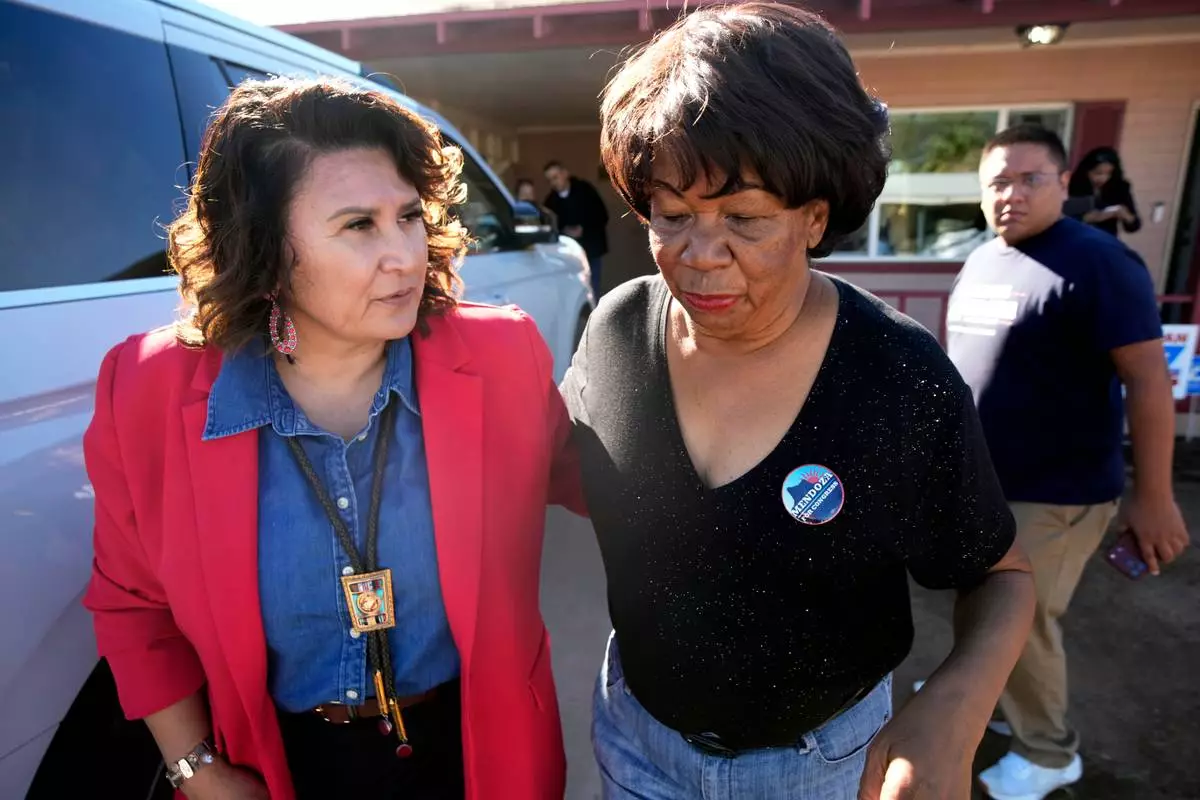
JoAnna Mendoza, left, Democratic candidate for Arizona's Sixth Congressional District, talks with supporter Brenda Robbins in Casa Grande, Ariz., Tuesday, Nov. 3, 2026. (AP Photo/Ross D. Franklin)
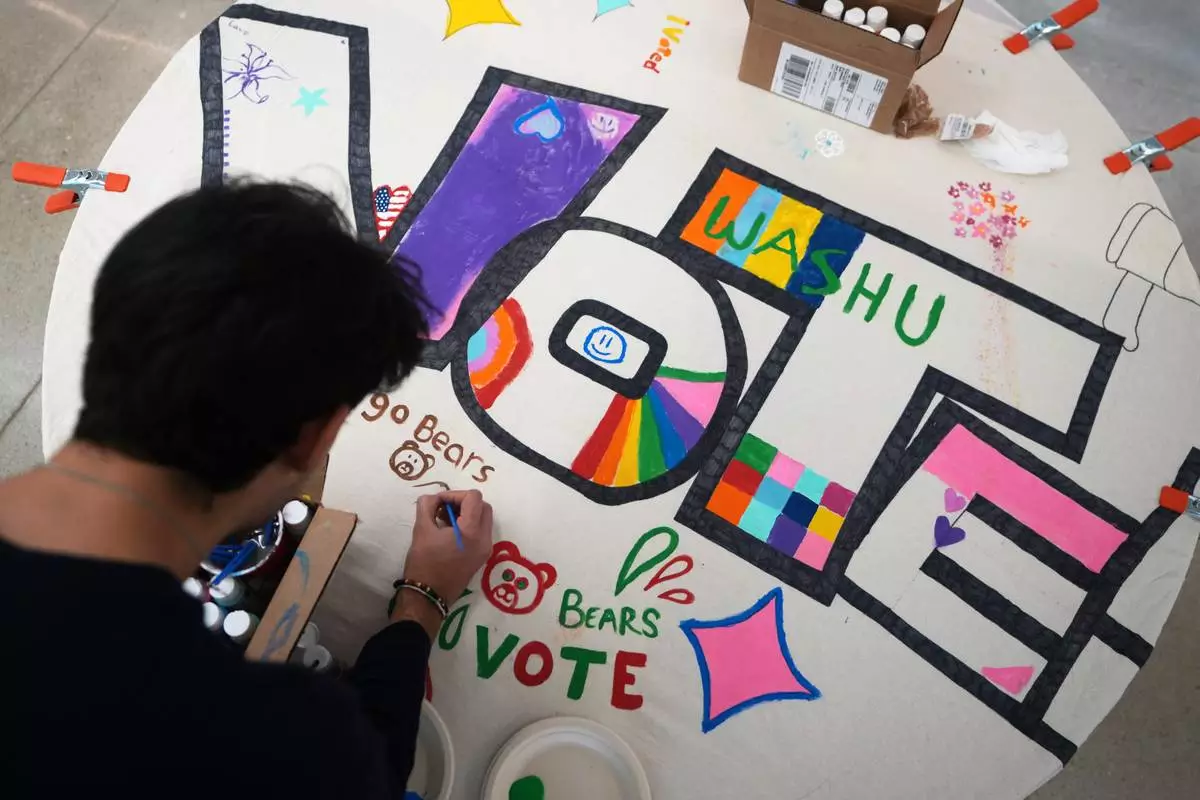
Santiago Rivera paints on a sign outside a polling place after casting his ballot on Election Day during the midterm election Tuesday, Nov. 3, 2026, in Clayton, Mo. (AP Photo/Jeff Roberson)
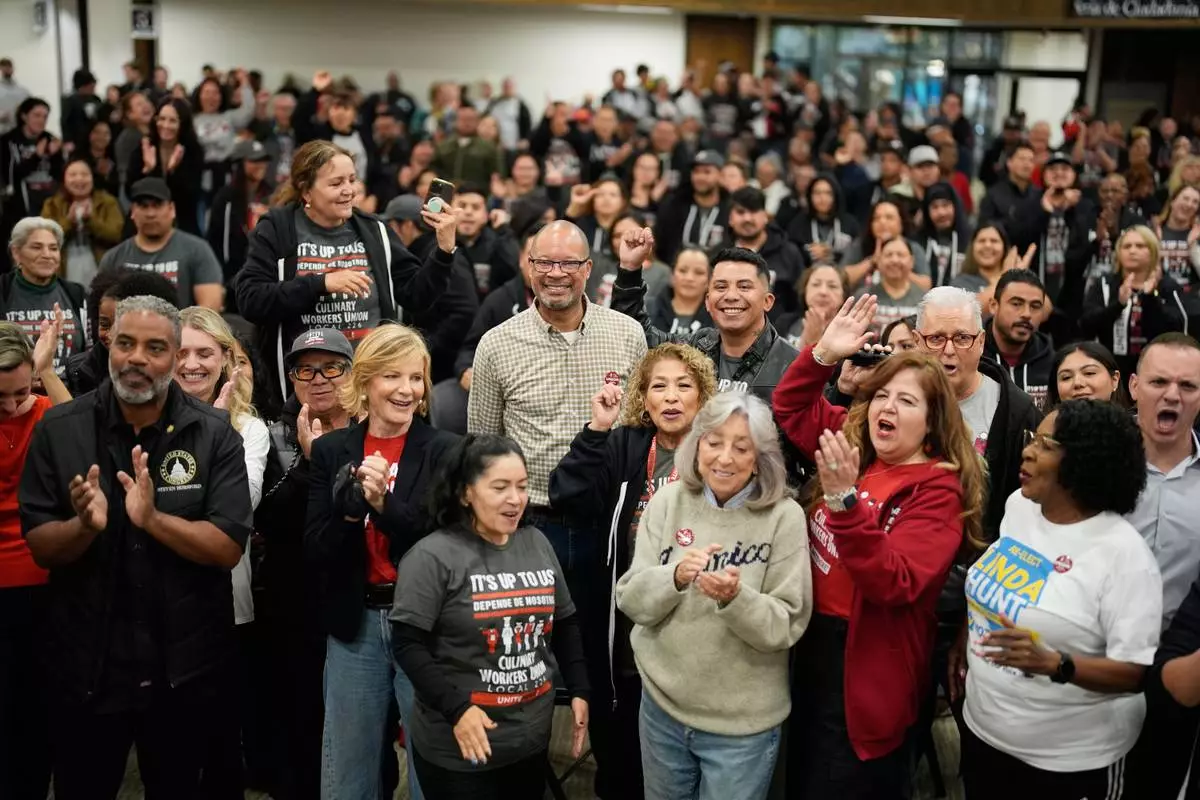
Rep. Susie Lee, D-Nev, and Democratic gubernatorial candidate Nevada Attorney General Aaron Ford join members of the Culinary Workers Union on Election Day Tuesday, Nov. 3, 2026, in Las Vegas. (AP Photo/John Locher)

A voting location is seen at the Greater Middle Baptist Church on Nov. 3, 2026 in Memphis, Tenn. (AP Photo/Kevin Wurm)

Jerry Lorimer votes at the Kanwaka township hall Tuesday, Nov. 3, 2026, near Lawrence, Kan. (AP Photo/Charlie Riedel)
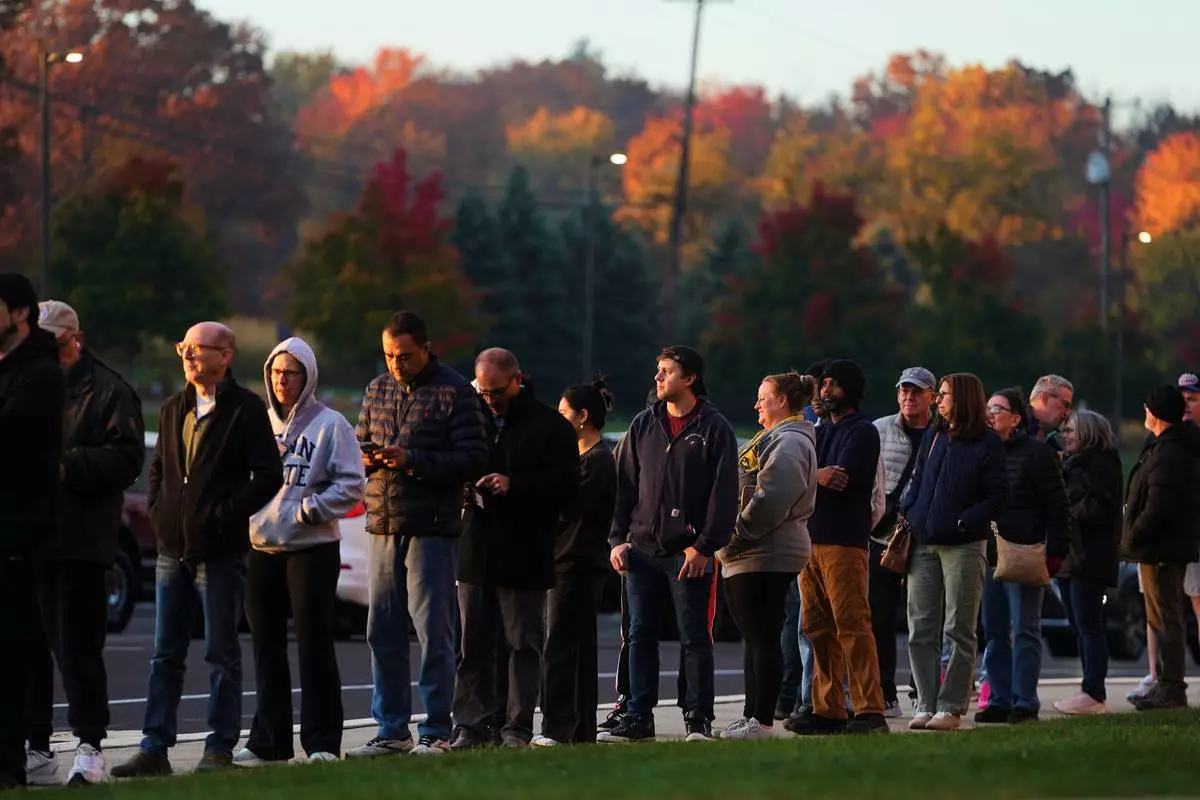
Voters wait in line to cast their ballots at a polling place at Central Bucks South High School on Election Day in Warrington, Pa., Tuesday, Nov. 3, 2026. (AP Photo/Matt Rourke)
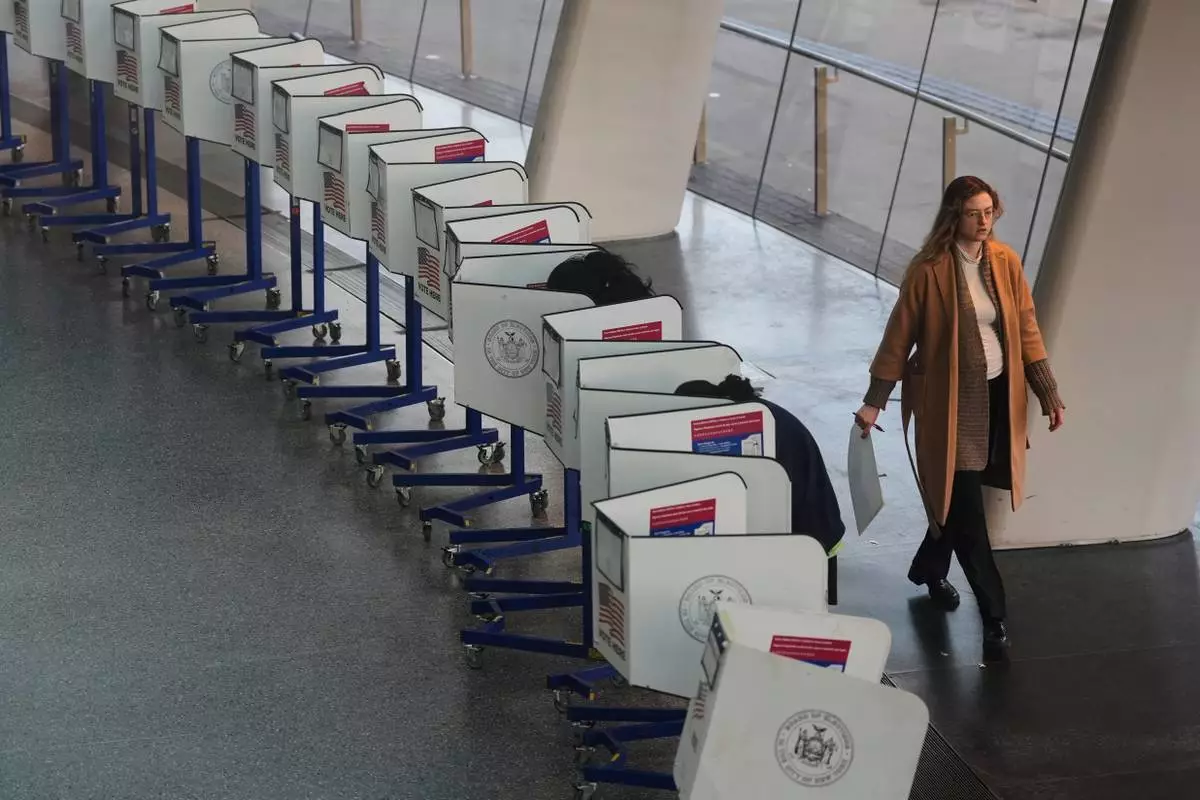
A voter carries their ballot at the Brooklyn Museum in New York on Election Day, Tuesday, Nov. 3, 2026. (AP Photo/Yuki Iwamura)
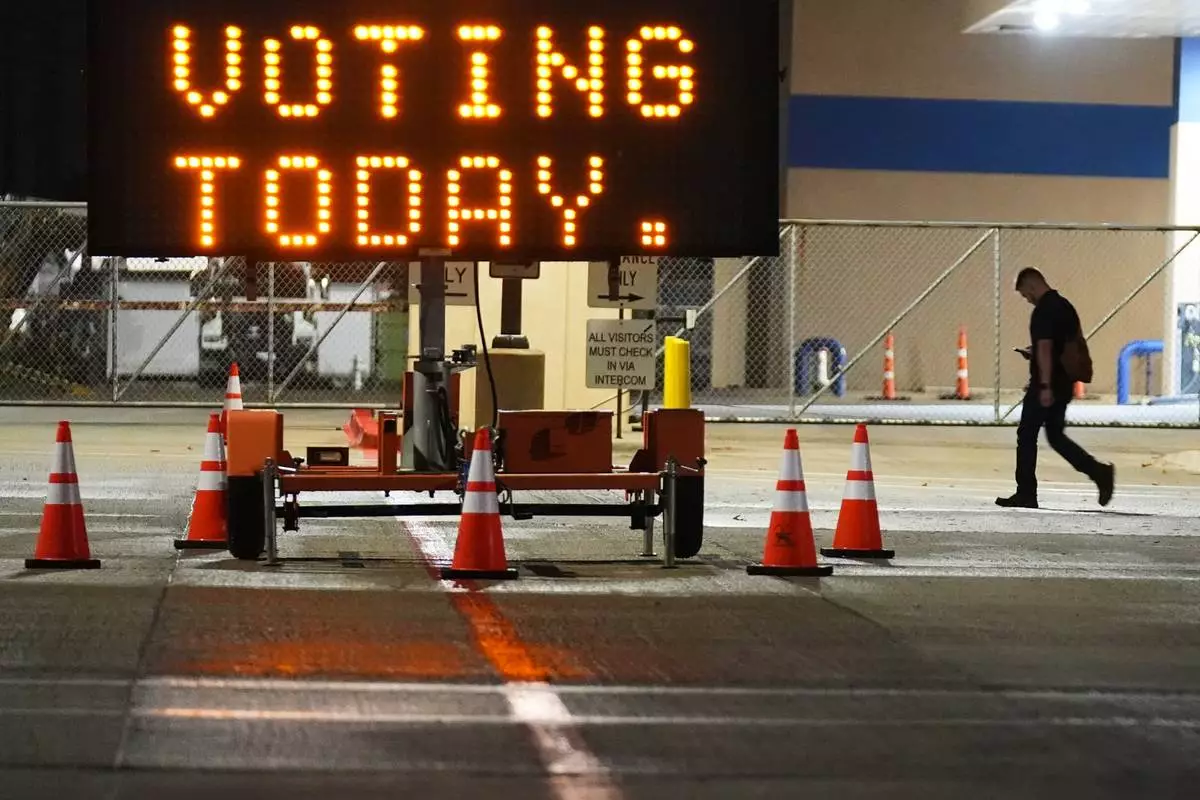
A person walks to the City of Arlington South Service Center ahead of the polling place opening on Election Day, Tuesday, Nov. 3, 2026, in Arlington, Texas. (AP Photo/Julio Cortez)