As winter approaches and daylight hours grow shorter, people prone to seasonal depression can feel it in their bodies and brains.
The millions of people estimated to have seasonal affective disorder, or SAD, typically have episodes of depression that begin in the fall and ease in the spring or summer. One trigger for SAD is when clocks revert to standard time, which happened Sunday across much of the U.S., bringing darker afternoons. A milder form, subsyndromal SAD, is recognized by medical experts, and there’s also a summer variety of seasonal depression, though less is known about it.
In 1984, a team led by Dr. Norman Rosenthal, then a researcher at the National Institutes of Health, first described SAD and coined the term. “I believe that because it is easy to remember, the acronym has stuck,” he said.
No single cause for seasonal affective disorder has been identified. The disorder affects many more women than men, according to the NIH. Symptoms can be similar to depression, and can include persistent feelings of hopelessness or pessimism and difficulty concentrating, remembering, or making decisions.
In one effort to better understand what's going on, scientists are learning how specialized cells in our eyes turn the blue wavelength part of the light spectrum into neural signals affecting mood and alertness.
Sunlight is loaded with the blue light, so when the cells absorb it, our brains’ alertness centers are activated and we feel more wakeful and possibly even happier.
Researcher Kathryn Roecklein at the University of Pittsburgh tested people with and without SAD to see how their eyes reacted to blue light. As a group, people with SAD were less sensitive to blue light than others, especially during winter months. That suggests one possible cause for wintertime depression.
Many people with SAD respond to light therapy, said Dr. Paul Desan of Yale University’s Winter Depression Research Clinic. The therapy can involve exposure to bright light for about a half hour in the morning, powered by devices that emit light about 20 times brighter than regular indoor light.
Research supports using a light that’s about 10,000 lux, a measure of brightness. You need to use it for 30 minutes every morning, according to the research. Desan said this can help not only people with SAD but also those with less-severe winter blahs.
Special lights run from $50 to more than $400. Some products marketed for SAD are too dim to do much good, Desan said.
Yale has tested products and offers a list of recommendations, and the nonprofit Center for Environmental Therapeutics has a consumer guide to selecting a light.
If your doctor diagnosed you with SAD, check with your insurance company to see if the cost of a light might be covered.
Antidepressant medications are a first-line treatment for SAD, along with light therapy. Doctors also recommend keeping a regular sleep schedule and walking outside, even on cloudy days.
Light therapy’s benefits can fade when people stop using it. One type of talk therapy — cognitive behavioral therapy, or CBT — has been shown in studies to have more durable effects, University of Vermont researcher Kelly Rohan said.
CBT involves working with a therapist to identify and modify unhelpful thoughts.
Working with a therapist can help people take small steps toward having fun again, Rohan said. Try planning undemanding but enjoyable activities to break out of hibernation mode, including getting out and seeing a friend for coffee.
Carla K. Johnson, the principal writer of this story, retired from The Associated Press in 2025.
The Associated Press’ health and science coverage receives financial support from the AP Fund for Journalism and private foundations. AP is solely responsible for all content. Find AP’s standards for working with philanthropies, a list of supporters and funded coverage areas at AP.org

FILE - A woman plays with her dog at sunset, Saturday, Nov. 6, 2021, at a park in Kansas City, Mo. (AP Photo/Charlie Riedel, File)
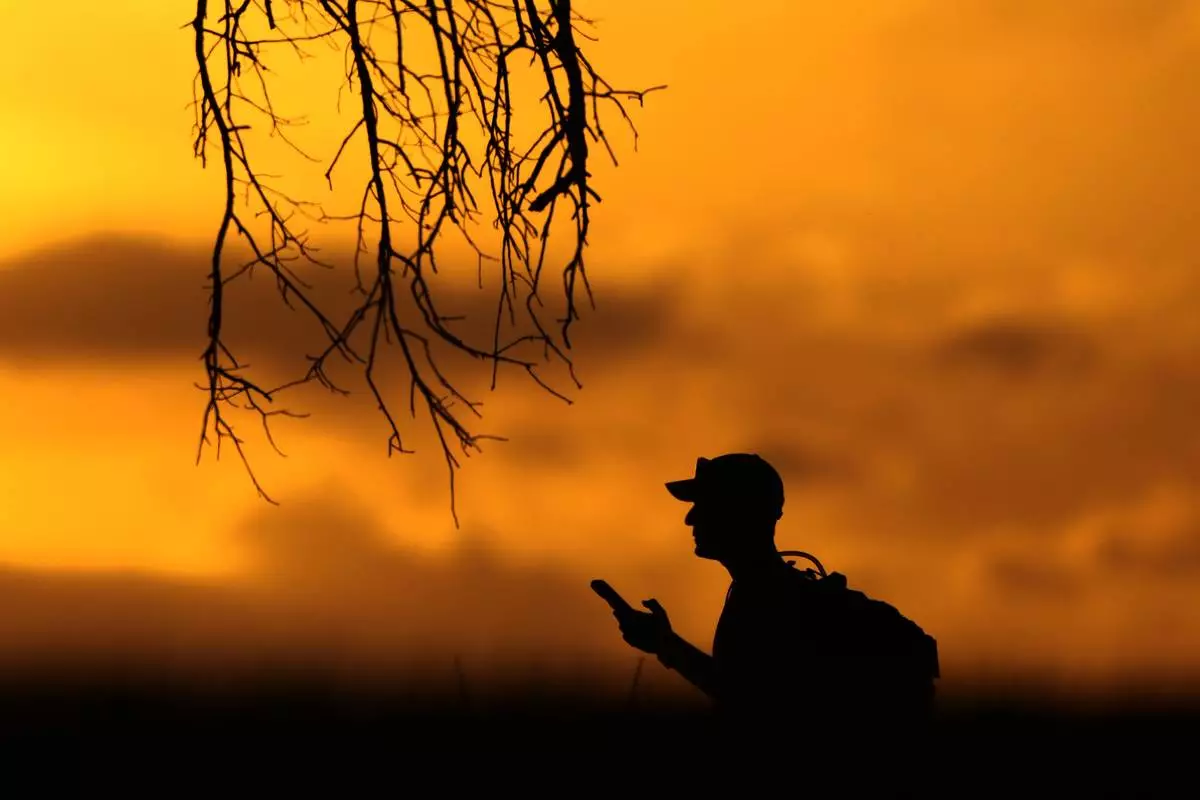
A man looks at his phone while hiking in a park during sunset Thursday, Oct. 29, 2026, in Lenexa, Kan. (AP Photo/Charlie Riedel)
Investigators are just beginning the lengthy process of determining why a business jet plummeted from the sky in Florida after encountering a thunderstorm and slammed into the ground with such force that it created a crater and shattered the plane.
The National Transportation Safety Board is leading the investigation into the crash that killed all nine people aboard the Bahamas-bound Learjet, and it will likely take more than a year to determine the cause.
Dramatic bystander videos combined with the the disturbing final radio transmissions as the pilots realize their fate will give investigators important clues. The cockpit voice recorder would also help if investigators can find it intact.
“Our mission is to understand not just what happened, but why it happened, and to recommend changes to prevent it from happening again,” NTSB member Tom Chapman said.
Here's what investigators are doing now and what comes next:
The NTSB team will spend days collecting every piece of the plane they can find. Investigators said Tuesday that pieces of a key part of the tail called the elevator, which controls the plane's pitch, were found more than a mile away from the main crater. That confirms the plane started to break apart before impact.
Chapman said investigators are searching for the Learjet's cockpit voice recorder because it could provide crucial details about what the pilots said to each other as they encountered turbulence, ice formed on the wings and they lost control of the aircraft.
“That will be very important data,” Chapman said. But being unable to find that recorder won't doom the investigation. “Without it, our folks are very, very good. We’re still able to do some incredible detective work and determine how things transpired.”
The co-pilot told air traffic controllers that the plane was being thrown up and down more than 700 feet (213 meters) and she asked them for a better route through the area. It's not clear why the pilots didn't fly around the storms.
Torrential rains in Florida over the past week have hindered the investigators' work. The crater filled with rainwater, possibly concealing parts of the wreckage under water, and a utility pole had to be removed.
The NTSB asked anyone who finds part of the plane to report that to investigators to collect.
The federal board has provided scant detail about its immediate findings and is expected to spend most of the coming month developing a preliminary report describing what happened. That preliminary report will provide factual details but won't include analysis or cause, which will come in a later more detailed report.
The force of the crash and the fire destroyed much of the plane. Any evidence investigators are able to gather will be taken to a secure hangar where they can test or try to reassemble smashed components to better understand what happened.
Retired airline pilot and aviation safety expert John Cox said he doesn’t understand why the plane descended from its cruising altitude of 41,000 feet (12,500 meters) as it approached the storms. The pilots steered around a larger storm cell but appeared to head directly into a rapidly developing smaller one, Cox said.
“If I’m looking at thunderstorms, I’d rather be at 41 than at 35. You’ve got a better view, you’re more likely to be on top of it, or at least, in the very wispy tops of it,” Cox said. “I don’t understand why they came down.”
Investigators will try to determine whether they knew that storm cell was there, what the plane’s weather radar showed and whether the pilots checked any other weather services.
Weather will be a key early focus of the investigation. NTSB experts will work with the National Weather Service and the Federal Aviation Administration to get a better idea of what the plane encountered at around 35,000 feet (11,000 meters).
Images that overlay the flight path atop weather maps show the Learjet flew directly into a small red storm cell that quickly worsened.
The weather is not the only element the board will consider.
Investigators will review maintenance records and any history of problems with the plane. They will also interview officials at Upper Jets, the company that operated the flight, as well as air traffic controllers and people who work at the airport in Austin, Texas, from where the plane departed.
Videos and photos shot by bystanders can also provide crucial clues about what happened. The NTSB will also collect surveillance footage that might show the crash.
In certain high-profile crashes, the NTSB can hold investigative hearings during which investigators question people, as it did after last year's UPS plane crash.
Generally, it takes 12 to 18 months for the NTSB to complete a crash investigation, but complicated cases can take longer. NTSB's roughly 400 workers are pursuing more than 1,200 active investigations.
Final reports include details about what happened and explain probable causes.
The NTSB has the power to recommend changes to prevent similar crashes and improve safety, but it doesn't have the power to require those changes to be installed or enforced.
The responsibility for adopting those falls to the FAA, the industry and Congress, all of whom have historically ignored NTSB recommendations, deeming such changes too costly and cumbersome.
Even when the FAA or Congress agree with the suggestions it can take years to approve new rules.
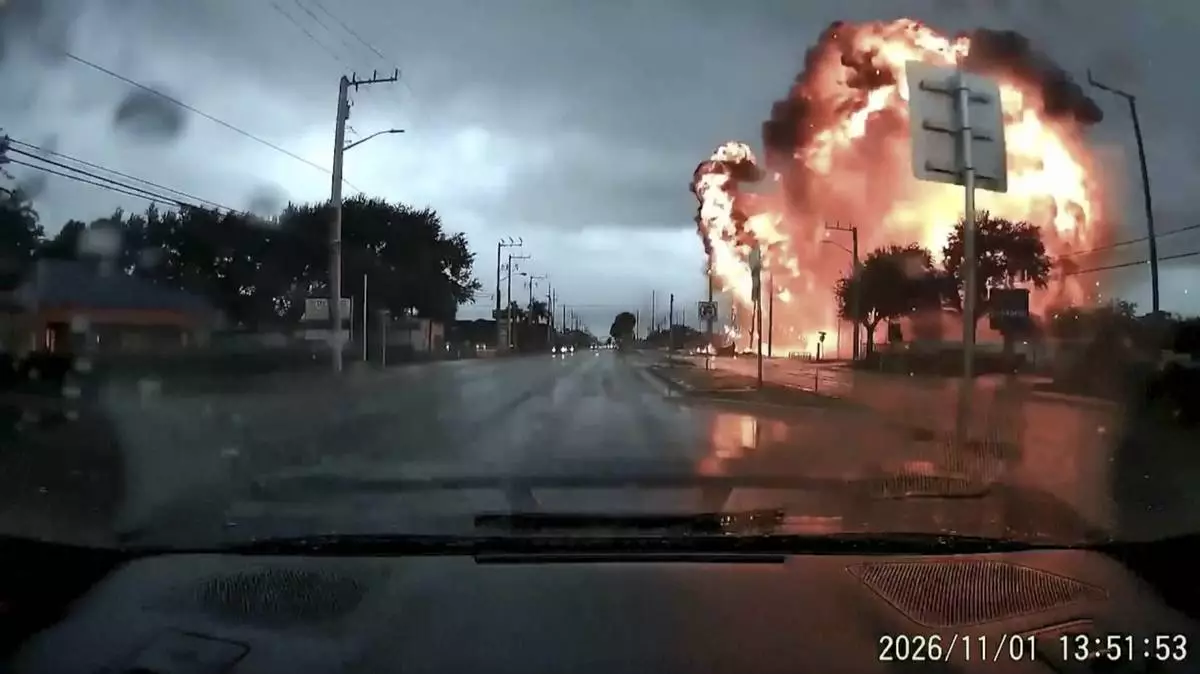
This image taken from Aki Kuusisto's video shows a small jet crashing in Palm Beach County, Fla., on Sunday, Nov. 1, 2026. (Aki Kuusisto via AP)
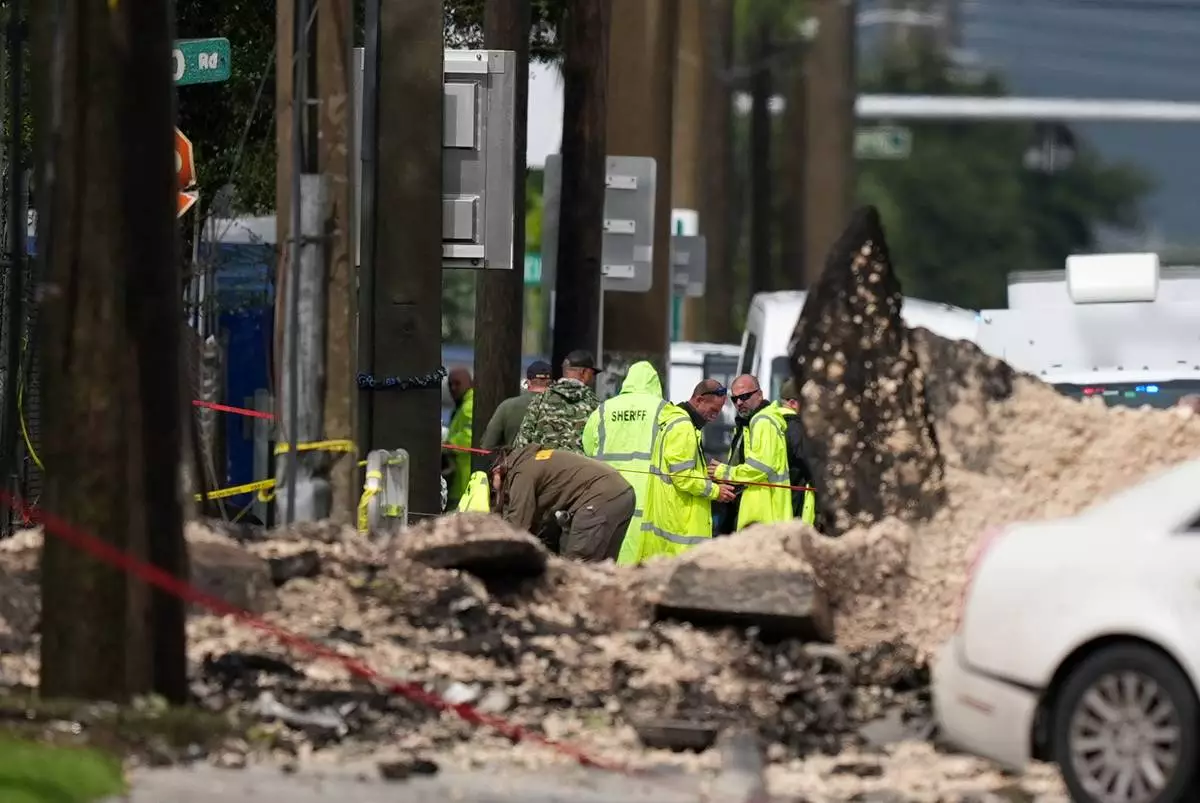
Investigators work at the scene of a plane crash in Greenacres, Fla., Monday, Nov. 2, 2026. (AP Photo/Rebecca Blackwell)