The People's Bank of China (PBOC), the central bank, said Wednesday it will step up implementation of its re-lending policy for stock repurchases and increased shareholdings, lowering the facility's interest rate by 25 basis points to 1 percent starting the same day, in a move to maintain capital market stability.
The facility is available to 21 national banks and five systemically important city commercial banks. It covers 100 percent of eligible loans, has a term of one year, and can be extended according to the banks' needs.
Banks may add a reasonable margin to the re-lending rate when setting loan terms, and should determine appropriate maturities and interest rates for loans used to finance share buybacks and increased shareholdings. They are also encouraged to accelerate lending to strengthen the capacity of listed companies and their major shareholders to manage market value.
Following a symposium on share buybacks and increased holdings on Monday, banks have submitted applications to the PBOC for more than 200 billion yuan (about 29.9 billion U.S. dollars) in re-lending quotas.
Going forward, the PBOC said it will continue to fully meet banks' re-lending needs and support their efforts to proactively address the financing needs of listed companies and major shareholders.
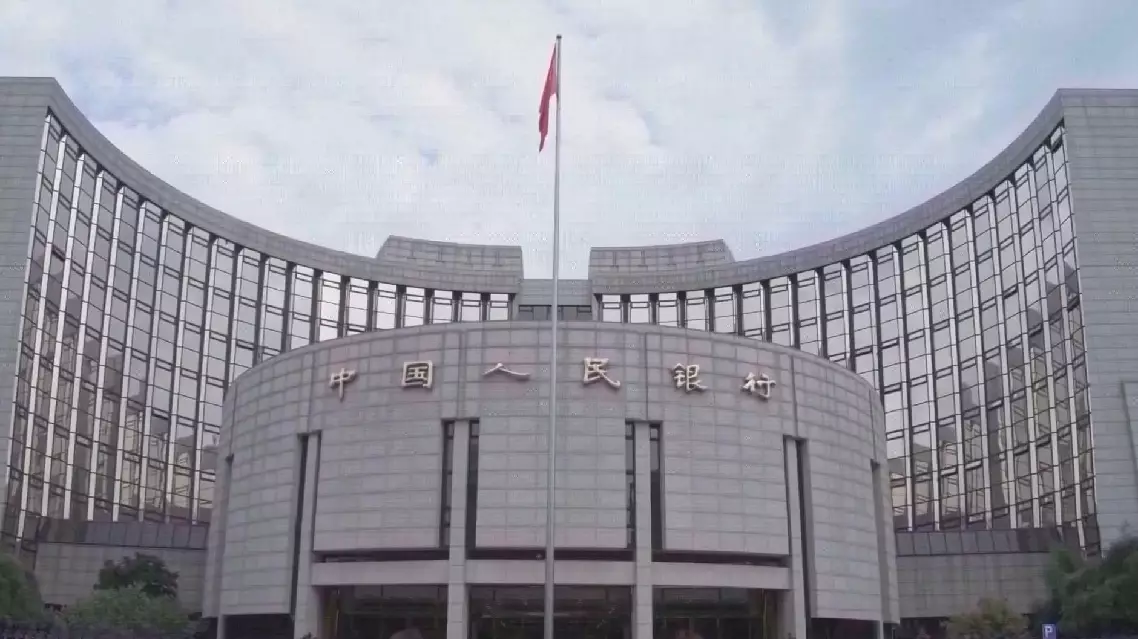
China's central bank cuts re-lending rate to 1 pct to shore up capital market stability
Austrian Chancellor Christian Stocker visited Tongji University in Shanghai on Wednesday, before attending the opening ceremony of the ninth China International Import Expo (CIIE) in the city on Thursday.
Stocker is paying an official visit to China until Saturday at the invitation of Chinese Premier Li Qiang.
While delivering a speech at the Tongji University, he put scientific research and higher education cooperation in the spotlight.
"Austria and China will build the future together, bringing mutual benefits to both countries. This requires courage, confidence and long-term commitment," said the Austrian chancellor, noting that Austria will be a trustworthy partner to China in opening a new chapter for cooperation.
At a panel discussion, participants from both countries discussed the future of science and engineering.
Recent exchanges between the Tongji University and Austrian universities focused on joint research, student mobility and the growing role of artificial intelligence in engineering education.
"This year marks the 55th anniversary of [the establishment of] diplomatic ties between China and Austria, and 100 years [the 100th year] since Professor Hans List began teaching at the Tongji University. These two milestones invite us to look back at history. The longstanding friendship between Chinese and Austrian engineers is a vivid example of China's openness to the world," said Wan Gang, honorary president of the China Association for Science and Technology.
In 1926, Hans List began teaching at the Tongji University, helping train China's first generation of internal combustion engine specialists. A century later, his family donated historical archives and a statue of him to the university.
There has been close cooperation between the Tongji University and AVL List GmbH, which was founded by Hans List and is one of the world's leading mobility technology companies for engineering, simulation, and testing in the automotive industry.
A century ago, Austria brought some of its most advanced engineering technologies to China. Today, the two countries are building on that legacy, strengthening their friendship and partnership, and driving a new wave of innovation together.
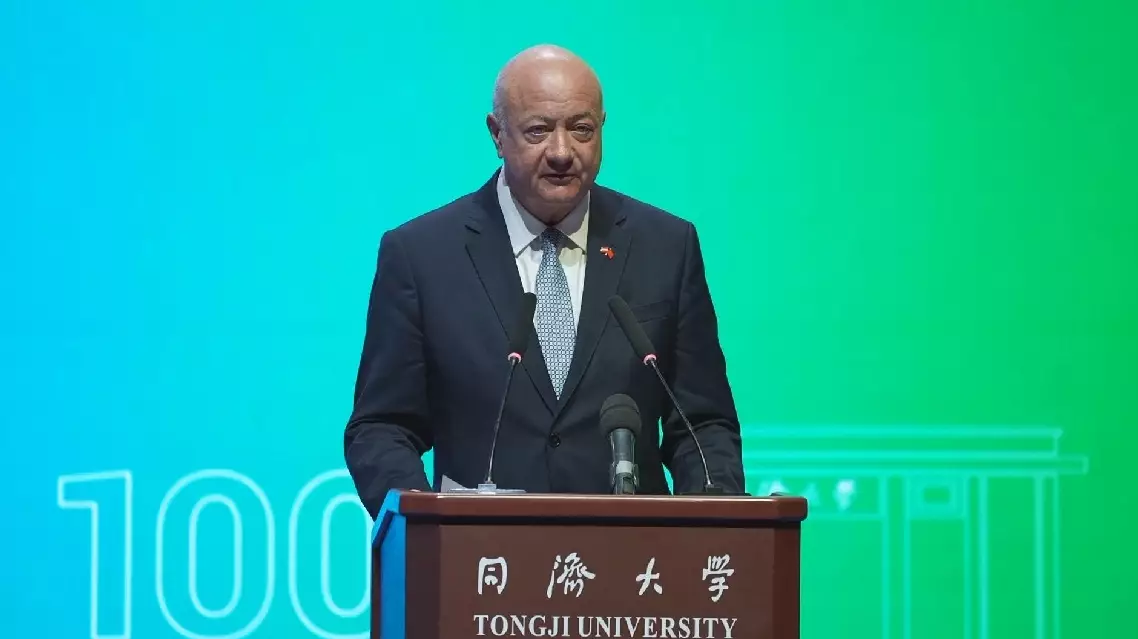
Austrian chancellor visits Tongji University in Shanghai