The 2026 World Internet Conference (WIC) Wuzhen Summit concluded on Thursday after completing its full agenda, with more than 1,800 guests from over 130 countries and regions participating in discussions on artificial intelligence and global internet governance.
The summit was held under the theme "Open Source and Openness, Joint Contribution and Shared Benefits -- Jointly Building a Community with a Shared Future in Cyberspace." Participants focused on open-source AI and held multi-dimensional dialogues on innovation, development, security governance, cultural exchange and international cooperation.
The "Light of the Internet" Expo, a flagship event of the four-day summit, drew 671 companies and institutions from 54 countries and regions, showcasing more than 1,000 new products and technologies, with the daily number of visits to the event topping 20,000, a new record, organizers said.
During the summit, the Digital Economy Industry Cooperation Conference saw the conclusion of contracts for 116 projects, with the total contractual value exceeding 100 billion yuan (14.05 billion U.S. dollars) for the fourth consecutive year.
First held in 2014, the Wuzhen Summit brings together government officials, representatives of international organizations, technology executives and researchers to discuss the development and governance of the internet.
The WIC was established as an international organization headquartered in Beijing in 2022.
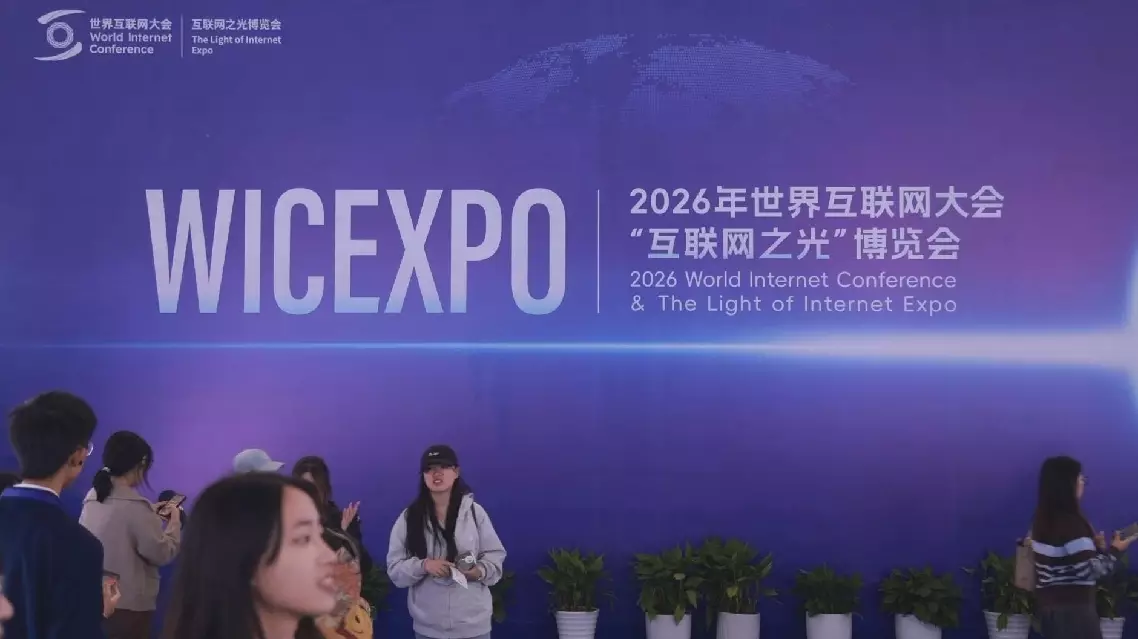
2026 World Internet Conference Wuzhen Summit closes with record expo turnout, big deals
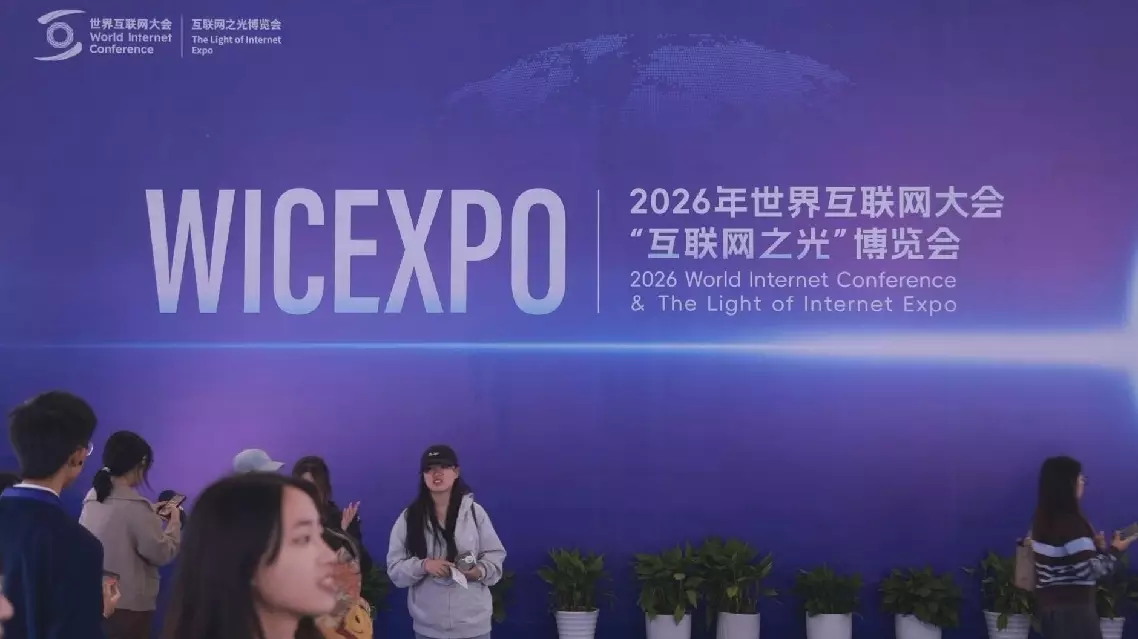
2026 World Internet Conference Wuzhen Summit closes with record expo turnout, big deals
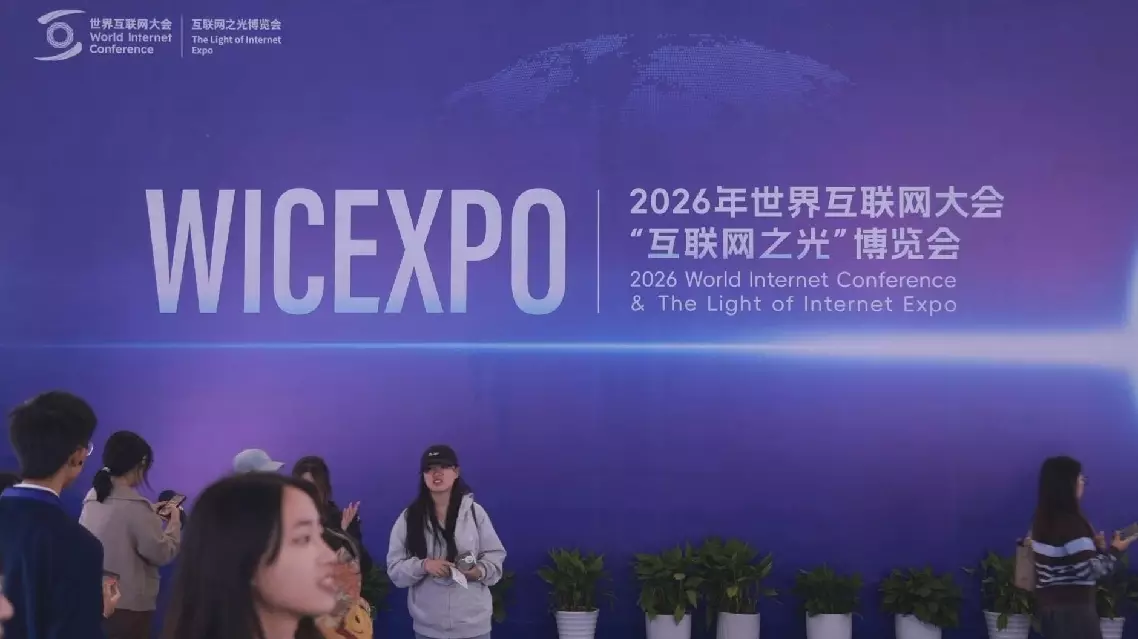
2026 World Internet Conference Wuzhen Summit closes with record expo turnout, big deals
The 9th Hongqiao International Economic Forum opened in Shanghai on Thursday, convening business leaders and representatives from around the world to explore paths to a more open global economy together.
The two-day event is being held at the National Exhibition and Convention Center under the theme "Stability and Cooperation: Building an Open World Economy Together," bringing a series of parallel sessions and report releases alongside the main discussions.
Now in its ninth edition, the forum has grown into a premier platform for dialogue on global economic cooperation, with a series of parallel sessions and report launches running alongside the main discussions.
A major highlight was the unveiling of the World Openness Report 2026, which showed that global openness tightened significantly in 2025, even as emerging and developing economies moved in the opposite direction, with China continuing to rank at the forefront among them.
Chinese and international experts at the gathering urged countries worldwide to join hands in fostering global openness and cooperation based on mutual trust, inclusiveness and accessibility.
Also making its debut was the Export-to-China Capacity Development Report, which analyzes China's market demand and import policies from multiple perspectives and aims to help other countries, particularly those in the Global South, enhance their capacity to export to the Chinese market.
The parallel sessions covered a broad agenda, from China's development achievements in the 25 years since its accession to the World Trade Organization to free and fair trade, cooperation on industrial competitiveness, and Hong Kong's new opportunities as its development strategies align with the 15th Five-Year Plan.
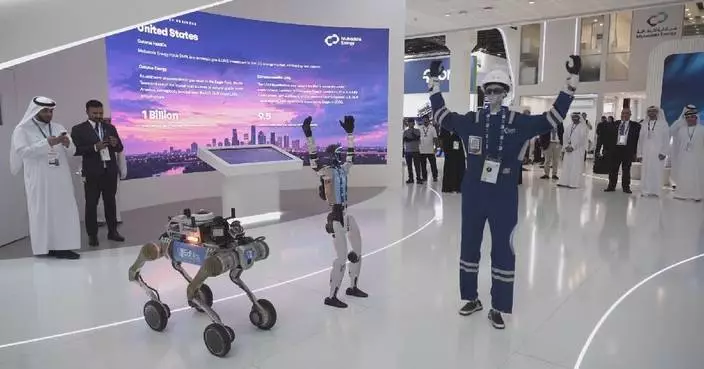
Discussions also turned to global economic rebalancing and innovation in the humanoid robot and embodied AI industries, with several research reports released during the sessions.
The forum is running alongside the 9th China International Import Expo (CIIE), which opened in Shanghai the same day, drawing more than 4,100 overseas exhibitors from 148 countries and regions.
First held in 2018 as the world's first national-level expo dedicated to imports, the CIIE has since evolved into a vital gateway for foreign businesses seeking access to China's vast consumer and industrial markets.
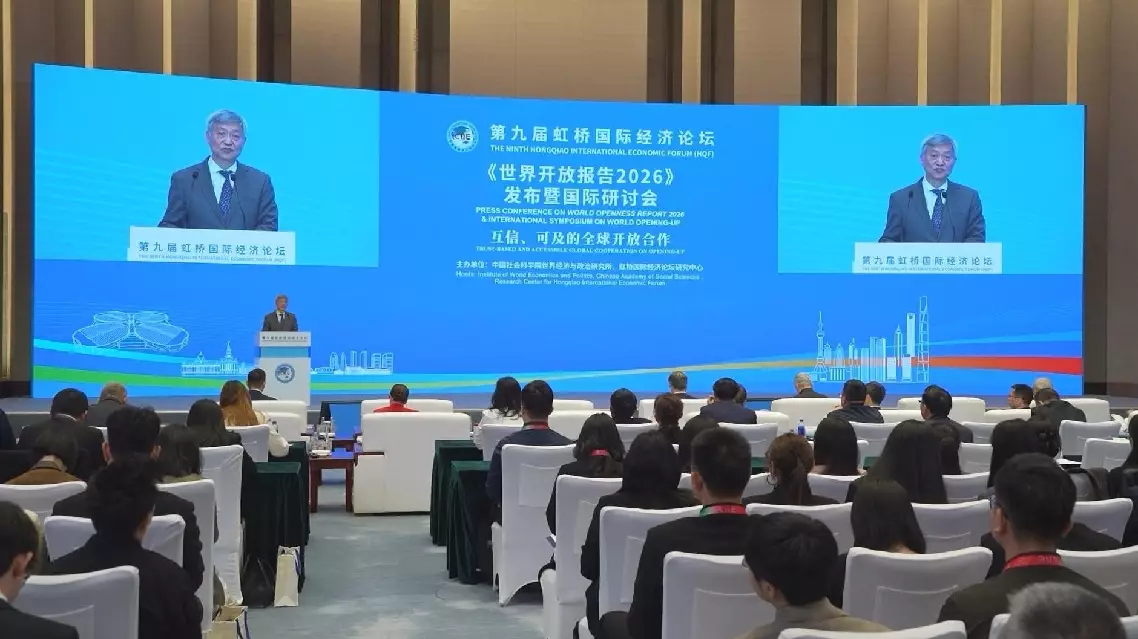
9th Hongqiao Forum opens in Shanghai, exploring paths to a more open global economy