Skip to Content Facebook Feature Image

IFF Opens Its First Forest Lab in Brazil's Atlantic Forest to Advance Fragrance and Beauty Innovation

Business

IFF Opens Its First Forest Lab in Brazil's Atlantic Forest to Advance Fragrance and Beauty Innovation
Business

Business

IFF Opens Its First Forest Lab in Brazil's Atlantic Forest to Advance Fragrance and Beauty Innovation

2026-11-18 19:32 Last Updated At:19:41

SÃO PAULO--(BUSINESS WIRE)--Nov 18, 2026--

IFF (NYSE: IFF) — a global leader in flavors, fragrances and health and biosciences — today opened its first Forest Lab at Legado das Águas, Brazil's largest private Atlantic Forest reserve. The lab is the next step in the bioprospecting partnership IFF announced in August 2025 with Reservas Votorantim (rV), the green economy division of Brazilian investment firm Votorantim SA, which manages the reserve. Spanning 31,000 hectares and home to nearly 1,000 plant species, Legado das Águas now hosts biodiversity research, scent discovery, perfumery and beauty innovation in one place, while supporting rV's conservation work.

This press release features multimedia. View the full release here: https://www.businesswire.com/news/home/20261117495933/en/

“The IFF Brazil Forest Lab brings perfumers, scientists and fragrance and beauty brands directly to the source,” said Ana Paula Mendonça, president of IFF Scent. “Roughly two in every five of the Atlantic Forest's plant species exist nowhere else on Earth. That makes the IFF Forest Lab truly one of a kind: a living library of nature where our teams and customers can discover, guided by science and a shared commitment to protecting it. When creativity starts somewhere this rare, the results can be extraordinary.”

“The partnership represents an important step forward in the company’s strategy,” shares André Monteiro, CEO of Reservas Votorantim. “At Reservas Votorantim, we work to demonstrate that nature conservation and economic value creation can go hand in hand. Our partnership with IFF connects scientific research and innovation with the potential of the Atlantic Forest, opening new opportunities to create value from standing forests. The inauguration of the IFF Brazil Forest Lab reinforces our commitment to demonstrating how biodiversity conservation can drive innovation and sustainable business opportunities.”

From biodiversity discovery to creation

The Brazil Forest Lab builds on the partnership IFF and rV launched in 2025 to pair scientific discovery with protecting the Atlantic Forest's biodiversity for the long term. Since then, researchers have identified 33 Atlantic Forest species with potential to become new perfume and beauty ingredients. They have also captured the scents of 27 native plants straight from the living plant, without picking it. Eight of those scents have already been recreated using IFF Livings™, IFF's proprietary technology for capturing and recreating the scents of nature, and will soon be available for IFF perfumers to study.

In the new lab, scientists from IFF and LMR (IFF’s natural perfumery ingredients capability), trained in signature cultivation and agronomic approaches, will collaborate with rV scientists, pairing expertise in perfumery, beauty, and natural ingredient discovery with deep knowledge of Atlantic Forest biodiversity.

Research at the Brazil Forest Lab will identify and document native species, study their olfactive profiles, and evaluate flowers, leaves, bark, roots, fruits and seeds for potential perfumery and beauty applications.

The lab will also give IFF teams and customers a new environment to study biodiversity together, experience scent at its source and collaborate to create fragrance and beauty concepts inspired by nature.

Connecting innovation and conservation

Beyond ingredient and scent discovery, the partnership links scientific research and innovation with long-term biodiversity stewardship. As the work progresses, IFF and rV will develop sustainable sourcing models connected to biodiversity conservation.

“Together with LMR, IFF spans the full spectrum of natural ingredients innovation, from biodiversity discovery and varietal selection to farming, extraction, analytical science, perfumery and beauty,” said Charbel Bouez, senior vice president of research and development for IFF Scent. “The IFF Brazil Forest Lab brings these capabilities together in nature itself, creating a unique platform to discover and shape the naturals of tomorrow.”

“The new laboratory builds on more than a decade of scientific research and biodiversity studies conducted at Legado das Águas,” said Tatiana Motta, head of new business and strategic partnerships for Reservas Votorantim. “With more than 1,800 species of fauna and flora documented, we bring extensive scientific knowledge and technical expertise to this partnership. Our contribution goes beyond providing a territory for research. Together with IFF, we are expanding opportunities to turn this knowledge into innovation, while strengthening the conservation of the Atlantic Forest’s biodiversity.”

Welcome to IFF
At IFF (NYSE: IFF), we make joy through science, creativity and heart. As the global leader in taste, scent and biosciences, we’re innovating for the future. Every day, we deliver groundbreaking, sustainable solutions that elevate products people love—advancing wellness, delighting the senses and enhancing the human experience. Learn more at iff.com, LinkedIn, Instagram and Facebook.

About Reservas Votorantim
Reservas Votorantim is part of Votorantim S.A.’s portfolio. The company manages natural landscapes and develops projects for the green economy, with a focus on nature-based solutions. It currently manages approximately 130,000 hectares of land, where it develops sustainable businesses guided by a multiple land-use approach, operating in areas such as carbon credits, legal reserves, biodiversity, and more.

Reservas Votorantim is committed to creating value from standing forests, demonstrating that forest conservation and revenue generation can go hand in hand while delivering positive environmental, social, and governance impacts.

Learn more at: https://www.reservasvotorantim.com.br

© 2026 by International Flavors & Fragrances Inc. IFF is a Registered Trademark. All Rights Reserved
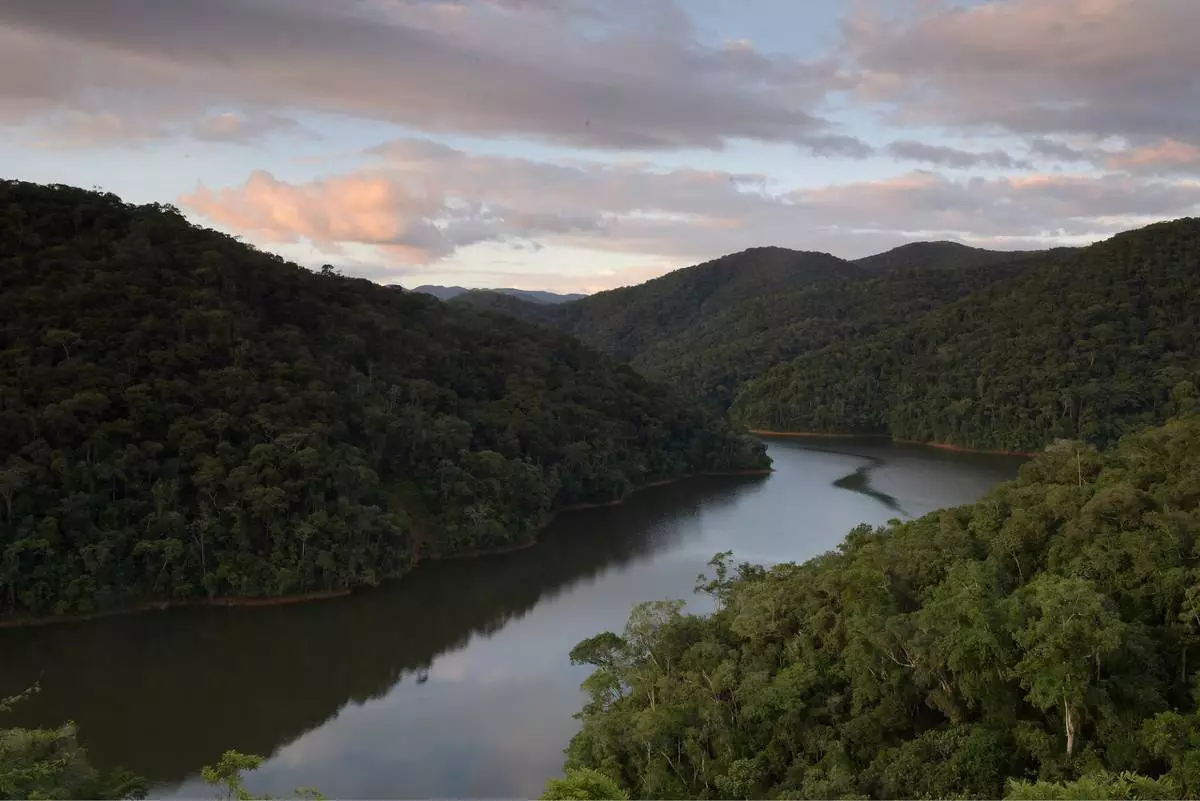
(Credit: Reservas Votorantim) Image of Legado das Águas – Atlantic Forest Reserve in Brazil
(Credit: Reservas Votorantim) Image of Legado das Águas – Atlantic Forest Reserve in Brazil

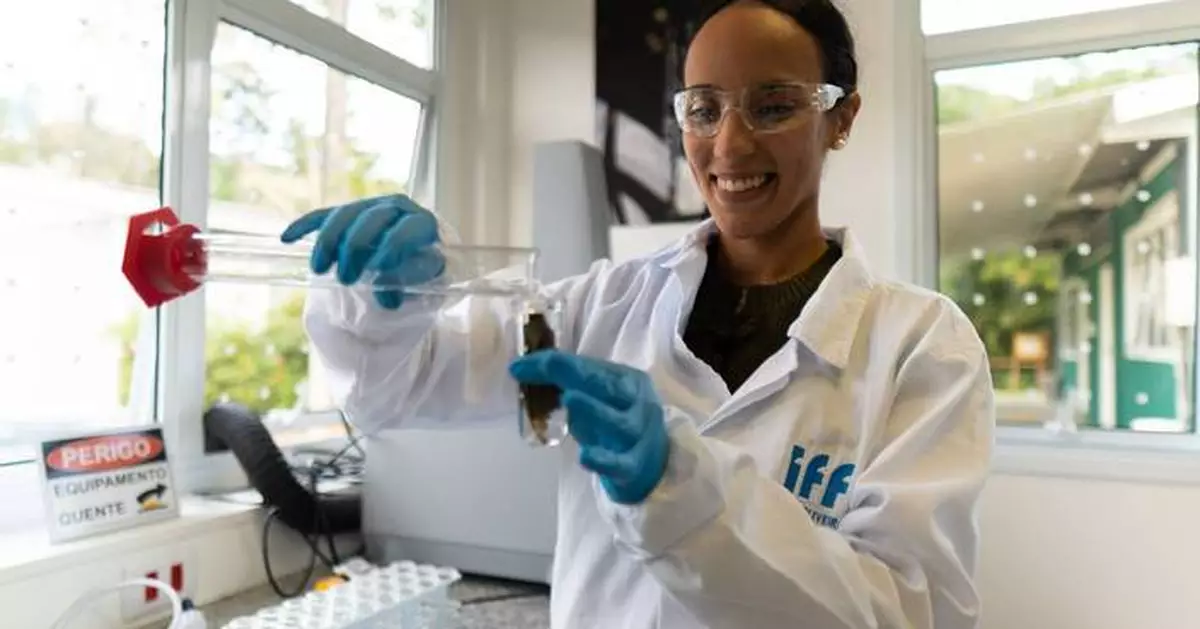
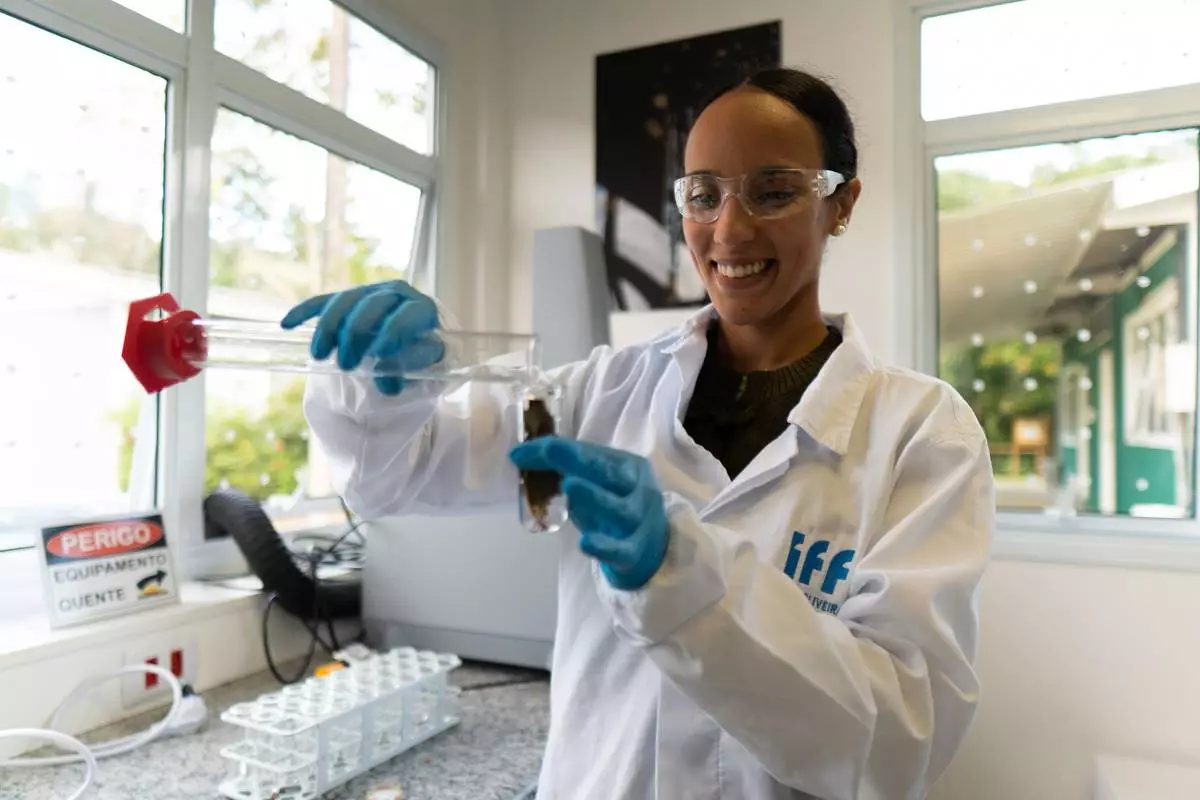
A scientist in the new IFF Brazil Forest Lab at Legado das Águas, the country’s largest private Atlantic Forest reserve.

A scientist in the new IFF Brazil Forest Lab at Legado das Águas, the country’s largest private Atlantic Forest reserve.
SEATTLE (AP) — Nearly four decades ago, state auditors delivered a stark warning to Seattle Public Schools.

The district needed to close several campuses with low enrollment to avert a deepening budget crisis. But the recommendations generated a fierce neighborhood outcry, so Seattle officials set the audit aside.

Then, 34 years later, history repeated itself. In 2024, Seattle’s then-superintendent proposed shuttering up to a fifth of its schools because there weren’t enough students to fill them, but again scrapped the plan after community resistance.

Now, the district’s back in the same financial bind, with opposition already building against a new plan to shutter nearly a dozen campuses.

The cycle in Seattle reflects what some education experts call a national paralysis in school district boardrooms. Public school enrollment has plummeted by more than 1.4 million students since the pandemic, according to a recent study by Stanford University researchers Thomas Dee and Jaymes Pyne. That’s primarily due to declining birth rates and expanding school choice. Yet, rather than downsize to match their new financial reality, district leaders throughout the country have largely hesitated.

AP is covering school closures in partnership with The Hechinger Report and Big Local News at Stanford University.

One out of every 4 public schools in the U.S. has lost 15% or more of its student population since 2019, according to the study. (In Seattle, enrollment has fallen by roughly 8% since that year, to below 49,000 students.) Despite these empty desks, the overall number of schools in operation remains virtually unchanged — and teacher headcounts have actually grown by 1% nationwide.

“School districts have been playing Hamlet on this for a while now and dithering on this question,” Dee said. “We’ve never had more teachers per student in our nation’s history.”

Today’s budget woes can be attributed, at least in part, to more than $190 billion in federal pandemic relief aid. The one-time cash allowed superintendents to maintain staffing levels in spite of shrinking student bodies. With those federal funds exhausted, many districts now must confront painful structural deficits. And the needs remain acute. Disability diagnoses are rising — and they’re costly, adding to the financial strain. Many students also haven’t caught up academically after the pandemic.

Research from Arkansas, California, Chicago and elsewhere suggests closing a school yields only modest and temporary budget relief.

“The conversation really should be about the educational experience: How do we better serve the students with the resources we have left?” said Liza Rankin, a Seattle school board member since 2019, noting that employee pay and benefits account for roughly 80% of a district’s budget. “Closing schools doesn’t save much money to begin with. Payroll is where the big money is.”

Instead, leaders have preferred to rely on one-time reserves or small administrative cuts.

In San Francisco, where enrollment fell 10% since 2019, a $100 million-plus deficit prompted a chaotic proposal from the district in late 2024 to shutter more than a dozen schools. That plan was shelved following the superintendent’s resignation. And earlier this year, a new superintendent reached a $183 million contract with the United Educators of San Francisco, or UESF.

In its most recent budget, the district projects it will close its structural deficit next school year, mostly relying on early retirements and cuts to central office to avert closures. The current budget also projects, however, a $26 million deficit by the following year.

Labor leaders insist any panic is unwarranted.

A UESF spokesperson argued the district’s substantial cash reserves could stabilize the budget. Its rainy day fund stood at nearly $139 million last year, according to the district, though it expects to draw down its reserves to just $52 million over the next two years.

Experts strongly warned against tapping rainy day funds to cover ongoing expenses, like salary.

“That could buy them more time, maybe provide another year of planning, but it doesn’t come close to resolving the structural issues that San Francisco has,” said Jason Willis, a school finance expert with research group WestEd who trains K-12 budget officers.

There are no easy solutions — and students could pay the price. Closing schools can set students back academically, research shows, and teacher layoffs may be even more disruptive to student learning.

Still, Dee, the Stanford researcher, warned that if local leadership fails to act, other political actors might. State takeovers of school districts have been rising, with at least 21 happening since 2023, according to a tally from nonprofit news outlet Chalkbeat.

Under state takeovers, school board members and superintendents often have much less flexibility to determine how to cut budgets — or whom to lay off.

Sharon Lurye of The Associated Press contributed reporting.

The Associated Press’ education coverage receives financial support from multiple private foundations. AP is solely responsible for all content. Find AP’s standards for working with philanthropies, a list of supporters and funded coverage areas at AP.org.

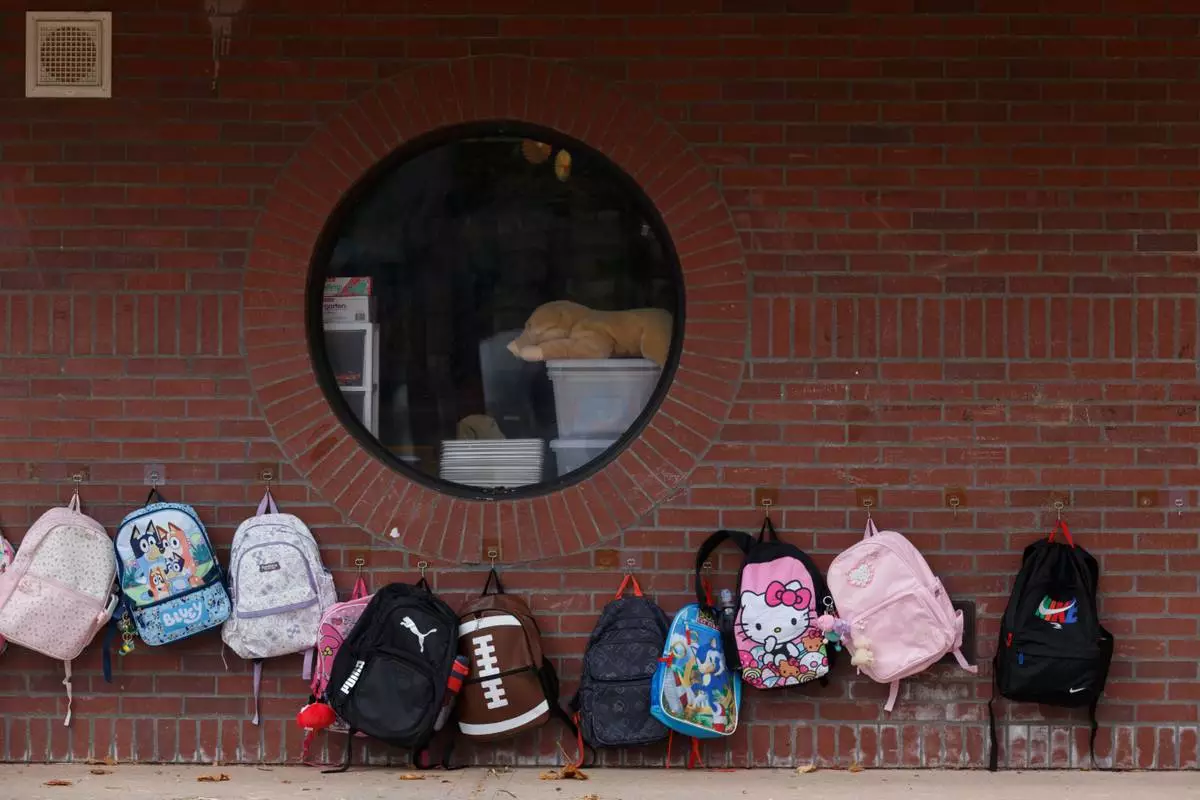
Backpacks hang outside a classroom at Glen Cove Elementary on Monday, Aug. 17, 2026, in Vallejo. (AP Photo/Juliana Yamada)

Backpacks hang outside a classroom at Glen Cove Elementary on Monday, Aug. 17, 2026, in Vallejo. (AP Photo/Juliana Yamada)

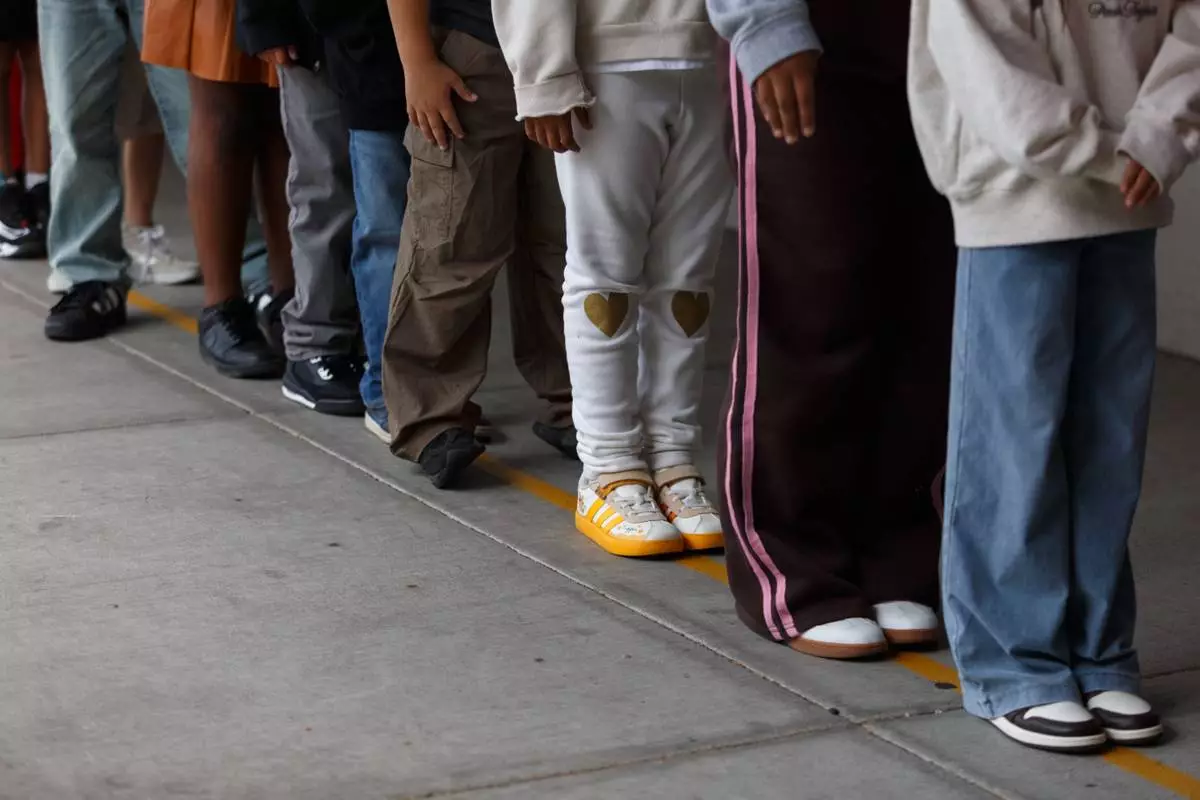
Fourth graders in Mrs. Johnson's class wait in line at Steffan Manor Elementary on Monday, Aug. 17, 2026, in Vallejo. (AP Photo/Juliana Yamada)

Fourth graders in Mrs. Johnson's class wait in line at Steffan Manor Elementary on Monday, Aug. 17, 2026, in Vallejo. (AP Photo/Juliana Yamada)

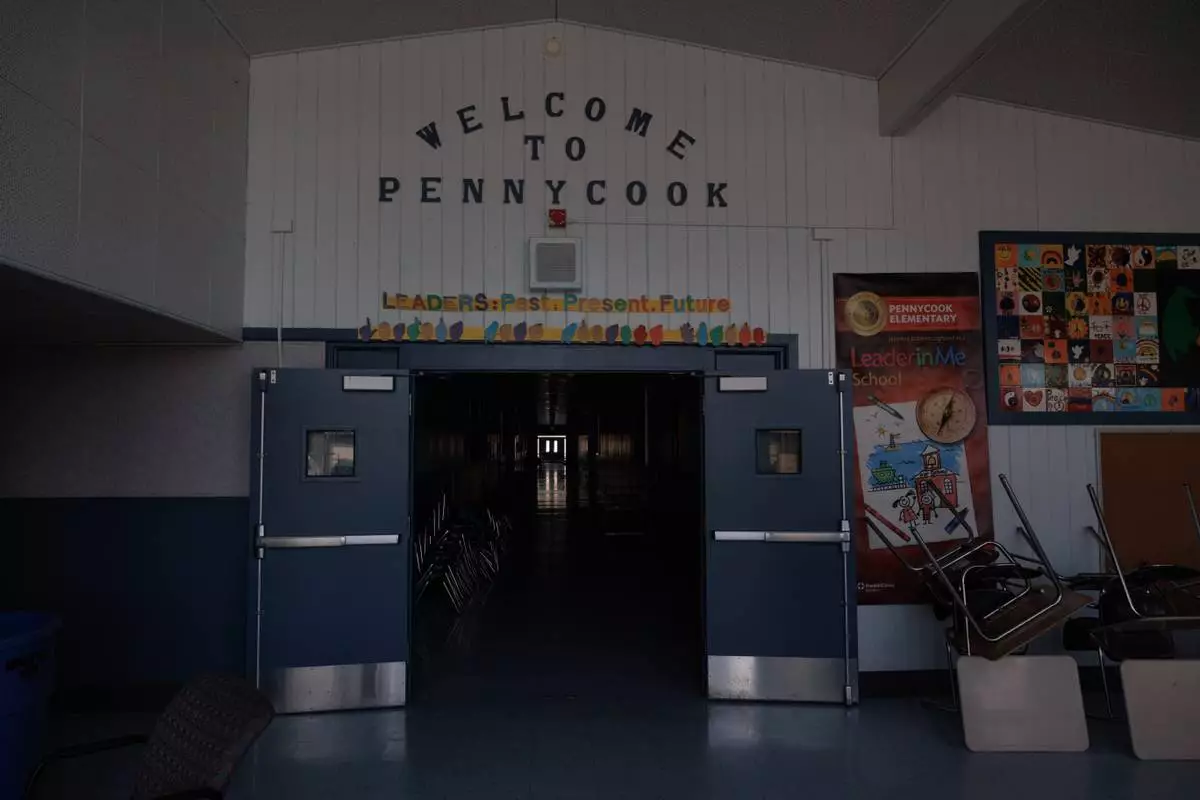
A dark and empty Pennycook Elementary School is shown on Tuesday, Aug. 18, 2026, in Vallejo. (AP Photo/Juliana Yamada)

A dark and empty Pennycook Elementary School is shown on Tuesday, Aug. 18, 2026, in Vallejo. (AP Photo/Juliana Yamada)

Recommended Articles