Skip to Content Facebook Feature Image

Helical Fusion Awarded Up to JPY 19.2 Billion in Japanese Government Funding to Accelerate Commercial Fusion Power

Business

Helical Fusion Awarded Up to JPY 19.2 Billion in Japanese Government Funding to Accelerate Commercial Fusion Power
Business

Business

Helical Fusion Awarded Up to JPY 19.2 Billion in Japanese Government Funding to Accelerate Commercial Fusion Power

2026-11-18 20:36 Last Updated At:20:40

TOKYO--(BUSINESS WIRE)--Nov 18, 2026--

Helical Fusion Co., Ltd., a fusion energy company developing commercially viable power plants based on Helical Stellarator technology, has been formally selected for a major Japanese government grant program administered by the Ministry of Economy, Trade and Industry (METI).

This press release features multimedia. View the full release here: https://www.businesswire.com/news/home/20261118128278/en/

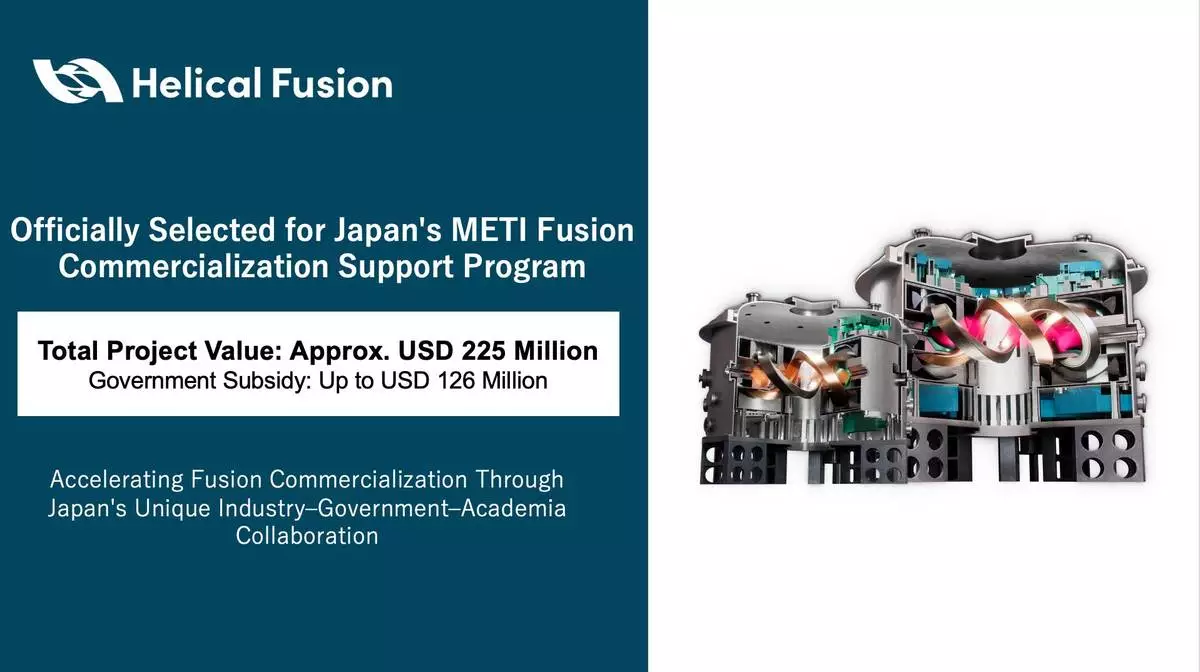
The maximum government subsidy is approximately JPY 19.2 billion (USD 126 million). The grant-supported project is scheduled to run through February 2029.

Through the Helix Program, Helical Fusion leads overall plant design and systems integration, drawing on research from Japan’s national research institutions and the engineering and manufacturing expertise of approximately 40 companies in Japan. The program aims to turn Japan’s scientific and industrial strengths into practical fusion power.

The funding will accelerate three areas of development:

Helix HARUKA: Manufacturing and assembly of the Integrated Demonstration Device to validate the integration of key fusion technologies.

Helix KANATA: Basic engineering design of Helical Fusion's first fusion power plant.

Core technologies: Development of critical components and technologies required for commercial fusion power.

Including the newly awarded subsidy, Helical Fusion’s cumulative funding and financing commitments now total approximately JPY 33.2 billion (USD 218 million).

From Research to Integrated Hardware Demonstration

Helical Fusion is advancing the Helix Program, its roadmap toward commercially viable fusion power in the 2030s.

Manufacturing and assembly of Helix HARUKA are already underway at the National Institute for Fusion Science (NIFS) campus in Toki, Japan. Assembly is progressing toward Phase 1, which will involve energization testing of the high-temperature superconducting (HTS) coils in 2027. Assembly of one helical coil is nearly complete.

In the early 2030s, as Helix HARUKA Phase2, Helical Fusion plans to demonstrate the integrated operation and compatibility of key fusion technologies, including HTS coils and blanket systems. The demonstration is designed to reduce engineering and integration risks before construction of the first power plant.

In parallel, Helical Fusion will advance the basic engineering design of Helix KANATA, its first fusion power plant, incorporating insights from the demonstration program without waiting for all testing to conclude.

Three Requirements for Commercial Fusion Power

Helical Fusion's technology strategy is built around three requirements for a commercially viable fusion power plant:

Net electricity: Delivering electricity beyond the plant's own consumption.

Continuous operation: Providing stable power around the clock.

Maintainability: Enabling efficient maintenance and high plant availability.

The company selected the Helical Stellarator approach for its potential to meet all three requirements.

Its technology builds on approximately 70 years of fusion research in Japan, including work at NIFS, whose Large Helical Device (LHD) has demonstrated plasma operation lasting 3,268 seconds.

Helical Fusion aims to translate this scientific foundation into an engineered power plant capable of delivering reliable electricity.

Bringing Japan’s Research and Industry Together for Fusion Energy

Helical Fusion is working with approximately 40 companies in Japan across heavy electrical equipment, industrial machinery, advanced materials, precision manufacturing, and plant engineering.

These collaborations support the development and manufacturing of HTS coils, blanket components, power systems, structural components, and other essential technologies.

Helical Fusion sets the overall plant requirements and coordinates development across these technical fields. Insights from Helix HARUKA’s integrated demonstration will feed into KANATA’s engineering design, connecting Japan’s research and manufacturing capabilities with the work needed to build a fusion power plant.

Comment from Takaya Taguchi, Co-Founder and CEO of Helical Fusion

“We founded Helical Fusion with a clear conviction: fusion must become a reliable, commercially viable source of electricity. We chose the Helical Stellarator because we believe it offers the strongest pathway to achieving that goal.

Our progress stands on decades of scientific research and the commitment of partners who believed in our approach early on, investing their resources and engineering expertise to turn our plans into actual hardware.

We see this selection as recognition of the strength of our development plan for practical fusion power and the capabilities we have built to execute it. We are grateful for this substantial public investment and fully recognize the responsibility that comes with it. We will demonstrate its value through measurable engineering progress.

Our responsibility is to bring Japan’s decades of fusion research and manufacturing expertise together in a power plant that can reliably supply electricity. We are determined to lead that effort from Japan, working with partners.

With this support, we will accelerate the integrated demonstration of Helix HARUKA and the development of Helix KANATA, bringing us closer to commercially viable fusion power.”

About Helical Fusion

Helical Fusion Co., Ltd. is a Japan-based fusion energy company founded in 2021 as a spin-out leveraging research from the National Institute for Fusion Science (NIFS).
The company develops Helical Stellarator technology through the Helix Program, aiming to achieve commercially viable fusion power in the 2030s.
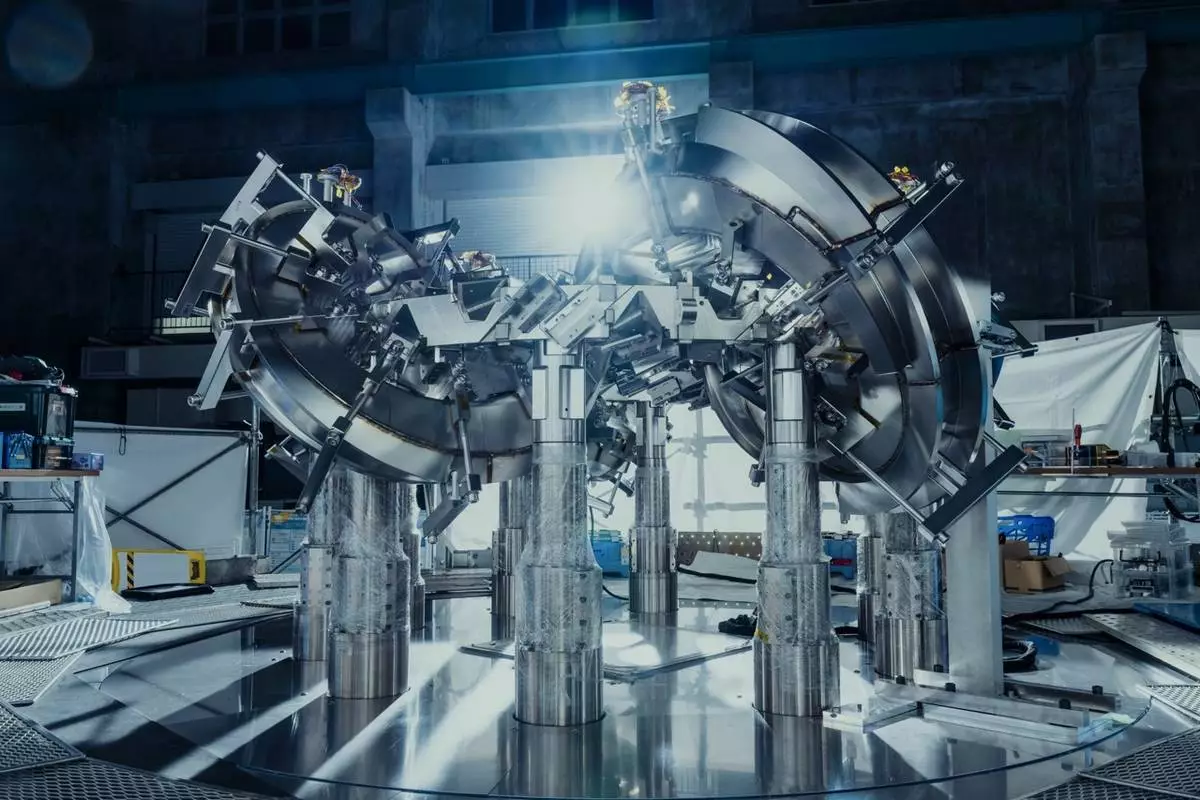
Helix HARUKA(Phase 1), the Integrated Demonstration Device under construction at the dedicated workspace on the National Institute for Fusion Science (NIFS) campus in Toki, Gifu Prefecture, Japan. Assembly of one helical coil is nearly complete.
Helix HARUKA(Phase 1), the Integrated Demonstration Device under construction at the dedicated workspace on the National Institute for Fusion Science (NIFS) campus in Toki, Gifu Prefecture, Japan. Assembly of one helical coil is nearly complete.

Helical Fusion Awarded Up to JPY 19.2 Billion in Japanese Government Funding to Accelerate Commercial Fusion Power

Helical Fusion Awarded Up to JPY 19.2 Billion in Japanese Government Funding to Accelerate Commercial Fusion Power
Iran-backed Houthis in Yemen fired missiles at Riyadh on Wednesday, after the Saudi-backed coalition launched a major attack on the rebel group’s missile and drone capabilities. It came as Iran’s targeting of its Gulf Arab neighbors picked up with attacks on Bahrain and on a Kuwaiti base used by U.S. forces, in apparent retaliation for American fire a day earlier.

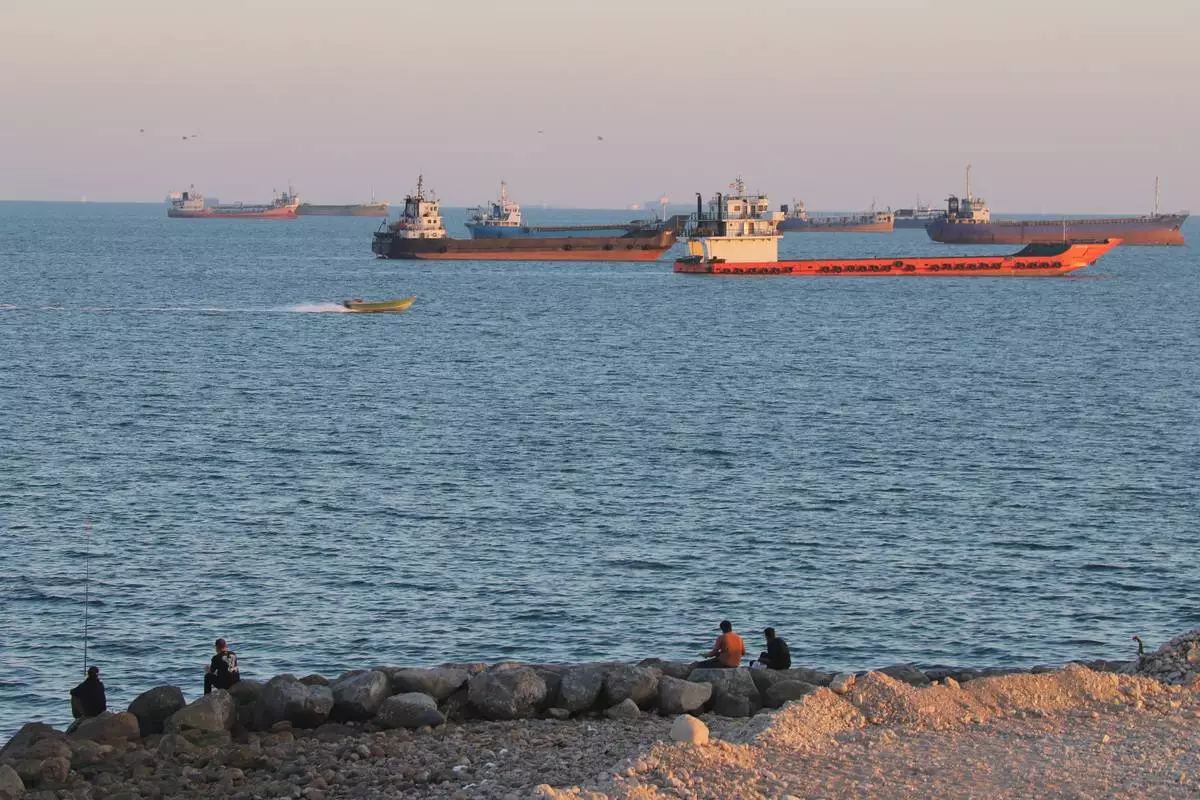
Meanwhile, a state-run oil giant in the United Arab Emirates said one of its vessels was attacked while transiting the Strait of Hormuz. Iran has recently claimed attacks on other vessels it says used “unauthorized” routes in the waterway.

Here is the latest news from the Middle East on Wednesday. Read our full coverage here.

The Saudi-led coalition fighting the Iranian-backed Houthis said Wednesday it launched a major air attack across the rebel-held territories in Yemen, which the Houthis said killed at least 17 people.

Maj. Gen. Turki al-Malki, the coalition spokesman, said the strikes launched Tuesday on the capital, Sanaa, and three more provinces targeted dozens of Houthi ballistic missile warehouses and drone workshops.

A spokesman for the Houthi-run health ministry, Anees al-Asbahi, said one strike hit a sponge factory in Hodeida, killing at least 15 people and wounding 15 others. At least two more people were killed and four injured in Saada and nine more were injured in Sanaa.

Saudi air defenses destroyed two Houthi-fired cruise missiles on Wednesday that targeted the capital, Riyadh, Al-Malki said. Saudi Arabia also sounded alerts in three cities in the kingdom's south, near the border with Yemen, but officials later said the potential danger had passed, without providing more details.

The Iranian army claimed early Wednesday it targeted Ali Al Salem Air Base with drones, triggering air defense alerts in the oil-rich Gulf country for the first time in weeks.

The army claimed it attacked air defense systems, as well as drone and missile launch platforms, Iran’s state broadcaster reported.

U.S. Central Command, which oversees U.S. forces in the Middle East, did not immediately comment.

Kuwait’s army said Wednesday its air defenses intercepted drone attacks but did not immediately report damage. And Bahrain’s army reported its defense systems repelled a number of Iranian attacks.

The Abu Dhabi National Oil Company said one crew member was unaccounted for and 11 others were injured in the attack Tuesday. It did not identify the vessel or say who was responsible in a statement Wednesday.

Maritime incidents in and around the Strait of Hormuz have increased in recent weeks, with Iran attacking vessels that take “unauthorized” routes. The Indian embassy in Oman said a Panama-flagged gas tanker was also attacked earlier this week.

Hundreds of protesters rallied in the town of Abdanan in southwestern Iran on Tuesday, angry over a deadly road accident over the weekend that killed 13 employees of an oil refinery company, Iranian semiofficial media reported.

Videos shared on social media showed people chanting anti-theocracy slogans, including “death to the dictator.” The protesters demanded the resignation of company officials blamed for the accident, semiofficial media said.

The protest was a rare display of anti-government anger in Iran since thousands were killed earlier this year in a major crackdown on dissent. Abdanan was a hot spot during those protests.

The Hengaw Organization for Human Rights said at least seven people were arrested in Abdanan after Tuesday’s protests. Two were later released, including a 15-year-old boy, Hengaw said.

An Israeli court extended the detention of Dr. Hussam Abu Safiya by six months on Wednesday. He served as the director of Gaza’s Kamal Adwan Hospital before his arrest in December 2024 and has been held without trial or charge under Israel’s policy of “administrative detention.”

The court rejected his request for release. Israel's military has said Abu Safiya, 53, was under investigation for cooperating or working with Hamas, a claim international aid groups that worked with him reject. His lawyers have warned he has been abused in prison and his health is deteriorating.

In Gaza on Wednesday, separate Israeli strikes killed two Palestinians. Israel’s military said it targeted a Hamas militant in Gaza City but did not immediately comment on the strike on Deir al-Balah, in central Gaza.

This report will be updated throughout the day as new developments emerge.

Ezzidin and Magdy reported from Cairo.

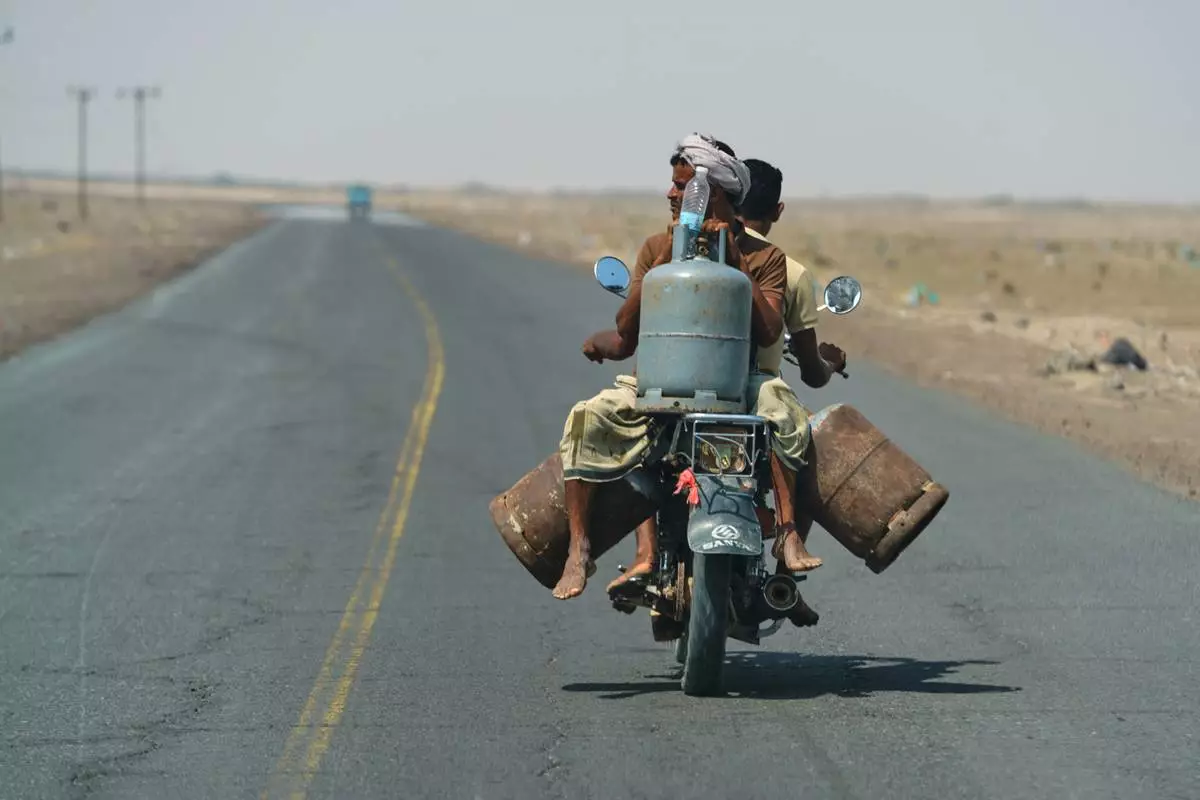
Displaced Yemenis transport cooking gas cylinders on their way to the Al-Fardous displacement camp in Ras Imran, on the outskirts of Aden, Yemen, Tuesday, Nov. 17, 2026. (AP Photo/Abdulnasser Alseddik)

Displaced Yemenis transport cooking gas cylinders on their way to the Al-Fardous displacement camp in Ras Imran, on the outskirts of Aden, Yemen, Tuesday, Nov. 17, 2026. (AP Photo/Abdulnasser Alseddik)

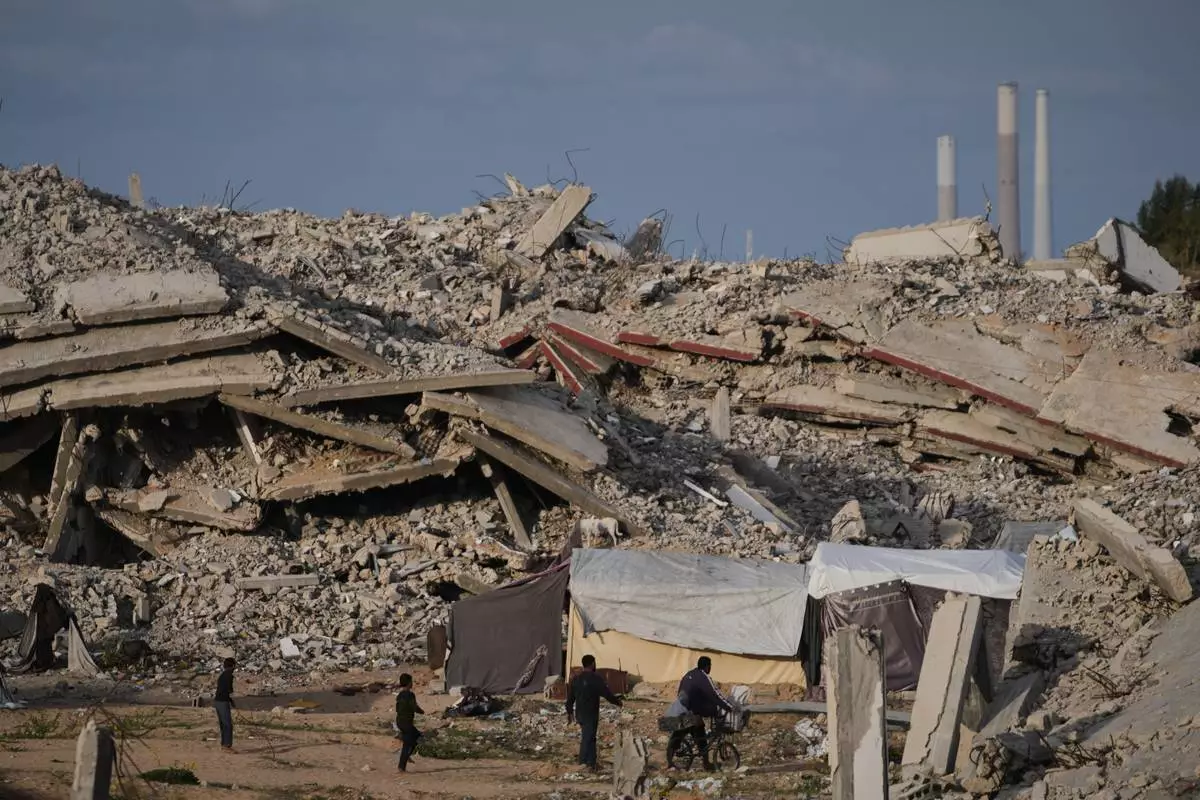
Palestinians walk through the rubble of buildings destroyed during the Israel-Hamas war in Gaza City, Tuesday, Nov. 17, 2026. (AP Photo/Jehad Alshrafi)

Palestinians walk through the rubble of buildings destroyed during the Israel-Hamas war in Gaza City, Tuesday, Nov. 17, 2026. (AP Photo/Jehad Alshrafi)

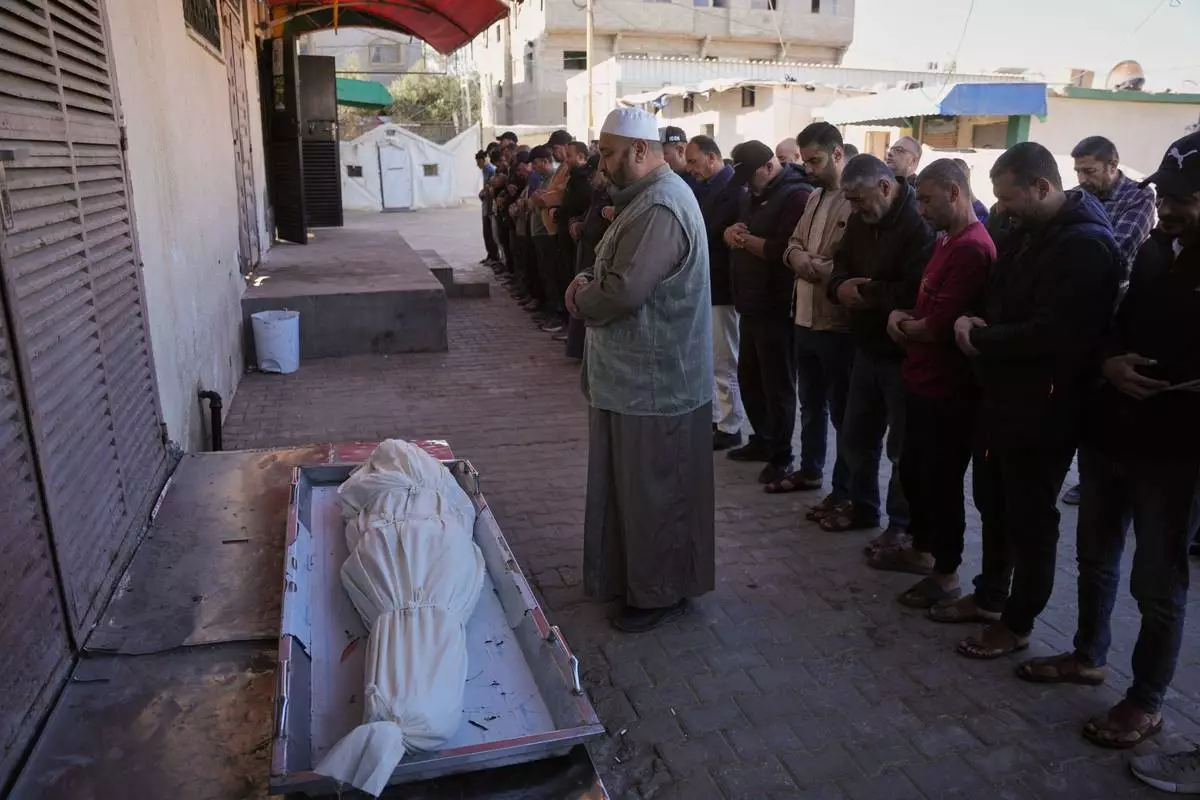
Palestinians pray over the body of Fadi Ismail, 35, killed in an Israeli airstrike, at Al-Aqsa Hospital in Deir al-Balah, central Gaza Strip, Wednesday, Nov. 18, 2026. (AP Photo/Abdel Kareem Hana)

Palestinians pray over the body of Fadi Ismail, 35, killed in an Israeli airstrike, at Al-Aqsa Hospital in Deir al-Balah, central Gaza Strip, Wednesday, Nov. 18, 2026. (AP Photo/Abdel Kareem Hana)

People sit on rocks along the shore as cargo ships lie at anchor in the Strait of Hormuz off Bandar Abbas, Iran, early Friday, Nov. 13, 2026. (Amirhosein Khorgooi/ISNA via AP)

People sit on rocks along the shore as cargo ships lie at anchor in the Strait of Hormuz off Bandar Abbas, Iran, early Friday, Nov. 13, 2026. (Amirhosein Khorgooi/ISNA via AP)

Recommended Articles